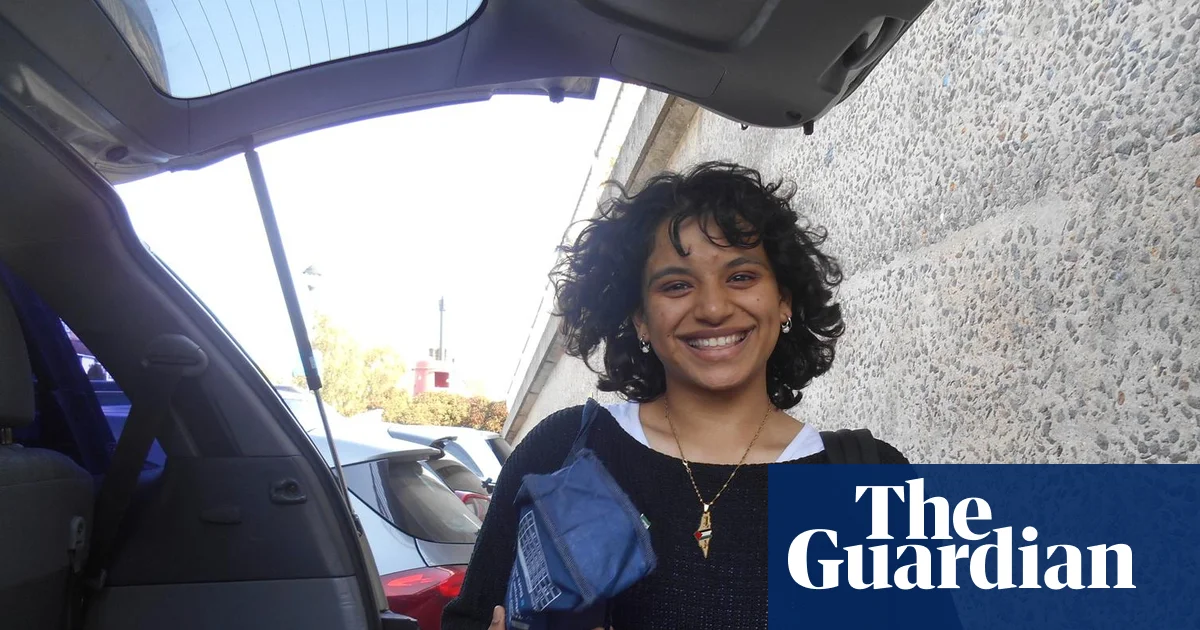
UN experts have expressed grave concern over the treatment of Palestine Action-linked hunger strikers in UK prisons, highlighting issues of medical neglect and potential violations of international human rights laws, as prisoners' health deteriorates and calls for urgent intervention are made.
UN experts have called for the immediate dismantling of the Gaza Humanitarian Foundation, criticizing its operations as a breach of international law and a cover for military and geopolitical agendas, amid ongoing violence and humanitarian crises in Gaza, including high civilian casualties and severe shortages of food, water, and medical supplies. They emphasize the need for accountability, adherence to international law, and a reevaluation of aid management to ensure genuine humanitarian efforts.
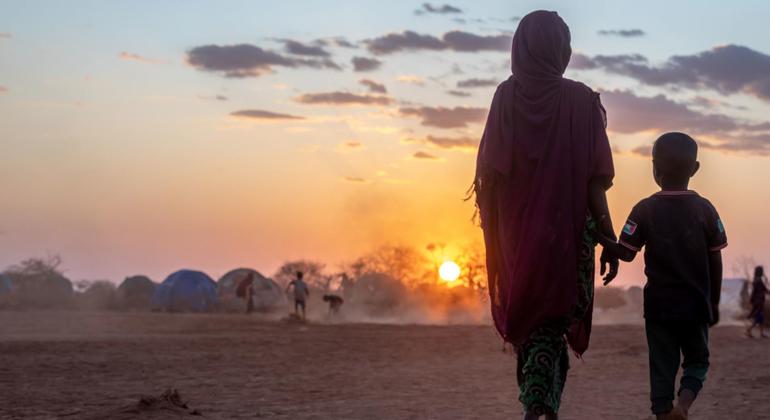
UN human rights experts have issued a warning that there is a high risk of ongoing atrocity crimes in Ethiopia, citing serious violations, widespread violence, and entrenched impunity. The experts emphasized the need for independent investigations into the country's dire human rights situation. Despite a ceasefire agreement, the Commission confirmed the presence of Eritrean forces and ongoing atrocities, including rape and other forms of sexual violence, against civilians in the Tigray region. The situation in the Amhara region is also deteriorating, with reports of extrajudicial killings and mass arrests. The experts called on the international community to ensure investigations persist to address human rights violations and prevent further tragedies.
The International Commission of Human Rights Experts on Ethiopia has warned that nearly one year after the ceasefire agreement, atrocities, war crimes, and crimes against humanity are still being committed in Ethiopia, particularly in the Tigray region. The report documents mass killings, rape, destruction of infrastructure, forced displacement, and arbitrary detention by all parties involved in the conflict. Eritrean troops and Amhara militia members are implicated in grave violations in Tigray, including systematic rape and sexual violence against women and girls. The Ethiopian government has failed to prevent or investigate these violations and has initiated a flawed transitional justice process. The report highlights the risk of further large-scale atrocity crimes and expresses concern over the increasing securitization of the state.
UN experts have condemned a proposed draft law in Iran that would impose harsh punishments, including long jail sentences, on women and girls who refuse to wear the hijab. The experts argue that the legislation, which is currently under review by the Iranian parliament, amounts to "gender apartheid" and systemic discrimination. The draft law also proposes penalties for celebrities and businesses that violate the dress code, as well as the use of artificial intelligence to identify women in breach of the law. The UN experts urge Iranian authorities to reconsider the legislation and ensure the full enjoyment of human rights for all women and girls in Iran.
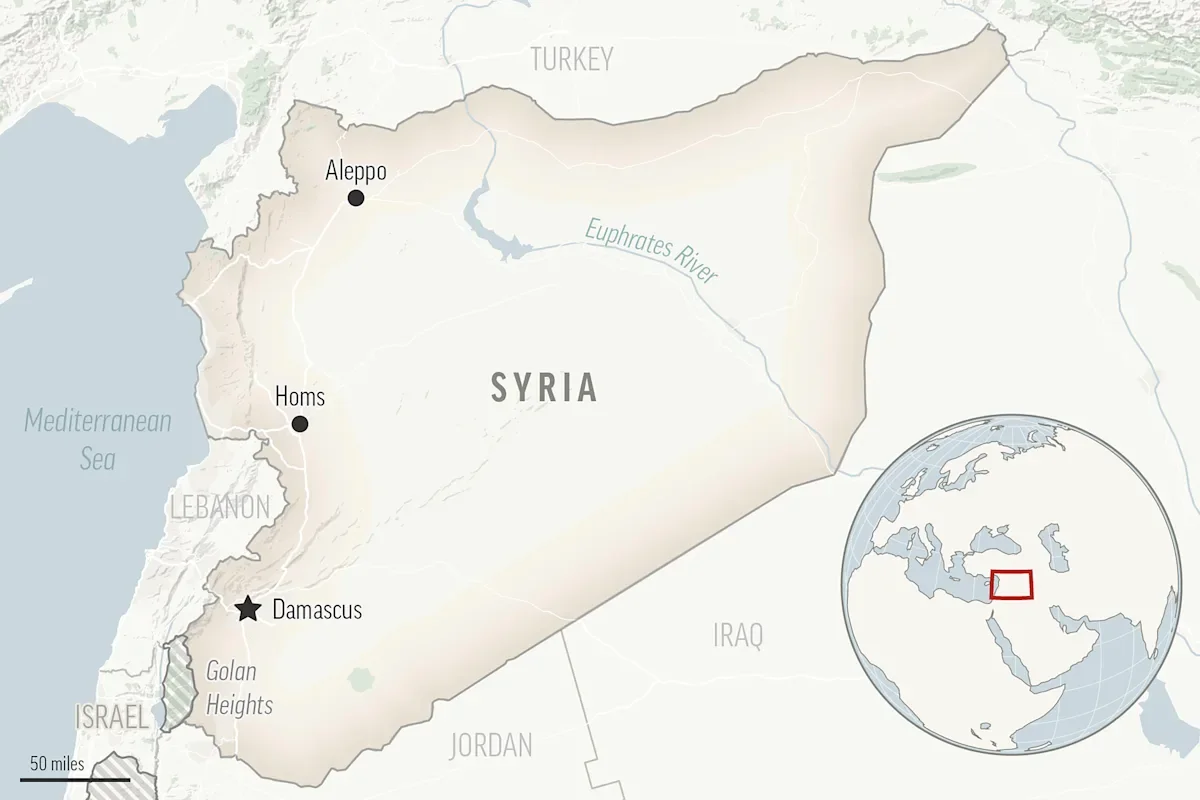
According to a report by UN experts, the Islamic State group still maintains between 5,000 and 7,000 members in Syria and Iraq, while also posing a significant terrorist threat in Afghanistan. Despite losses in leadership and reduced activity in Syria and Iraq, the group has adapted its strategy, embedding itself with local populations and rebuilding through recruitment. In northeast Syria, over 11,000 suspected ISIS fighters are being held, while two closed camps house approximately 55,000 people with alleged links to the group. The report also highlights concerns about ISIS affiliates in Africa's Sahel region and the potential exploitation of political violence in Sudan.