
Tag

Ultra Hot Neptune

All articles tagged with #ultra hot neptune

"Ultra-Hot Neptune-Sized Exoplanet Unveiled"
astronomy1 year ago

"Ultra-Hot Neptune-Sized Exoplanet Unveiled"

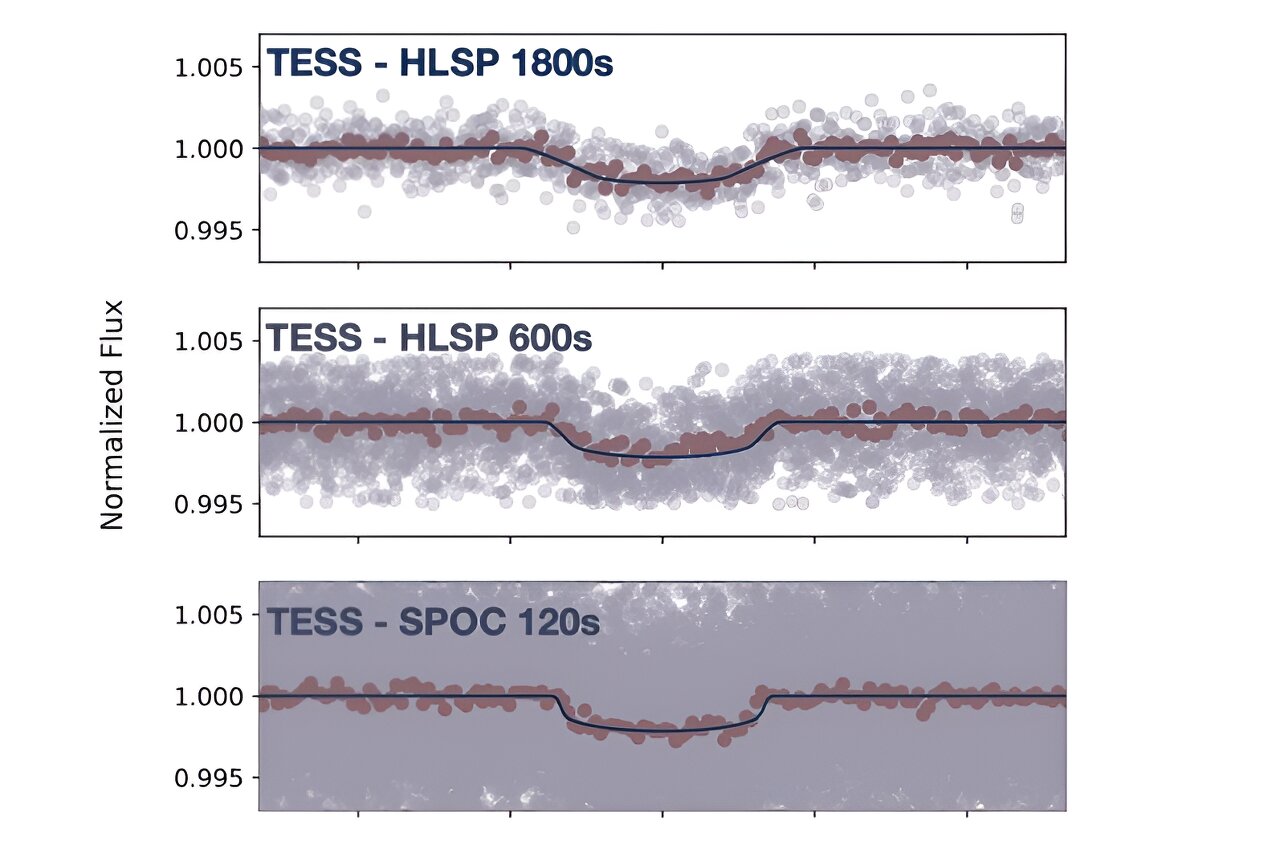
Astronomers using NASA's TESS have discovered a new ultra-hot Neptune-sized exoplanet, TOI-3261b, with an equilibrium temperature over 1,700 K. The planet, nearly the size of Neptune but with a high mass of 30.3 Earth masses, orbits its host star every 0.88 days. This discovery, reported by Emma Nabbie and her team, highlights TOI-3261b as a prime candidate for follow-up atmospheric studies.
"Metallic Clouds Transform Exoplanet into Universe's Shiniest Mirror"
science-and-astronomy2 years ago

"Metallic Clouds Transform Exoplanet into Universe's Shiniest Mirror"

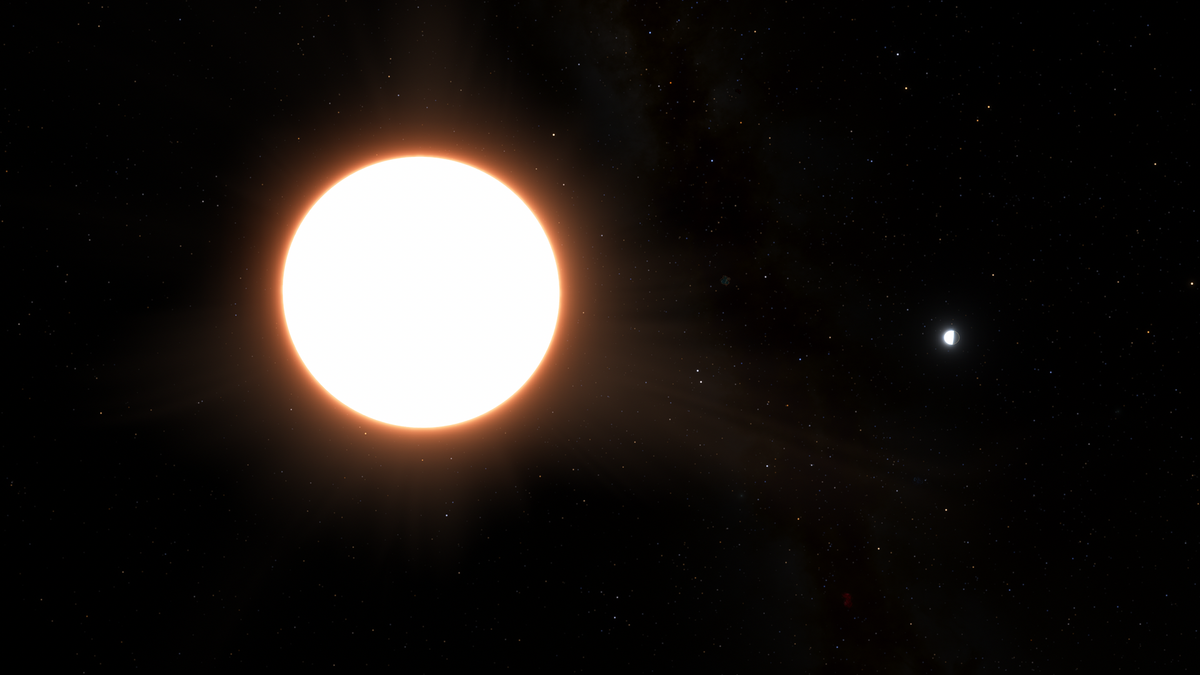
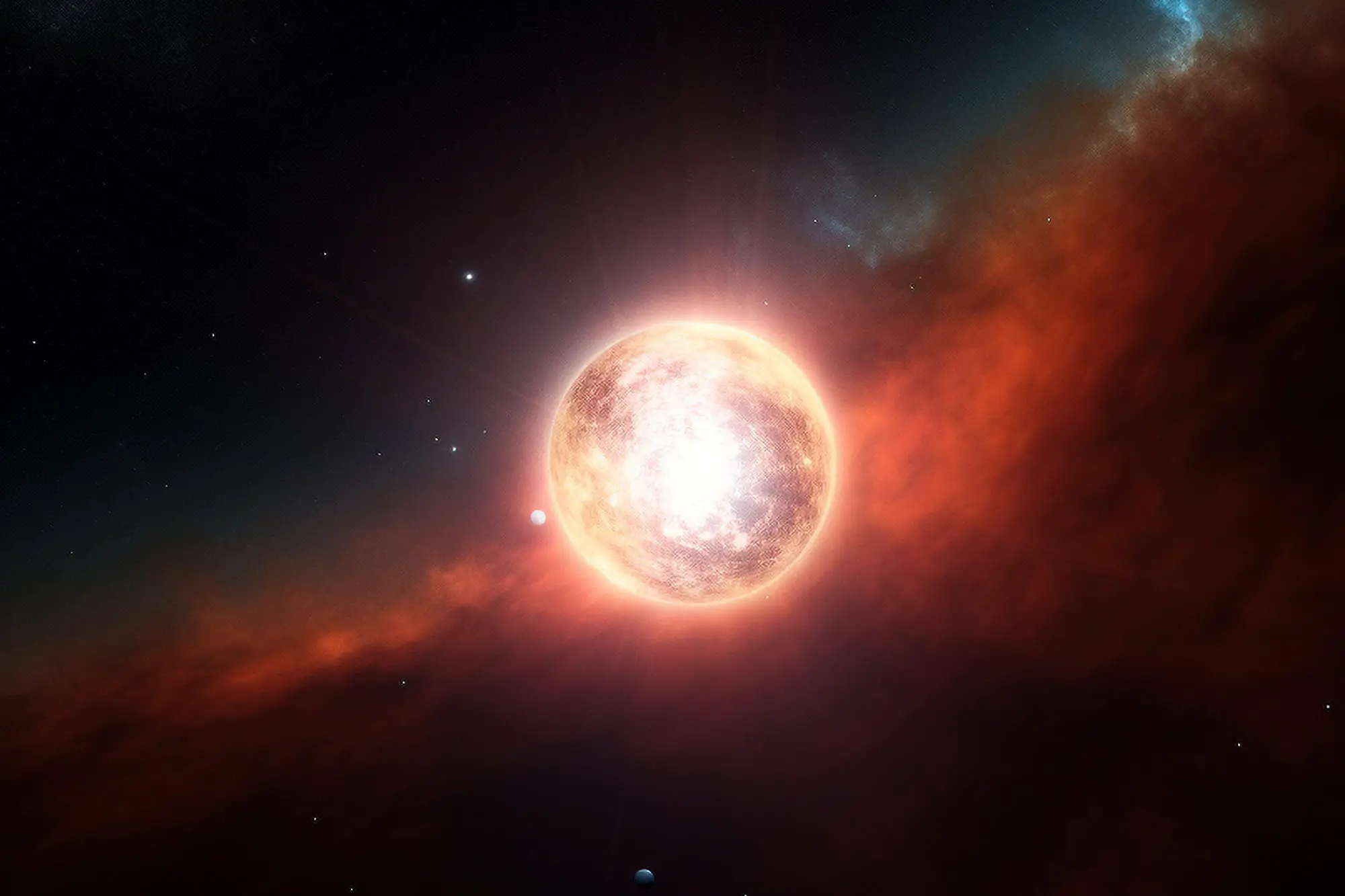
Astronomers have discovered an ultra-hot exoplanet, LTT9779 b, located 264 light-years from Earth, which reflects around 80% of the light from its parent star, making it the most reflective planet outside the solar system. The planet is covered by clouds of metal, acting like a cosmic mirror. LTT9779 b is almost five times the size of Earth, making it the largest cosmic mirror ever discovered. Its high reflectivity and the presence of metal clouds challenge previous theories about planet formation. The exoplanet is an example of a missing planet type, an ultra-hot Neptune, which has eluded astronomers for decades. Further study of LTT9779 b will provide insights into its atmosphere and other characteristics.

"Cheops Unveils Shiniest Exoplanet: A Mirror-Like Giant in Space"
space2 years ago

"Cheops Unveils Shiniest Exoplanet: A Mirror-Like Giant in Space"

ESA's Cheops mission has discovered an ultra-hot exoplanet, LTT9779 b, with an albedo of 80%, making it the shiniest exoplanet ever found. The planet's high reflectivity is due to its metallic cloud cover composed of silicate and metals like titanium. LTT9779 b is an ultra-hot Neptune, unique in its size and close orbit to its star, prompting further studies to understand its atmosphere and survivability. The discovery was made through detailed measurements by Cheops, which revealed the planet's high reflectivity and the presence of reflective clouds of metal.