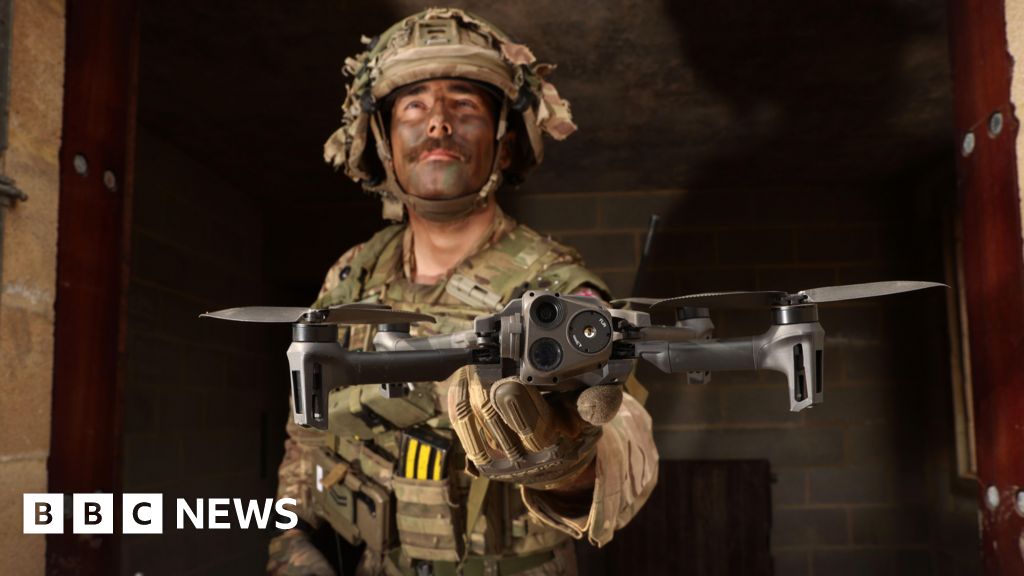
The UK military is increasingly integrating gamers and coders into its recruitment and training strategies, recognizing the skills developed through gaming—such as hand-eye coordination and quick decision-making—as valuable for modern warfare, especially in cyber defense and drone operations.
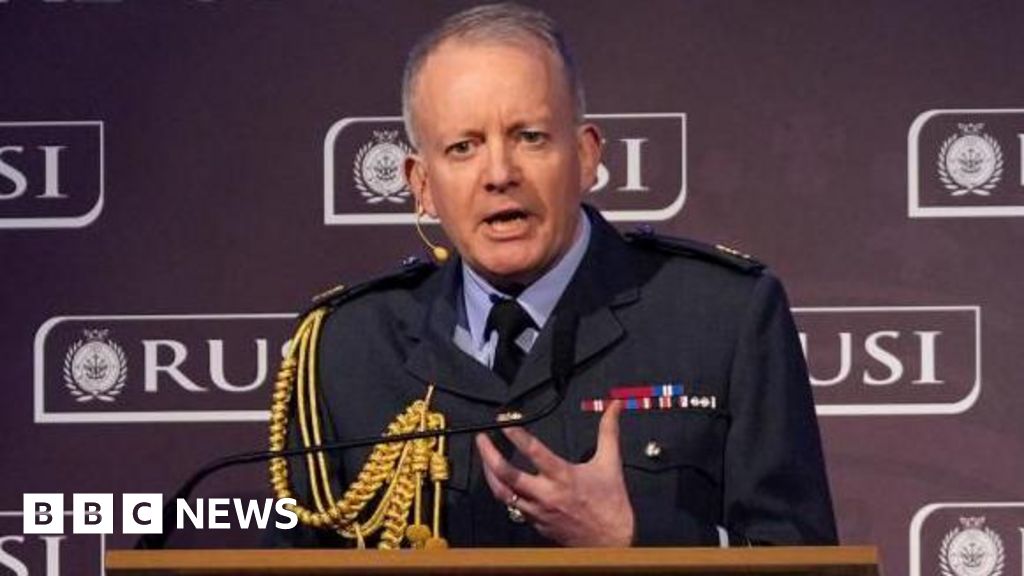
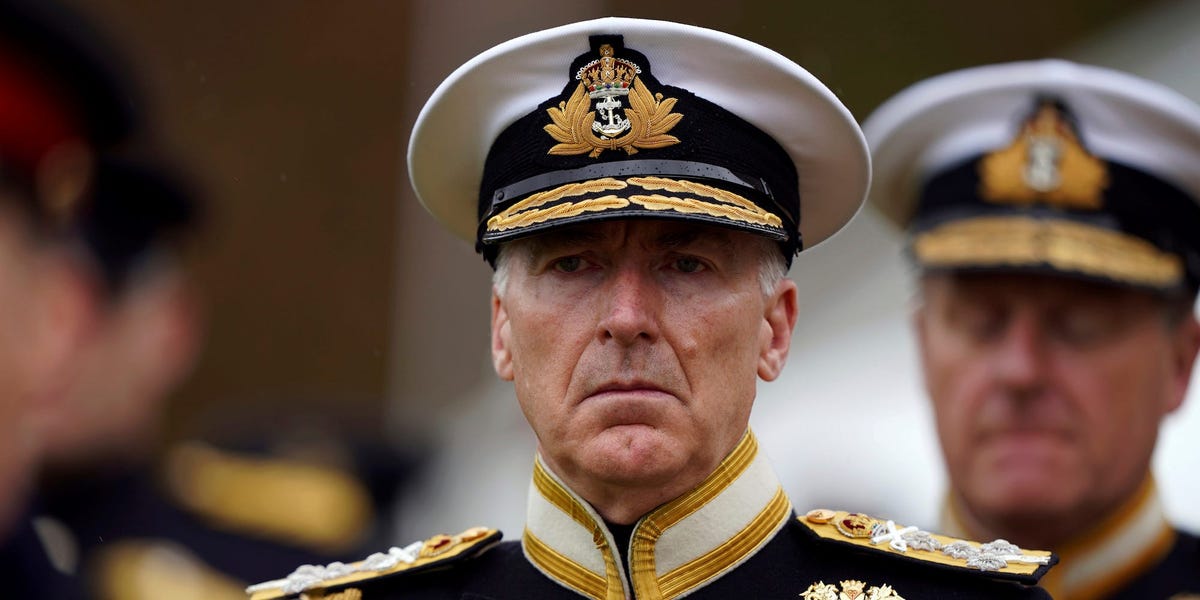
UK military chief Sir Richard Knighton emphasizes the need for increased national defense readiness, including more personnel and industry capacity, to deter Russian threats and hybrid attacks, while calling for a societal response involving schools, families, and industries. The UK aims to bolster resilience and rearmament with significant investment and a focus on industrial and technological development.
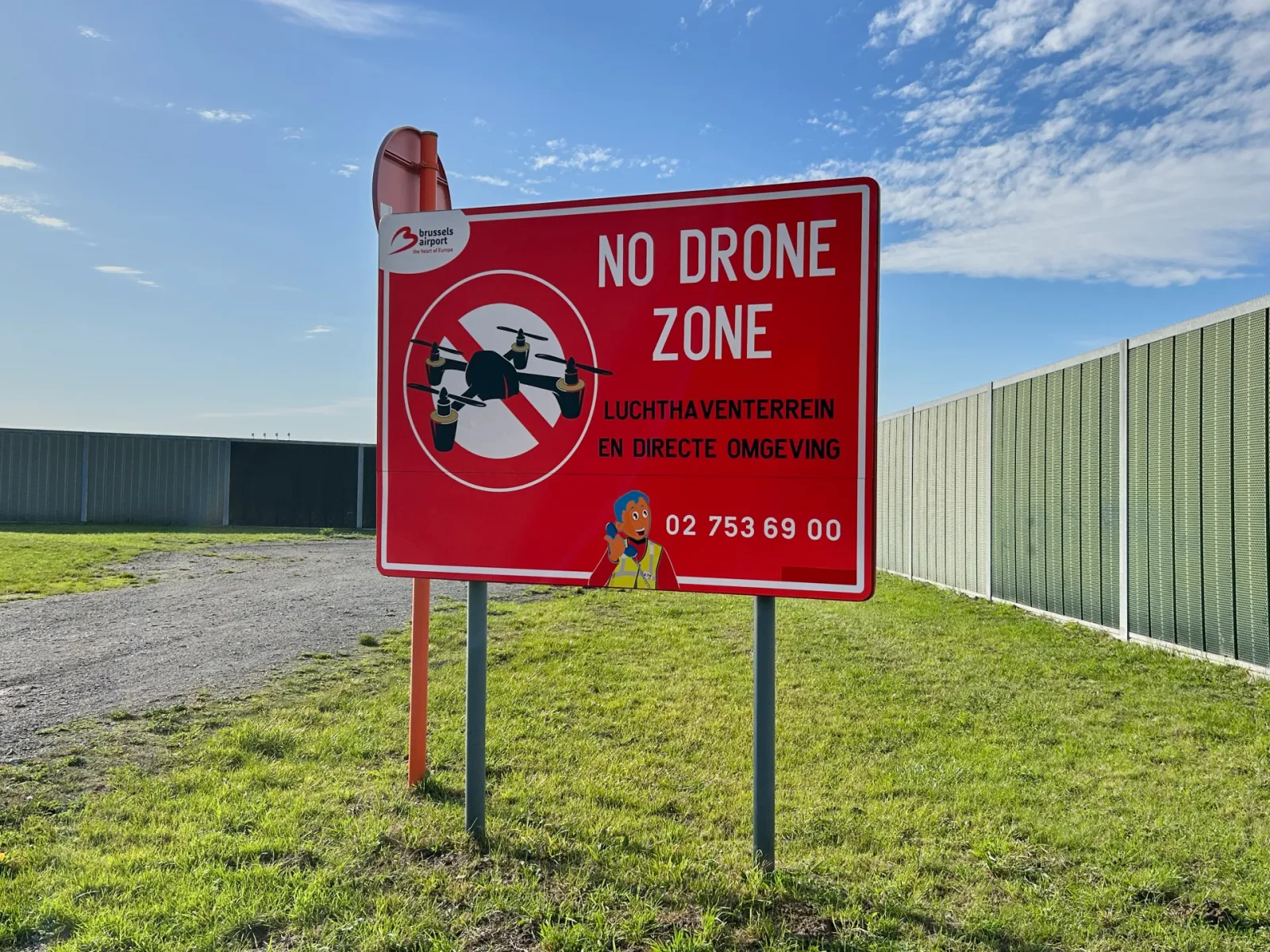
The UK is deploying military personnel and equipment to Belgium to assist after multiple drone sightings caused temporary airport closures, with investigations ongoing into the source, possibly linked to Russia's hybrid warfare tactics.
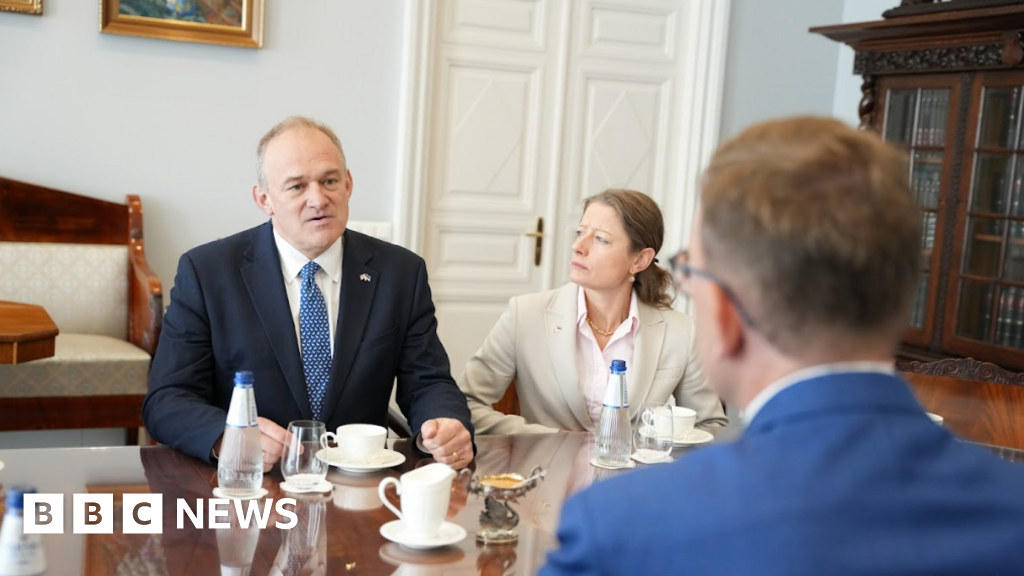
Sir Ed Davey of the Lib Dems proposes offering a £10,000 bonus to new army recruits and a public awareness campaign to boost UK military readiness amid global threats, aiming to increase troop numbers and enhance national security.
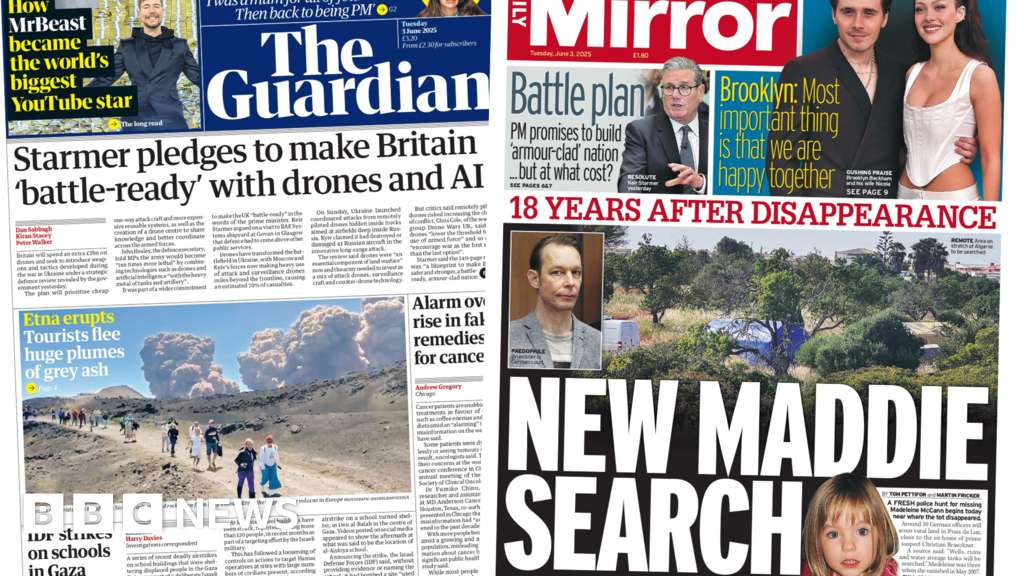
Britain plans a £2bn increase in defense spending, focusing on drones and military tactics, while also expanding the army and submarine fleet. Meanwhile, a renewed search for Madeleine McCann is underway in Portugal, and UK political debates include AI advancements and religious freedom issues. The Israel-Gaza conflict continues to impact global headlines.
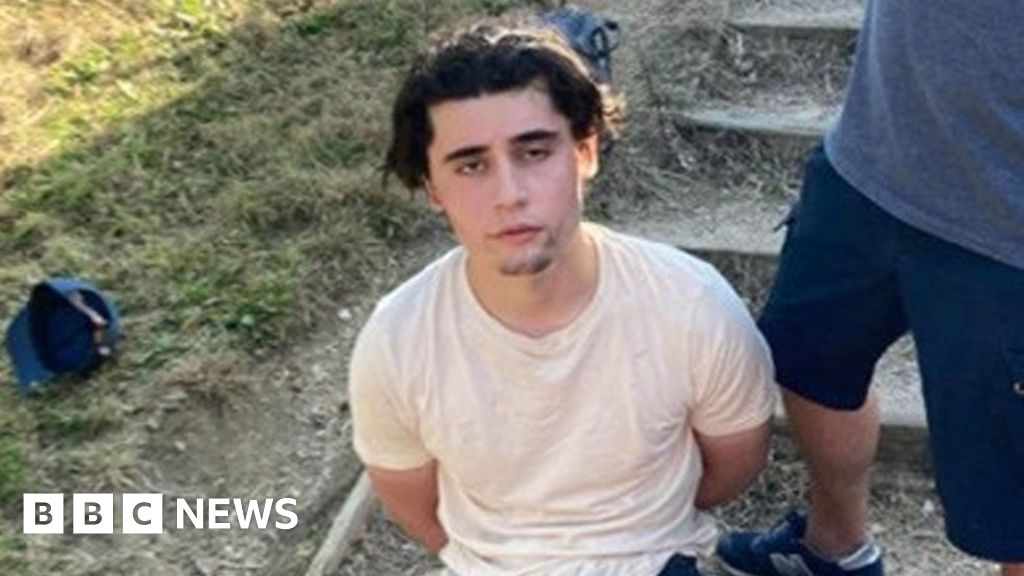
Former British soldier Daniel Khalife has been found guilty of spying for Iran, having collected and passed sensitive military information to Tehran. Khalife, who escaped from Wandsworth prison by hiding under a food delivery truck, was convicted under the Official Secrets Act and the Terrorism Act. His actions, which included gathering names of special forces soldiers, posed significant risks to UK national security. Khalife's escape and subsequent capture raised concerns about prison security and staffing. He faces a lengthy prison sentence, with sentencing scheduled for early next year.
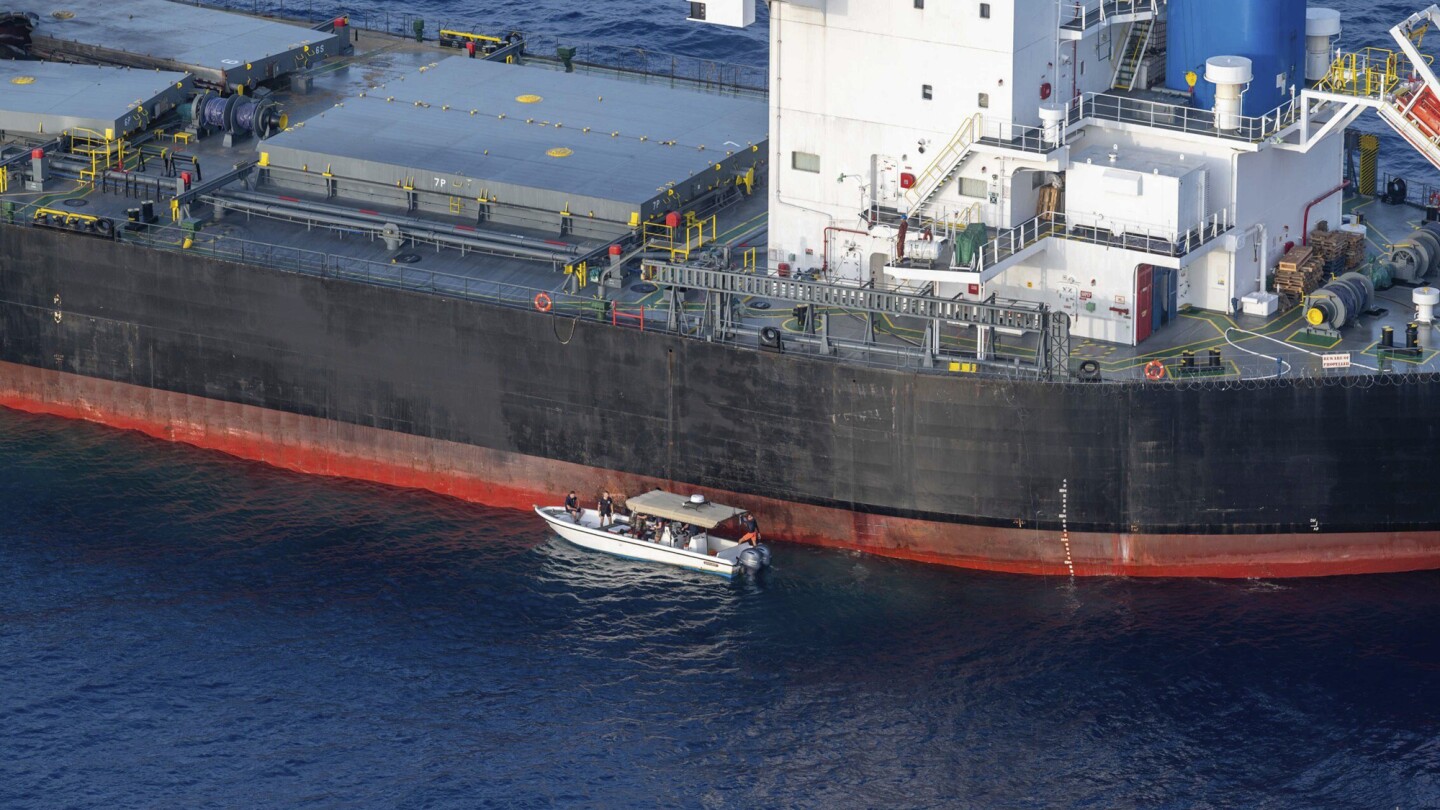
The U.S. and Britain conducted airstrikes on 13 Houthi targets in Yemen in response to increased attacks on ships in the Red Sea and Gulf of Aden. The strikes, which killed at least 16 people and wounded 35, targeted various military facilities and equipment. The Houthis have intensified their attacks on shipping, demanding an end to the Israel-Gaza conflict. Despite ongoing U.S. and British military actions, the Houthi campaign against shipping continues.
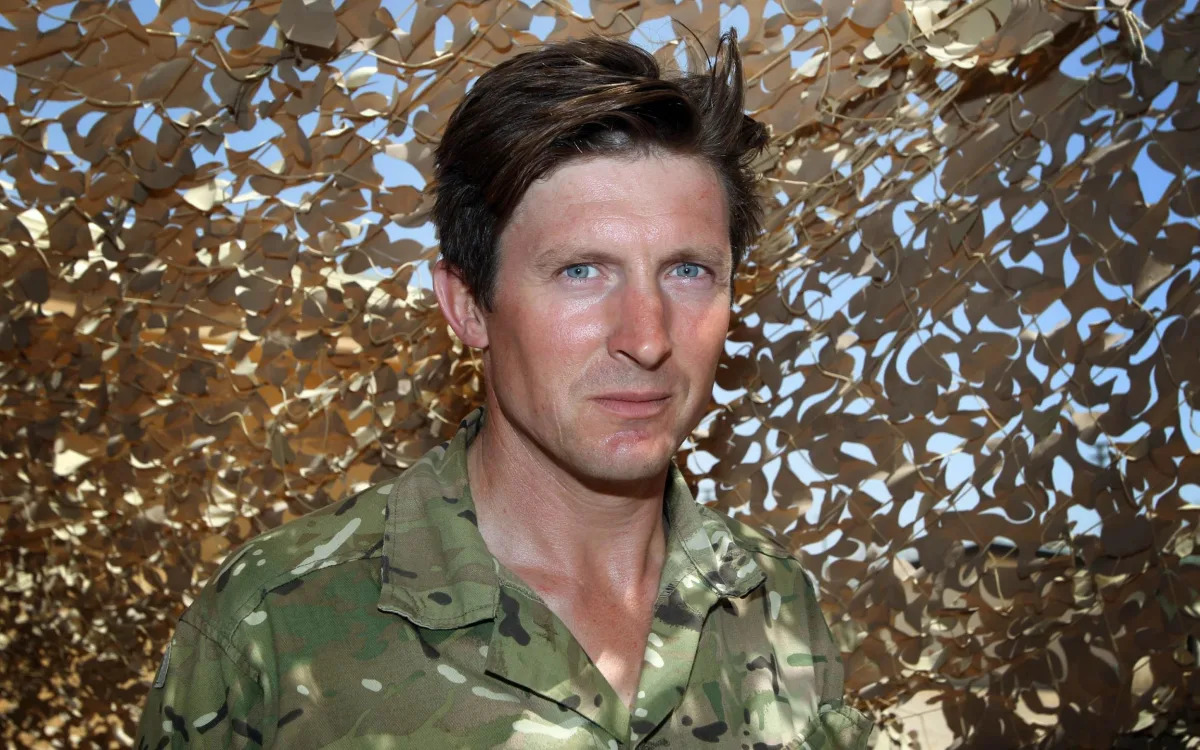
Maj Gen Charlie Herbert OBE, a senior UK military figure in Afghanistan, was sent home early after drinking champagne with colleagues, in breach of a US rule on alcohol consumption. Complaints about his alleged inappropriate language and behavior, throwing parties at the British embassy, and drinking openly with Afghan colleagues were investigated but found to be unproven and vexatious, except for the champagne incident. After retiring from the Army, he became an outspoken commentator on military affairs.
The head of the UK's armed forces, Admiral Sir Tony Radakin, stated that Russian President Vladimir Putin doesn't truly desire a conflict with NATO because Russia would swiftly and decisively lose. He emphasized that any Russian aggression against NATO would trigger an overwhelming response, and highlighted NATO's military superiority over Russia in terms of personnel, air forces, maritime forces, and strategic depth. Radakin also noted that Russia's invasion of Ukraine revealed its diminished capabilities and failure to achieve its objectives, while cautioning that Russia could still pose a significant threat that NATO must address.