Campaigners criticize the UK government for delaying the implementation of laws against creating non-consensual sexualized deepfakes, amid concerns over AI tools like Grok that facilitate such content, with calls for urgent regulatory action to protect victims and uphold women's rights.
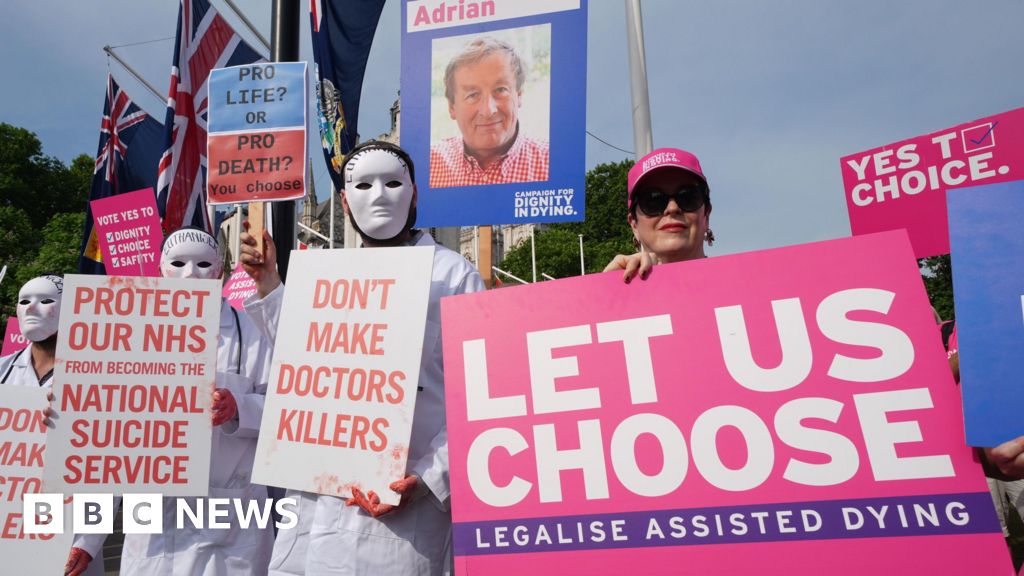
British lawmakers approved a bill to legalize assisted dying for terminally ill patients in England and Wales, allowing them to choose to end their lives with medical assistance, marking a significant societal shift despite ongoing debates and opposition from some officials and organizations.
The UK Parliament has approved a bill to legalize assisted dying in England and Wales, marking a significant shift in bodily autonomy laws, with the process expected to take several years to implement, involving strict safeguards and a lengthy approval process, amid polarized public opinion and ongoing debates about ethics and safety.
UK MPs voted overwhelmingly to decriminalise abortion in England and Wales, removing criminal penalties for late-term abortions and modernising outdated laws, with support from major health organizations and opposition from anti-abortion groups.
British lawmakers voted to decriminalize abortion in England and Wales, largely removing criminal penalties for women who have abortions, especially after 24 weeks, aligning the law more closely with healthcare standards and protecting women from prosecution. The change reflects ongoing debates about reproductive rights and contrasts with stricter laws in the US, with broad public support in the UK.
The UK is embroiled in a heated debate over the Data (Use and Access) Bill, which aims to regulate AI developers' access to copyrighted material for training purposes. The bill faces opposition from the creative industry, which fears it could undermine artists' livelihoods, while supporters argue it is vital for the growth of the AI sector. The legislation is stuck in parliamentary limbo, with ongoing disagreements about whether AI firms should disclose their use of copyrighted content or be allowed broad access without permission, highlighting a complex clash between technological innovation and protecting creative rights.
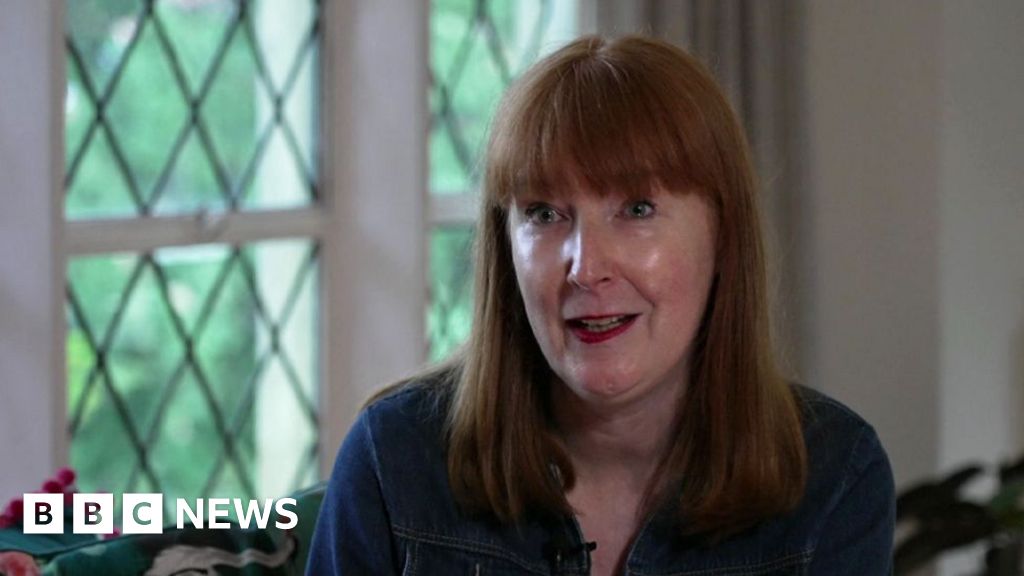
The UK Parliament has moved closer to legalizing assisted dying for terminally ill patients with a life expectancy of six months or less, following a supportive vote by MPs. The bill, which requires approval from two doctors and a judge, aims to provide a choice for those suffering from severe pain, like Elise Burns, who supports the bill. However, opponents like Nik Ward express concerns about its implications for vulnerable individuals and the need for improved palliative care. The bill still requires further votes before becoming law.