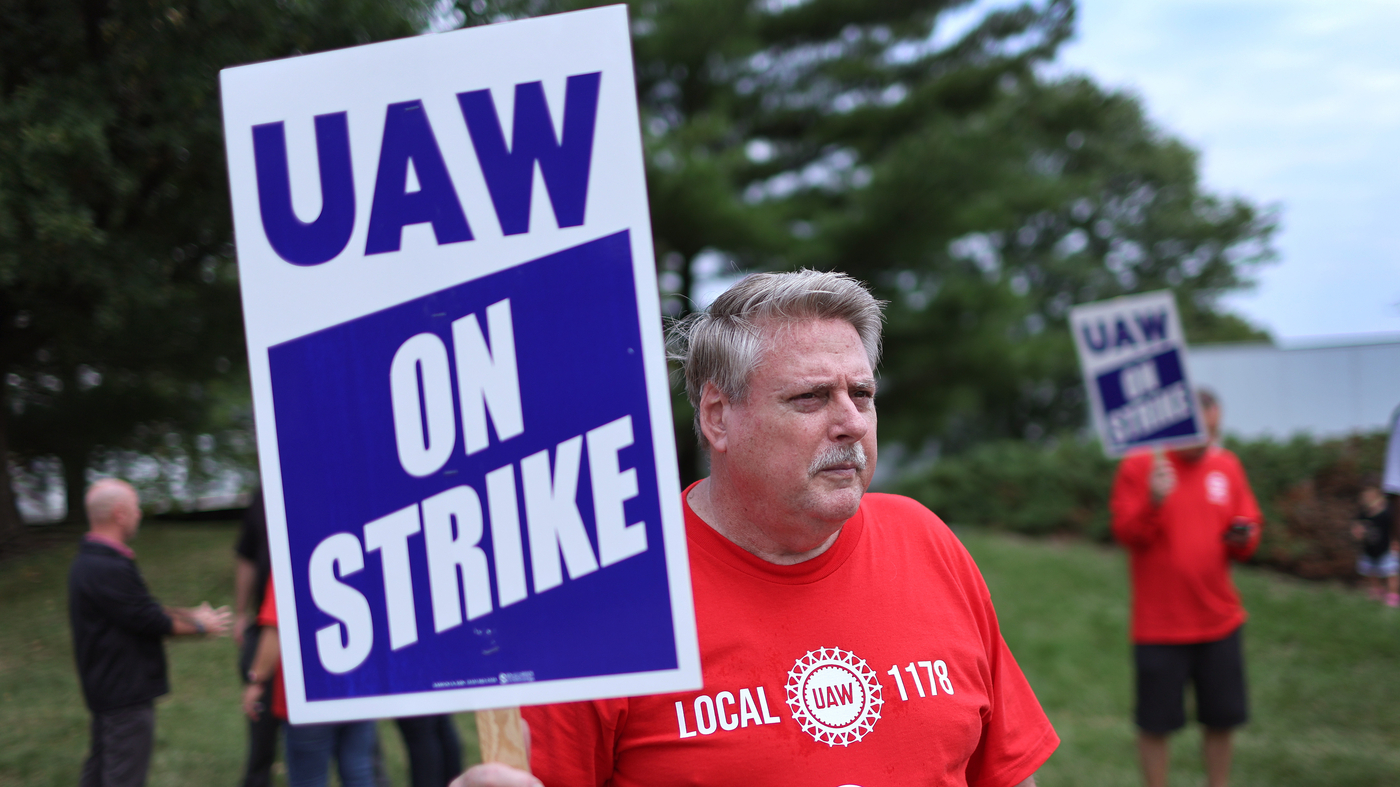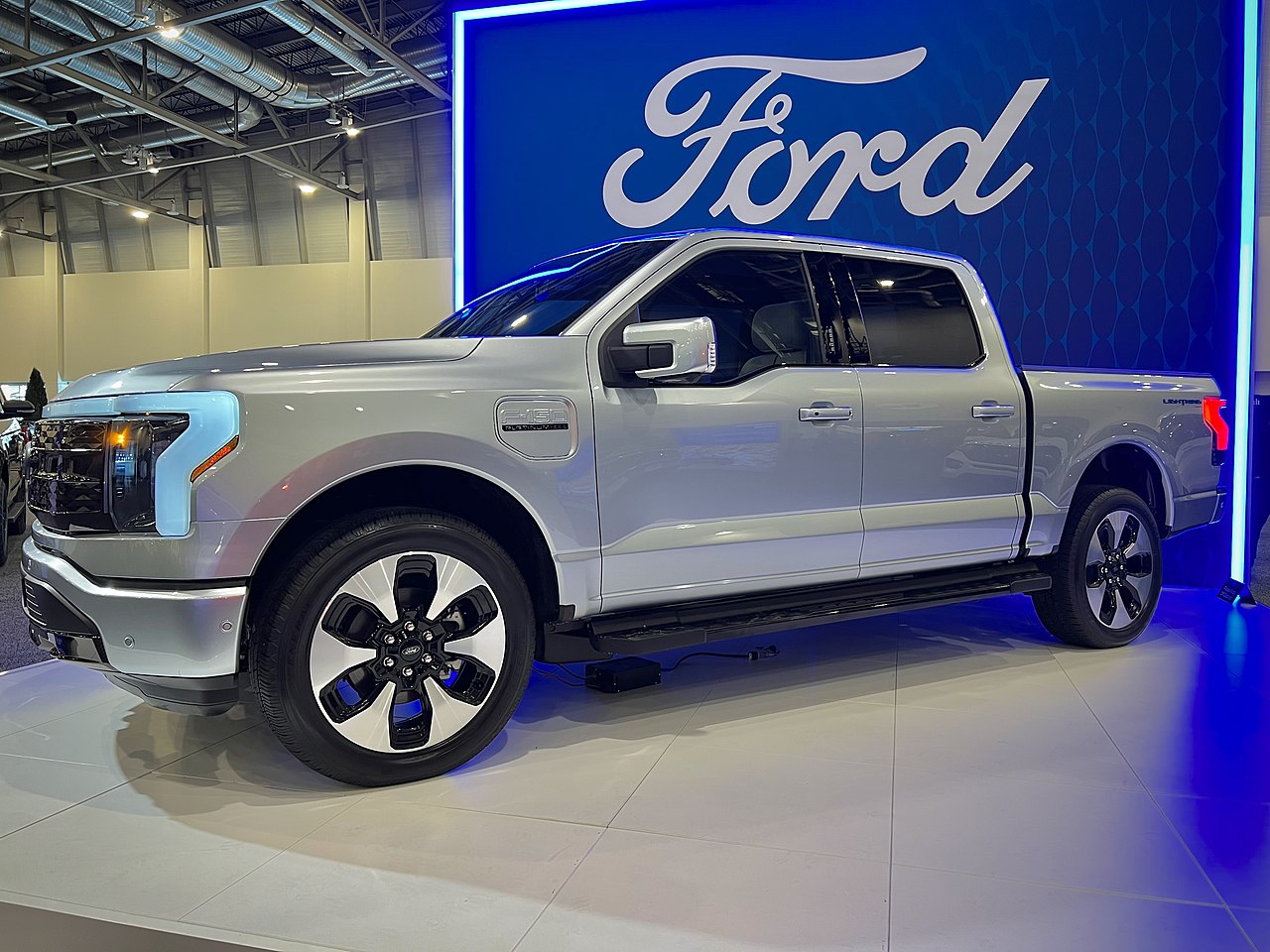
Ford has announced additional layoffs at two plants, the Sharonville, Ohio Transmission Plant and the Rawsonville Components Plant in Michigan, due to a reduction in parts demand caused by ongoing UAW strikes. The strikes, now in their sixth week, have resulted in ripple effects across the industry, with GM and Ford also laying off workers earlier this month. The UAW represents nearly 150,000 workers across the three automakers, and further strikes could be on the table if more progress isn't made on contracts.
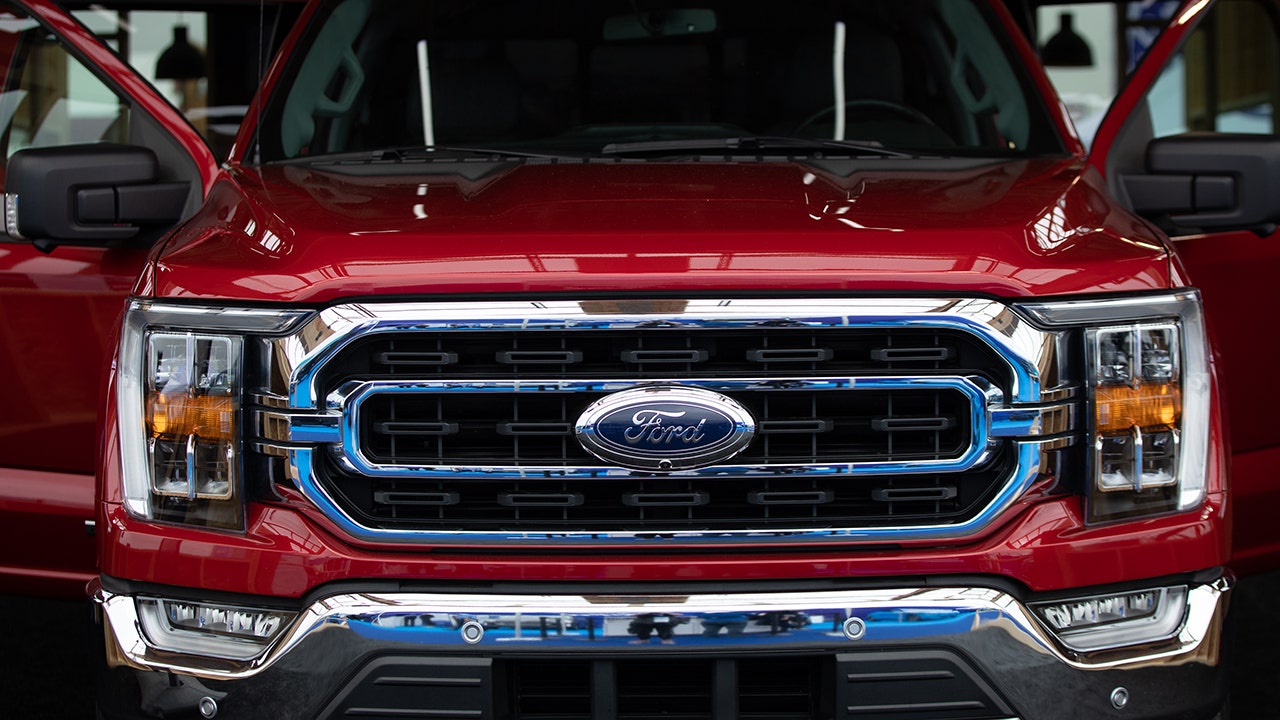
Ford Motor Co. and Stellantis have announced additional layoffs at their plants in Michigan and Ohio, citing the ongoing United Auto Workers (UAW) strikes as the "direct result" of the dismissals. The strikes have led to a total of 2,730 layoffs at Ford, with 418 workers affected at the Michigan plant. Stellantis is laying off 100 more workers due to the UAW strike at the Toledo Assembly Complex in Ohio. The strike, which began on September 15, has resulted in thousands of layoffs at Detroit's Big Three automakers, with no resolution in sight.
The United Auto Workers (UAW) strike against Big Three automakers may not have an immediate impact on car shoppers, but there is a risk of supplies decreasing and prices increasing in the long term. However, parts shortages could affect vehicle repairs sooner, potentially causing delays. The strikes have expanded to parts distribution centers, which could interfere with repairs as dealerships struggle to find necessary parts. While the strike may not immediately affect car prices, it could lead to the absence of incentives offered by automakers. The impact of the strike will depend on its duration and which plants are affected.
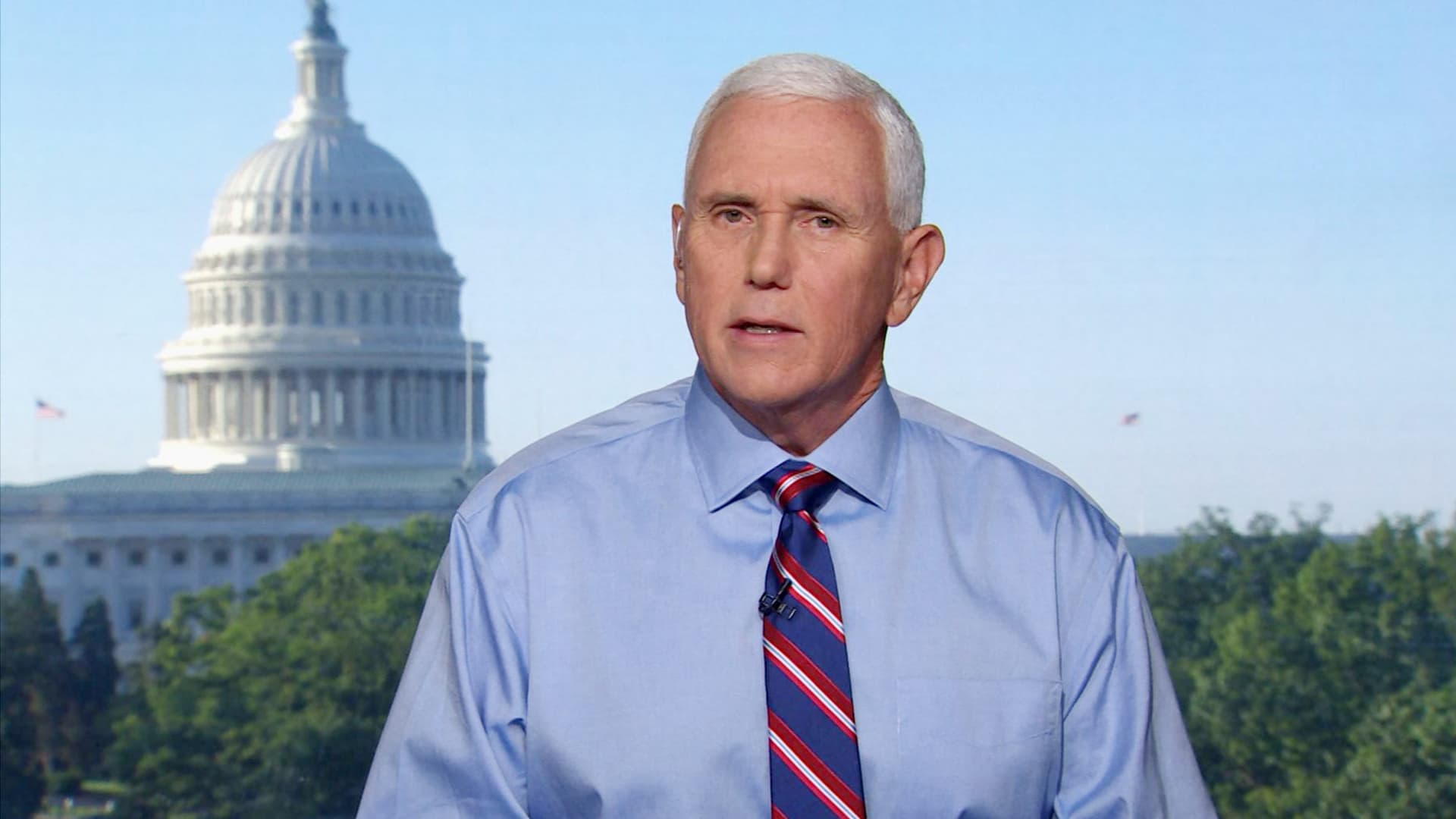
Former Vice President Mike Pence has linked the ongoing United Auto Workers (UAW) strikes at Detroit carmakers' plants to the Biden administration's push toward electric vehicles (EVs), stating that the EV agenda is good for Beijing and bad for Detroit. Pence's stance aligns with that of his former boss, ex-President Donald Trump, who has also criticized the rise of EVs, claiming they will harm American auto workers. The UAW is demanding more equitable compensation, and additional strikes will be announced if negotiations do not make "serious progress" by midday Friday. The Biden administration has been promoting the transition to EVs as part of its climate agenda, intensifying the gas versus electric debate in the US.