Ford has had to temporarily shut down some factories due to a shortage of rare-earth magnets caused by China's trade restrictions, but a tentative agreement between the US and China may soon resume magnet exports, potentially alleviating the supply crisis.
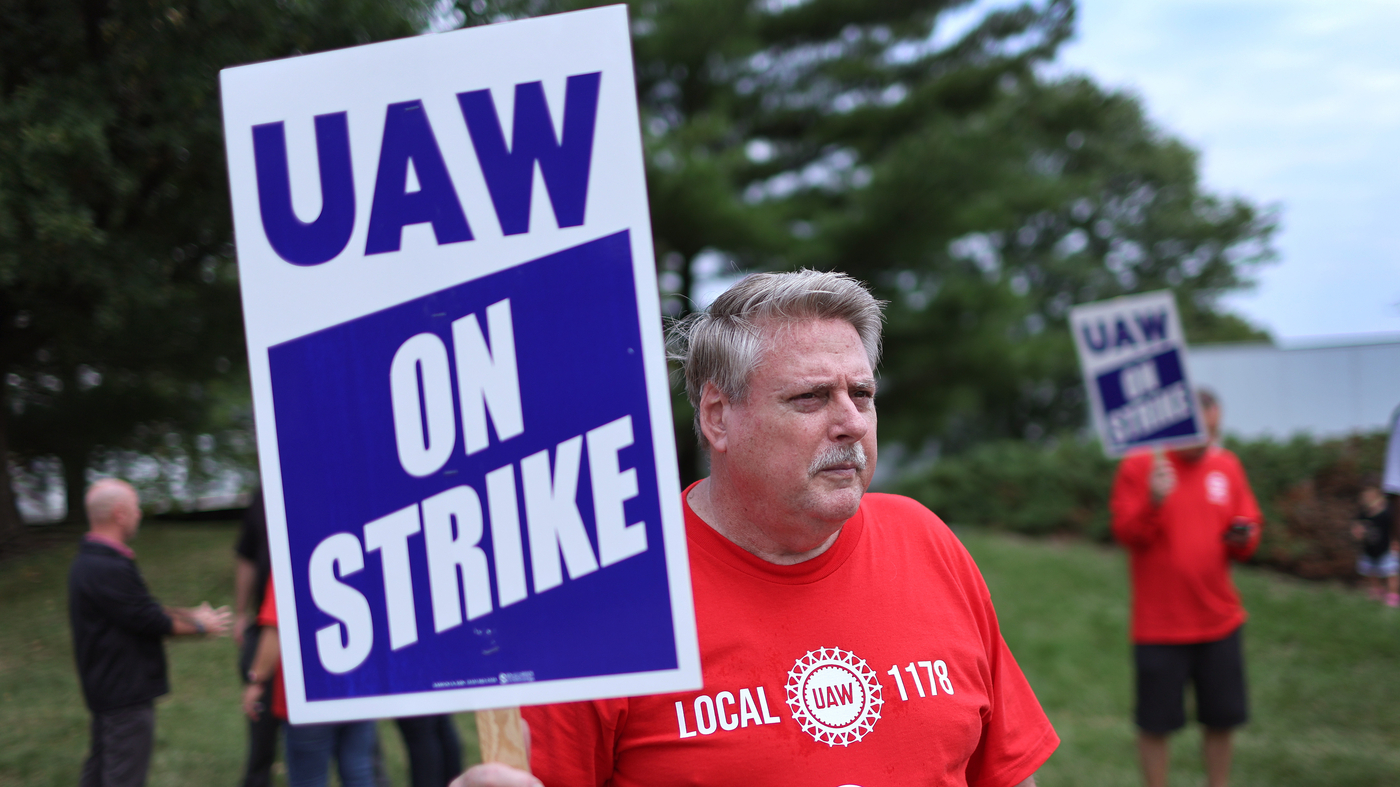
The United Auto Workers (UAW) strike against the Big Three automakers continues, with Ford stating that there are still significant gaps to be resolved in negotiations. Ford recently reached a deal with Canada's Unifor auto union, which includes a 15% wage hike and other benefits. Meanwhile, dealers are warning of potential parts shortages and higher prices due to the strike, with concerns raised about limited vehicle choices and delays in repairs. President Joe Biden is set to visit the picket lines, while former President Donald Trump plans to rally with auto workers. GM and Stellantis dealers are also bracing for supply disruptions.
The United Auto Workers (UAW) strike against Big Three automakers may not have an immediate impact on car shoppers, but there is a risk of supplies decreasing and prices increasing in the long term. However, parts shortages could affect vehicle repairs sooner, potentially causing delays. The strikes have expanded to parts distribution centers, which could interfere with repairs as dealerships struggle to find necessary parts. While the strike may not immediately affect car prices, it could lead to the absence of incentives offered by automakers. The impact of the strike will depend on its duration and which plants are affected.