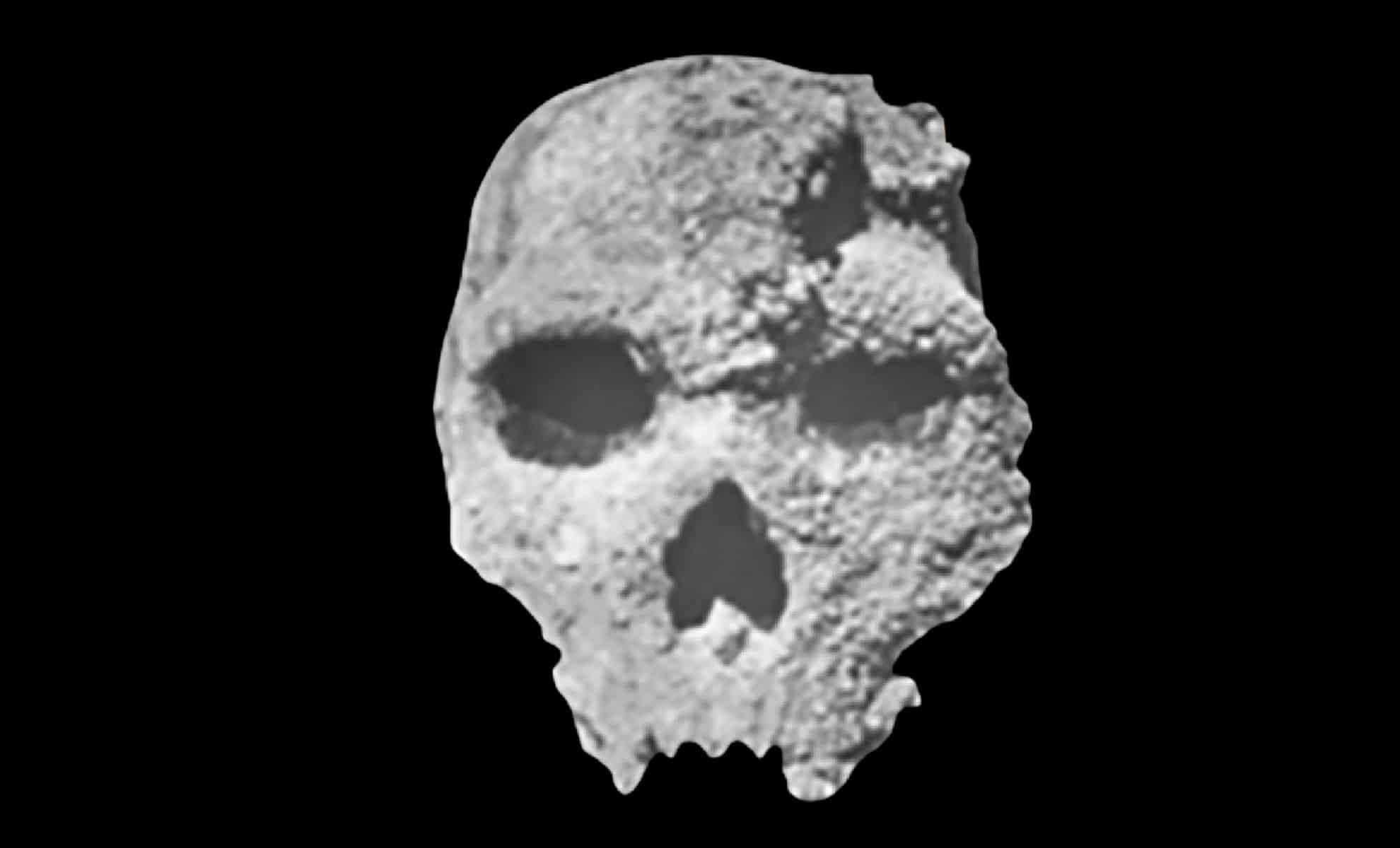
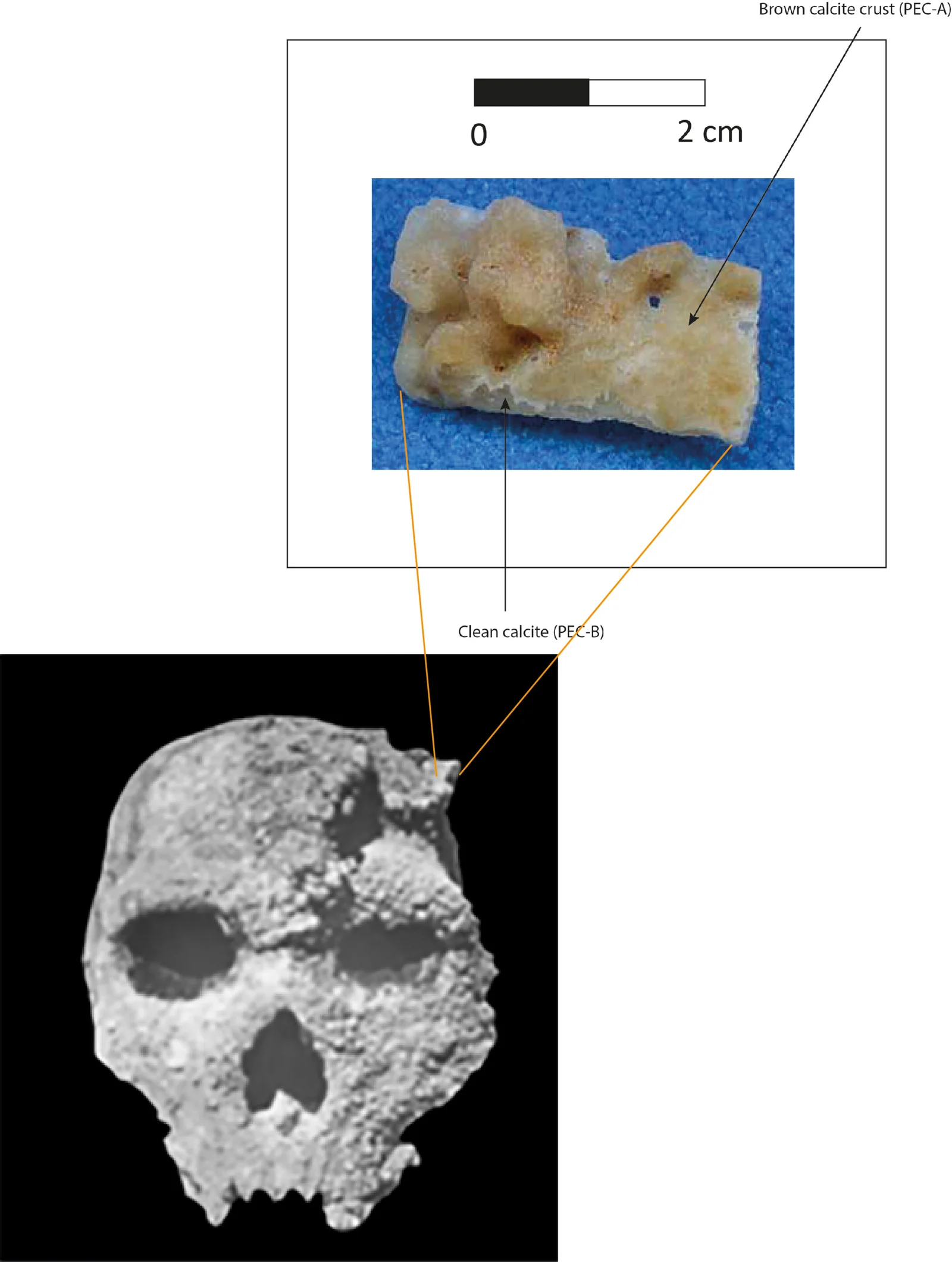
A nearly complete skull found in Greece, known as the Petralona skull, has been dated to be at least 286,000 years old using U-series dating, shedding light on its place in human evolutionary history and suggesting it belongs to a distinct, primitive Homo group that coexisted with other hominin species in Europe during the Middle Pleistocene.
Researchers have dated the nearly complete Petralona Cave skull from Greece to be at least 286,000 years old using U-series dating, suggesting it belongs to a distinct, more primitive human group that coexisted with Neanderthals during the Middle Pleistocene.
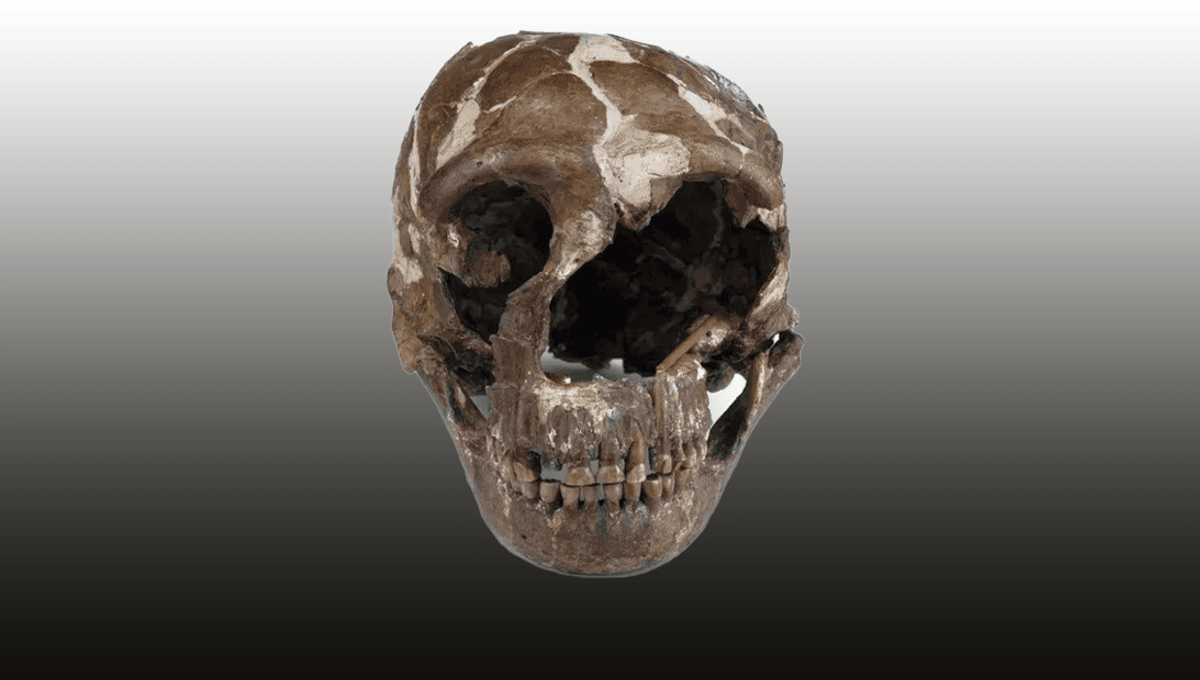
A new study from researchers at the Australian National University and the Natural History Museum of London has used improved dating techniques to reanalyze old fossils, leading to significant revisions in the timeline of human evolution. The researchers employed a technique called U-series dating, which allowed for more accurate dating of the fossils. The reanalysis revealed that the remains of Homo luzonensis, a newly discovered archaic human species, are at least twice as old as previously thought. Additionally, the study clarified the age discrepancy between Neanderthal and Homo sapiens skulls found in Greece, identifying the Homo sapiens skull as the oldest fossil of the species ever found in Europe. These findings highlight the importance of continually reevaluating and refining our understanding of human evolution.