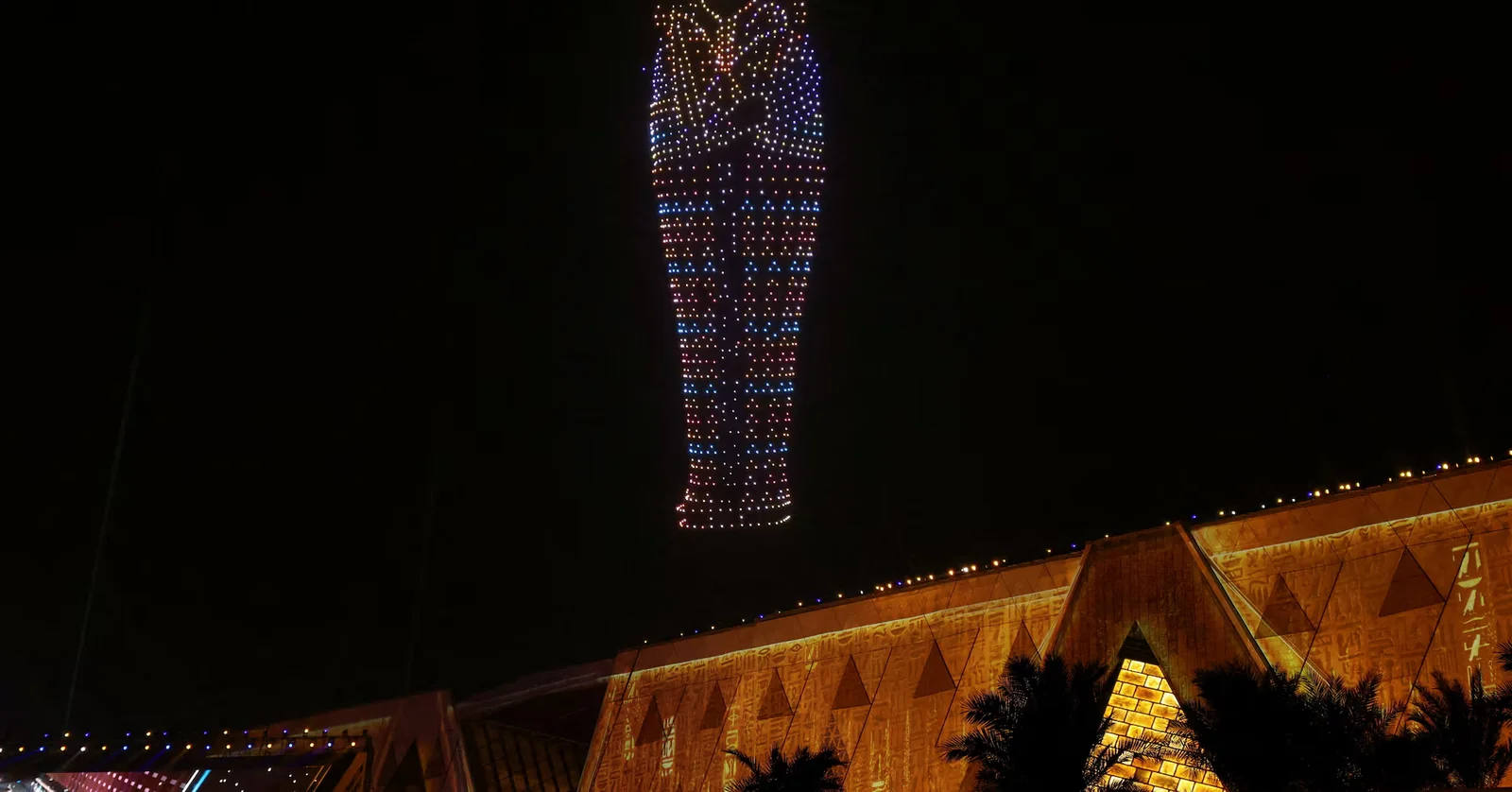
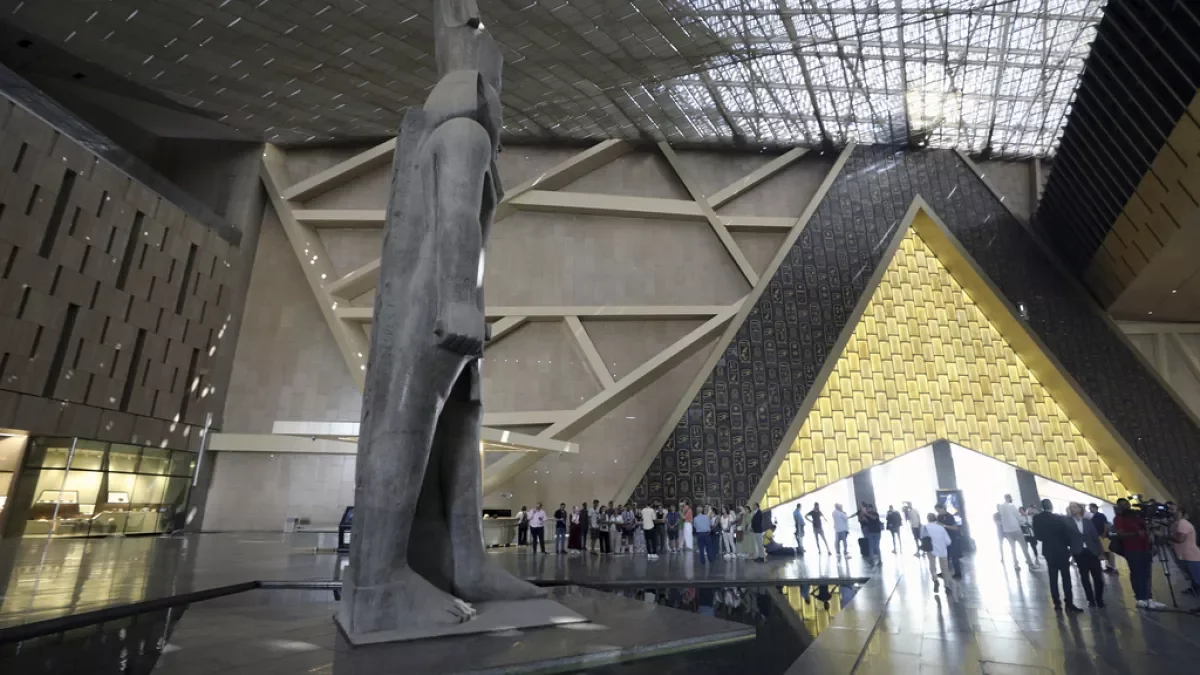
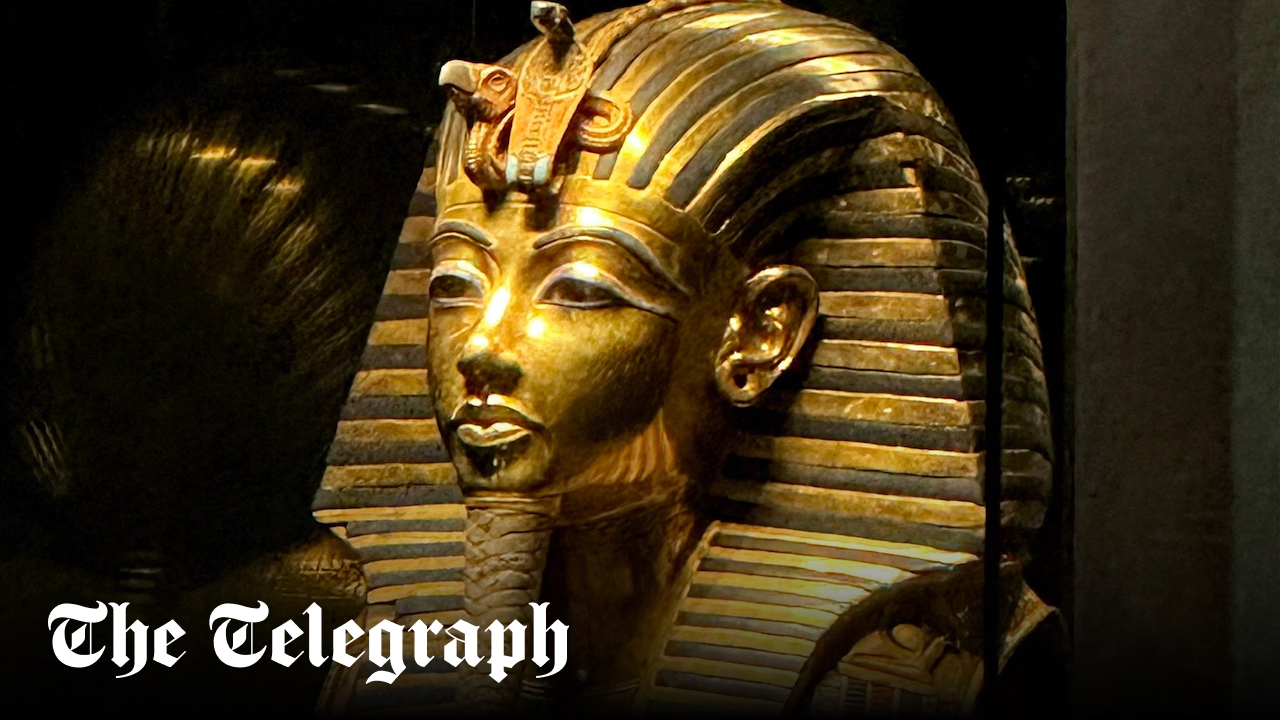
Egypt inaugurated the Grand Egyptian Museum near the Giza pyramids after two decades of construction, showcasing a vast collection of antiquities including treasures from Tutankhamun's tomb, aiming to boost tourism and cultural pride.
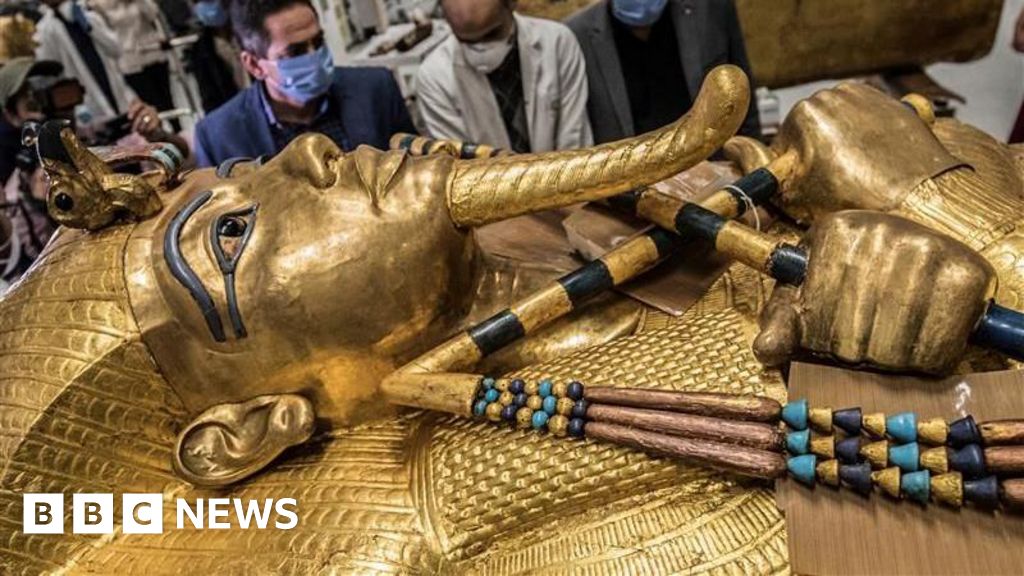
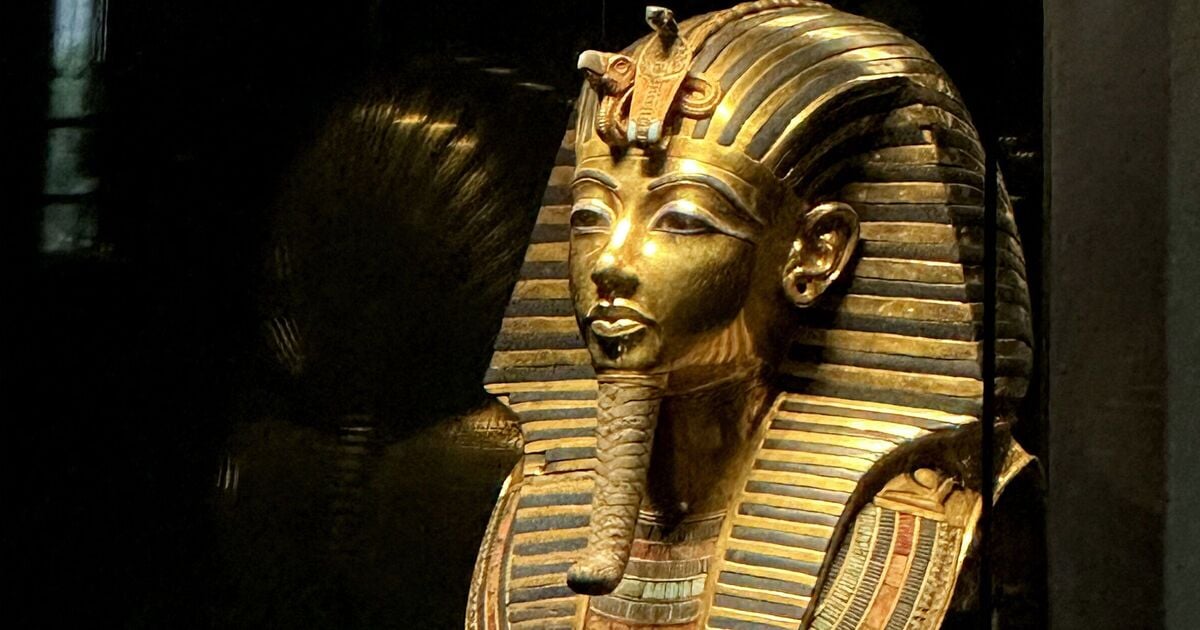
Egypt has opened the Grand Egyptian Museum near Giza, showcasing 100,000 artifacts including the full display of Tutankhamun's tomb for the first time, aiming to boost tourism and cultural pride, while also fueling calls for the repatriation of Egyptian antiquities held abroad.
The Grand Egyptian Museum, the world's largest dedicated to Ancient Egypt, opens its doors with over 100,000 artefacts, including treasures from Tutankhamun's tomb, offering a blend of ancient history and modern sustainable design, and aims to attract up to five million visitors annually.
Scientists have identified a toxic fungus, Aspergillus flavus, in Tutankhamun's tomb that produces compounds similar to chemotherapy drugs, potentially revolutionizing cancer treatment and dispelling the myth of the pharaoh's curse.
Scientists have discovered that the fungus Aspergillus flavus, found in Tutankhamun's tomb, produces compounds called asperigimycins that show promise in treating leukemia by disrupting cancer cell division, highlighting the potential of natural products in drug discovery.
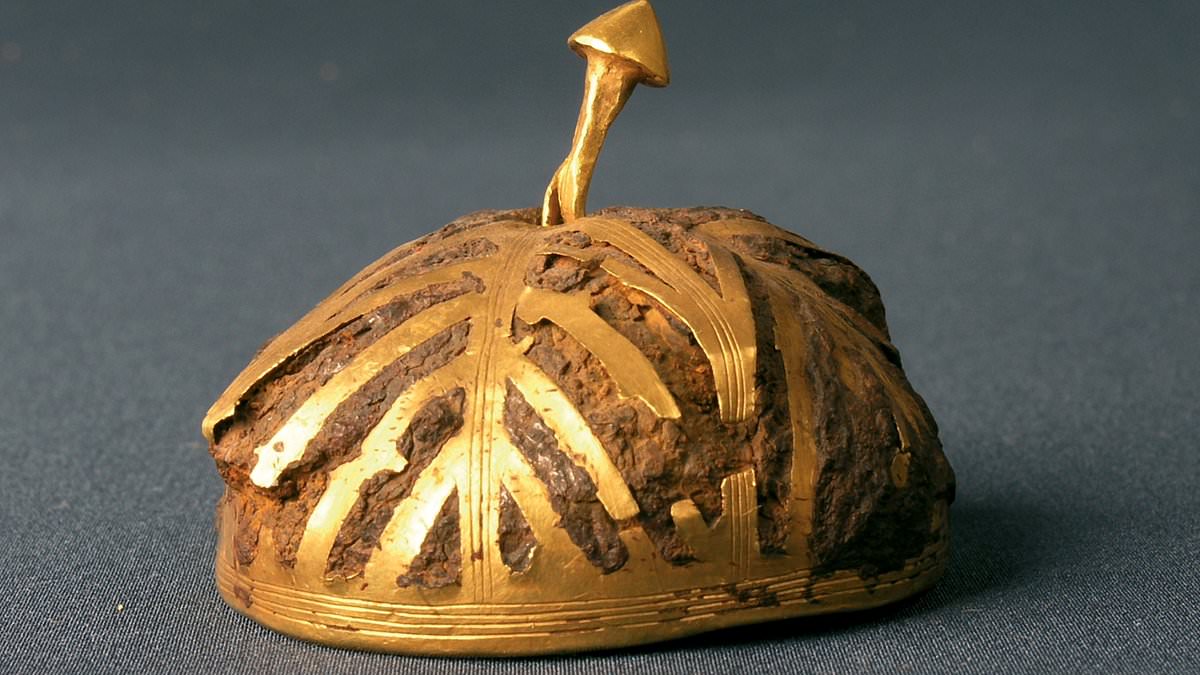
A new analysis of the 3,000-year-old Treasure of Villena in Spain has revealed that some of the artifacts were made with meteoric iron, suggesting the use of extraterrestrial materials in ancient jewelry-making. The hoard, discovered in 1963, includes gold-plated objects such as a cap and bracelet containing the alien metal, likely from a meteor that crashed into Earth one million years ago. This finding sheds light on the transition from stone to bronze in ancient societies and suggests that using fallen meteorites to fashion objects was a common practice thousands of years ago, as seen in similar artifacts found in Tutankhamun's tomb.