
Tag

Tumour Classification

All articles tagged with #tumour classification

"Rethinking Cancer Terminology: Addressing Fear and Misconceptions"

Originally Published 1 year ago — by Nature.com

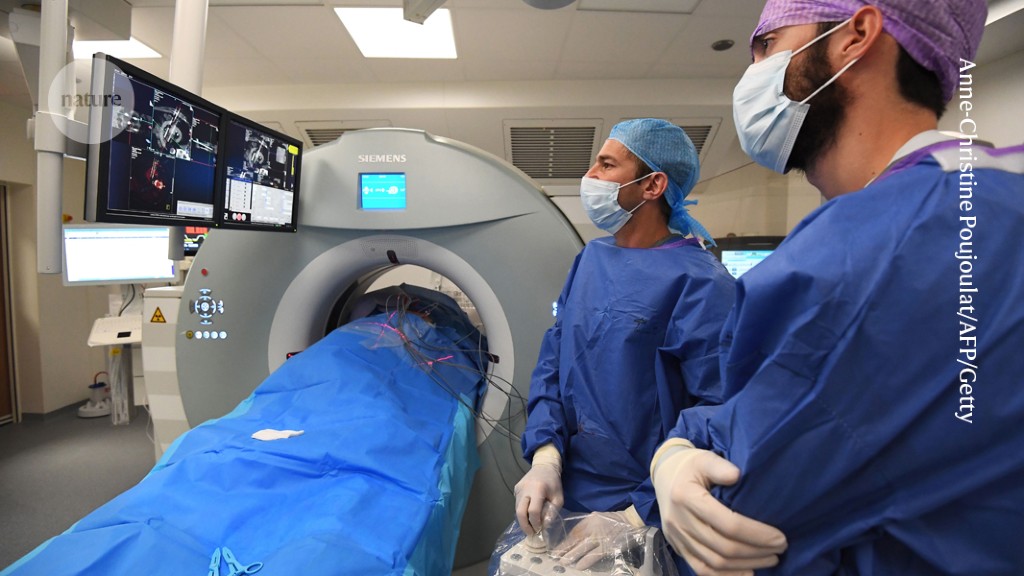
Featured image for "Rethinking Cancer Terminology: Addressing Fear and Misconceptions"
Source: Nature.com

The traditional method of classifying cancers based on their organ of origin is hindering progress in cancer treatment and causing delays in accessing effective drugs for patients with specific molecular alterations. Shifting towards a molecular-based classification system would allow for more targeted and effective treatments, necessitating changes in medical oncology, education, and access to molecular testing. Regulatory agencies, scientific societies, and insurance companies need to redefine evidence requirements for treatment decisions, while hospitals and universities should restructure oncology to prioritize molecular analysis. Medical education should focus on molecular understanding of cancer, and access to molecular testing needs to be improved to enable widespread adoption of molecular-based classifications.
Advancements in AI for Real-Time Brain Tumor Diagnosis and Classification

Originally Published 2 years ago — by Nature.com

Featured image for Advancements in AI for Real-Time Brain Tumor Diagnosis and Classification
Source: Nature.com

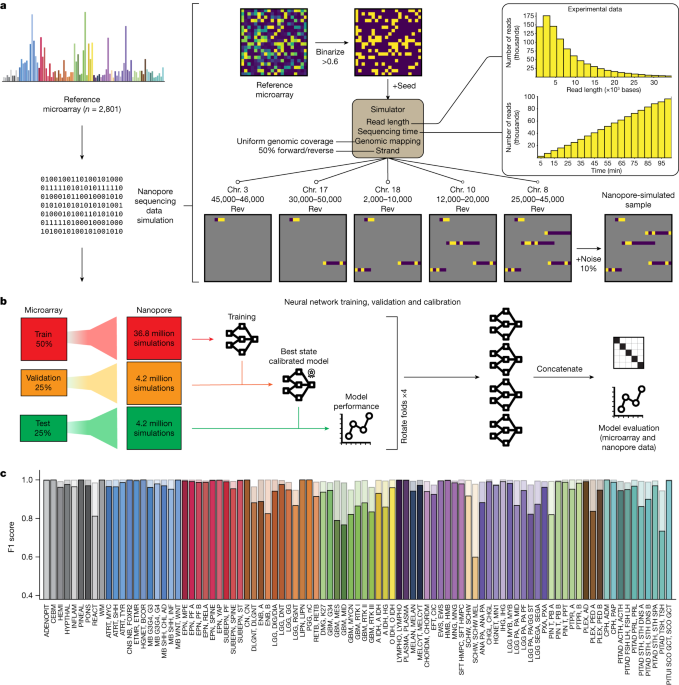
Researchers have developed a neural network classifier called Sturgeon that can rapidly classify central nervous system (CNS) tumours during surgery using nanopore DNA sequencing. The classifier, trained on simulated nanopore sequencing data, demonstrated high accuracy in classifying tumour samples based on methylation profiles, even with limited sequencing data. The study showed that Sturgeon could provide a molecular diagnosis within 25-50 minutes of sequencing, allowing for real-time decision-making during surgery. The classifier was also validated on real nanopore-sequenced samples, further confirming its robustness and accuracy. This technology has the potential to improve surgical strategies and reduce the need for additional surgeries in CNS tumour patients.