The University of Austin (UATX) has launched with a focus on ideological openness, free speech, and free tuition, aiming to disrupt traditional higher education by fostering a culture of open debate and intellectual diversity. Founded by academics frustrated with current campus cultures, UATX seeks to counteract what they see as a stifling of free expression in universities. The institution emphasizes merit over diversity in admissions and has attracted both conservative and liberal supporters. While some criticize it as a right-wing initiative, UATX claims to prioritize intellectual exploration over political alignment.
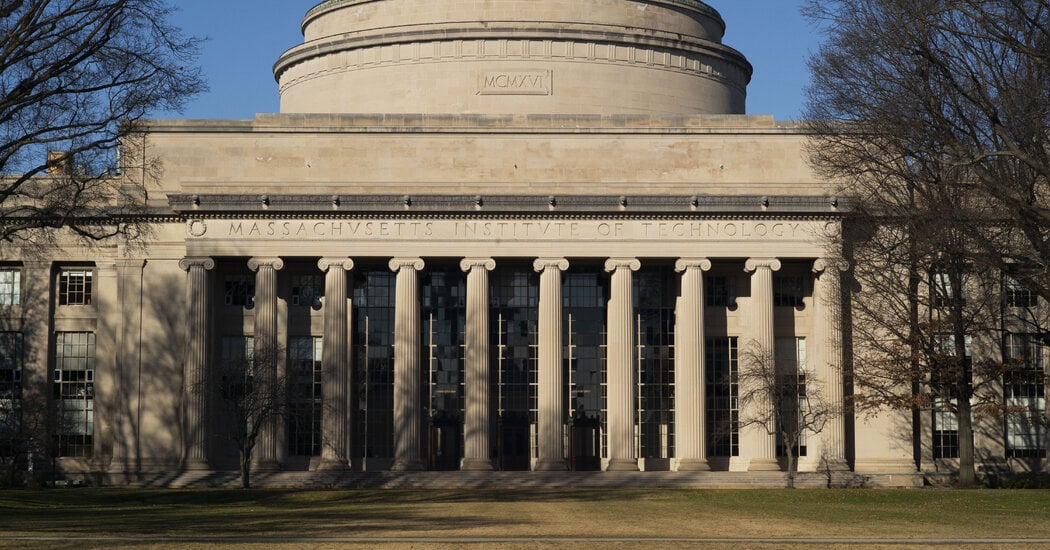
MIT has announced that it will offer free tuition to undergraduate students from families earning less than $200,000 annually, expanding its financial aid program to make higher education more accessible.
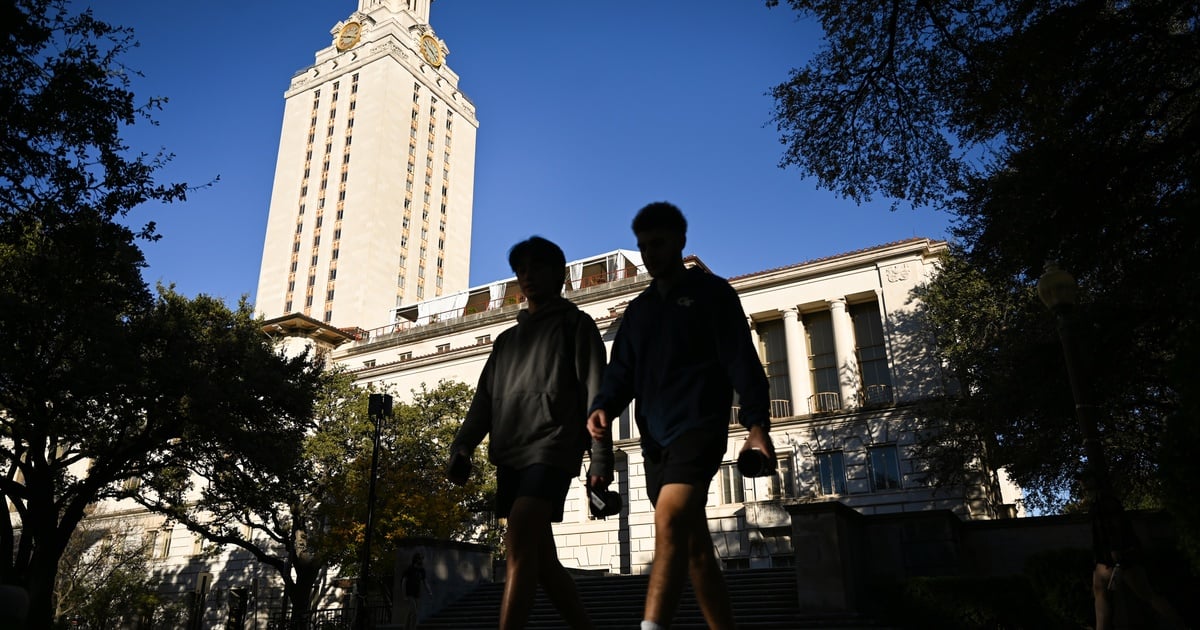
The University of Texas System is expanding its free tuition program to cover all undergraduate students whose families earn $100,000 or less, starting next fall. This expansion, pending final approval, will be funded by a $35 million allocation and aims to make college more affordable and reduce student debt. The initiative builds on previous efforts, such as the Promise Plus Program, to increase access to higher education for low-income students across the UT system's nine universities.
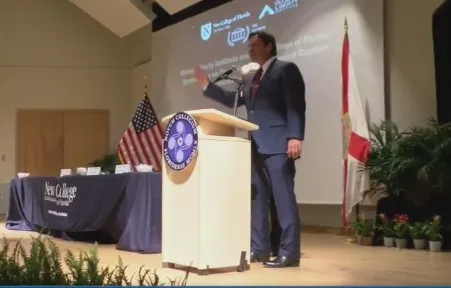
Florida Governor Ron DeSantis criticized out-of-state universities for allowing student protests on issues like Israel and Hamas, claiming such ideologies corrupt academic institutions. He emphasized the importance of teaching students to pursue truth and think critically, and highlighted Florida's affordable tuition and resistance to ideological "toxicity."
Despite the soaring "sticker" prices of college tuition, a new report reveals that few students actually pay the full advertised cost, as colleges provide financial aid to income-eligible students and merit aid to more affluent families. On average, private nonprofit colleges cut tuition by more than half for first-time undergraduates, making the sticker prices an unreliable indicator of what families will actually pay. The report emphasizes the need for a better system of setting and communicating college prices to help students make informed decisions about educational investments.
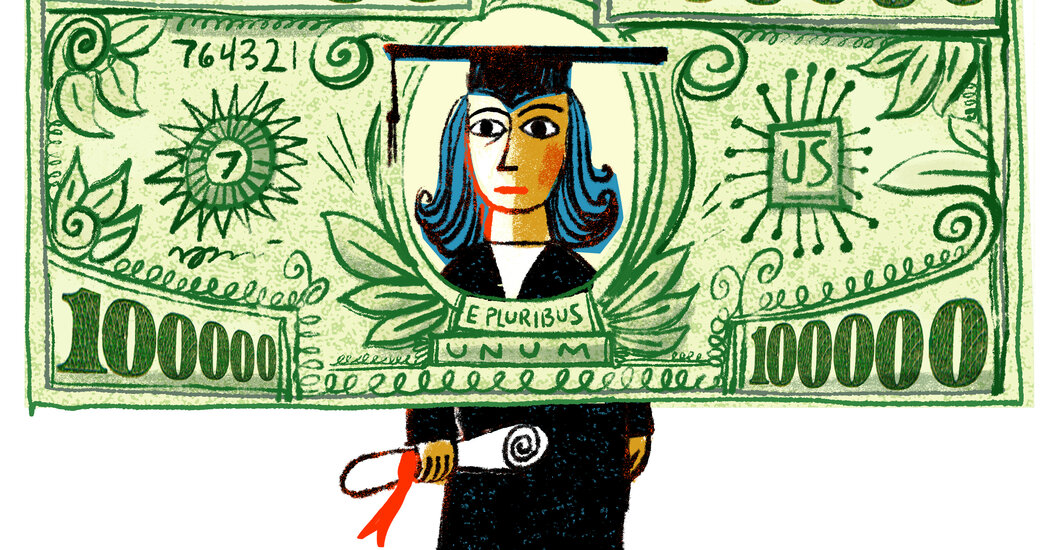
Vanderbilt University has quoted its cost of attendance at nearly $100,000 a year for some students, including room, board, personal expenses, and a high-end laptop. This high cost is an anomaly, but a few dozen other selective colleges may reach this threshold soon. The average list price for tuition, fees, housing, and food at private nonprofit four-year schools was $56,190, and $24,030 for in-state students at public colleges in 2023-24. However, many students do not pay the full list price due to receiving grant aid, with a significant percentage paying nothing for tuition and fees.
The cost of attending some colleges is nearing $100,000 per year, but many families pay significantly less due to financial aid. Sticker prices can be misleading, as about two-thirds of full-time students receive aid, bringing the average out-of-pocket cost down to $28,026. The Free Application for Federal Student Aid (FAFSA) is crucial for accessing federal money, but problems with the new FAFSA have discouraged many students and their families from completing an application. As a result, high school graduates miss out on billions in federal grants, with the Class of 2022 leaving an estimated $3.6 billion of unclaimed Pell Grant dollars on the table.
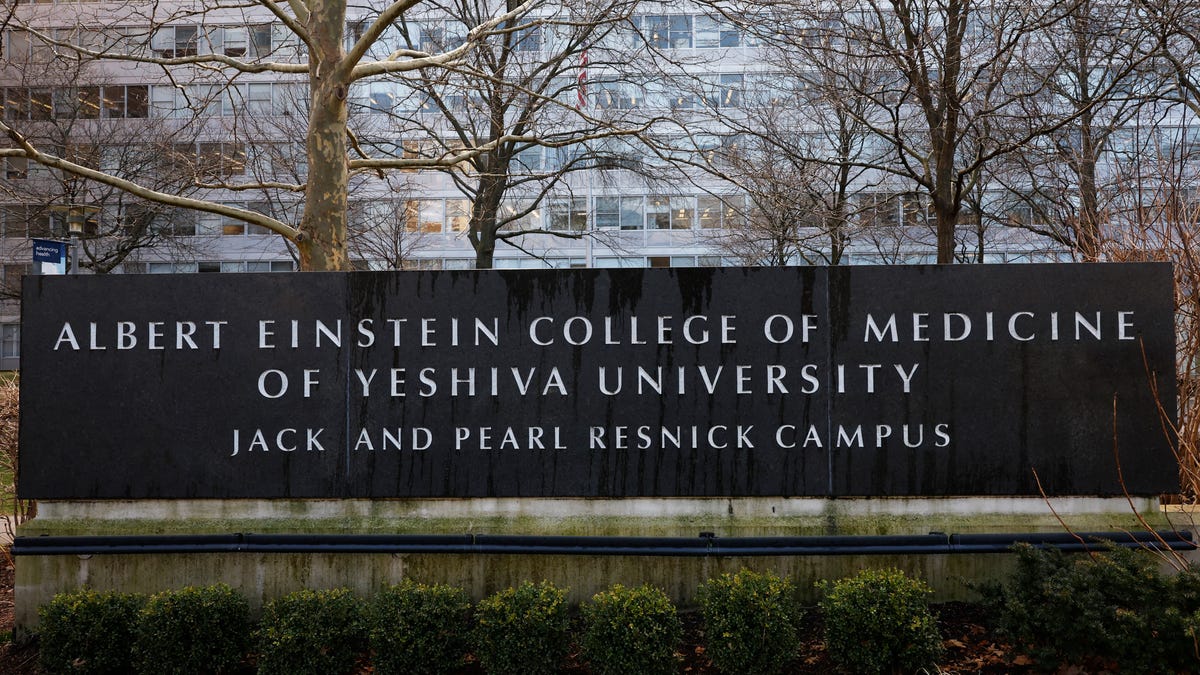
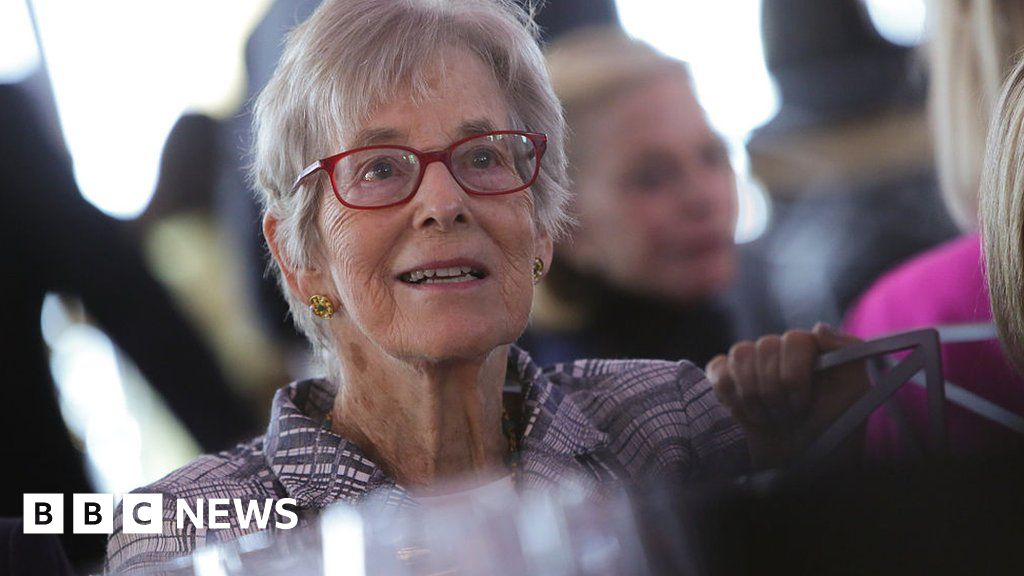
Ruth Gottesman, widow of billionaire David Gottesman, donated $1 billion to the Albert Einstein College of Medicine in the Bronx, covering tuition for students in perpetuity. The donation, the largest made to a medical school, aims to attract students committed to the school's mission and alleviate financial burdens. The money came from David Gottesman's Berkshire Hathaway stock portfolio, and a condition of the gift is that the school cannot change its name.
Albert Einstein College of Medicine in New York City will offer students free tuition after receiving a $1 billion donation from Dr. Ruth Gottesman, the 93-year-old widow of a major Wall Street investor. This is one of the largest donations ever made to a US school and the largest to a medical school. The gift will reimburse current students for their spring 2024 tuition and provide free tuition for all students starting in August. Dr. Gottesman's late husband, David Gottesman, left her a portfolio of Berkshire Hathaway stock with the instructions to "do whatever you think is right with it," leading her to fund students at Einstein with free tuition.
Dr. Ruth Gottesman, a former professor at the Albert Einstein College of Medicine, has donated $1 billion to the Bronx medical school, with instructions to cover tuition for all students going forward. This donation, one of the largest to an educational institution in the United States, is notable not only for its size but also because it is going to a medical institution in the Bronx, the city’s poorest borough. The fortune came from her late husband, David Gottesman, a protégé of Warren Buffett. The donation aims to address the high rate of premature deaths and poor health in the Bronx, and is a significant contribution to the field of medical education.
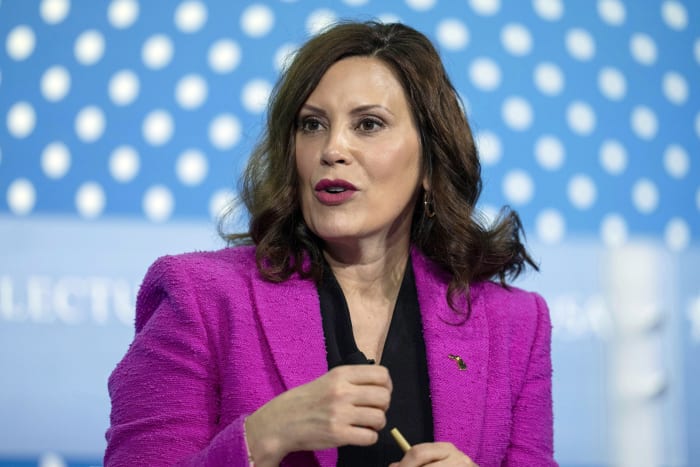
Michigan Governor Gretchen Whitmer plans to propose legislation that would make community college tuition-free for all high school graduates during her State of the State speech. The proposal aims to remove financial barriers and increase access to postsecondary education. Whitmer's administration previously launched the Michigan Reconnect program, which provided free community college tuition to residents aged 25 and older. The program saw significant enrollment and degree completion. The governor now seeks to expand the program to include all high school graduates, with eligibility criteria and a three-year completion timeline. This initiative comes as community college enrollment in Michigan has declined, mirroring a national trend, despite their lower cost compared to four-year universities.
Massachusetts Governor Maura Healey announced that the "Millionaire's Tax" will cover tuition for approximately 25,000 state university and community college students. The tax, which applies to those with an annual income over $1 million, will add $62 million to the MASSGrant Plus program, providing funding for tuition, fees, books, and supplies for Pell Grant-eligible students. The program will also reduce costs for full-time students from families earning between $73,000 and $100,000. The initiative aims to increase access to higher education and strengthen the state's economy.
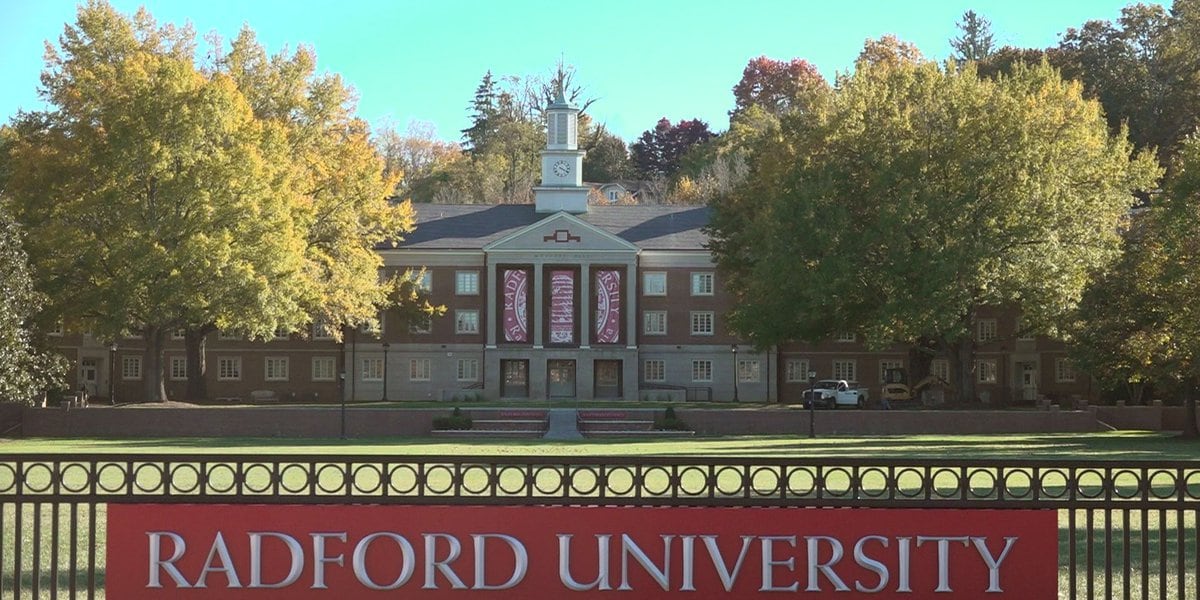
Radford University in Virginia has announced the Radford Tuition Promise program, offering free tuition to many of its in-person undergraduate students. The initiative covers all tuition costs for Virginia residents with a family adjusted gross income of $100,000 or less, potentially benefiting over half of the university's current students. Prospective students must apply and be admitted for fall 2024, submit a Free Application for Federal Student Aid (FAFSA) form, and have a Student Aid Index of less than $15,000. The program aims to remove financial barriers and provide better access to a four-year degree for students in need.
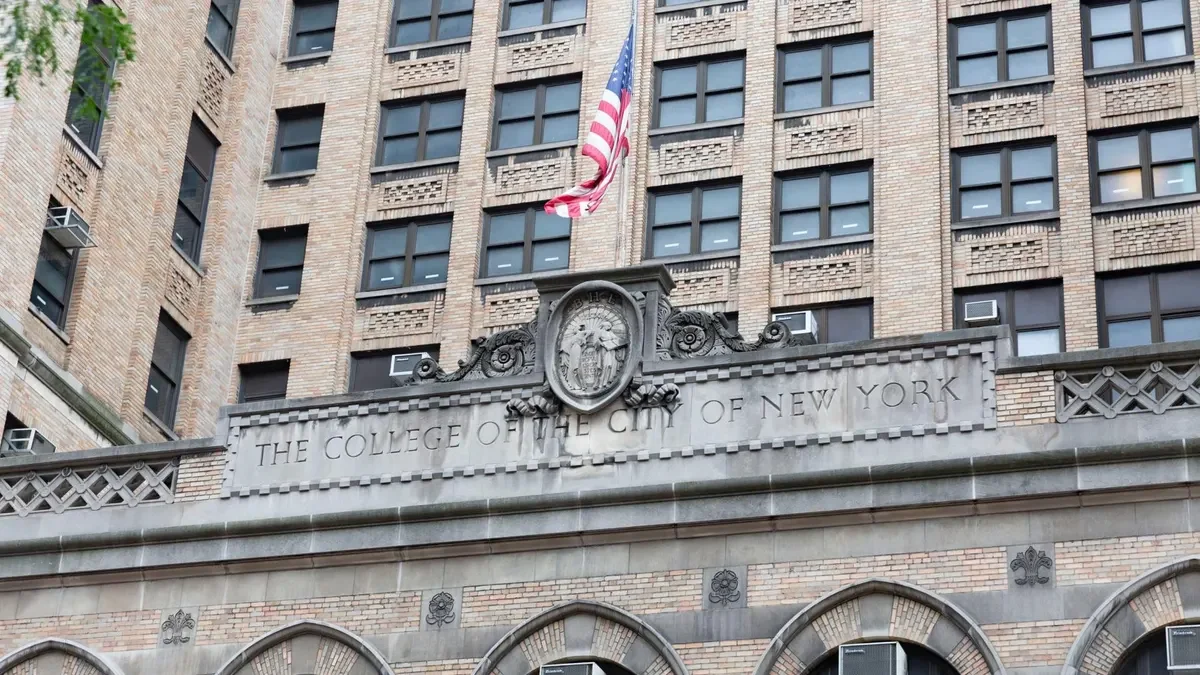
Forbes has compiled a list of 25 colleges that provide a high return on investment for students, taking into account factors such as post-graduate earnings and student debt burden. While Ivy League schools like Princeton University offer excellent ROI due to generous grant policies and high post-graduate salaries, public schools in the City University of New York system and private liberal arts colleges like Pomona and Amherst also make the list by offering degrees with little to no student debt and well-paying job prospects.
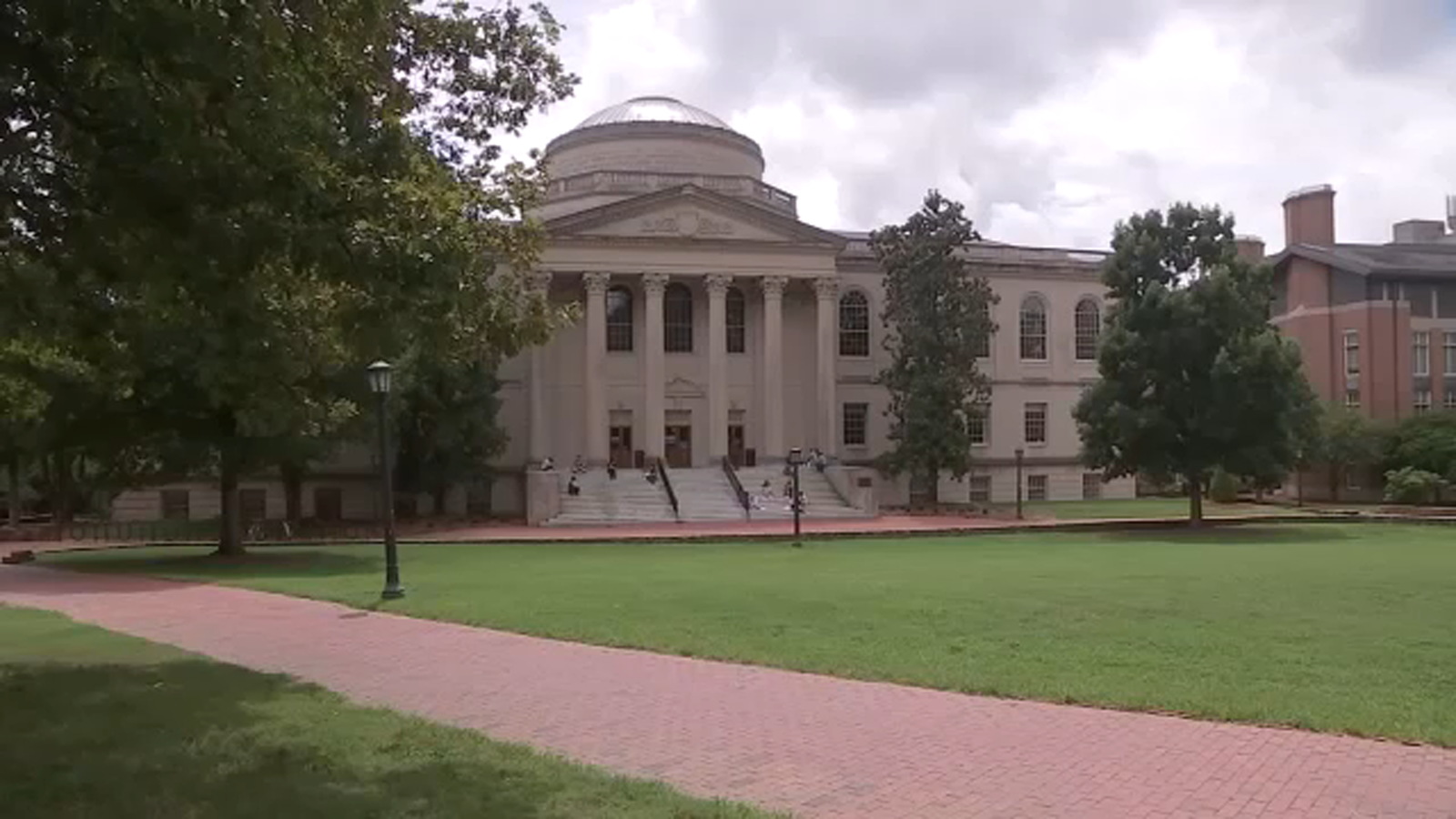
The University of North Carolina (UNC) will provide free tuition and fees for in-state undergraduate students from families with incomes below $80,000 starting with the incoming Class of 2028. UNC aims to ensure that financial constraints do not hinder students from pursuing their dreams. The university will also no longer consider race in admissions decisions, but will still take into account an applicant's lived racial experience to understand their character. UNC plans to hire additional staff to reach out to under-resourced communities and recruit students from across the state.