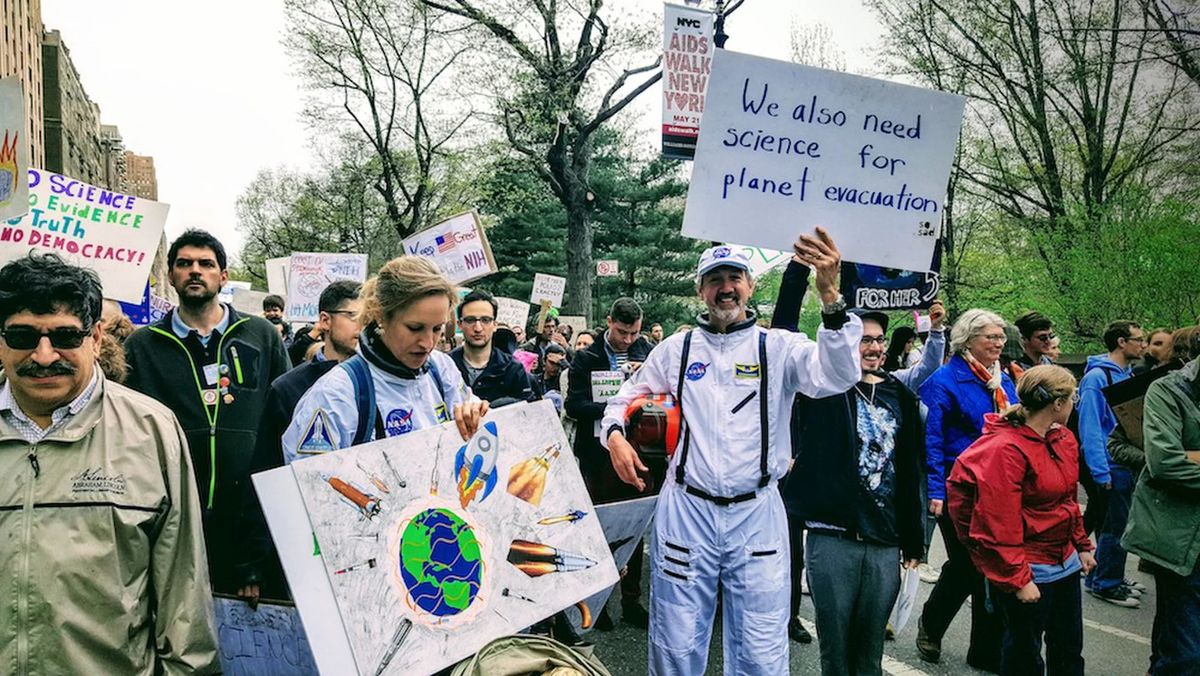
The article critiques the failures and misinformation during the COVID pandemic, highlighting how scientific evidence was ignored, models were flawed, and trust in institutions was shattered, leaving society disoriented and skeptical of official narratives.
A study by Byron Hyde suggests that honesty about scientific failures can decrease public trust, but the solution is not to lie; instead, improving public understanding of science's imperfect nature and normalizing mistakes can foster trust. Hyde emphasizes that overidealizing scientists leads to unrealistic expectations, and better science education is needed to address this issue.
Leaders of five major U.S. medical associations emphasize the safety and effectiveness of vaccines, warning against misinformation and politicization that threaten public health, and pledge to continue advocating for immunizations to prevent disease outbreaks and protect communities.
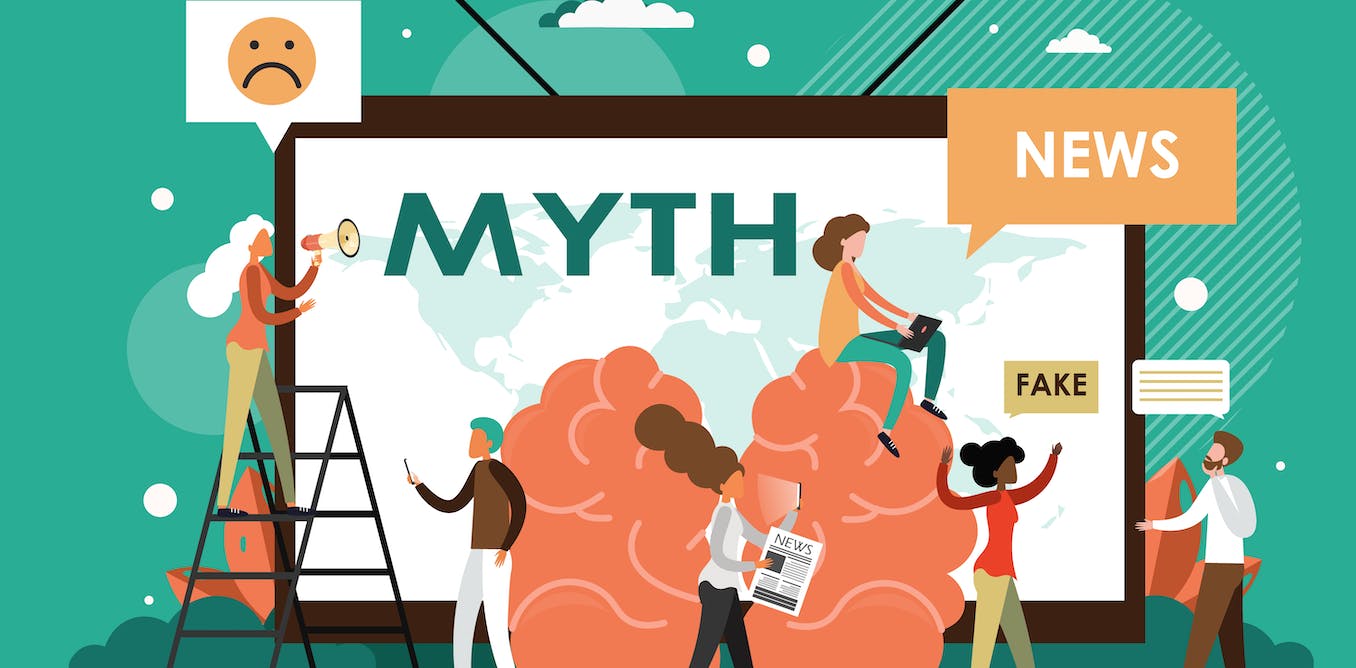
Health misinformation, particularly regarding vaccines, is rampant on social media platforms, leading to a decline in vaccine confidence and the spread of false claims. This misinformation has resulted in significant costs, including preventable deaths and economic losses. The rise of health misinformation can be attributed to declining trust in science and government, as well as the way social media algorithms curate content and limit exposure to diverse perspectives. To combat health misinformation, consumers are advised to check the credibility of sources, examine author credentials, pay attention to the date of information, cross-reference scientific consensus, question sensational claims, prioritize scientific evidence over anecdotes, consult healthcare professionals, and refrain from sharing unverified claims.
In an era of declining trust in science, scientists must change their approach to regain public trust and secure funding. The decrease in funding for scientific research has led to dysfunctional relationships within the scientific community, affecting collaboration, career prospects, and science communication. To rebuild trust, scientists should prioritize long-term research plans over excessive publishing, offer more high-risk/high-reward programs, reduce the number of short-term postgraduate positions, and improve science communication through training and direct engagement with the public. These efforts can help restore trust, secure funding, and ensure the future of science.