Tag

Tridentinosaurus Antiquus

All articles tagged with #tridentinosaurus antiquus

"Exposed: The 280-Million-Year-Old Fossil Forgery"
paleontology2 years ago

"Exposed: The 280-Million-Year-Old Fossil Forgery"

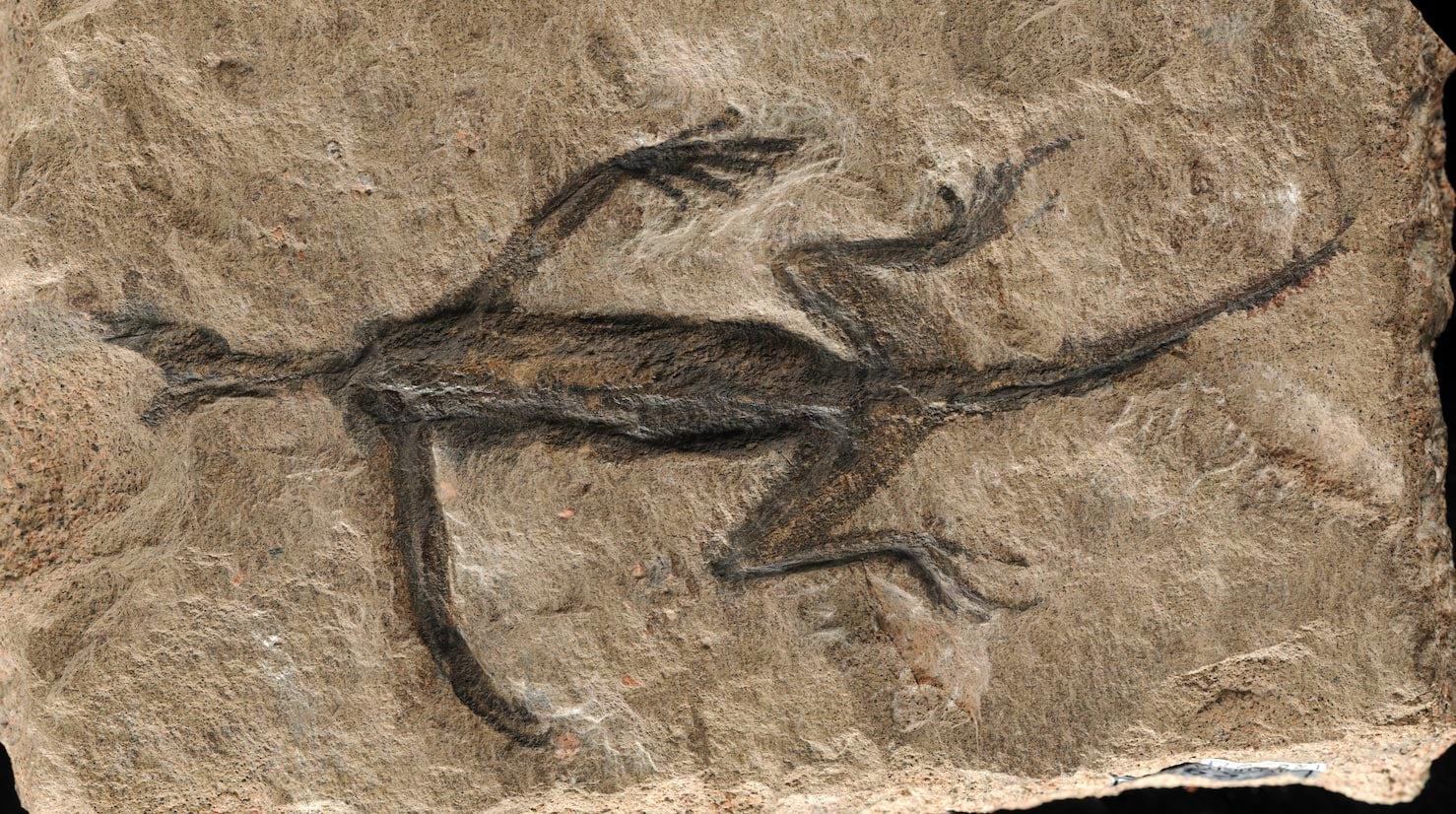
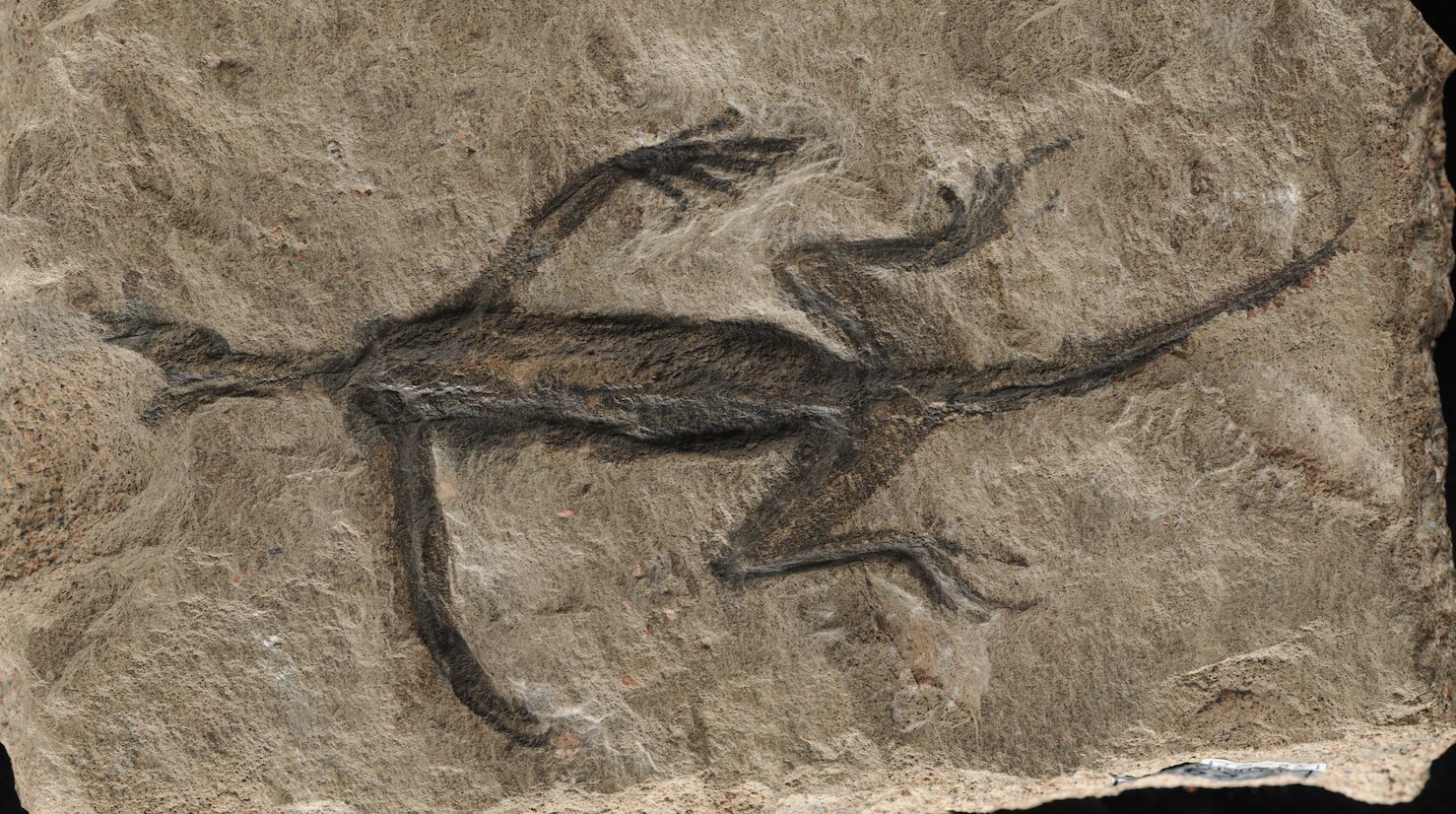
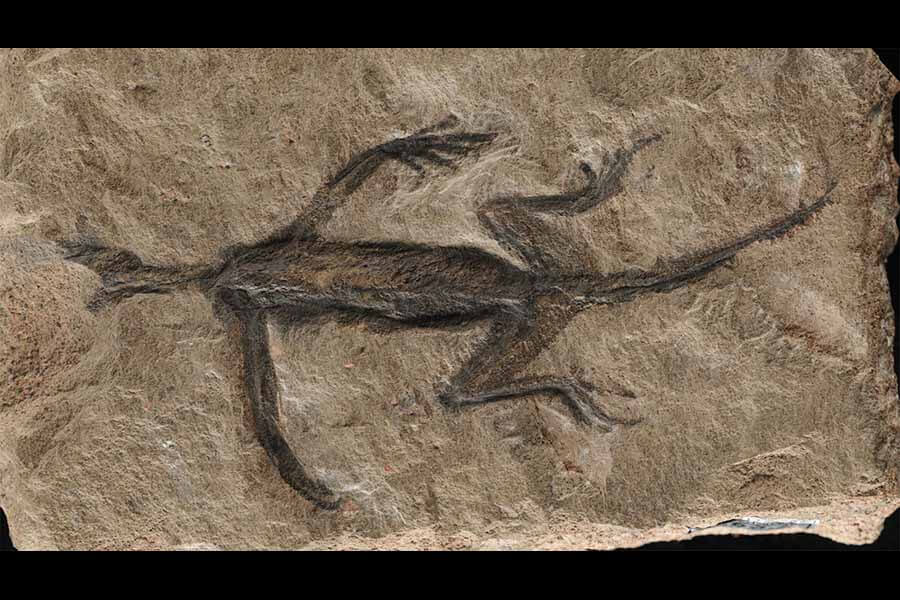
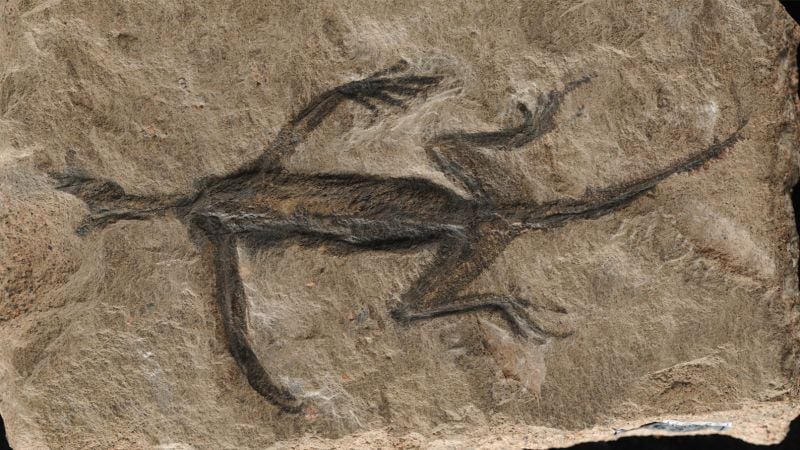
The 280m-year-old fossil reptile, Tridentinosaurus antiquus, discovered in the Italian Alps in 1931, has been revealed as a forgery after modern imaging techniques uncovered that it is a carving covered in black paint. Dr. Valentina Rossi and her team used ultraviolet photography to expose the fake, highlighting a growing problem of counterfeit fossils in the market. They are calling for tighter regulations to protect the fossil record, including outlawing painting over fossils.
"Debunking the Myth: Uncovering the Truth Behind a Famous Fossil"
paleontology2 years ago

"Debunking the Myth: Uncovering the Truth Behind a Famous Fossil"

A 280 million-year-old fossil, believed to be a well-preserved ancient reptile, has been revealed as a forgery, with black paint covering a couple of bones and carved rock. The fossil, known as Tridentinosaurus antiquus, was initially thought to provide insight into reptile evolution, but new research has uncovered the forgery. The revelation underscores the importance of reexamining old fossil specimens using advanced technological methods, and while the true nature of the bones and rock is being studied, it remains uncertain whether the forgery was intentional.

"Exposed: The Truth Behind the Famous 280-Million-Year-Old Fossil"
paleontology2 years ago

"Exposed: The Truth Behind the Famous 280-Million-Year-Old Fossil"

A 280 million-year-old fossil believed to be a well-preserved ancient reptile is revealed to be a forgery, with black paint covering a couple of bones and carved rock. The fossil, known as Tridentinosaurus antiquus, was initially discovered in the Italian Alps in 1931 and was thought to provide insight into early reptile evolution. However, new research using advanced techniques has uncovered the forgery, shedding light on the importance of reexamining old fossil specimens in museum collections.

"Unveiling the Truth: The 280-Million-Year-Old Fossil Forgery Revealed"
paleontology2 years ago

"Unveiling the Truth: The 280-Million-Year-Old Fossil Forgery Revealed"

A 280-million-year-old fossil, Tridentinosaurus antiquus, discovered in the Italian Alps in 1931 and thought to show preserved soft tissues, has been revealed to be partly a forgery with its body outline being painted. New research led by Dr. Valentina Rossi of University College Cork uncovered the deception, cautioning against its use in future studies. While the fossil's body outline is artificial, the bones of the hindlimbs and tiny bony scales called osteoderms are genuine, shedding light on the reptile's anatomy.

"Renowned 280-Million-Year-Old Fossil Revealed as Painted Forgery"
paleontology2 years ago

"Renowned 280-Million-Year-Old Fossil Revealed as Painted Forgery"

A 280 million-year-old reptilian fossil discovered in the Italian Alps, known as Tridentinosaurus antiquus, has been revealed to be a forgery due to the presence of bone-black paint creating the illusion of preserved soft tissue. The fossil, discovered in 1931, was believed to be a significant find for understanding early reptile evolution, but a recent analysis using advanced techniques concluded that the dark outline surrounding the skeleton is not genuine. This discovery highlights the importance of careful analysis and reporting of fossil finds to prevent misinformation and irreversible damage to specimens.

"Renowned Fossil Revealed as Painted Rock in Paleontological Analysis"
paleontology2 years ago

"Renowned Fossil Revealed as Painted Rock in Paleontological Analysis"

A renowned 280-million-year-old fossil, Tridentinosaurus antiquus, discovered in the Italian Alps in 1931 and thought to show preserved soft tissues, has been revealed to be partly a forgery, with its body outline being painted. New research led by Dr. Valentina Rossi of University College Cork, Ireland, shows that the fossil's celebrated soft tissues are mostly black paint on a carved lizard-shaped rock surface, cautioning against its use in future studies. However, genuine bones and tiny bony scales have been identified, demonstrating how modern analytical paleontology can resolve long-standing enigmas.