The US wholesale inflation in June was stable overall, with a notable decline in travel and services prices due to reduced travel demand, while the cost of goods increased, reflecting the complex impact of tariffs and consumer behavior amid economic uncertainty.
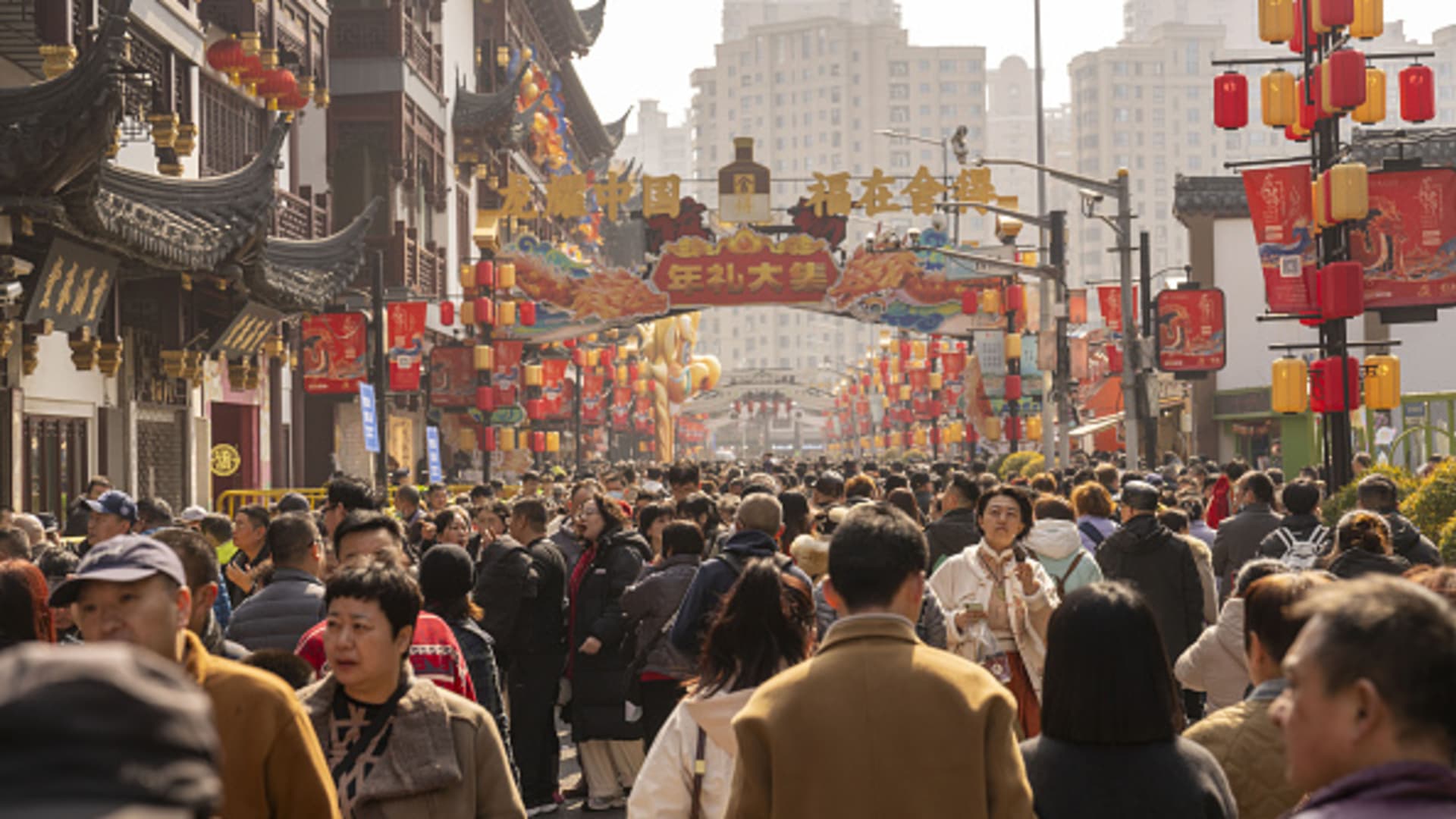
China's Lunar New Year holiday saw a surge in travel activity and spending, with 474 million domestic trips and 632.7 billion yuan ($87.95 billion) spent, surpassing pre-pandemic levels. This signals a potential revival in consumption in the world's second-largest economy. However, analysts caution that the strong data may reflect pent-up demand and a low base from the previous year, and the sustainability of the travel bump remains uncertain. Policymakers in China have been working to boost domestic consumption amid deflationary pressures, and market participants are watching for potential stimulus measures to support the economy and spending.
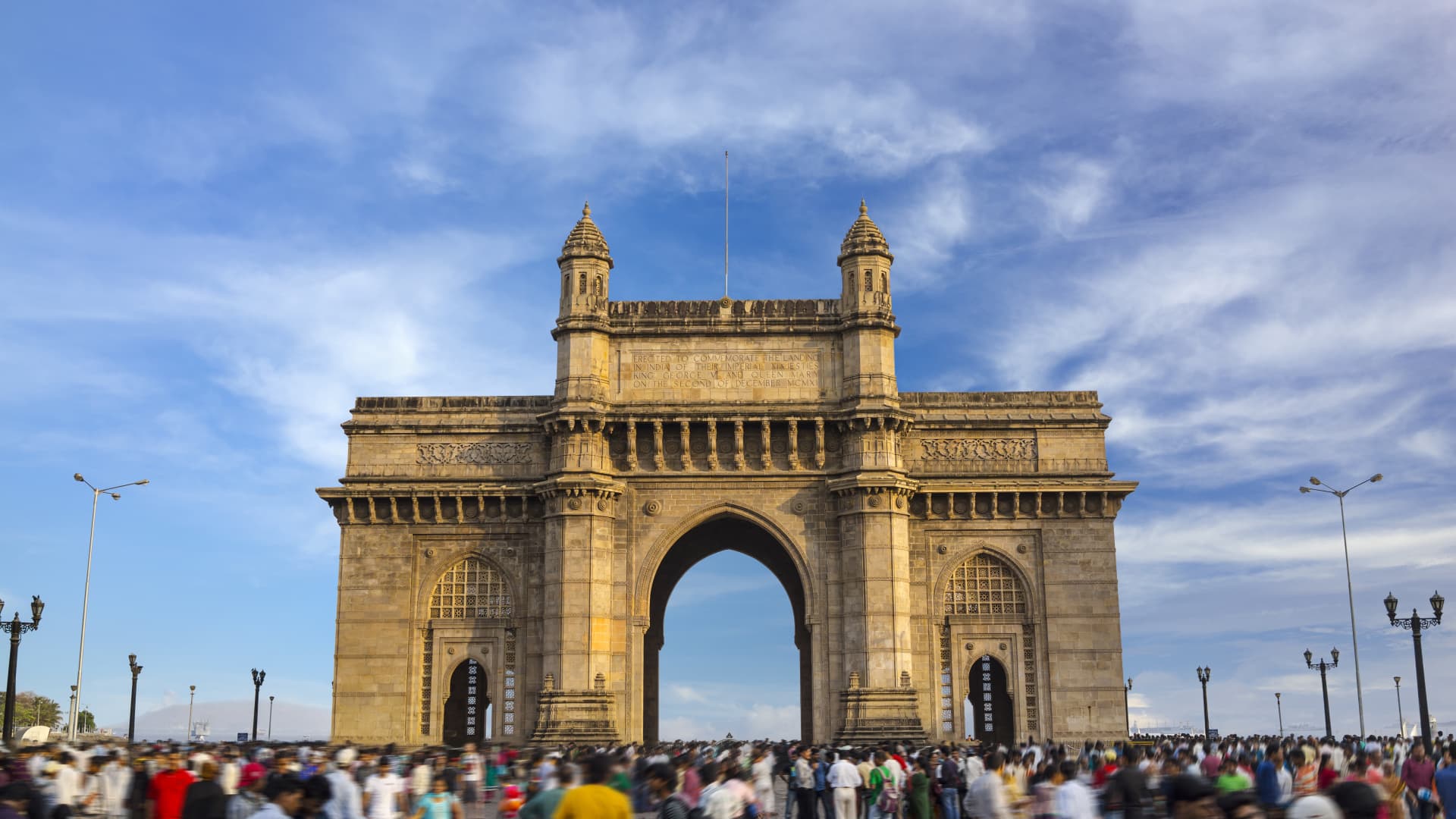
Indians are spending a significant amount on travel, but the majority of their travel expenses are being spent domestically rather than internationally. Research shows that only about 1% of Indian travelers ventured abroad in 2022, with the remaining 99% opting for domestic trips. By 2030, Indian travelers are projected to take 5 billion leisure trips, with 99% of those trips still being within the country. The growth in travel spending is attributed to a growing middle-income population and a young demographic. Additionally, smaller cities in India are gaining popularity among tourists, with international hotel chains expanding their presence in Tier 2 and Tier 3 cities. The top international destinations for Indian travelers include Dubai, Bangkok, Singapore, London, and Paris.