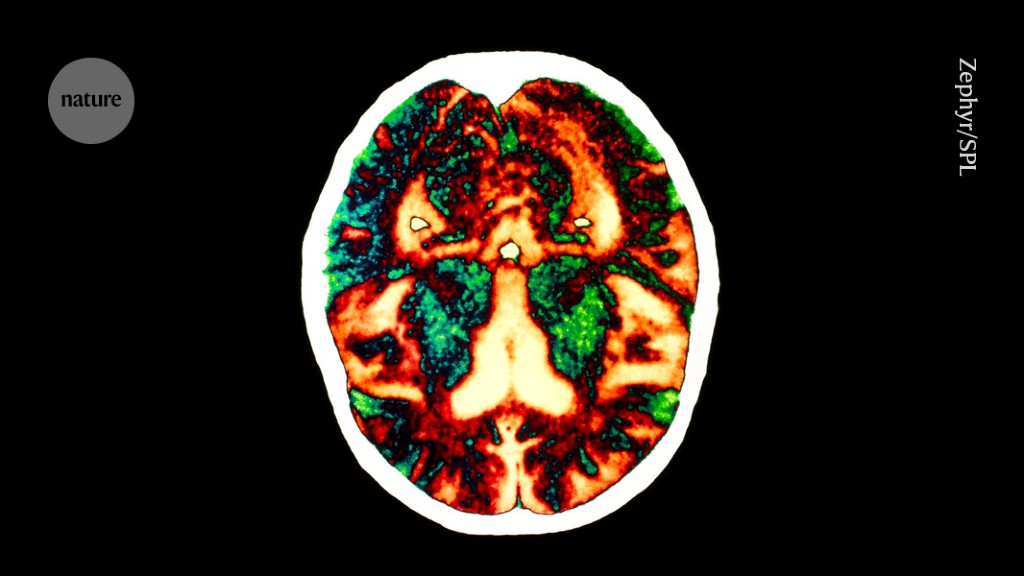
"Uncovering Transmissible Alzheimer's: Rare Cases and Medical Accidents"
A study suggests that sticky proteins linked to Alzheimer's disease may have been transmitted through cadaver-derived growth hormone treatments, leading to signs of early-onset dementia in some recipients. The research, based on a small number of cases, indicates that amyloid-beta proteins present in the hormone preparations may have caused brain damage. While the study has limitations and the findings are not conclusive, it raises questions about the potential transmissibility of Alzheimer's disease through biological material. However, experts caution that the study's small size and the presence of other medical conditions in the recipients make it difficult to draw definitive conclusions, and emphasize that there is currently no need for public concern regarding transmissible dementia.