Scientists Discover a Potentially Habitable Super-Earth in a New Exoplanetary Frontier
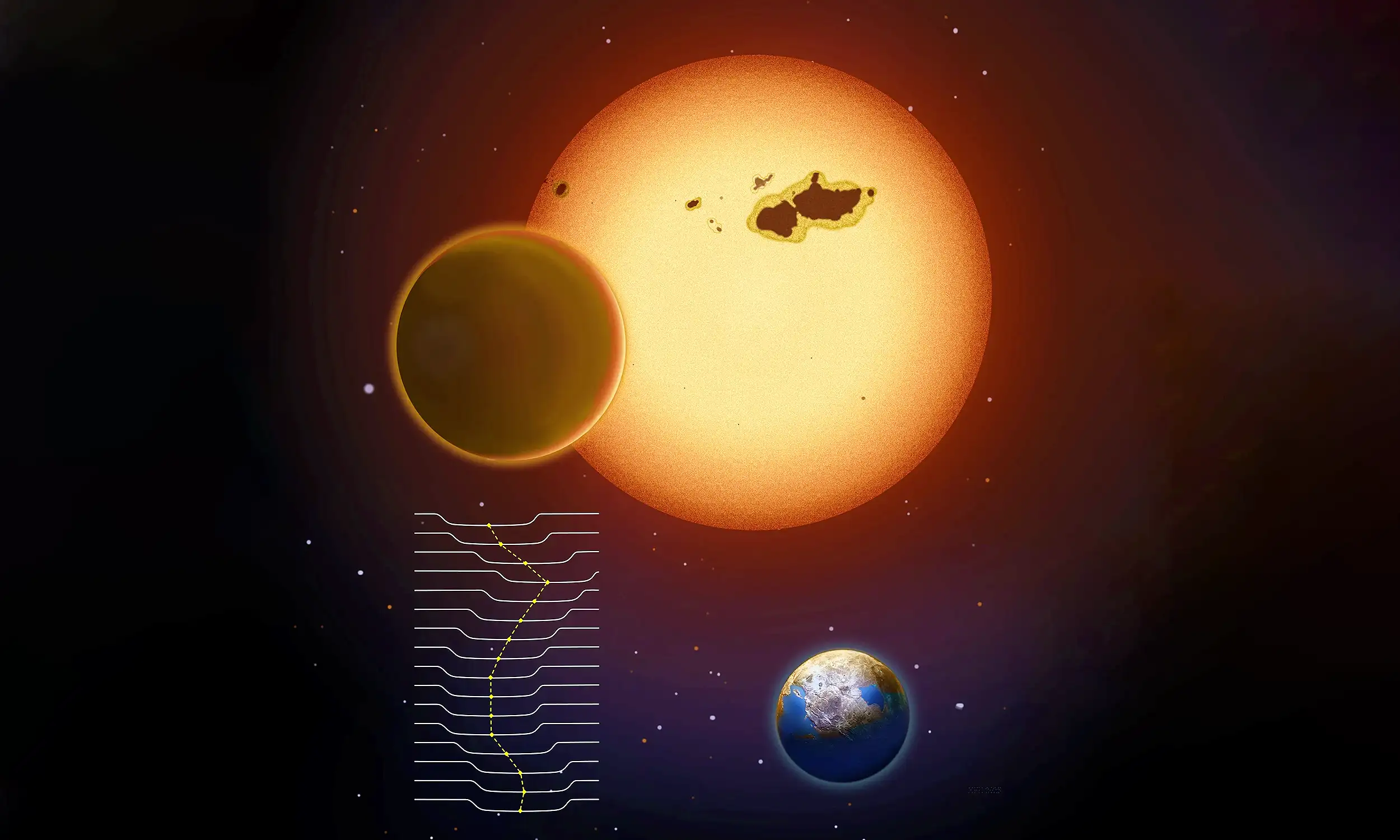
Scientists have discovered a super-Earth named Kepler-725c in the habitable zone of its star using the transit timing variation method, which allows detection of planets that are otherwise difficult to observe directly. This planet, about 2,472 light years away, could potentially support life due to its location and size, marking a significant step in the search for Earth-like worlds beyond our solar system.