The US and EU have agreed on a Framework for reciprocal, fair, and balanced trade, including tariff eliminations, increased market access, cooperation on energy and security, and measures to address non-tariff barriers, aiming to strengthen their economic relationship and reindustrialize their economies.
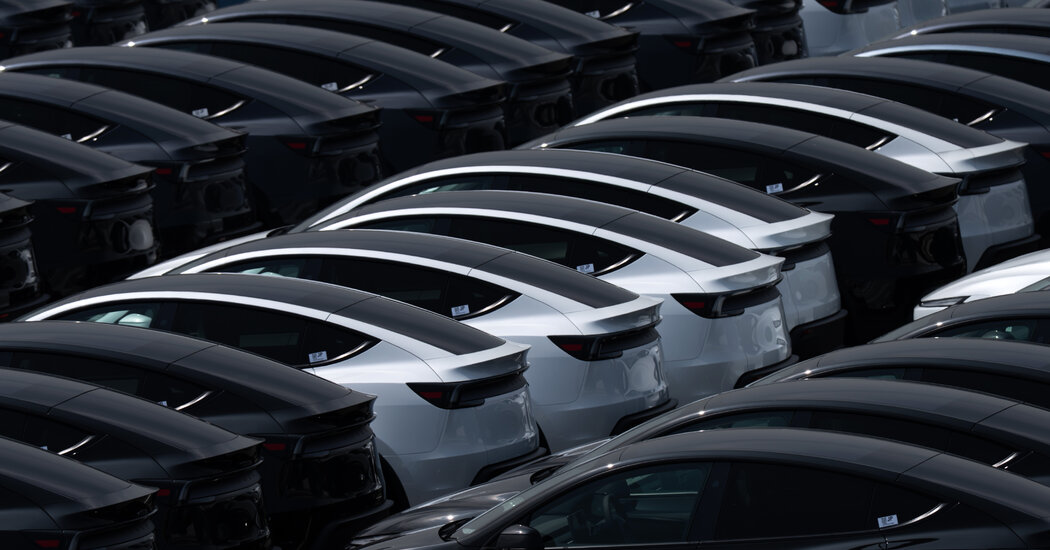
President Trump celebrates Japan's pledge to open its markets to more American cars, a move he views as a victory in his long-standing effort to address trade imbalances, but experts question how much impact this will have given Japan's limited imports of U.S. vehicles and ongoing trade tensions.
The US and Indonesia have agreed to a framework for a reciprocal trade agreement that aims to eliminate tariffs, address non-tariff barriers, and enhance economic cooperation, including commitments to improve market access, protect labor and environmental standards, and facilitate digital trade and investment, with several major commercial deals anticipated.
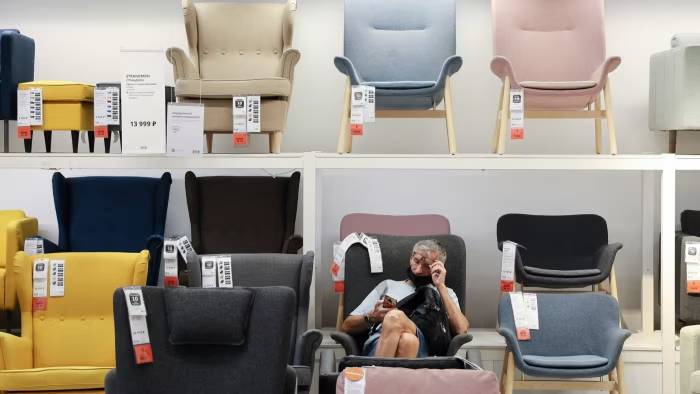
Ikea's net profit nearly halved to €806 million due to efforts to shield consumers from inflation and costs related to its exit from Russia. The company is concerned about potential tariffs from a Trump administration, which could impact its pricing strategy. Despite these challenges, Ikea aims to maintain affordability and has invested €2.1 billion in price cuts. The US, Ikea's second-largest market, could be affected by trade barriers, but the company remains focused on long-term affordability and supply chain flexibility.
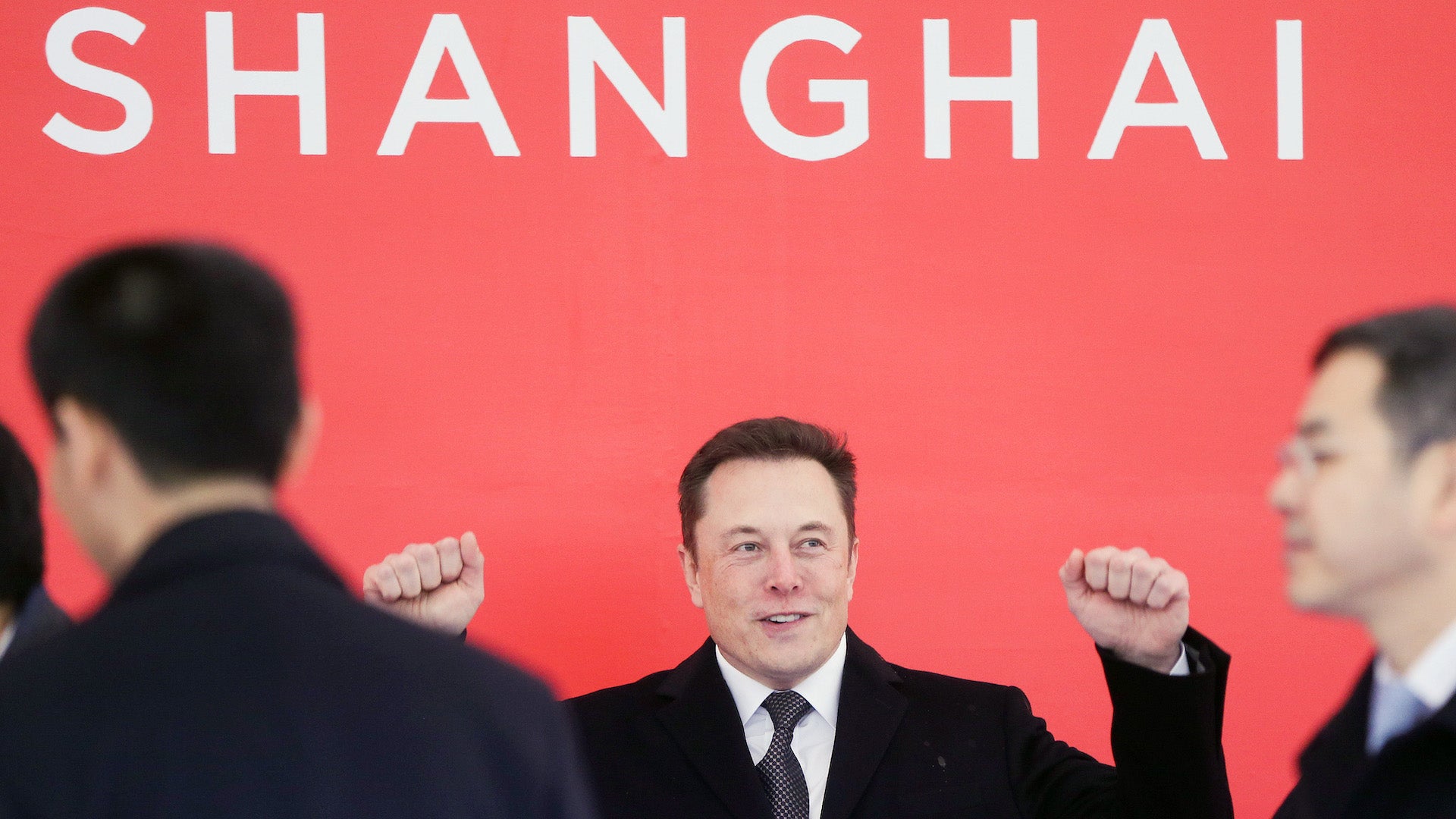
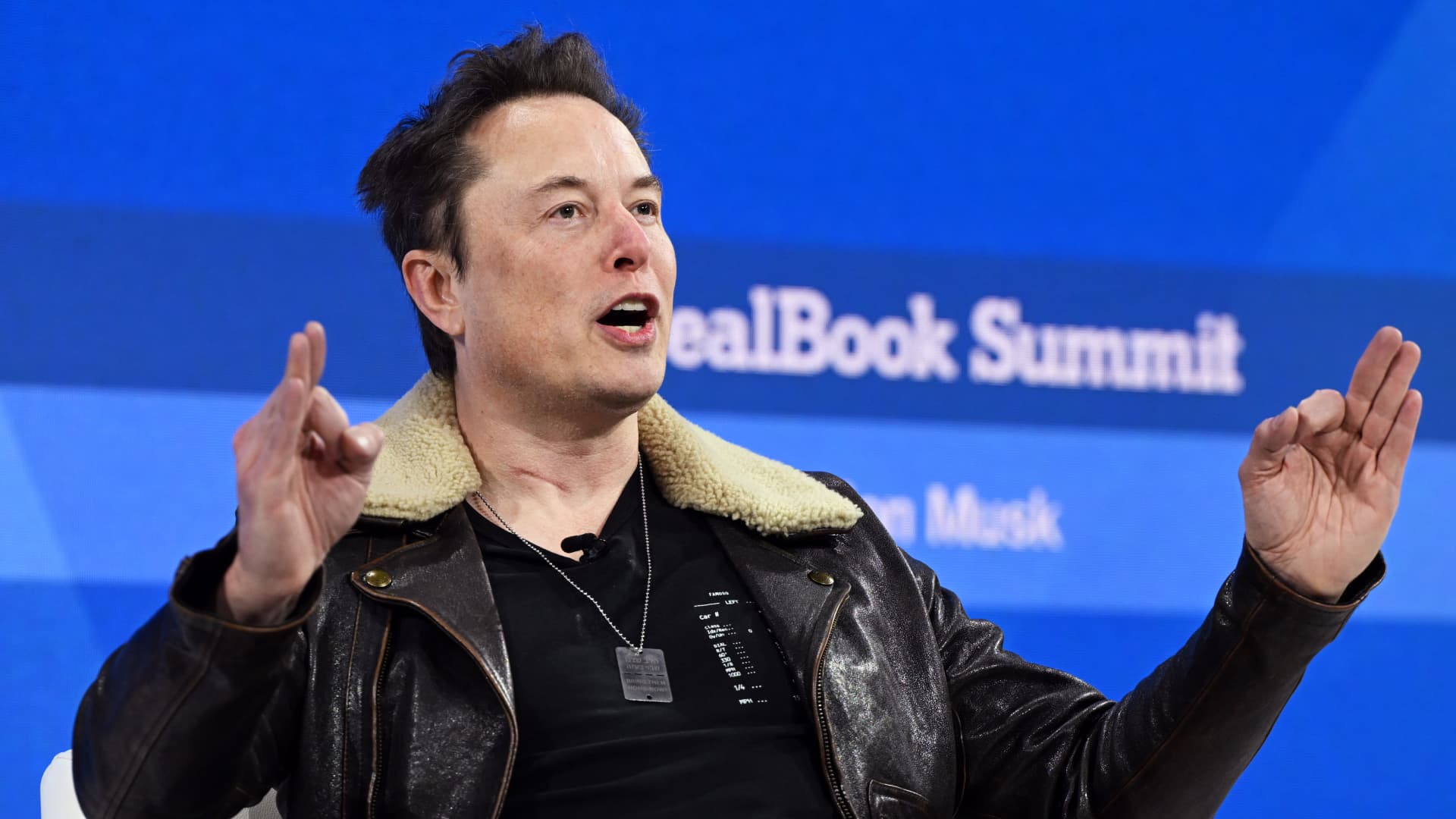
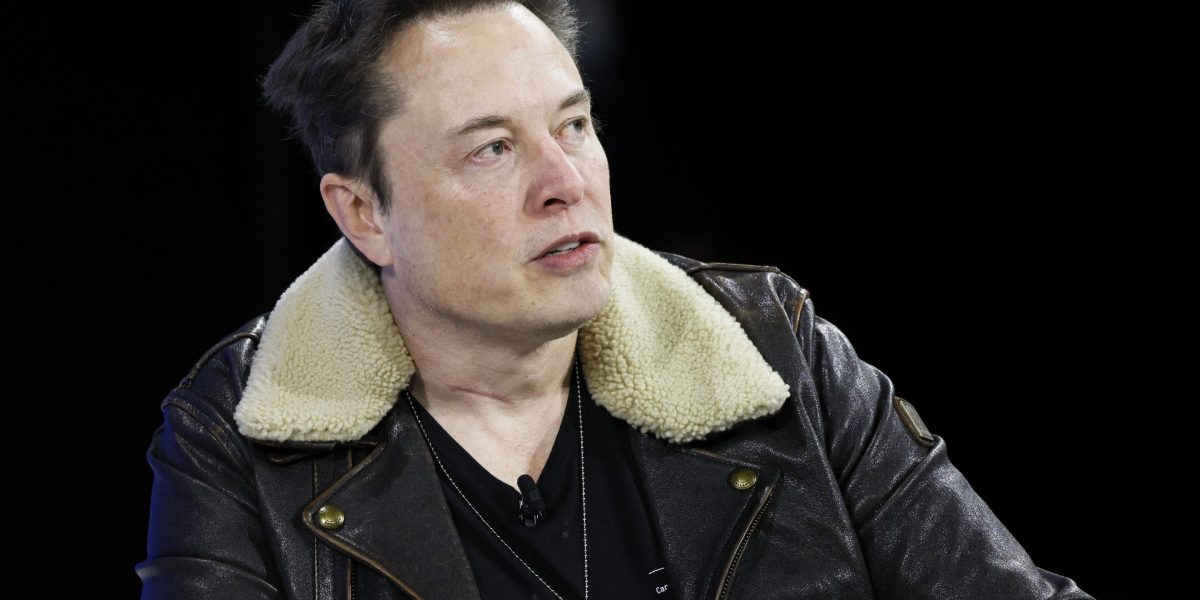
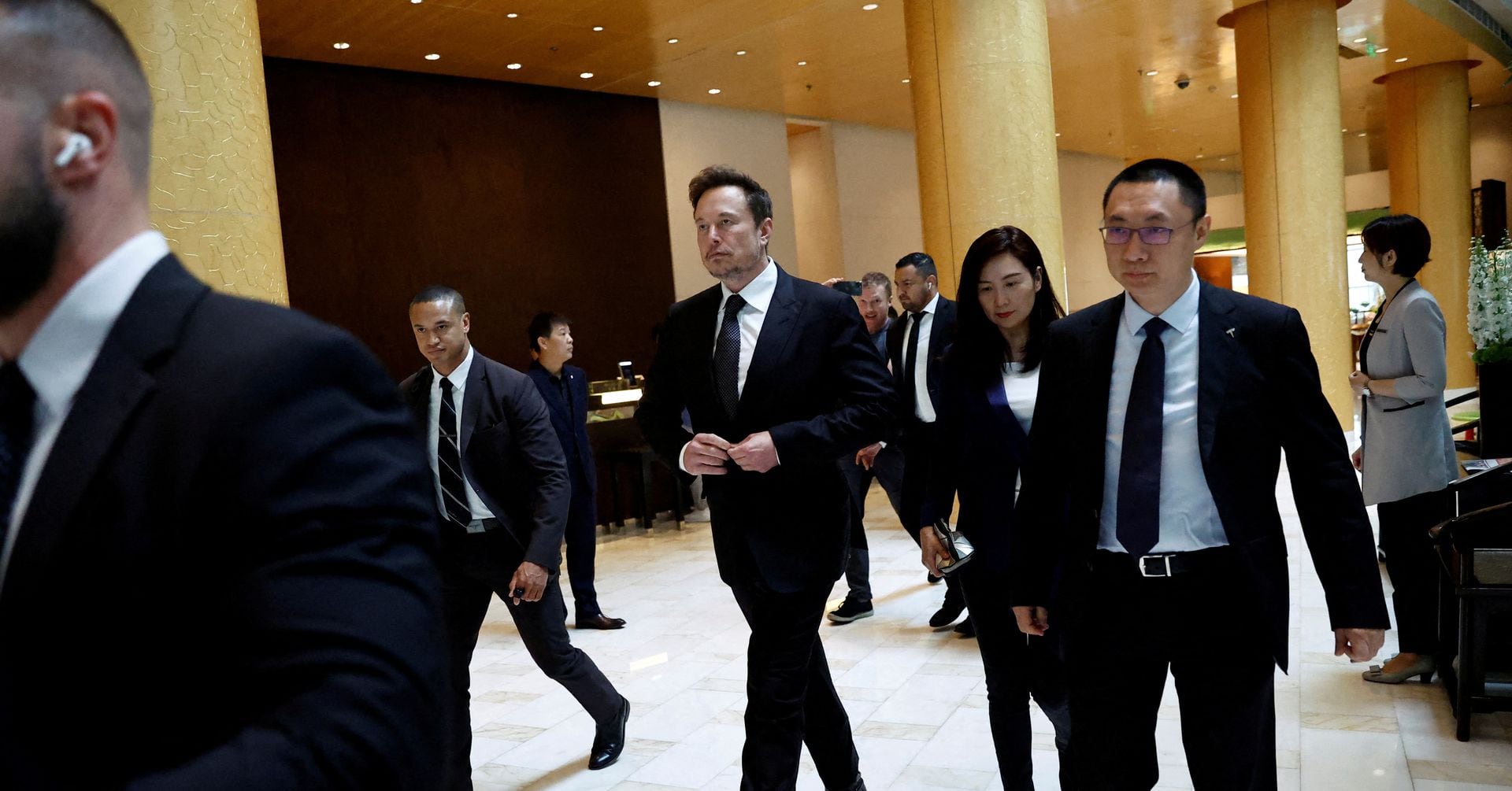
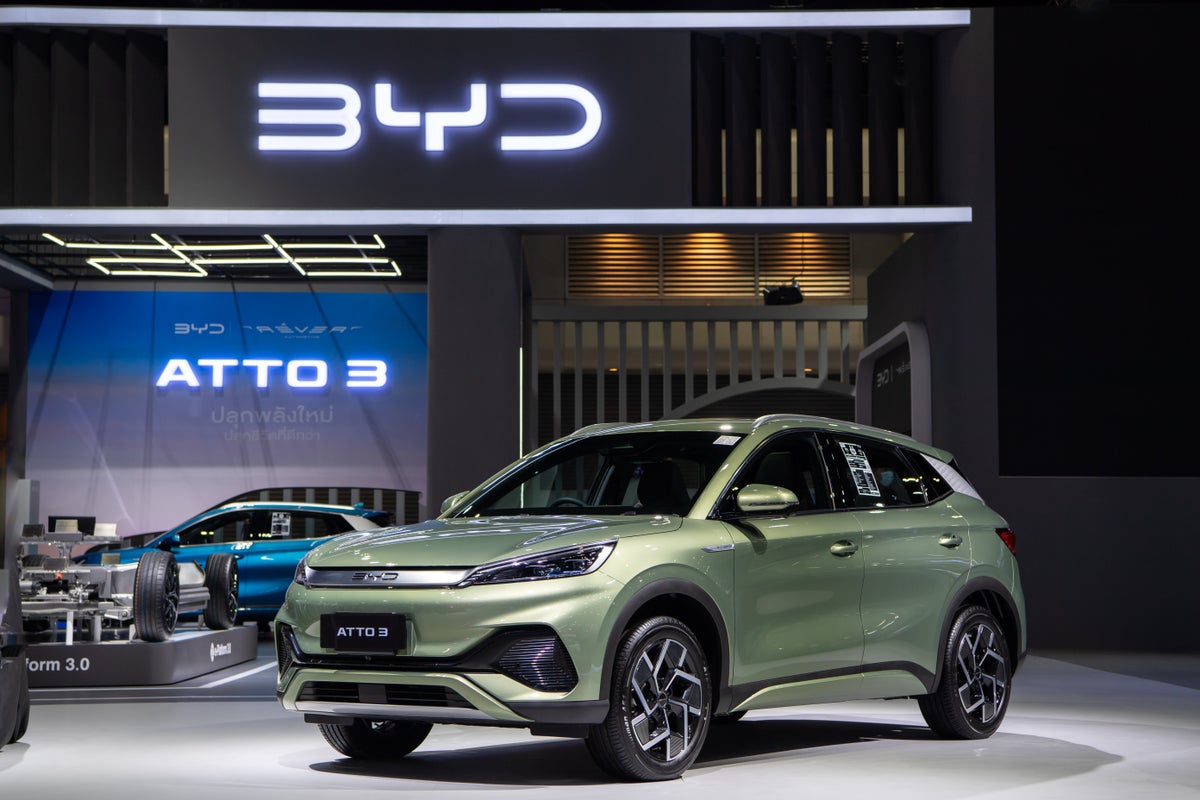
Tesla CEO Elon Musk warns that Chinese car companies, particularly in the electric vehicle sector, are extremely competitive and could dominate the global market without trade barriers. Concerns arise as Tesla loses EV sales volume crown to Chinese brand BYD, leading to slashed prices and potential profitability issues. Musk hints at a new vehicle on a next-gen platform in 2025, possibly a long-promised cheaper model. China's advantage in battery supply and production poses a significant challenge to the US EV industry, despite efforts to catch up. While Chinese-made cars face hurdles in the US market, they are making inroads under different branding.
Elon Musk praised Chinese electric automakers, stating that they are the most competitive in the world and are likely to find significant success outside of China, potentially surpassing other global car companies if trade barriers are not established. This comes as Tesla faces intense competition from Chinese EV firms, with Musk previously acknowledging their potential to be second only to Tesla. However, Tesla's own shares slid after the company posted earnings that missed expectations and warned of a slowdown in 2024.
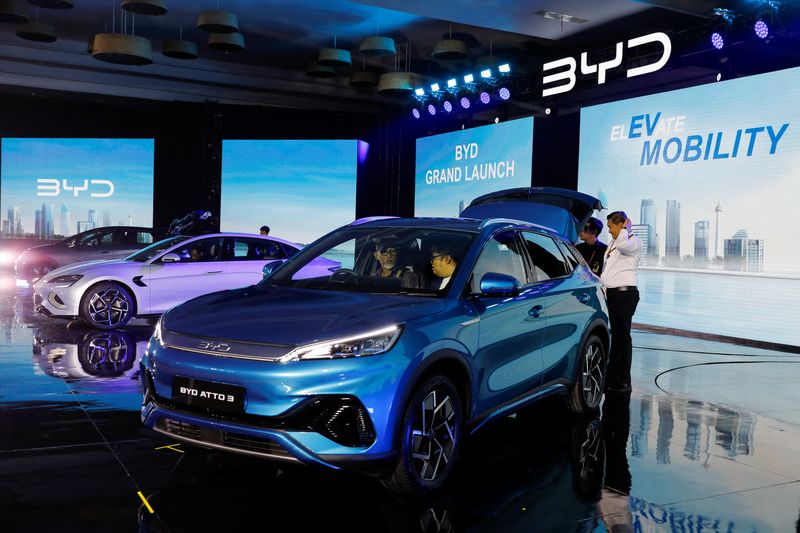
Tesla CEO Elon Musk warns that Chinese carmakers could outcompete most other car companies if trade barriers were removed, acknowledging their competitiveness and potential to dominate the global market. Tesla faces intense competition from Chinese EV maker BYD, which surpassed Tesla as the world's top-selling EV brand in the final quarter of 2023. Government subsidies for the Chinese EV sector have drawn scrutiny from lawmakers in the West, leading to anti-subsidy probes and tariffs on imported Chinese cars. Tesla continues to slash prices in a bid to capture market share in China, but warned of slower growth in the coming year.
Tesla CEO Elon Musk warned that Chinese EV firms, such as BYD, could "demolish" global rivals without trade barriers, as they are becoming increasingly competitive and successful outside of China. Despite Tesla's efforts to cut prices and expand its lineup, Chinese EV makers are moving fast and expanding their foreign footprint. However, they still face challenges in brand awareness, reliability, and safety in the U.S. market. The U.S. and Europe are considering policies to protect their automakers against cheaper Chinese EV imports benefiting from state subsidies.
Tesla CEO Elon Musk warns that Chinese EV firms, such as BYD, pose a significant threat to global rivals and could dominate the market without trade barriers. Despite Tesla's efforts to cut prices and expand its lineup, Chinese companies are gaining traction with cheaper models and a strong supply chain. Musk acknowledges the competitiveness of Chinese car companies and their potential for success outside of China, but expresses concerns about trade barriers and the need for fair business environments. The U.S. and Europe are also considering protective measures against Chinese EV imports, while Musk remains open to collaboration with Chinese rivals in certain areas.
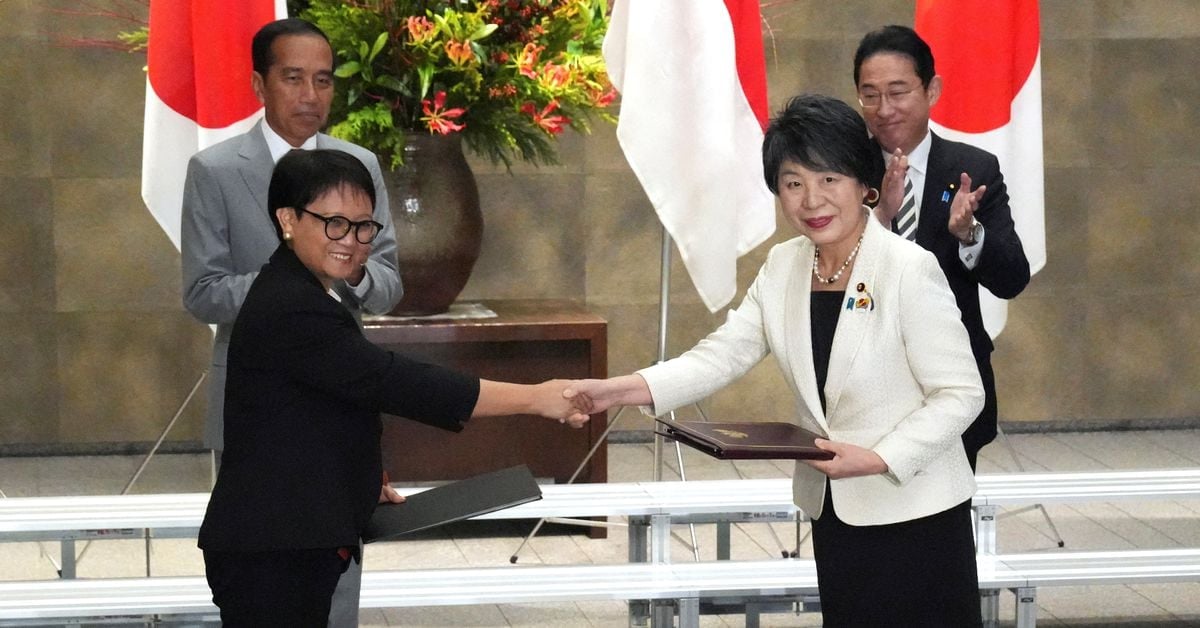
Indonesia and Japan have concluded negotiations on protocols to improve their bilateral economic agreements, with Japan agreeing to remove trade barriers and allow greater access for Indonesian products, including by removing tariffs on processed fishery items. The two countries are aiming to implement the amended Indonesia-Japan Economic Partnership Agreement (IJEPA) by the first quarter of 2024, pending formal signing and ratification by their respective parliaments. The negotiations also touched on critical minerals and Indonesia's position in the global electric vehicle battery supply chain. Additionally, Japan has provided Indonesia's coastguard with a patrol vessel to enhance its maritime capacity.
Chinese electric vehicles (EVs) face trade barriers in the US market due to tariffs and exclusion from advantageous credits, hindering their presence in the American automotive landscape. Despite these obstacles, Chinese automakers are expanding globally, raising concerns among US officials about the long-term effectiveness of these trade barriers. Chinese automakers are adapting by planning to assemble EVs in or near the US to circumvent tariffs. US automakers recognize the complexity of potential retaliatory tariffs from China and the reliance on China's dominant EV battery supply chains. Experts warn of the potential for market saturation as China has the capacity to produce millions of autos annually.