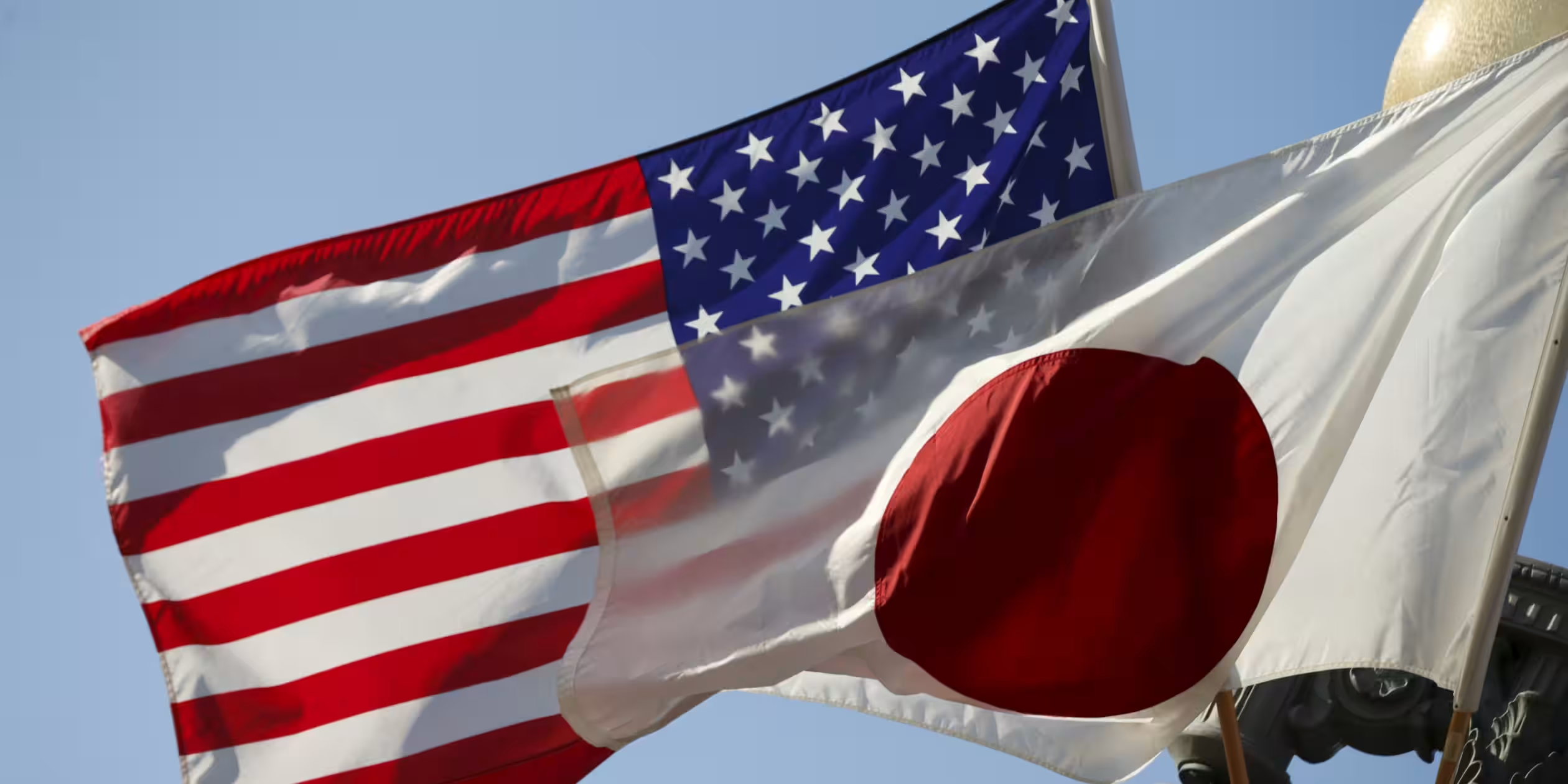
US President Donald Trump signed an order reducing tariffs on Japanese car imports from 27.5% to 15%, formalizing a trade agreement with Japan that includes increased US exports to Japan and investment commitments, aiming to reduce the US trade deficit and benefit the auto industry.
The EU aims to secure a retroactive reduction of US car tariffs to 15%, contingent on EU legislation, with relief potentially starting from August 1, as part of a broader trade framework deal announced in July, which includes commitments on tariffs, market access, and energy and technology investments.
Japan is developing a framework to monitor the progress of its tariff agreement with the US, amid concerns that the Trump administration may reimpose higher tariffs if Tokyo does not meet certain commitments, following a recent agreement to lower reciprocal tariffs and auto import duties.
The US and Indonesia have agreed to a framework for a reciprocal trade agreement that aims to eliminate tariffs, address non-tariff barriers, and enhance economic cooperation, including commitments to improve market access, protect labor and environmental standards, and facilitate digital trade and investment, with several major commercial deals anticipated.
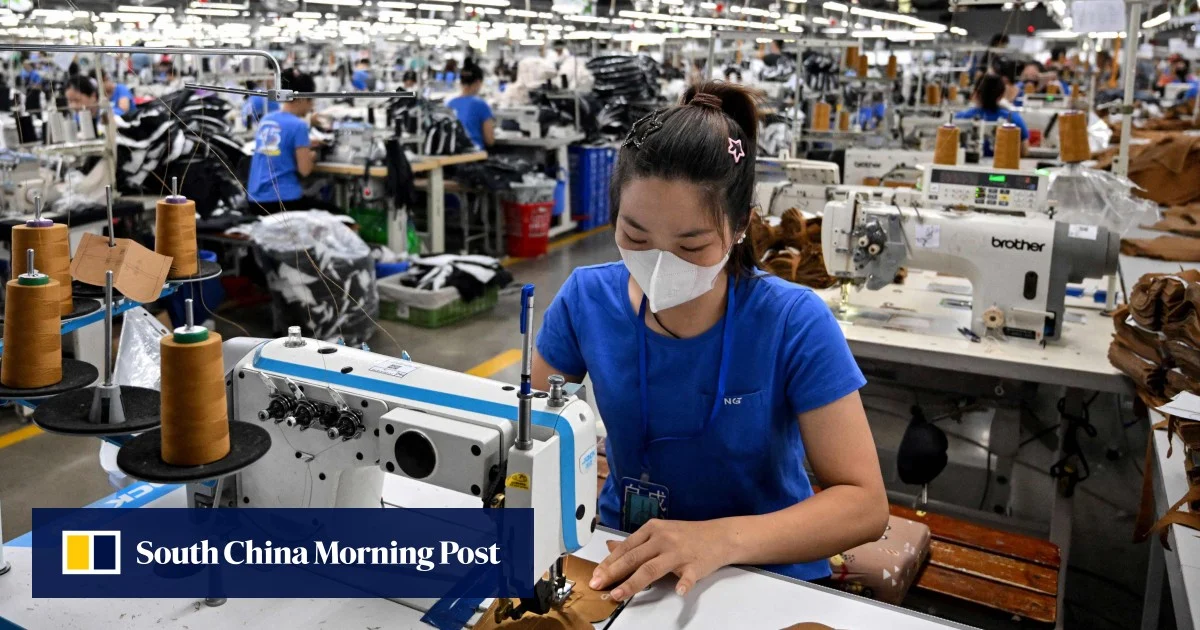
Most Chinese exporters in Vietnam are expected to continue operations after the US and Vietnam reached a trade agreement that reduces tariffs to 20%, ending months of uncertainty and making the market more manageable for businesses.