India has signed a "watershed" free trade deal with European Free Trade Association nations, including Switzerland, Iceland, Norway, and Liechtenstein, which is expected to bring in $100 billion worth of investment over 15 years and create one billion jobs. The agreement, seen as a significant development in India's bilateral relationships, is anticipated to boost exports in IT services, business services, and audio-visual services, and also includes provisions for mutual recognition in professional services.
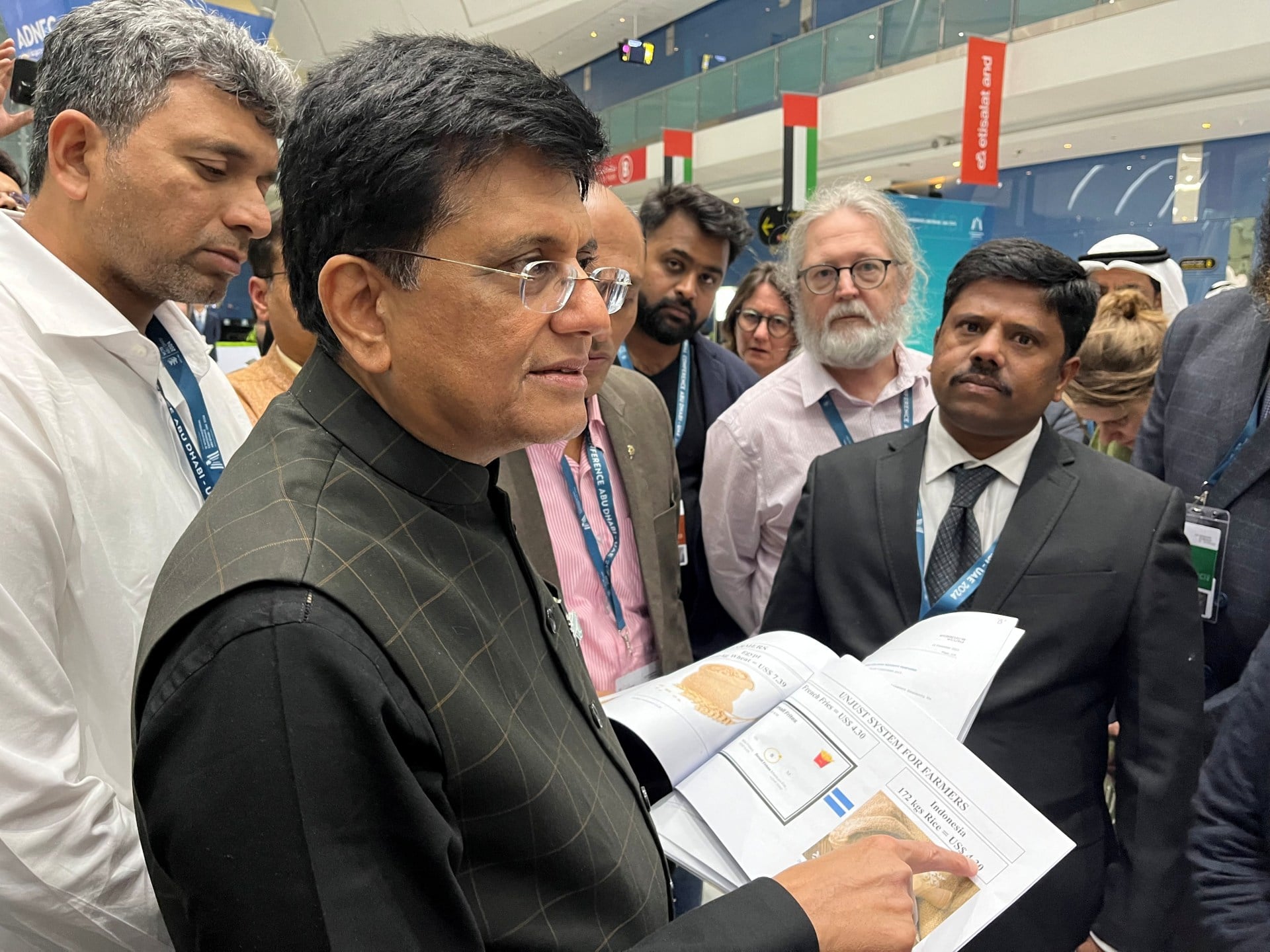
India has signed a $100bn free trade agreement with the European Free Trade Association (EFTA), comprising Switzerland, Norway, Iceland, and Liechtenstein, which will lead to the lifting of import tariffs on industrial products from these countries in return for a 15-year investment. The deal aims to boost exports, promote investment, and create employment, with provisions for liberalized trade rules for Indian agricultural exporters and opportunities for professionals to work in the EFTA zone. The agreement also includes elements such as intellectual rights and gender equity, and all five countries must ratify the deal before it can take effect.
India has signed a trade pact with the European Free Trade Association, comprising Switzerland, Norway, Iceland, and Liechtenstein, under which India will lift most import tariffs on industrial products from these countries in exchange for a $100 billion investment over 15 years. The deal also includes provisions for intellectual rights and gender equity and is seen as a step towards Prime Minister Narendra Modi's goal of achieving annual exports of $1 trillion by 2030.
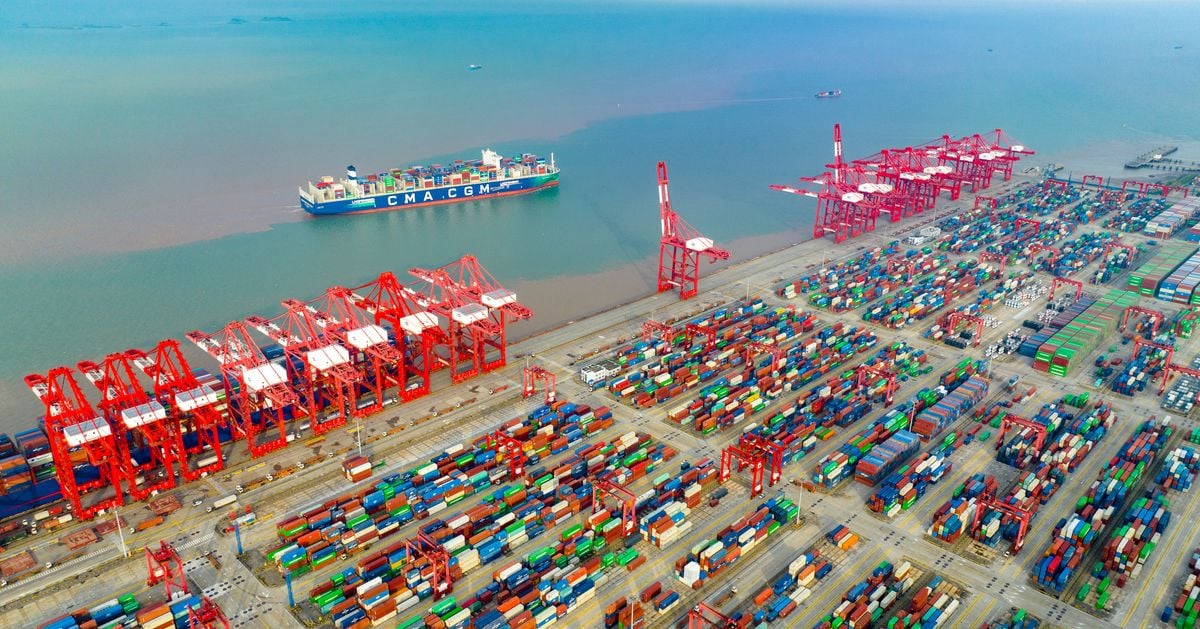
Chinese trade has experienced a rebound, driven by strong demand for electronics and increased exports to Russia. This resurgence in trade activity reflects a positive trend in China's economic recovery.
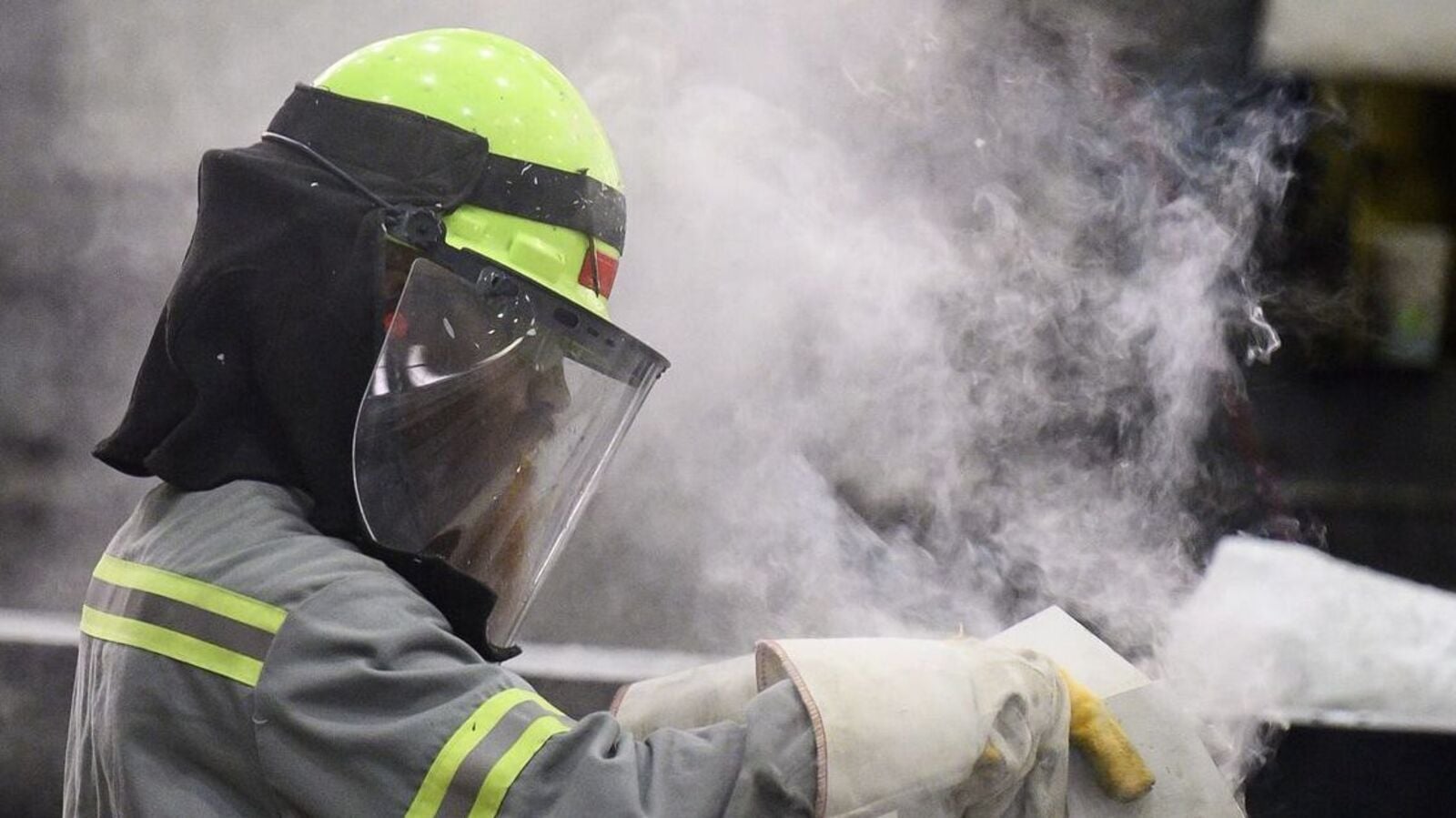
An obscure zinc smelter in Tennessee, owned by Dutch company Nyrstar, is seeking funding for an expansion to process germanium and gallium, minerals vital for producing chips used in smartphones and radar systems. China's recent export restrictions on these minerals have created a potential shortage, making the Tennessee smelter a crucial player in the global trade war. The expansion aims to protect jobs and yield profits for Nyrstar, but it also carries the risk of China resuming exports and causing prices to plummet. The U.S. is racing to catch up with China in rare-earth minerals and other scarce resources, driven by the threat of natural-resource protectionism and increasing demand.
China has imposed export controls on graphite, a crucial mineral used in steel and electric car batteries, escalating the trade dispute with the United States over clean energy technologies. The restrictions, effective from December 1, ban the export of artificial graphite and products made with it without government permission. China is the world's top producer and exporter of graphite, with the US being the largest importer. As demand for graphite grows, the US is seeking alternatives to China, with a focus on countries in Africa. Efforts to permit new mines in the US have faced opposition due to concerns about pollution. China's dominance in critical minerals has prompted other countries to prioritize domestic mining and processing.