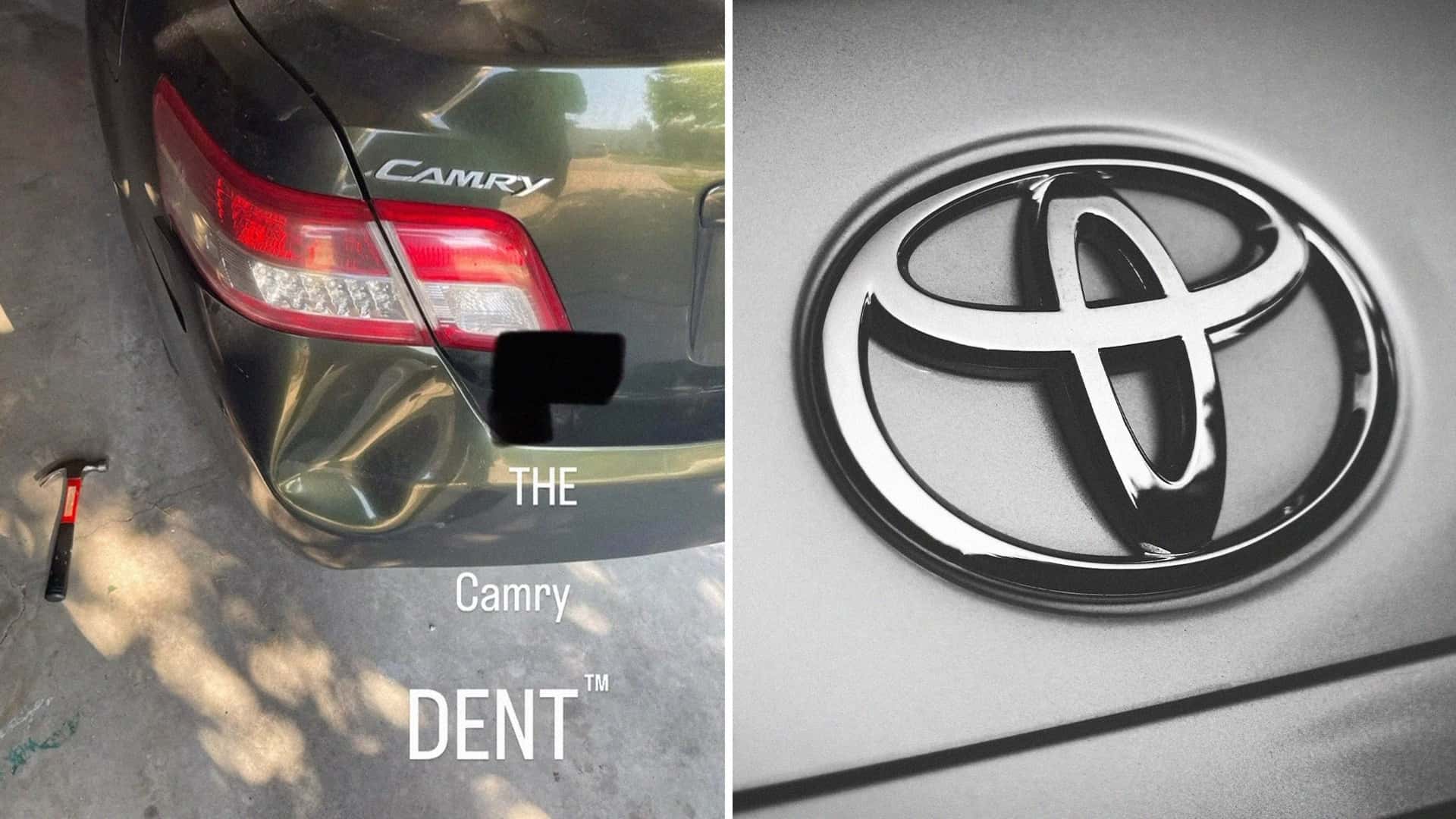
A viral video claims Toyota intentionally designs the Camry's rear bumper to dent easily, suggesting it's a planned feature to encourage repeat purchases, though experts argue the dents are due to common design and longevity factors. The phenomenon has sparked widespread discussion and online theories, but no official confirmation from Toyota.
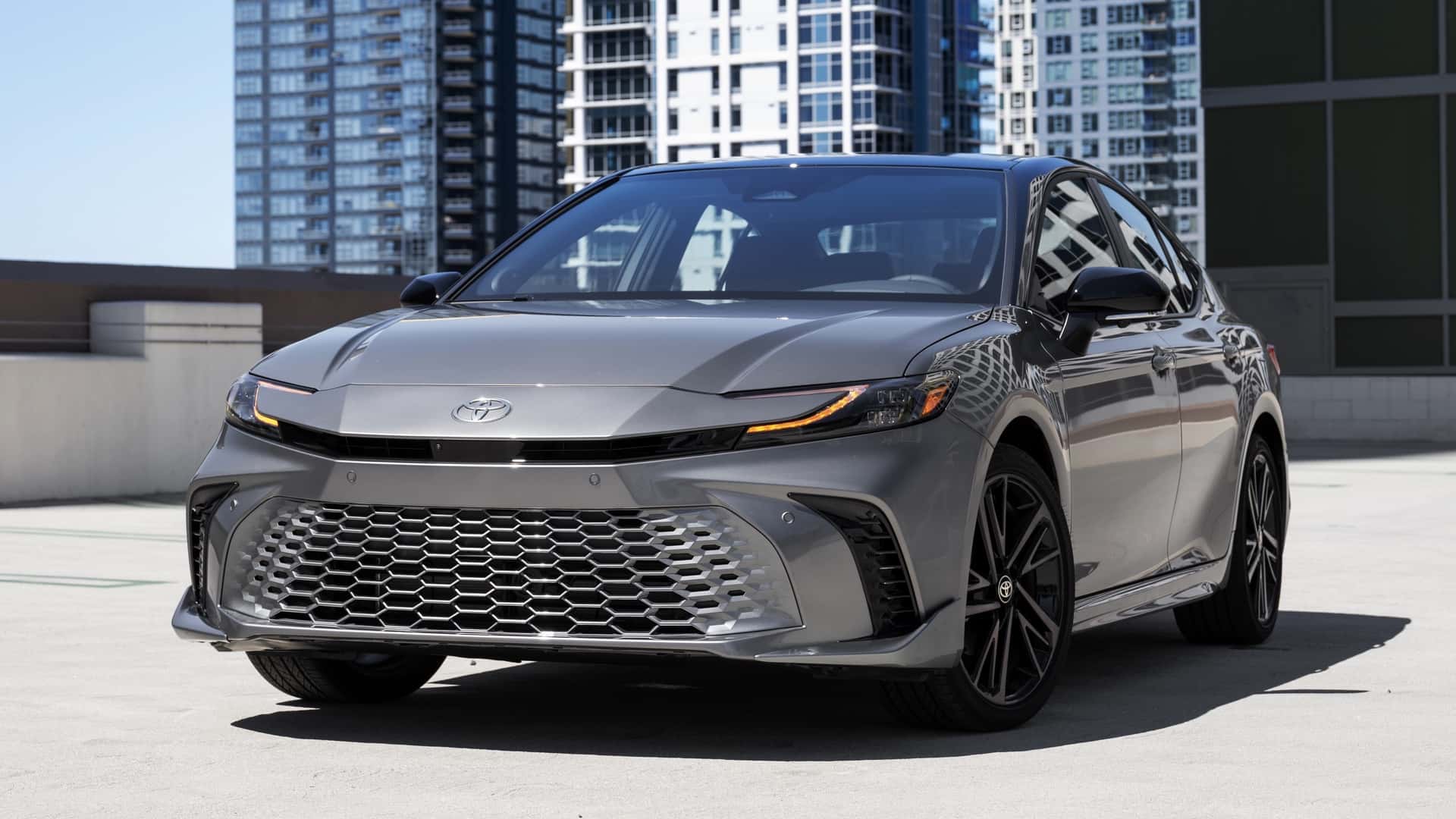
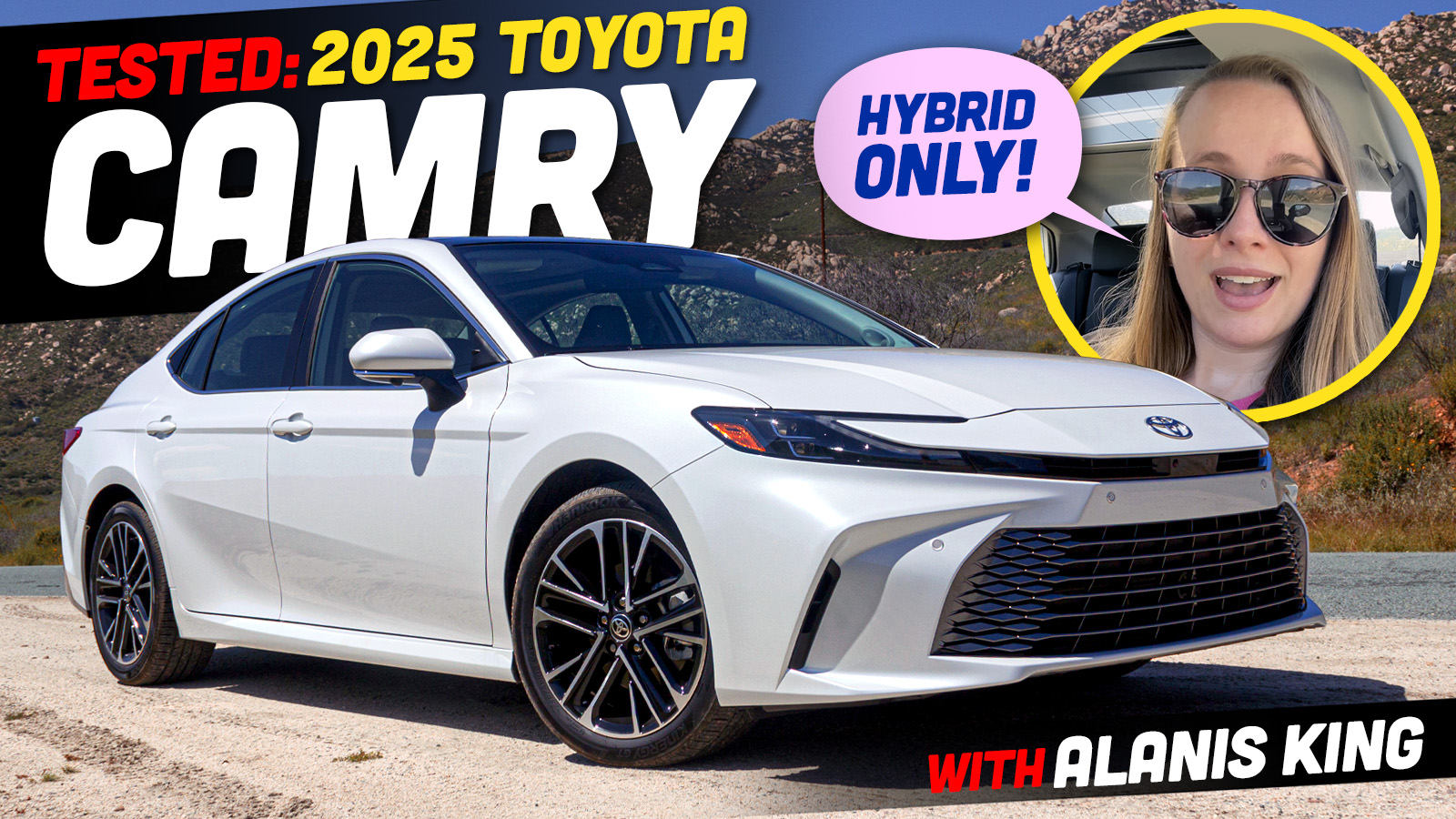
The new Toyota Camry for 2025 will only be available as a hybrid, featuring the fifth generation Toyota Hybrid System with improved fuel economy and a 2.5-liter four-cylinder engine. The decision to go all-in on hybrids reflects Toyota's focus on meeting consumer demand and maintaining the Camry's status as a top-selling sedan in the U.S. The new Camry also includes iterative updates to infotainment and driver-assist systems, while prioritizing improvements to ride, handling, steering, and brake-pedal feel to stay true to its sedan roots.
The 2025 Toyota Camry will be available exclusively as a hybrid, reflecting Toyota's commitment to a hybrid-first approach. Priced at $28,400 base, the new Camry boasts a 2.5-liter four-cylinder engine, front-wheel drive or electronic on-demand all-wheel drive, and a manufacturer-estimated combined 51 mpg. Its design features a distinctive "hammerhead" front end and familiar interior with wireless Apple CarPlay and Android Auto. The driving experience is described as comfortable and fun, with responsive steering and strong acceleration. The hybrid powertrain aims to ease the transition for traditional car buyers towards more sustainable vehicles, offering a safe and affordable option with improved fuel efficiency.
An experienced mechanic shares that he personally drives a 2015 Toyota Camry due to its reliability, fuel efficiency, and low maintenance requirements. The Camry has a strong track record for longevity and minimal repairs, making it a popular choice among car owners. However, the mechanic advises against owning a Dodge Dart, Volkswagen Beetle, or Ford Focus due to their reputation for being unreliable, requiring frequent repairs, and having lower safety ratings compared to other cars in their class. Additionally, the mechanic suggests avoiding brand new model designs as they often come with unforeseen problems and quirks.
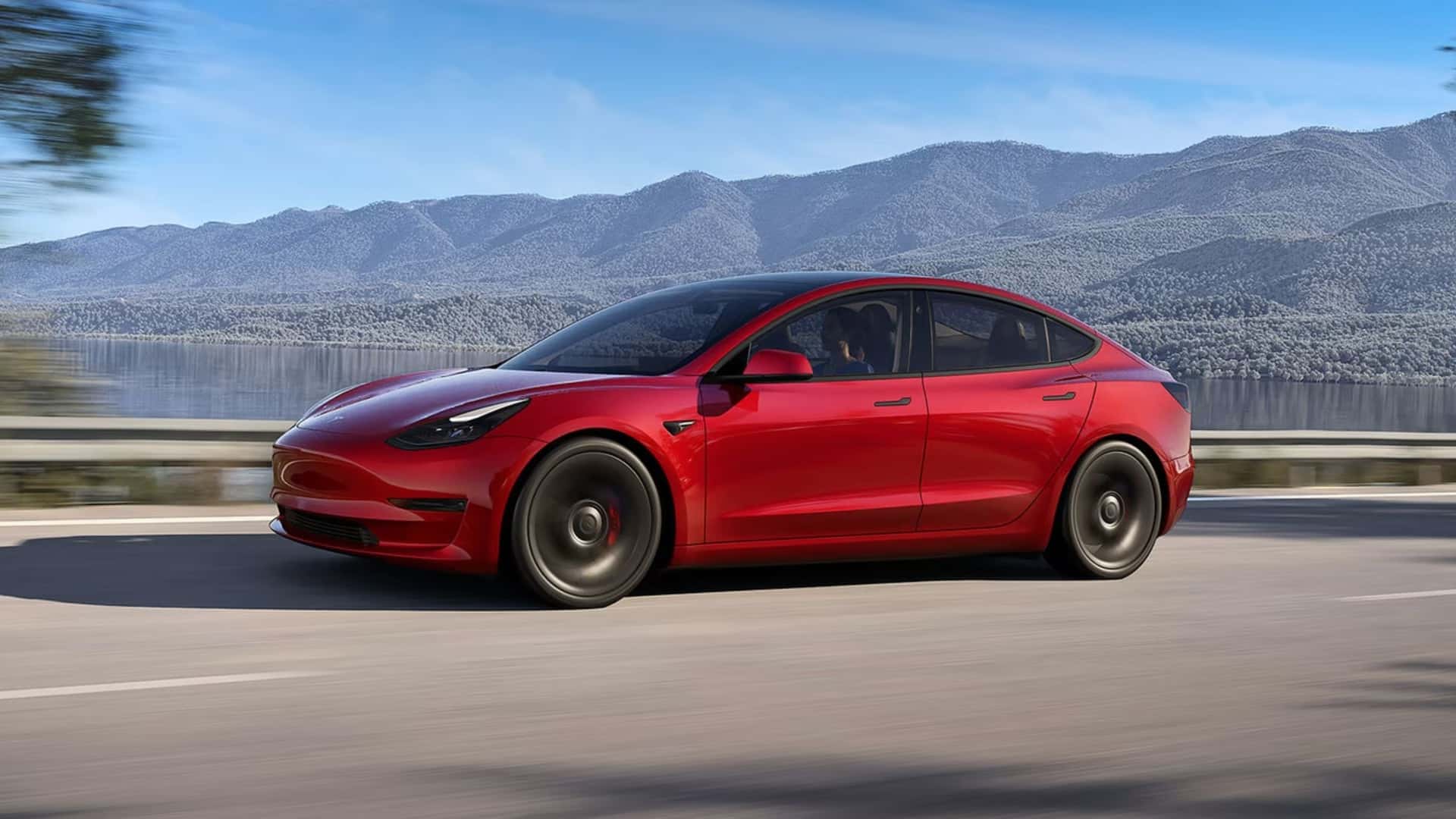
In California, the entry-level Tesla Model 3 RWD is less expensive than the Toyota Camry if you deduct the $7,500 federal tax credit as well as the California tax rebate. Those who qualify for both incentives can save $15,000 or 37% of the $40,240 price tag for the Model 3, reducing the effective cost to $25,240 - less than the entry-level Toyota Camry. The Tesla Model 3 is already more popular than the Toyota Camry in California, and when prices between BEV and ICE models become comparable, electric cars are usually winning thanks to lower energy costs than fuel costs.
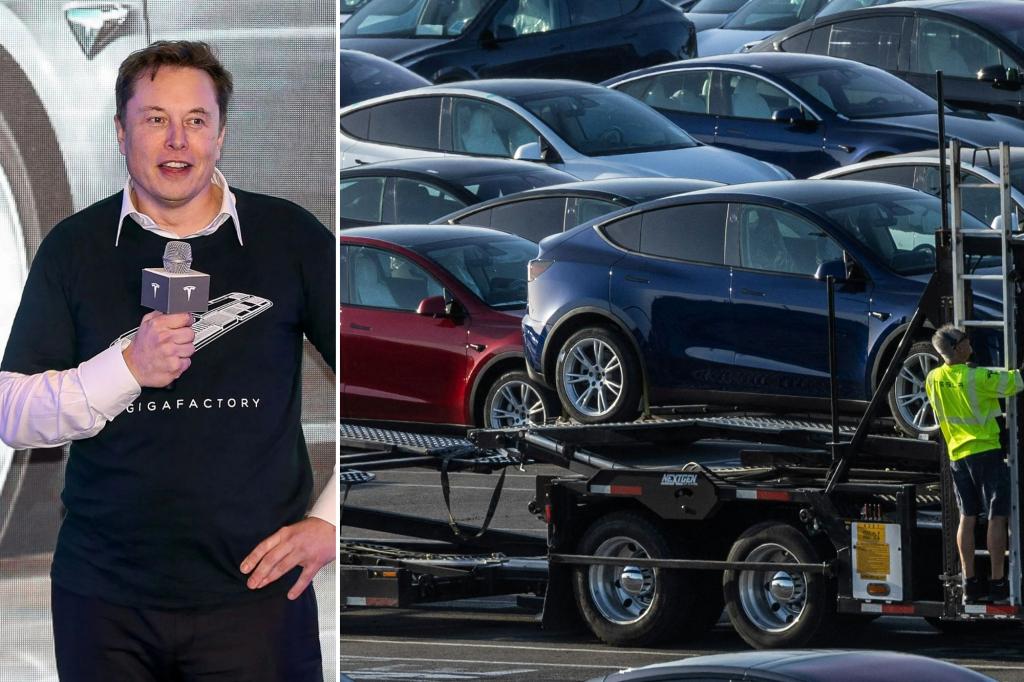
All versions of Tesla's Model 3 now qualify for the full $7,500 federal tax credit, making it cheaper than a Toyota Camry. Analysts suggest that Tesla may have adjusted its battery supply chain to meet federal subsidy requirements. The company may have dropped CATL in favor of Panasonic for US-made Model 3 Rear Wheel Drive, the cheapest version. Panasonic plans to expand production of electric vehicle batteries at the Nevada factory jointly operated with Tesla by 10% within three years.
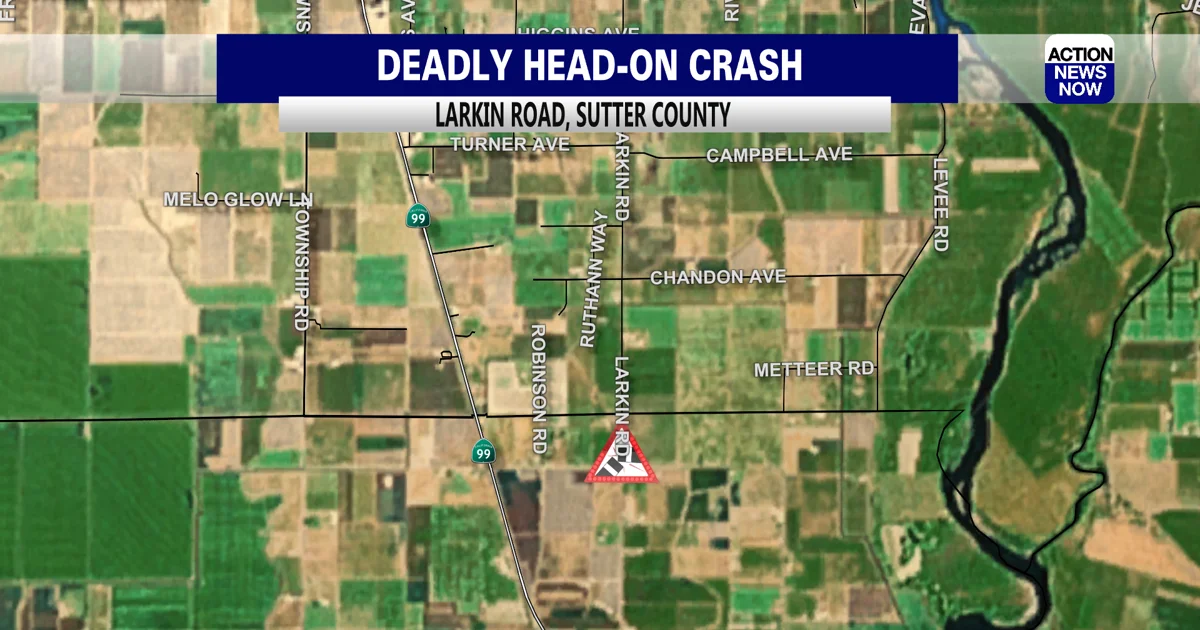
Two people died and several others were injured in a head-on collision between a Toyota Camry and a Ford F-150 pickup near the Butte-Sutter County line. The driver of the Camry was passing and collided head-on with the pickup. The deceased were identified as a 59-year-old female from Oroville and a 52-year-old male from Fairfield. The driver of the Camry suffered major injuries, while the three occupants of the pickup suffered moderate to major injuries.