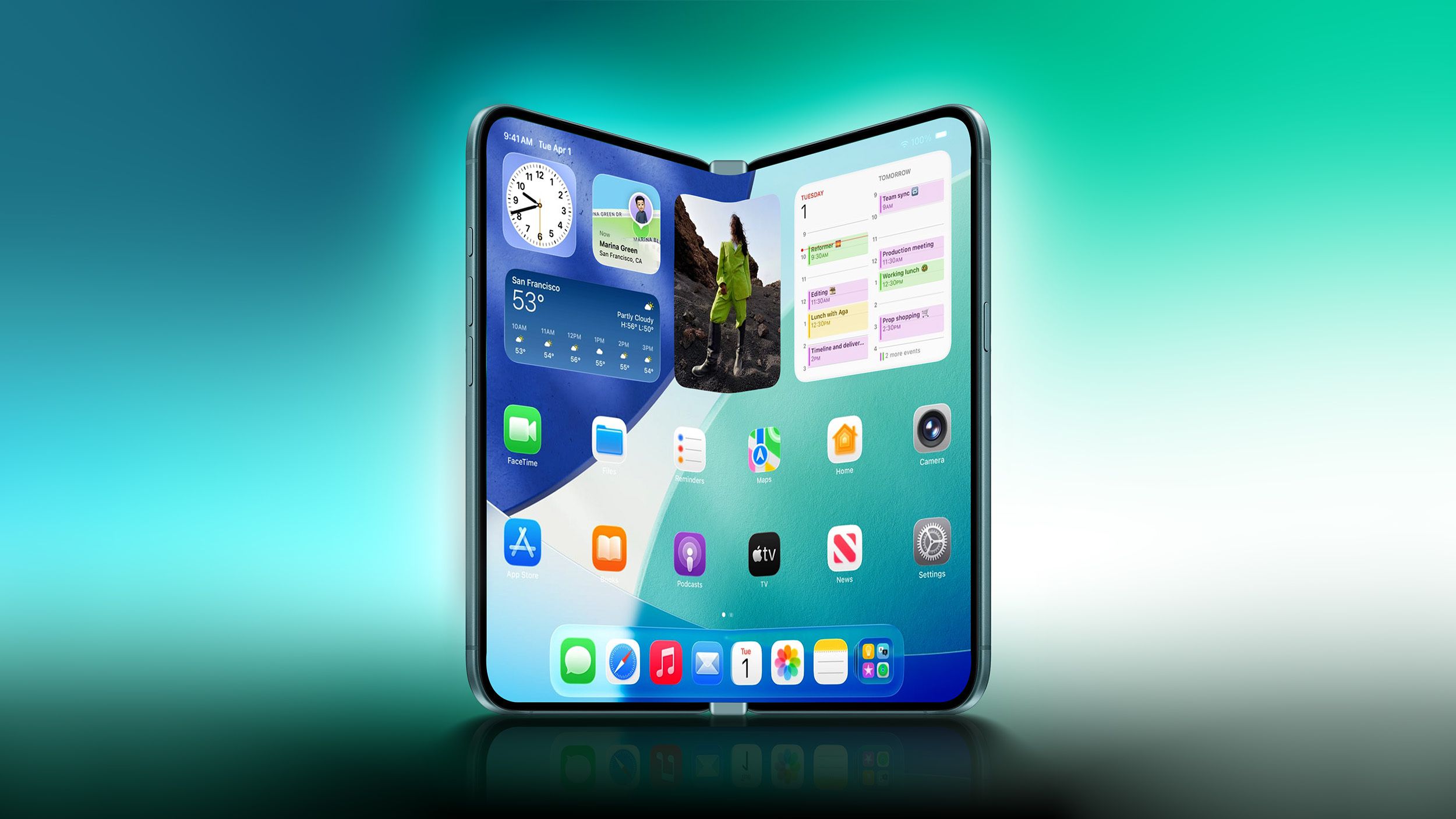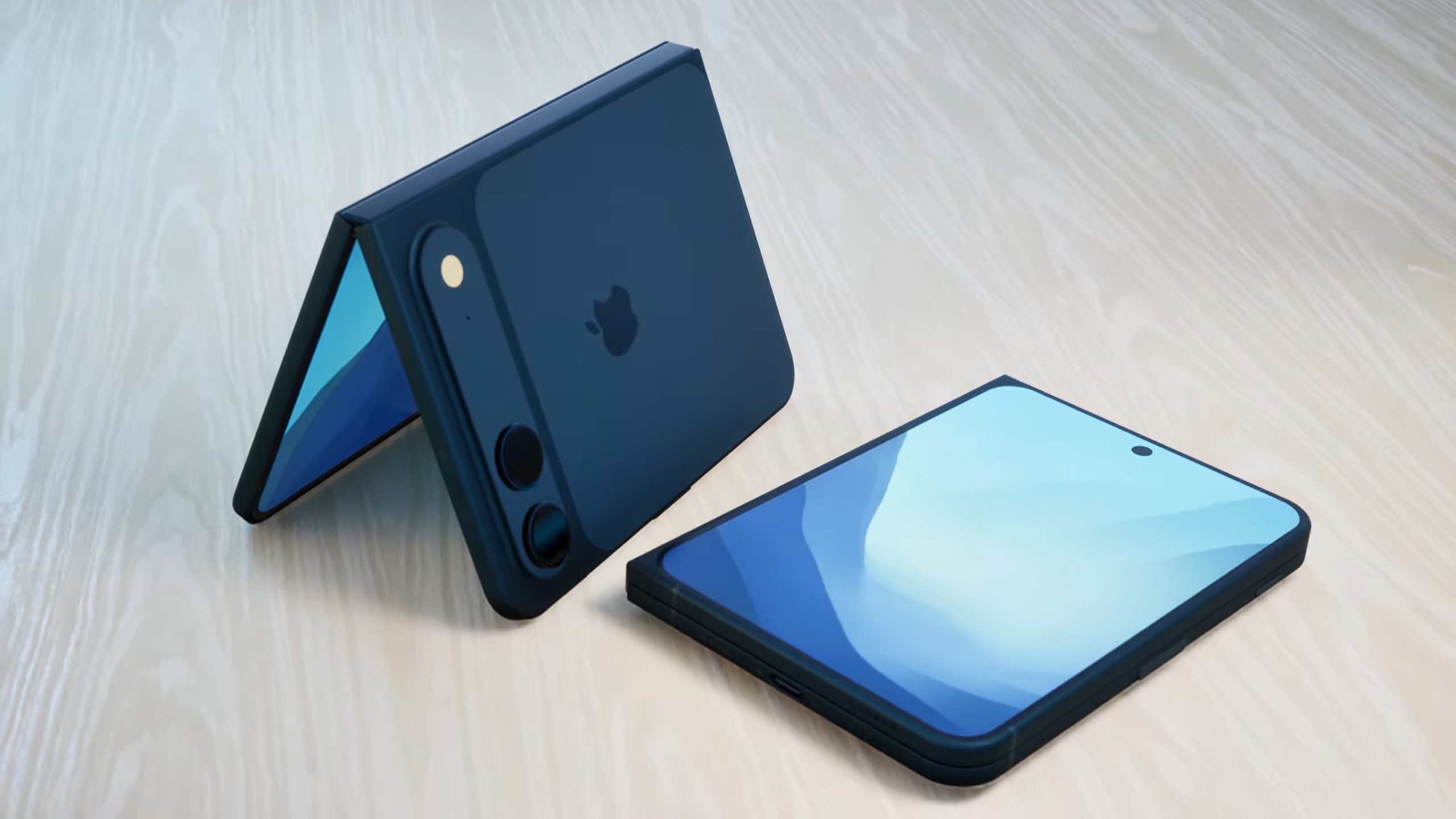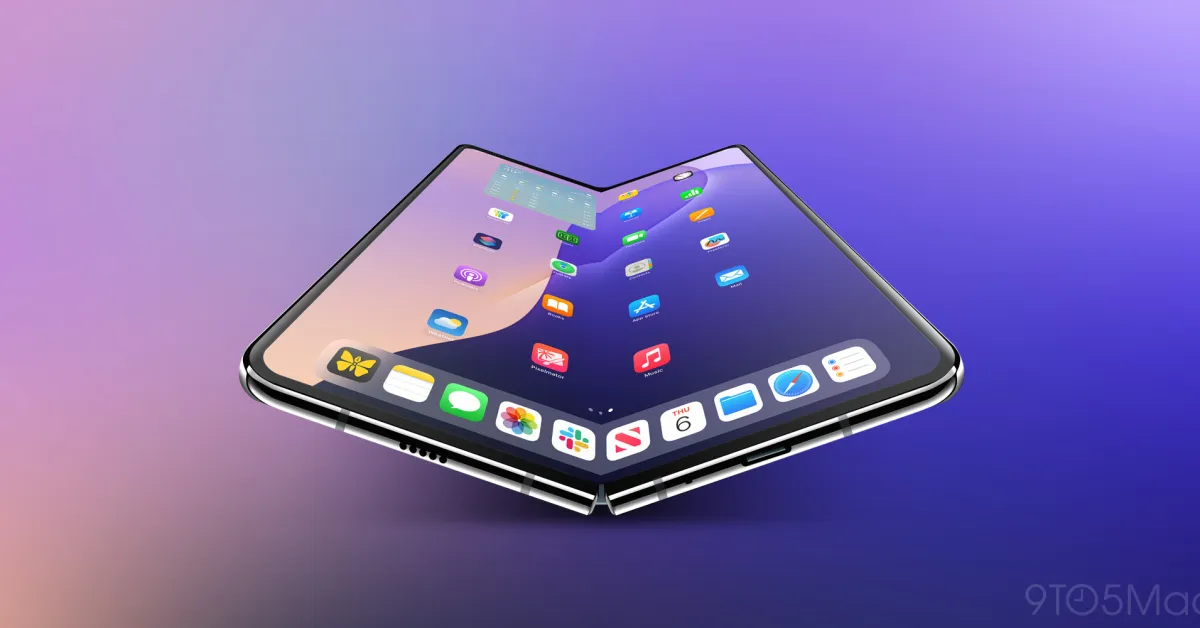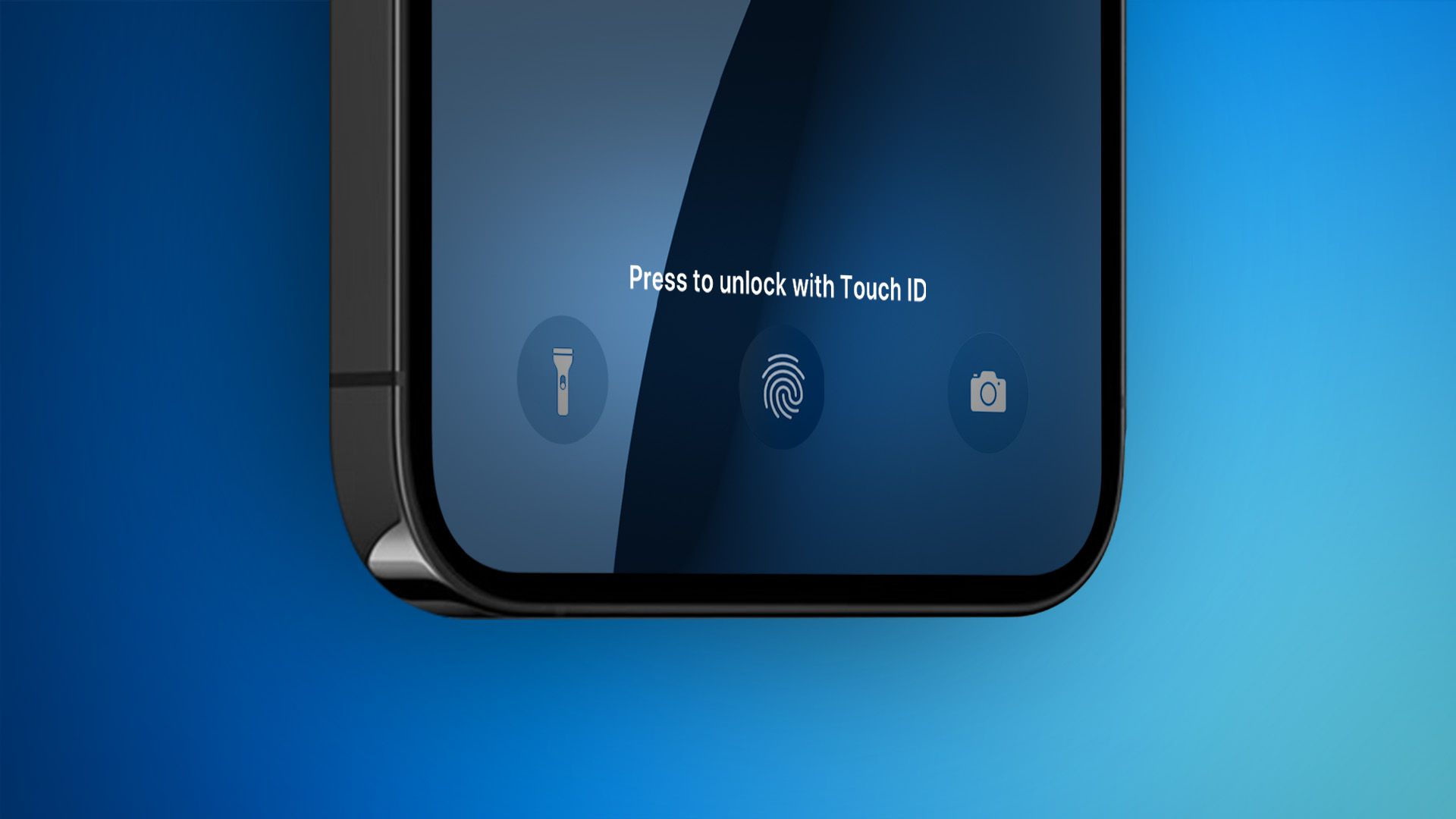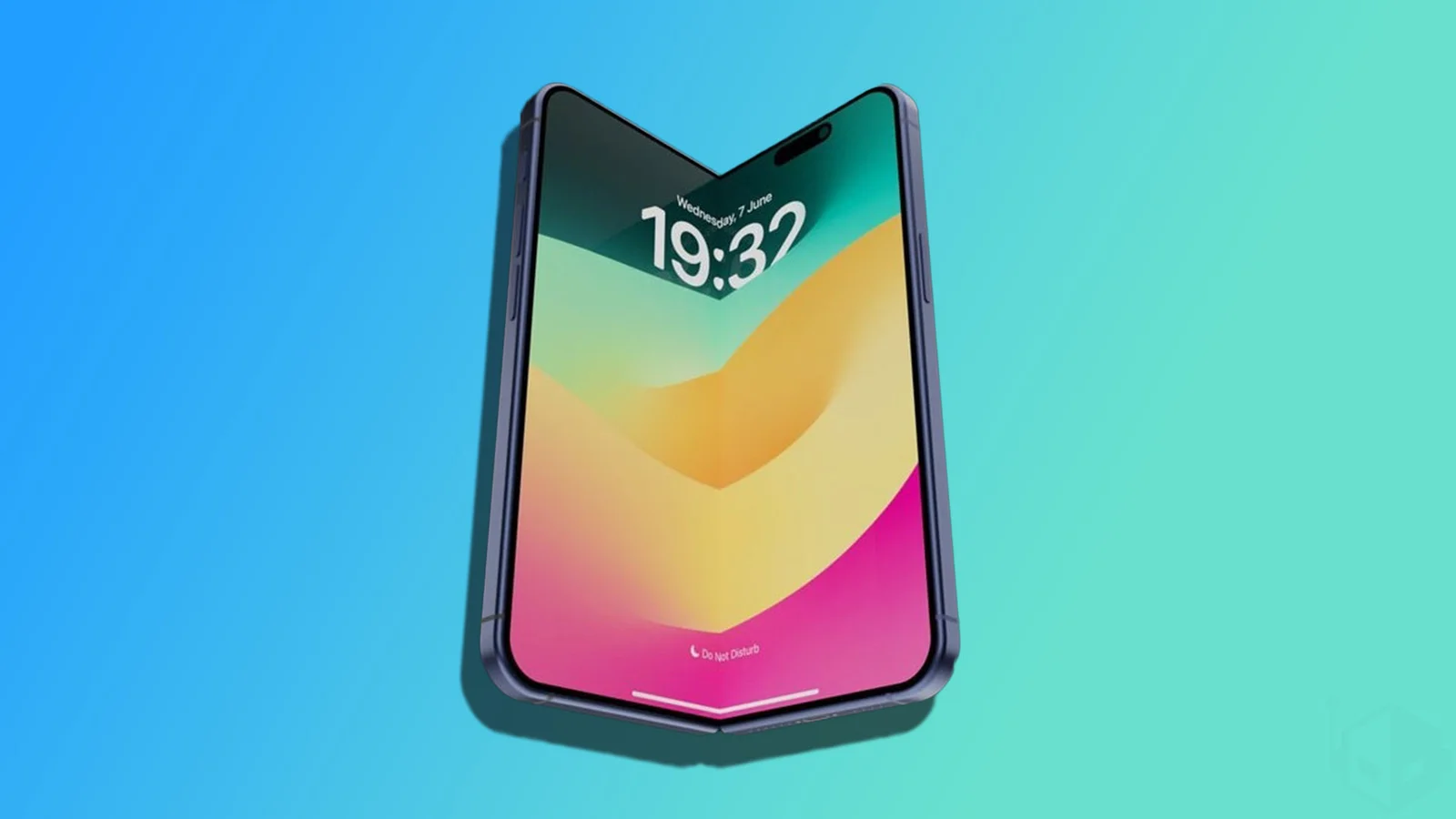
A rumor suggests that Apple's upcoming iPhone Fold will replace Face ID with a side-mounted Touch ID button to improve usability for foldable designs and reduce costs, with the device featuring punch-hole cameras and a crease-free display expected in 2027.
The upcoming foldable iPhone, expected to launch alongside the iPhone 18, will not feature Face ID due to space constraints and is likely to include Touch ID integrated into the side-mounted power button, with a design that is wider when unfolded to resemble an iPad-like experience, though it may appear stubby when folded.
An analyst has dismissed rumors about a foldable iPhone featuring under-screen Touch ID, indicating that such a device is unlikely to be released soon.
A new report suggests Apple's upcoming foldable iPhone, expected in 2026, will feature a book-style fold, four cameras, Touch ID in the power button, and new screen tech to reduce creases, marking a significant shift in Apple's lineup.
Apple is expected to launch a foldable iPhone in 2026, featuring four cameras, Touch ID, and an in-house modem, with a design that emphasizes slimness and simplicity, and a price likely to be high. The company also plans a major design overhaul for the iPhone in 2027, moving to curved edges and a new interface. These developments suggest significant shifts in Apple's iPhone lineup over the next few years.
Bloomberg reports that Apple is developing a foldable iPhone set to launch in 2026, featuring a book-like fold, four cameras, Touch ID, and an in-house cellular modem, with a design focused on thinness and a fall release expected. The device will support multiple camera functions, including selfies and high-quality photos, and will omit a SIM card slot in favor of eSIM technology. Pricing is anticipated to be high, similar to premium Android foldables.
Leaked Apple code suggests that Touch ID support may be added to the 2026 Apple Watch models, indicating potential new biometric authentication features, although the technology is still in the prototype stage and not yet implemented in current models.
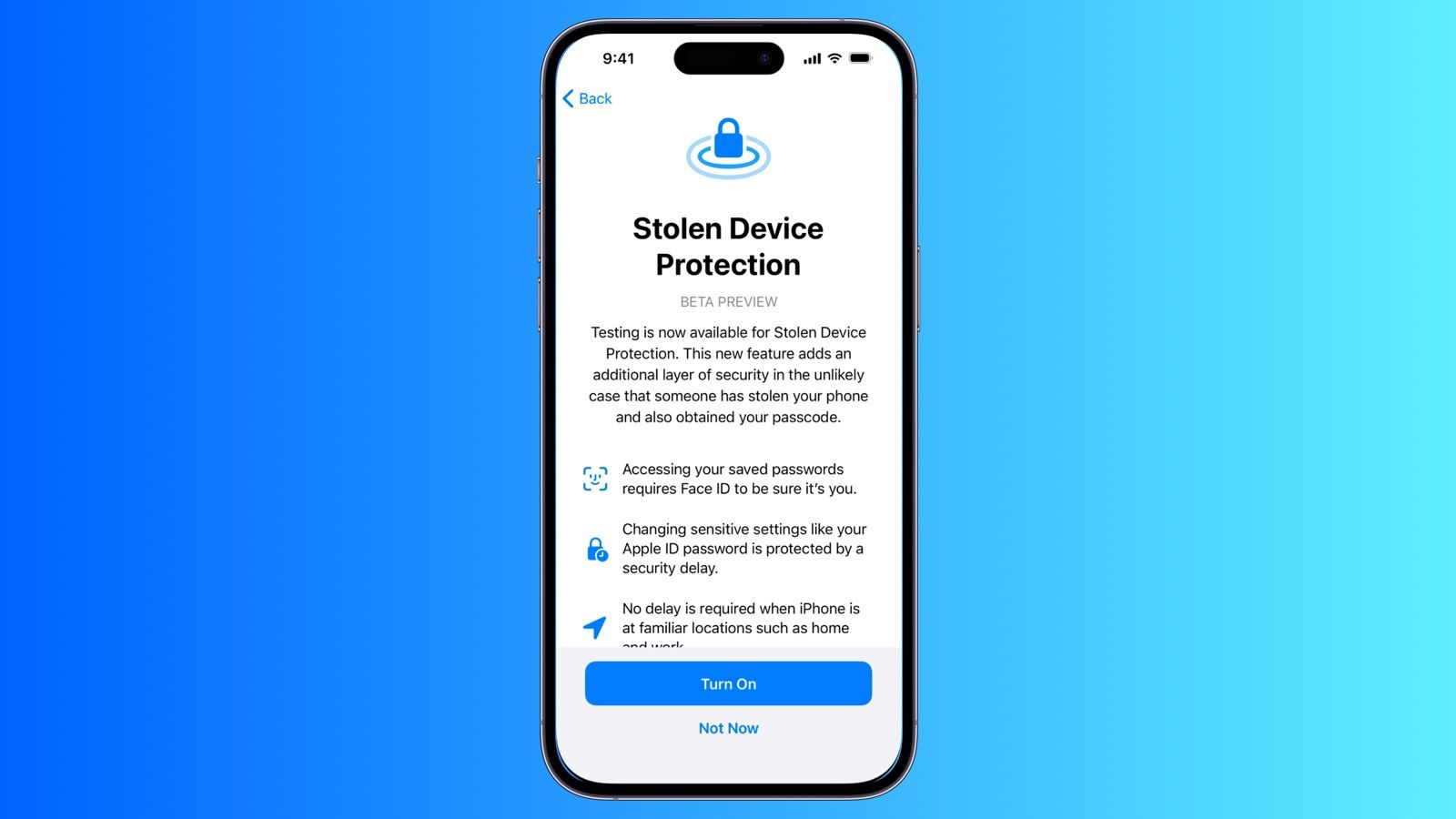
The first iOS 17.3 beta introduces a new "Stolen Device Protection" feature for iPhone users, adding an extra layer of security in case of theft. When enabled, Face ID or Touch ID authentication is required for actions such as viewing passwords, applying for an Apple Card, erasing content, and more. Sensitive actions like changing the Apple ID password have a one-hour security delay on top of biometric authentication. The feature will be available on compatible iPhone models and is expected to be released to the public in early 2024.
Steve Hotelling, a veteran Apple executive responsible for key technologies like the iPhone's multitouch screen, Touch ID, and Face ID, is retiring from the company. Hotelling played a crucial role in inventing Touch ID, advanced camera technology, and ProMotion screen technologies. He also oversaw the company's camera engineering team and led efforts in augmented reality, haptic feedback, and high-frame-rate displays. Hotelling's responsibilities will be divided among other executives on the hardware technologies team.
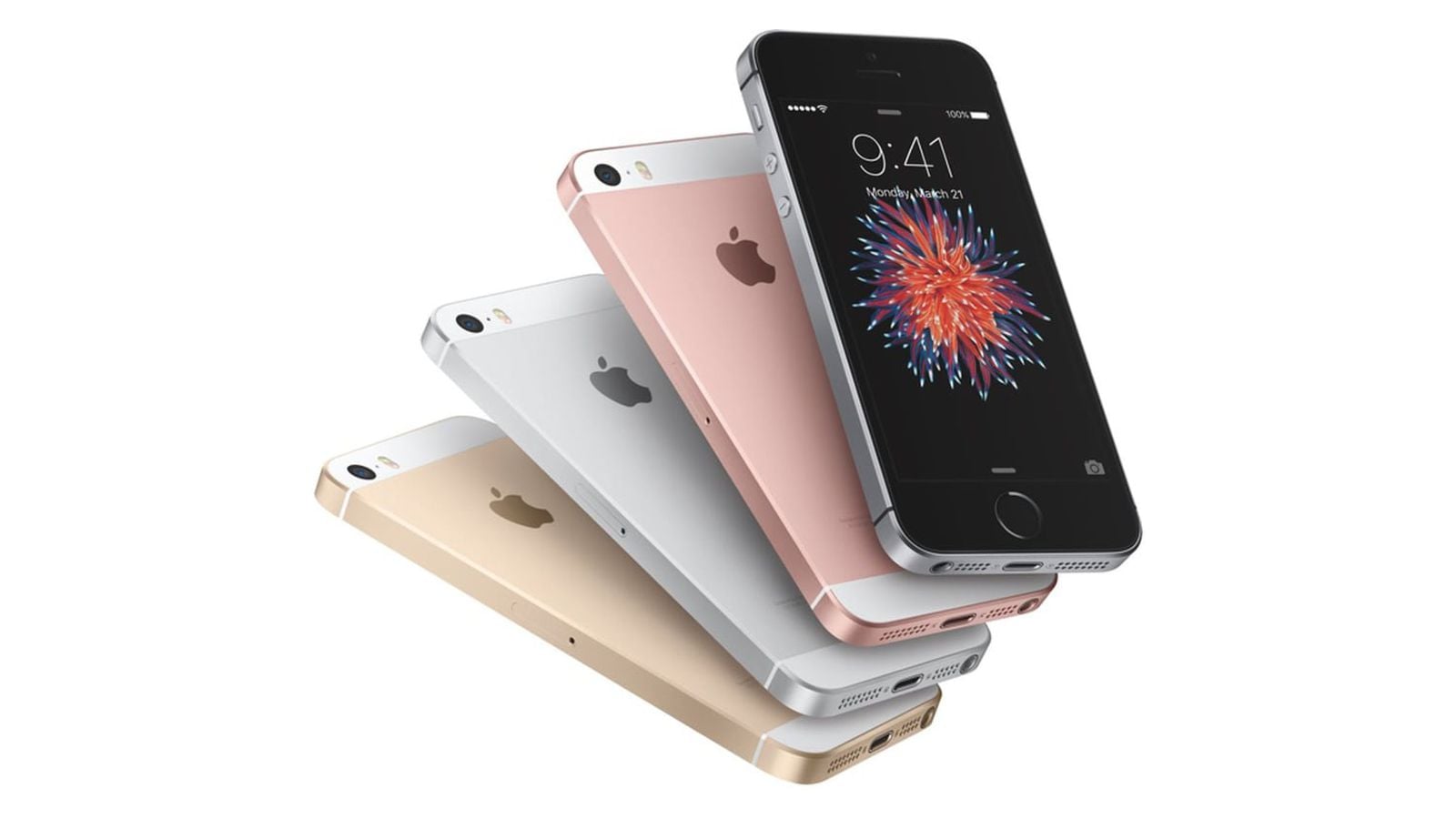
Apple has added the original iPhone SE to its vintage and obsolete products list, marking it as vintage after five years since it was last sold and obsolete after seven years. Vintage devices may not be eligible for repairs, but Apple will offer repairs if parts are available. The iPhone SE line continues to be the only iPhone with a Touch ID fingerprint sensor, with three generations released so far. Additionally, Apple has marked the second-generation 12.9-inch iPad Pro as vintage, along with the special edition Mickey Solo3 Wireless headphones, while the Powerbeats 2 and Solo2 Wireless headphones are now considered obsolete.
A leak suggests that the upcoming iPhone 16 will not bring back Touch ID, with future iPhones likely to continue relying on Face ID as their primary authentication method. Apple has reportedly discontinued the equipment used to manufacture Touch ID chips and has no plans to use it on iPhone 16 models. The leak comes from a Weibo user known for sharing accurate information about Apple's plans. The source also claims that the upcoming iPhone SE 4 will not feature Touch ID.
According to a report, Apple's iPhone 16 lineup will not feature the return of Touch ID fingerprint authentication technology. The manufacturing equipment for the chips used in Touch ID has been permanently shut down, suggesting that Apple has no immediate plans to bring back the feature. Rumors suggest that the fourth-generation iPhone SE will feature Face ID, while Apple is reportedly working on under-display fingerprint technology for future devices.
This article provides seven crucial security measures for Apple device users to protect their data, including using Safety Check, enabling Face ID/Touch ID and a passcode, locking the device quickly, erasing data after failed login attempts, setting up a recovery key, adding two-factor verification or hardware security keys, and enabling Advanced Data Protection. These measures help enhance device security and protect against unauthorized access and data breaches.
After using the iPhone 15 Pro, the author suggests five features they would like to see on the iPhone 16 Ultra. These include longer battery life, integrating Touch ID on the power button alongside Face ID, a 10x telephoto zoom lens, faster charging capabilities, and a better case design that is lighter and thinner, similar to the iPhone 4 bumper cases.
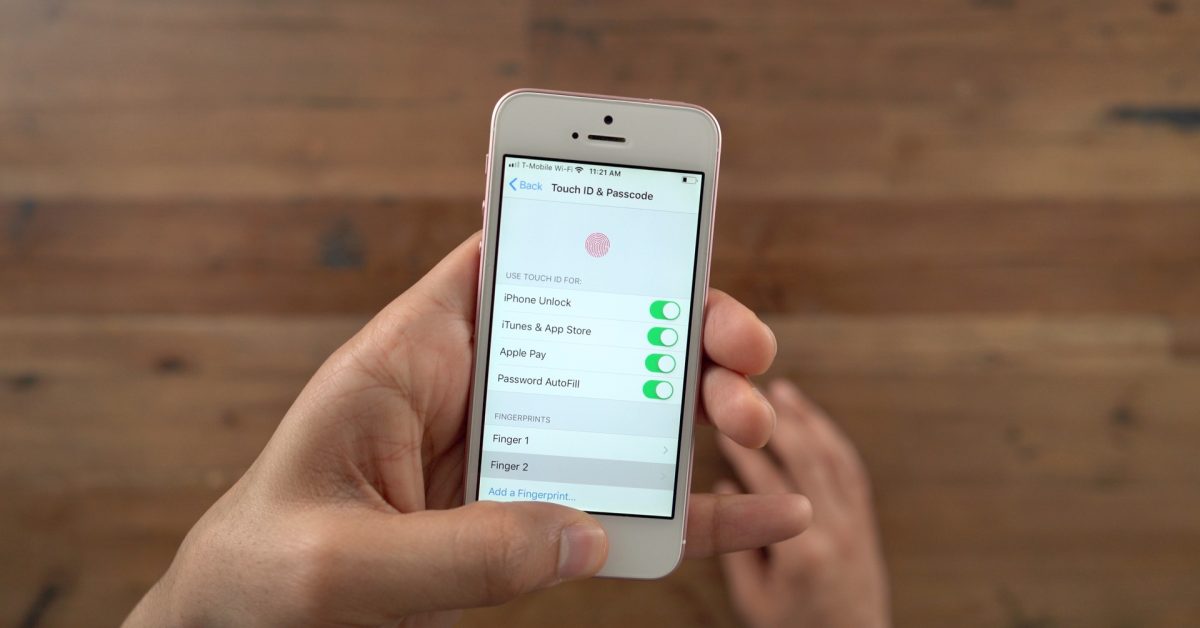
The introduction of Touch ID on the iPhone 5S ten years ago revolutionized smartphone security and popularized the use of biometric authentication. Prior to Touch ID, most users did not set up passcodes on their phones. Touch ID made unlocking devices effortless and paved the way for features like Apple Pay. It also influenced other smartphone manufacturers to incorporate fingerprint scanners into their devices. While Apple has since transitioned to Face ID, Touch ID's impact on smartphone design and security can still be felt today.