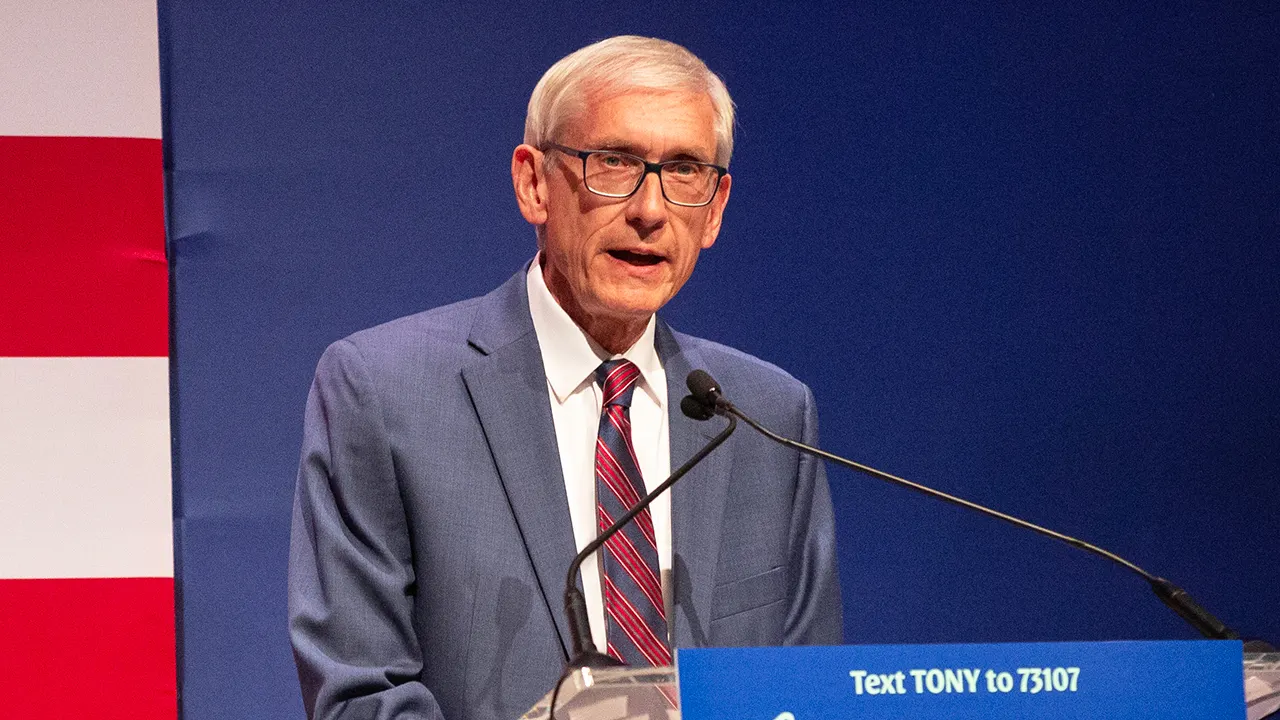
Wisconsin Governor Tony Evers announced he will not seek a third term, opening the door for a competitive Democratic primary and potential Republican candidates, with the primary scheduled for August 11, 2026, and the general election on November 3, 2026.
Wisconsin Governor Tony Evers, who has been a key figure in ending Republican dominance in the state, announced he will not seek a third term, paving the way for a competitive Democratic primary and a potentially open race in the battleground state.
Wisconsin Governor Tony Evers announced he will not seek re-election, opening up a competitive and potentially costly Democratic primary with several prominent candidates vying for the position in a state known for close gubernatorial races.
Wisconsin Governor Tony Evers, a Democrat, announced he will not seek re-election in 2026 to spend more time with his family, setting the stage for a competitive race with multiple candidates from both parties in a closely divided battleground state.
Budget negotiations between Wisconsin Gov. Tony Evers and Republican lawmakers have collapsed over disagreements on spending and tax priorities, with Republicans planning to proceed with their own budget proposal as the current fiscal year ends on June 30.
Republican-appointed University of Wisconsin regent Robert Atwell refuses to step down at the end of his term, citing a state Supreme Court ruling that allows him to remain until a successor is confirmed by the state Senate. Atwell, appointed by former Gov. Scott Walker, expressed concerns about the UW system's financial reporting and COVID-19 vaccine mandate policies. Democratic Gov. Tony Evers has yet to announce a successor.
Republican-appointed University of Wisconsin regent Robert Atwell refuses to step down when his term ends, citing a state Supreme Court ruling that allows political appointees to remain until a successor is confirmed by the Senate. Atwell, appointed by former Gov. Scott Walker, plans to stay on to support communication between legislators and the regents, while criticizing the UW system's financial reporting and COVID-19 vaccine mandate policies. Democratic Gov. Tony Evers has not yet announced a successor.
The Wisconsin Supreme Court is considering a case brought by Governor Tony Evers against the Republican-controlled Legislature, challenging the power of legislative committees, particularly the budget-writing Joint Finance Committee. Evers argues that the committee is exceeding its constitutional authority and acting as a fourth branch of government. Justices expressed concerns about the potential impact on the separation of powers, with conservative justices questioning the broad implications of a ruling in favor of Evers. The case revolves around the committee's rejection of conservation projects, and a ruling is expected in the coming weeks or months.
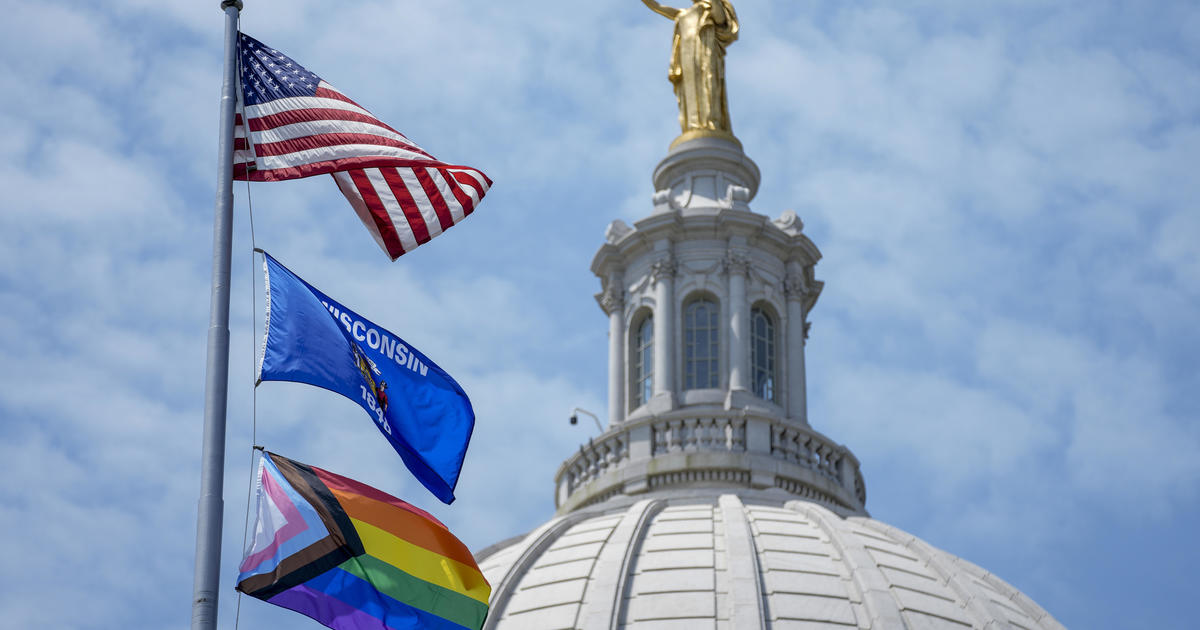
Wisconsin Governor Tony Evers, a Democrat, faces backlash for vetoing a GOP bill aimed at preventing transgender students from competing in school sports teams that do not align with their biological sex. Evers cited concerns about discrimination and harmful rhetoric targeting LGBTQ individuals, particularly transgender and gender nonconforming kids. Critics accuse Evers of despising women and failing to protect female athletes, while Evers argues that the bill conflicts with existing state and federal policies. The measure passed through the GOP-controlled legislature but was vetoed by Evers, who vowed to veto any bill that makes Wisconsin less inclusive for LGBTQ people and kids.
Wisconsin Governor Tony Evers vetoed a bill that would have banned transgender high school athletes from competing on teams aligning with their gender identity, citing the need to create a safe and inclusive environment for LGBTQ individuals. The bill had passed the Republican-controlled Legislature, but Evers' veto cannot be overridden. Supporters argued it was a matter of fairness for non-transgender athletes, while opponents viewed it as discriminatory and harmful to transgender youth. Meanwhile, neighboring Minnesota has passed legislation to protect LGBTQ+ youth and transgender individuals, positioning itself as a refuge state.
Wisconsin Governor Tony Evers vetoed a bill passed by the Republican-controlled Legislature that aimed to ban high school transgender athletes from competing on teams aligning with their gender identity, citing harm to LGBTQ individuals and kids' mental health. Evers' veto was supported by Democratic lawmakers and transgender advocates, while Republicans accused him of disrespecting women and girls. The bill's opponents argued that there was no real issue with transgender high school athletes in Wisconsin and that the proposed ban was discriminatory and harmful. The veto comes amid a broader national debate on transgender athletes' participation in sports, with the Biden administration proposing a rule to forbid blanket bans on transgender athletes, citing violations of Title IX.
Wisconsin Governor Tony Evers vetoed a bill passed by the Republican-controlled Legislature that aimed to ban transgender high school athletes from competing on teams aligning with their gender identity. Evers, surrounded by Democratic lawmakers and advocates, emphasized the harm such legislation poses to LGBTQ individuals and their mental health. The veto comes amid a nationwide debate, with at least 20 states having approved similar bans, while a Biden administration proposal seeks to forbid such outright bans, citing violations of Title IX.
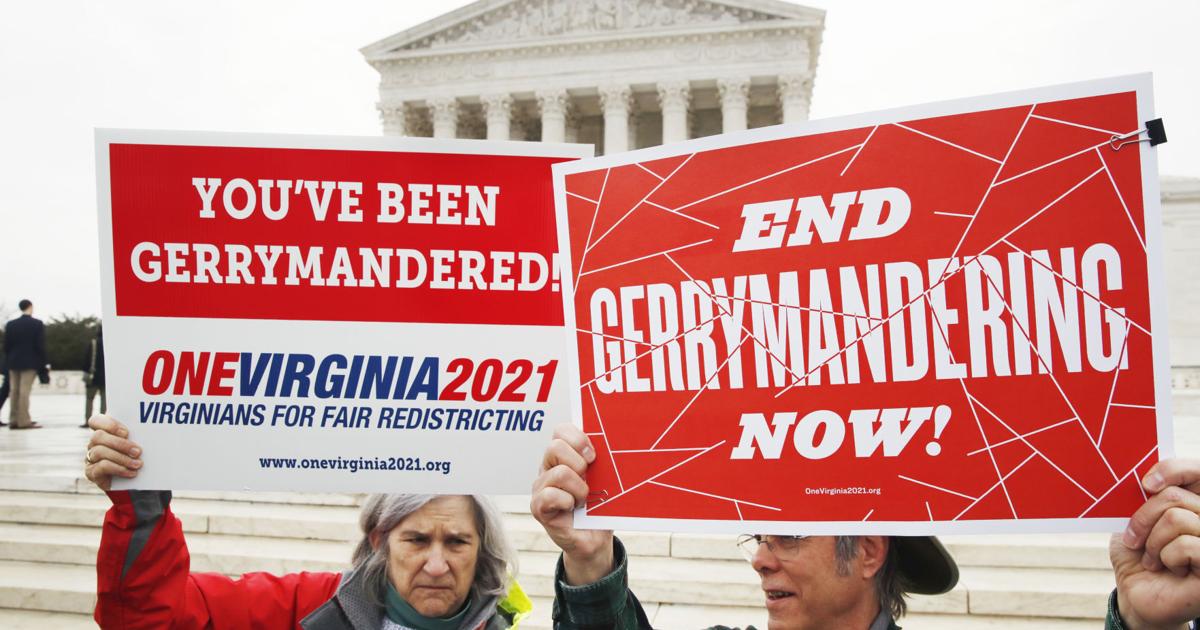
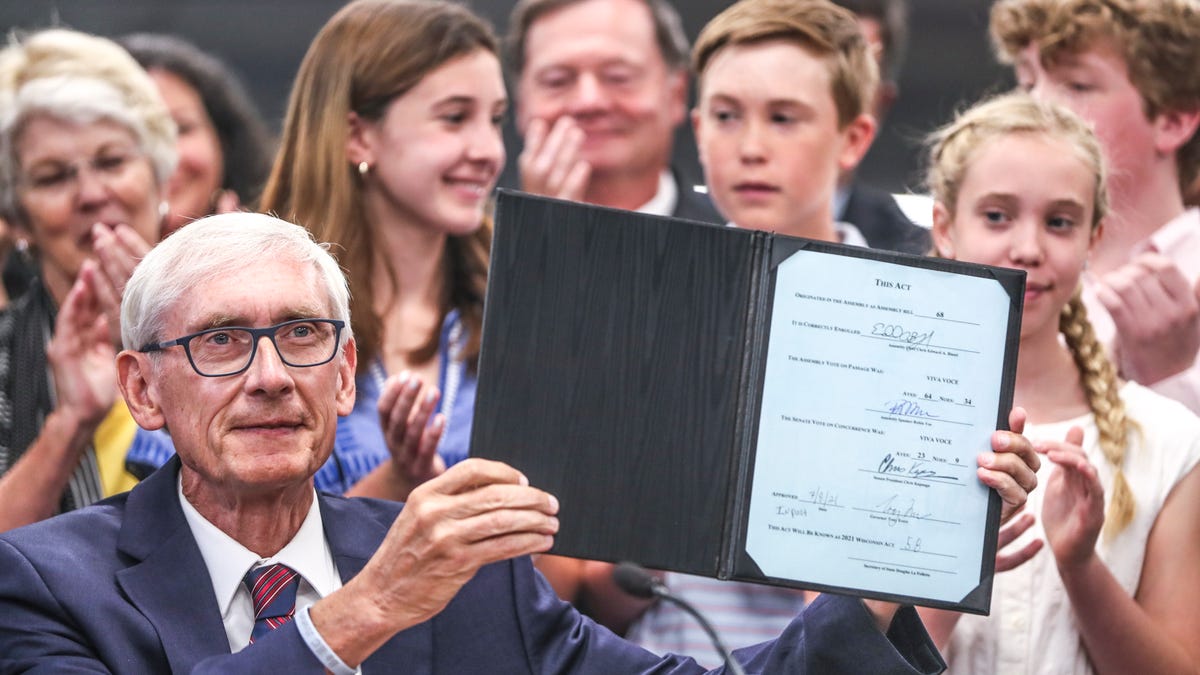
Wisconsin's new legislative maps, signed into law by Gov. Tony Evers, are expected to make the state's Legislature more evenly balanced between the two major parties. The maps have created 10 highly competitive districts, with seven in the Assembly and three in the Senate, where control of the Legislature could hinge on the outcome of elections. These changes come after years of Republican dominance in the Legislature despite losing statewide races, and the new maps are likely to prompt both parties to target a larger number of districts in upcoming elections.
Wisconsin Governor Tony Evers is urging the state Supreme Court to reconsider the congressional maps, arguing that the current maps were drawn under now-defunct constraints. The move comes after new legislative boundaries were approved to weaken Republican control. Evers' request is the latest development in the congressional map inquiry, with Democrats facing a tight deadline to implement new maps before the November election. Republicans have pushed back on the effort to change the congressional maps, arguing that Evers is asking the court to review the maps he drew.
Wisconsin Governor Tony Evers signed new legislative maps into law, reflecting the state's "purple" nature, after the Wisconsin Supreme Court struck down the previous Republican-drawn maps. The new maps aim for a more balanced representation between Republicans and Democrats, in contrast to the current Republican-majority. Republicans opted for the new map to avoid a less favorable outcome from the Democratic-leaning high court, with state Sen. Van Wanggaard likening the decision to choosing the lesser of multiple unfavorable options.