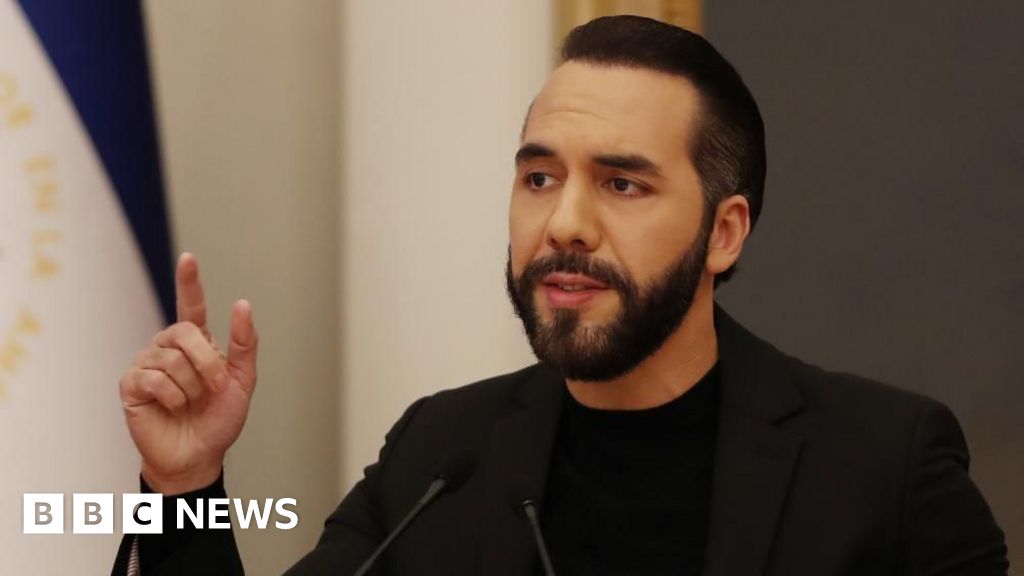
Nayib Bukele's move to remove presidential term limits in El Salvador allows him to seek re-election indefinitely, raising concerns about democratic backsliding and his potential to rule for life.
El Salvador's National Assembly approved constitutional amendments allowing President Nayib Bukele to run for re-election indefinitely and extending the presidential term from five to six years, consolidating his power amid concerns over democratic backsliding.
El Salvador's congress approved reforms abolishing presidential term limits, enabling President Nayib Bukele to seek unlimited re-elections and extending his term to six years, amid criticism that this move undermines democracy and consolidates one-party rule.
Rep. Ralph Norman announced his bid for South Carolina governor, emphasizing his conservative stance, support for term limits, and praise for Donald Trump, with endorsements from Nikki Haley and others, as he seeks to challenge other GOP candidates in the upcoming election.
House Democrats' younger wing achieved a significant victory with Rep. Robert Garcia winning the top Democratic position on the Oversight Committee, signaling a broader push for generational change and term limits within the party amid ongoing grassroots revolt against the old guard.
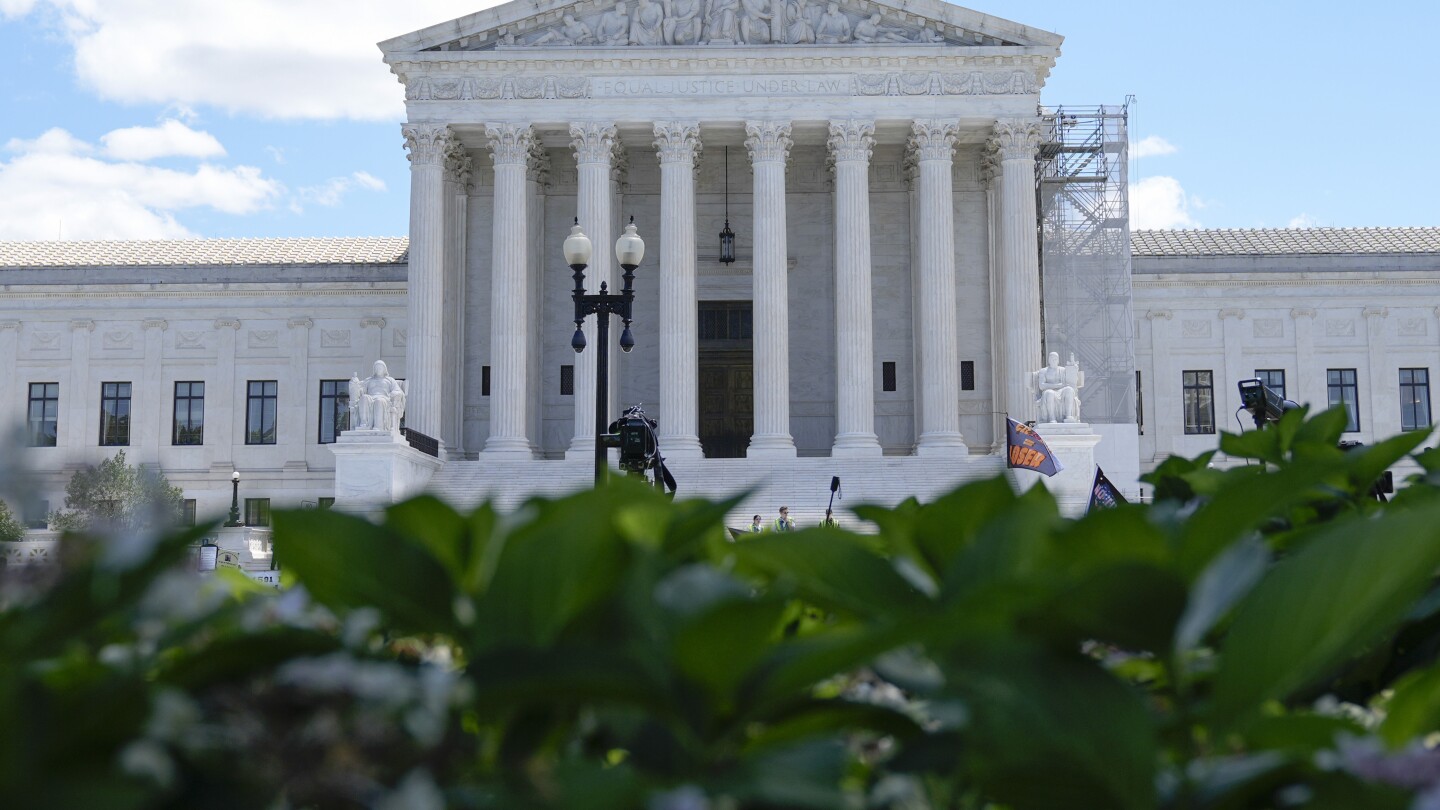
Senators Joe Manchin and Peter Welch have proposed a constitutional amendment to impose 18-year term limits on Supreme Court justices, aiming to address the declining public trust in the judiciary. This proposal, which aligns with President Biden's views, would not affect current justices but would create regular vacancies every two years. Despite the initiative, the amendment faces significant hurdles, including Manchin's impending retirement and the challenging ratification process requiring broad legislative and state support. The proposal reflects growing concerns over the Supreme Court's role and partisanship.
President Biden is set to propose term limits and a mandatory ethics code for U.S. Supreme Court justices, marking a significant shift in his stance. However, these changes would require a constitutional amendment or congressional action, both challenging in the current political climate. The proposals come as Biden seeks to appeal to progressives and other key voter groups ahead of the presidential election.
President Biden is considering proposals to reform the Supreme Court, including term limits for justices and an enforceable ethics code. These changes would require Congressional approval. Biden's engagement on this issue marks a shift from his previous stance, and comes amid recent high-profile Supreme Court decisions and ethics controversies involving Justices Clarence Thomas and Samuel Alito. Progressive groups are using the Supreme Court issue to mobilize voter support for Biden and Democratic control of Congress.
President Joe Biden's plan to endorse term limits and an enforceable ethics code for U.S. Supreme Court justices has garnered support from a majority of Republicans, according to recent polls. While Biden's plan does not include expanding the court, it aims to address recent ethics scandals and controversial decisions. The proposal reflects broad public support across political parties, though its success in Congress remains uncertain.
President Joe Biden is seriously considering proposals to establish term limits for U.S. Supreme Court justices and implement an enforceable ethics code, amid growing concerns about accountability and recent controversial court decisions. These changes would require congressional approval, which is unlikely in a divided Congress. Biden's move comes as he faces pressure from Democrats and aims to counter the conservative majority established by former President Donald Trump.
President Biden is considering legislative proposals to impose term limits and an enforceable code of ethics on Supreme Court justices, as well as a constitutional amendment to limit presidential immunity. These changes would require congressional approval, which is unlikely given the current political landscape.
President Joe Biden is considering significant reforms to the Supreme Court, including term limits for justices and a binding code of ethics. He has discussed these plans with Democratic lawmakers and consulted constitutional scholars. While legislative changes are unlikely with a Republican-controlled House, the proposals could serve as a campaign message for Biden.
President Biden is preparing to endorse significant reforms to the Supreme Court, including term limits for justices and an enforceable ethics code, in response to recent ethics scandals and controversial rulings. He is also considering a constitutional amendment to eliminate broad immunity for presidents. The proposed changes, which would require congressional approval, mark a shift for Biden, who has previously resisted calls for court reform.
President Joe Biden is considering significant reforms to the US Supreme Court, including ending lifetime appointments and enhancing the court's ethics code. This marks a major shift for Biden, who has previously resisted such changes. The move comes after controversial court decisions, including the removal of federal abortion rights and rulings favoring former President Trump. Passing these reforms would be challenging in a divided Congress. Biden's potential backing of these changes could become a key issue in the upcoming election.
Florida Gov. Ron DeSantis is advocating for changes to the US Constitution, including term limits for members of Congress, a balanced budget requirement, a line-item veto for the President, and an amendment ensuring laws apply to Congress. He believes these changes will shift power from politicians to the people and plans to collaborate with other states to push for these reforms, citing the need for external pressure as Washington is unlikely to reform itself.