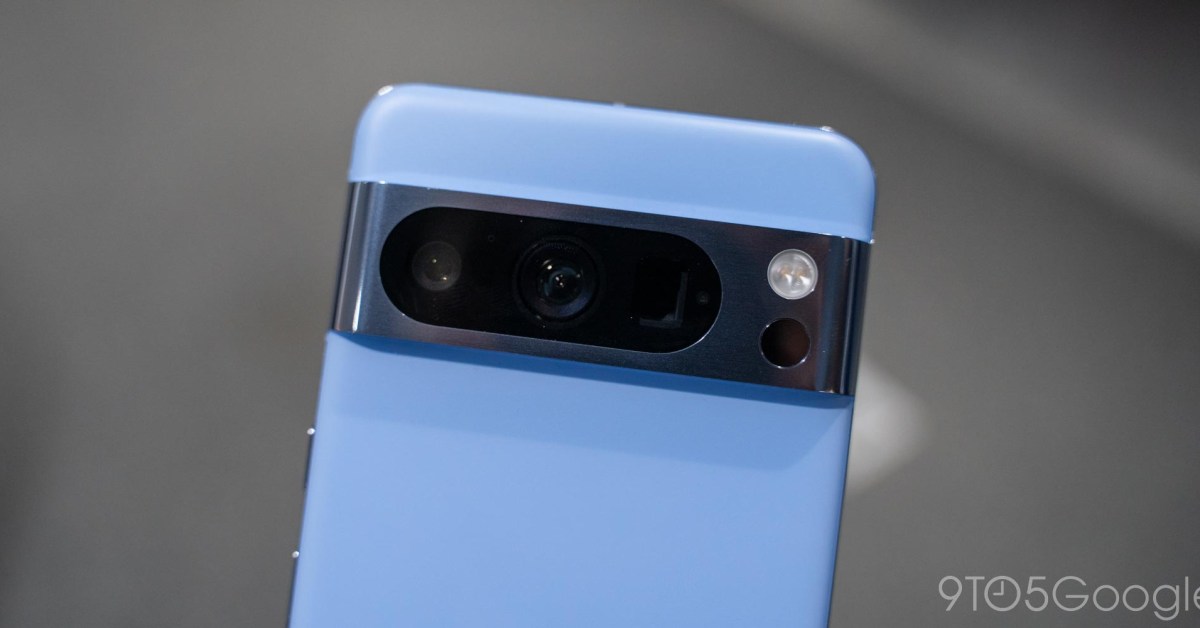
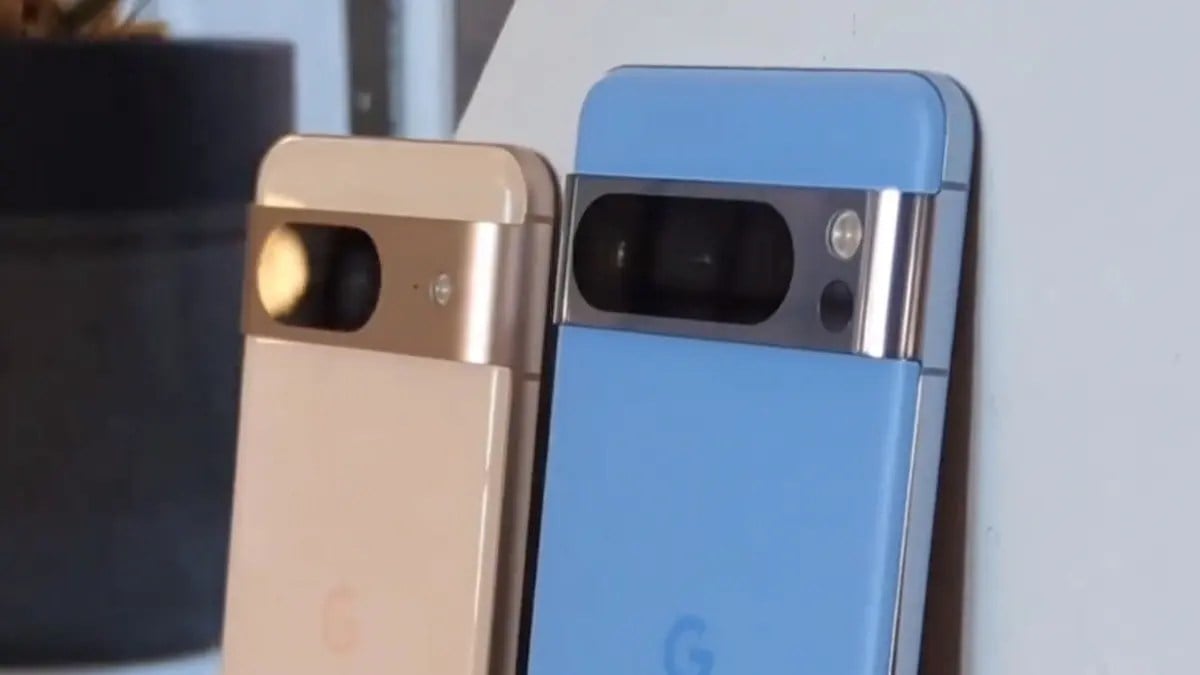
Google's upcoming budget smartphone, the Pixel 8a, is set to feature significant upgrades including a 120Hz display, a Tensor G3 chip, and a brighter screen supporting 1,400 nits at peak brightness. The device is expected to maintain the same 6.1-inch screen size as its predecessor, the Pixel 7a, but with a corner radius matching the Pixel 8 series. While the camera system remains unchanged, the Pixel 8a is anticipated to launch soon, possibly at the Google I/O event in early May 2024.
The Google Pixel 8 Pro is now available at a discounted price of $799, down from $999, with $200 off since its launch last month, featuring the new Tensor G3 chip and AI capabilities. The smaller Google Pixel 8 is also on sale at $540, down from $699. Both smartphones offer AI-powered features and improved camera systems.
Google has blocked the installation of benchmarking tools like GeekBench and 3DMark on its new Pixel 8 Series smartphones, indicating a focus on AI-driven efficiency rather than raw performance. The Tensor G3 chip in the Pixel 8 Series features a unique 9-core CPU architecture and a 10-core GPU with ray-tracing acceleration capabilities. Despite Google's restrictions, users have found workarounds to run benchmarking tools, revealing performance gaps compared to competitors like the Qualcomm Snapdragon 8 Gen2 chip. Google's approach challenges the importance of benchmark scores in evaluating smartphone quality, emphasizing the value of AI capabilities.