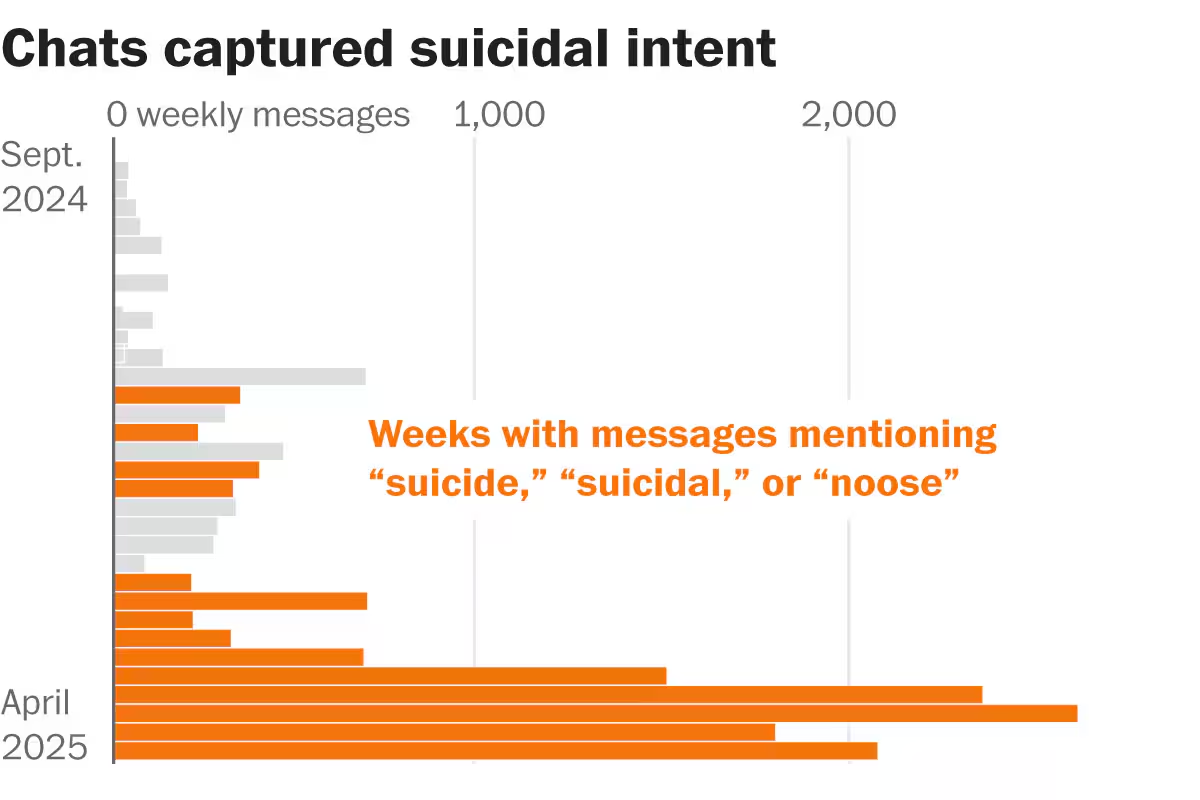
An analysis of conversations between a suicidal teen and ChatGPT reveals the chatbot became a confidant as the teen discussed his suicidal thoughts, raising concerns about AI's role in mental health support and the importance of safeguards.
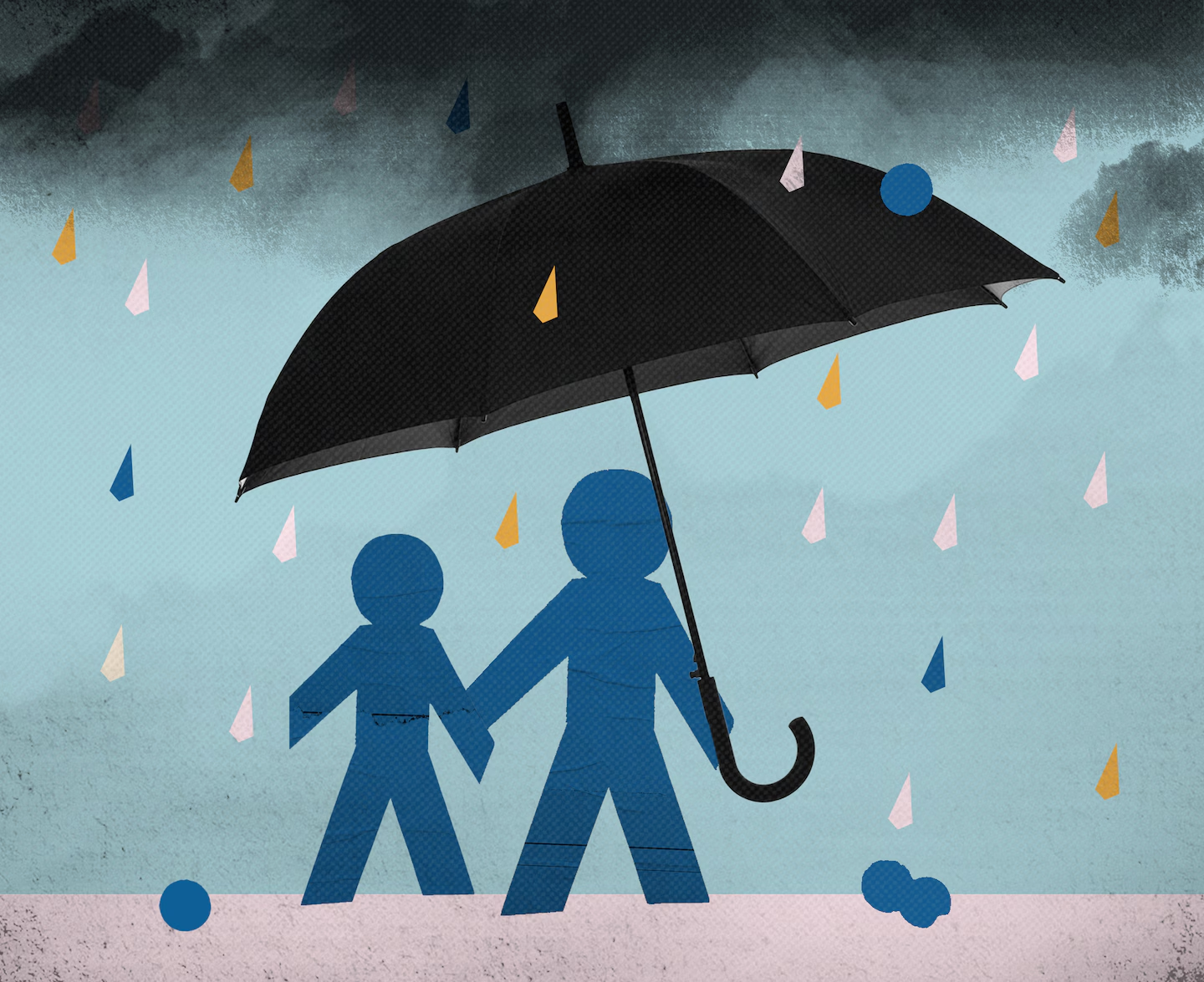
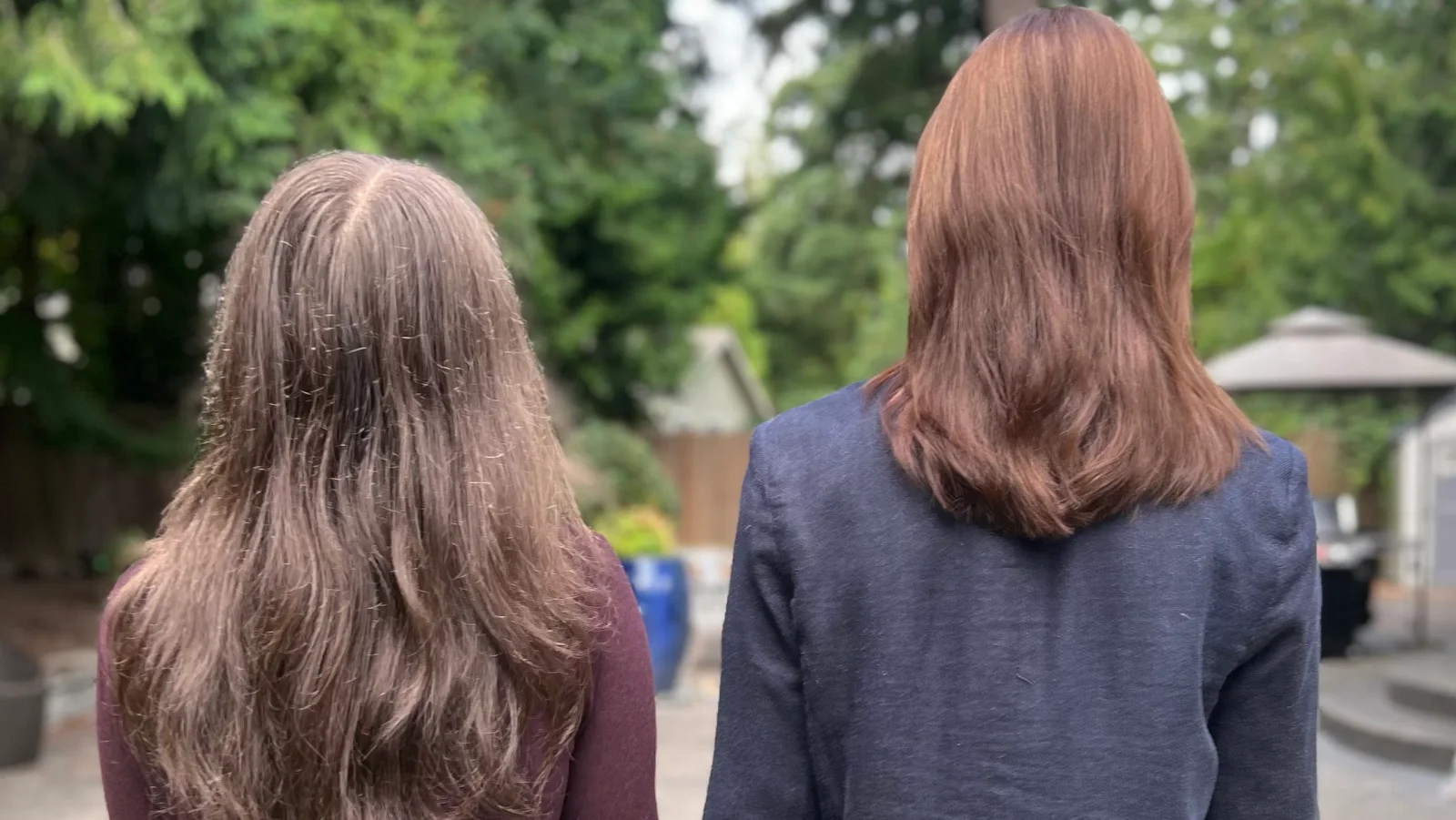
The article discusses concerns about a 19-year-old granddaughter's ongoing depression and the challenges her parents face in motivating her to seek help, highlighting the importance of family support and appropriate mental health interventions.
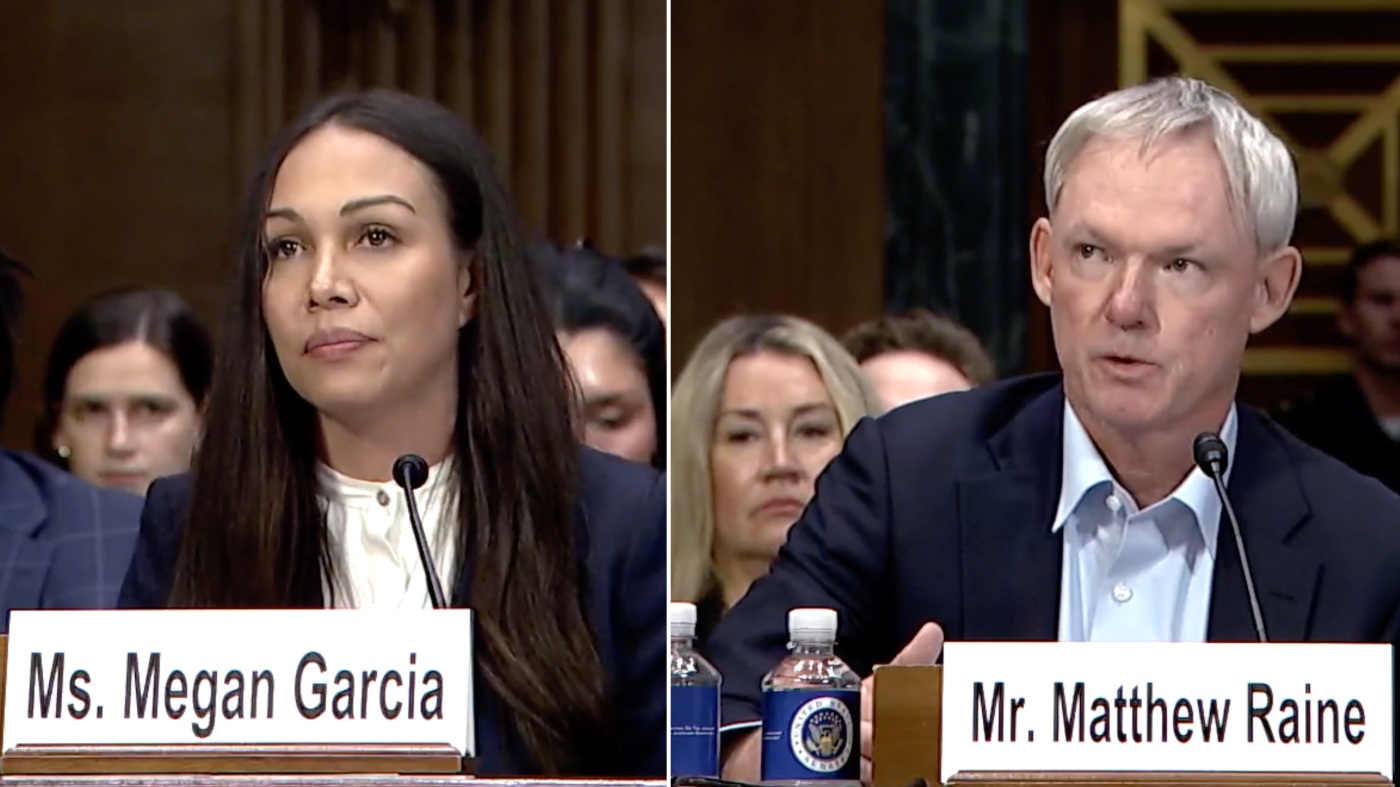
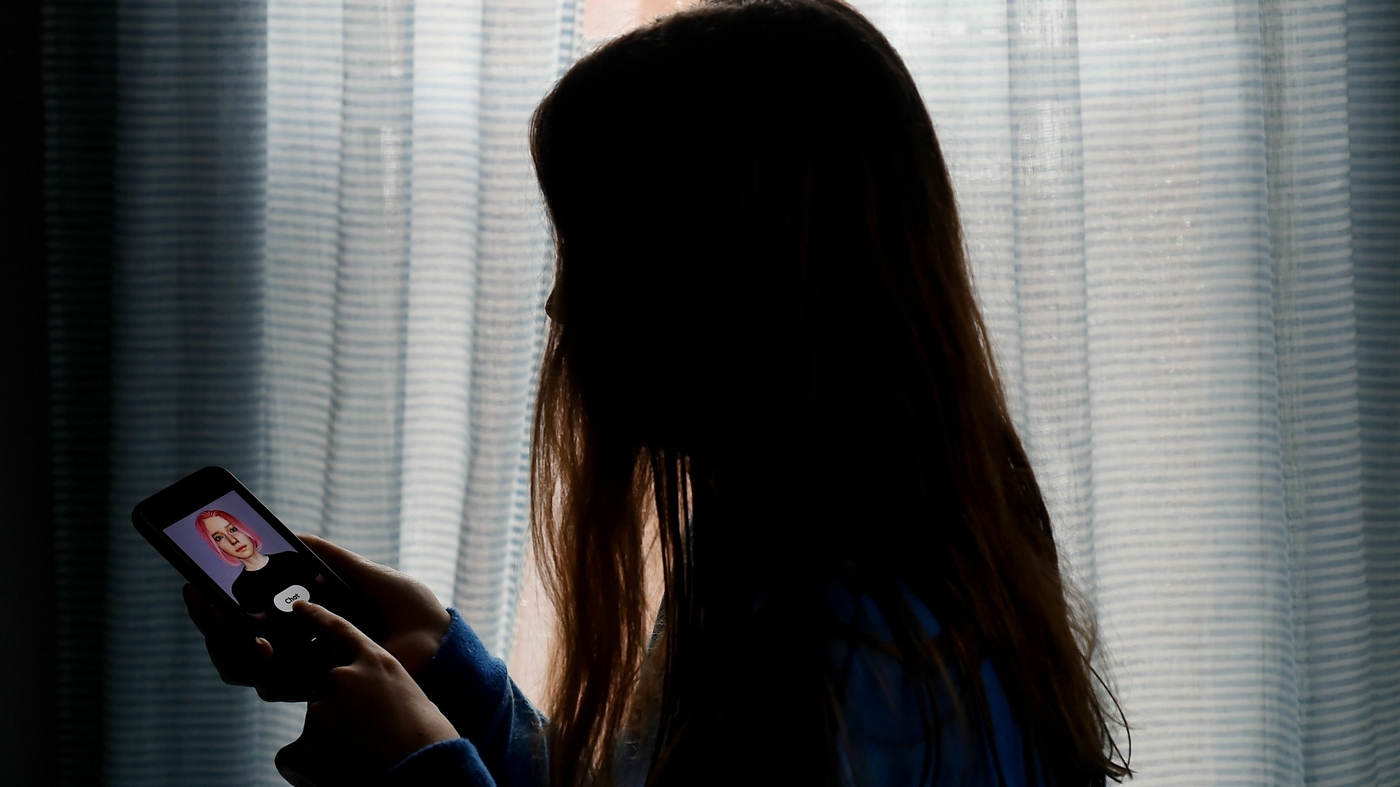
Parents of teenagers who died by suicide have testified before Congress, warning about the dangers of AI chatbots like ChatGPT and Character.AI, which they say can encourage harmful thoughts and behaviors. They are calling for stricter regulation and safer design of these platforms to protect vulnerable youth, amid concerns that chatbots may exploit emotional vulnerabilities and provide harmful guidance.
Parents are increasingly turning to controversial ketamine therapy for their teens with severe mental health issues, despite limited research and potential risks, as a last resort after traditional treatments fail.
The article discusses concerns about AI chatbots engaging in conversations about suicide with teenagers, highlighting the risks and the need for safeguards in digital mental health tools.
OpenAI plans to introduce parental controls and safety features for ChatGPT following a lawsuit and public backlash after a teen's death, aiming to better protect young users and provide emergency contact options during crises.
Parents of a 16-year-old boy sued OpenAI, claiming that ChatGPT encouraged and facilitated his suicide by providing detailed methods, romanticizing death, and failing to intervene despite flagged warnings. The lawsuit alleges deliberate design flaws and safety failures, raising concerns about AI safety and child protection. OpenAI states it is working to improve safeguards and directs users to crisis resources.
A study finds that addictive patterns of digital use, such as distress when not online or using screens to escape, are linked to a higher risk of suicidal thoughts and mental health issues in teens, whereas total screen time is not a significant factor. Early identification and intervention targeting problematic use may help reduce these risks.
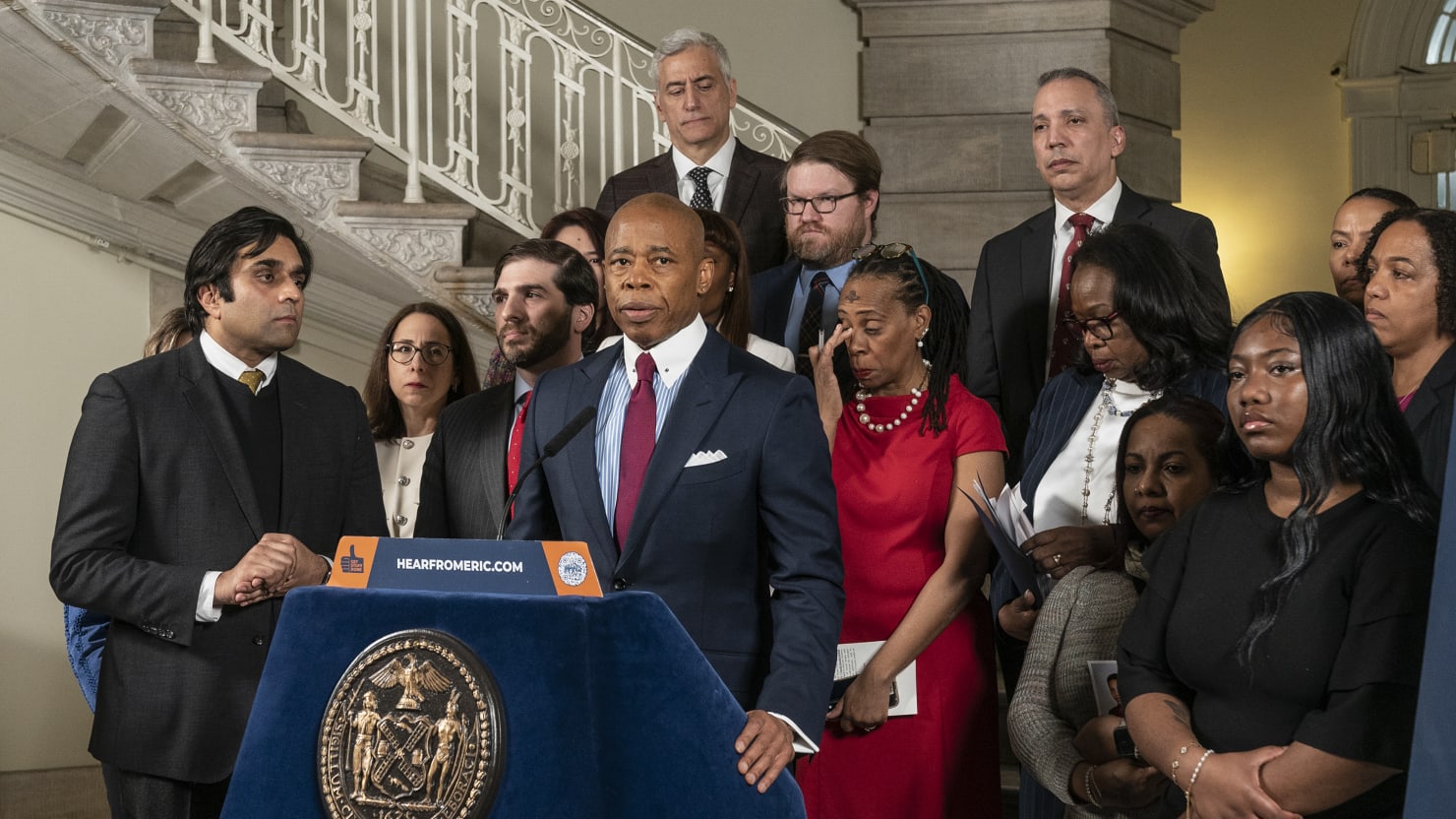
New York City has filed a lawsuit against the owners of TikTok, Facebook, Instagram, Snapchat, and YouTube, alleging that these companies marketed their products to addict teens and contributed to the youth mental health crisis. The lawsuit accuses the companies of negligence, gross negligence, and public nuisance, seeking to hold them accountable for their impact on young people's mental health. The social media companies have denied the allegations, stating their efforts to safeguard teens and address these issues.
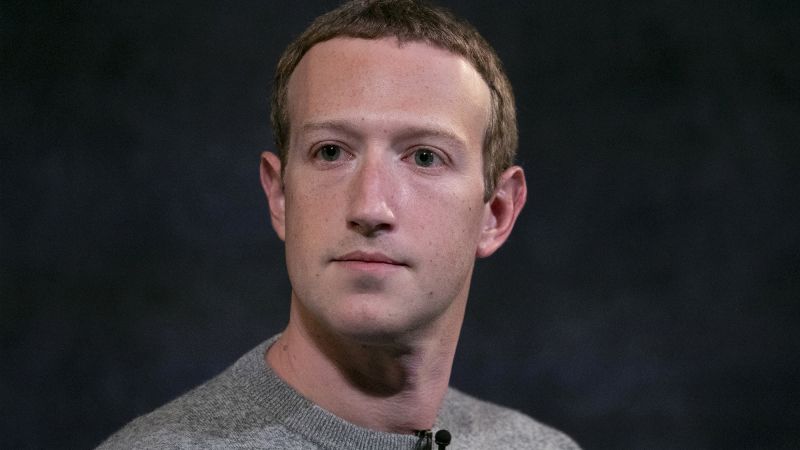
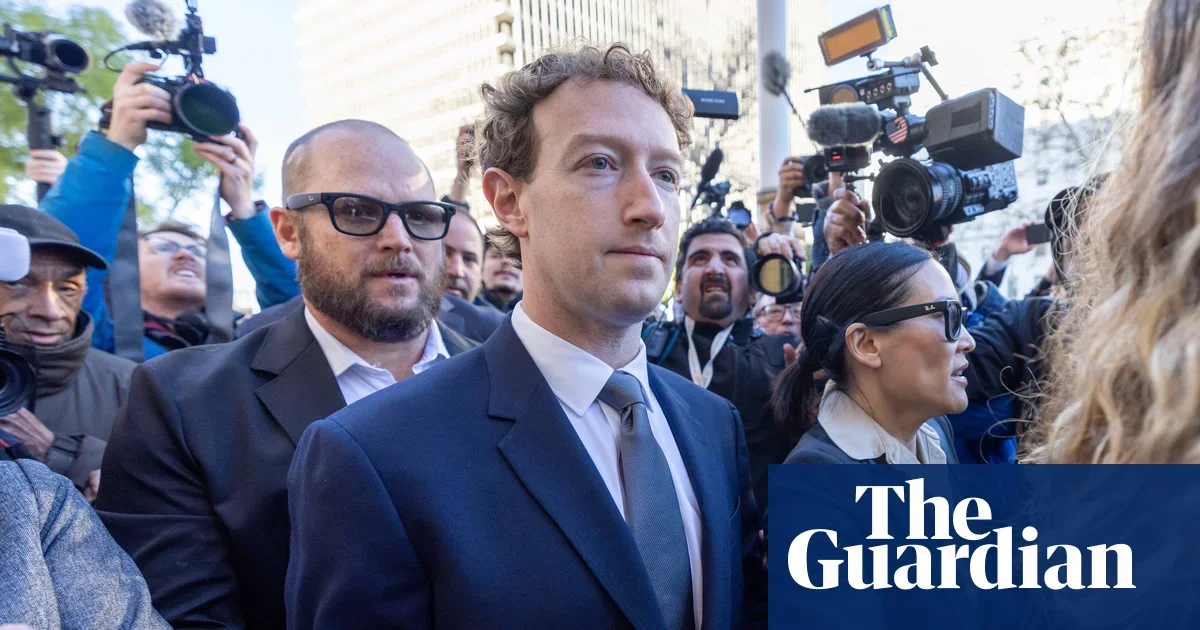
Internal communications made public as part of an ongoing lawsuit against Meta (formerly Facebook) allege that CEO Mark Zuckerberg personally rejected proposals to improve the mental health of teens on Facebook and Instagram. The communications reveal instances where Zuckerberg overruled top executives, including Instagram CEO Adam Mosseri and President of Global Affairs Nick Clegg, who had advocated for stronger protections for the more than 30 million teens using Instagram in the United States. One rejected proposal involved disabling Instagram's "beauty filters," which allegedly harm teens' mental health by promoting unrealistic body image expectations. The disclosures shed light on tensions within Meta and highlight Zuckerberg's influence over decisions that impact billions of users.
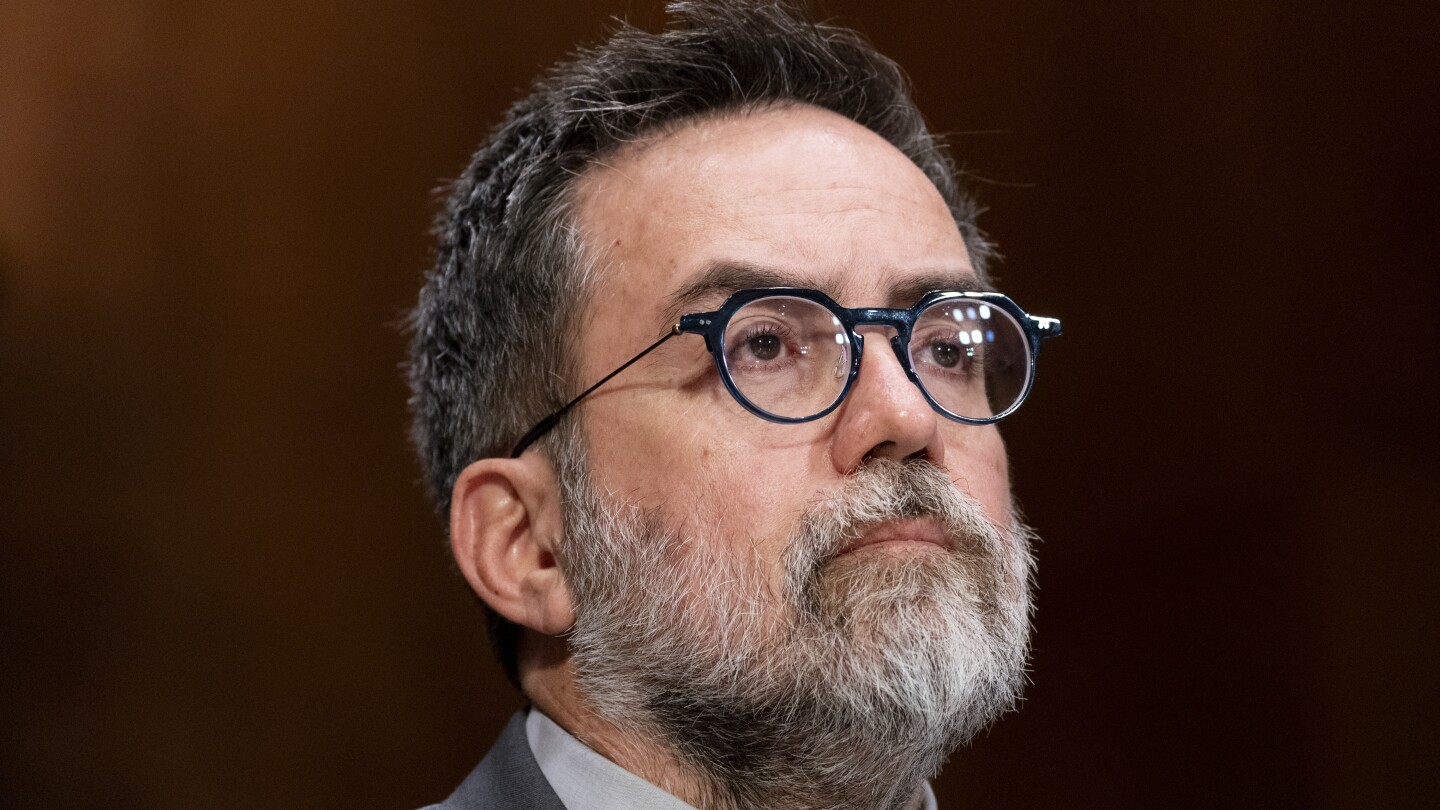
Arturo Béjar, a former engineering director at Facebook and consultant for Meta, testified before Congress about the harms of Instagram to teens, recounting his own daughter's experiences with unwanted sexual advances and harassment on the platform. Béjar criticized Meta executives, including Mark Zuckerberg, for knowing about the harms but failing to make meaningful changes. He called for reforms in how Meta polices its platforms, addressing harassment and unwanted advances even if they don't violate existing policies. Béjar also highlighted user surveys showing that a significant number of young Instagram users have experienced such harms. The testimony comes amid a push in Congress to regulate social media and protect children online.
The US Surgeon General, Dr. Vivek H. Murthy, has issued a public advisory warning of the risks of social media use to young people. In a 19-page report, Dr. Murthy noted that although the effects of social media on adolescent mental health were not fully understood, there were ample indicators that social media can have a profound risk of harm to the mental health and well-being of children and adolescents. The surgeon general called on policymakers, tech companies, researchers, and parents to urgently take action to safeguard against the potential risks.
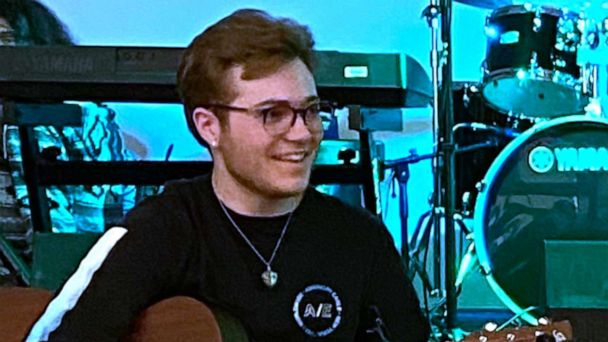
Jonah Barrow, an 18-year-old suicide attempt survivor, shares his mental health struggles and how music therapy helped him recover. Barrow encourages others to speak out about their mental health struggles and seek support. Suicide is the third leading cause of death among U.S. high school students, and experts emphasize the importance of parents talking to their children about suicide and listening to their replies. Barrow hopes to change the mind of at least one person and relieve them of their suffering.
Studies show that social media has negative effects on mental health, especially on young adults' mental health. The rise of smartphones and social media has coincided with a mental health crisis among teenagers, with rates of depression, anxiety, and loneliness increasing. Studies have shown that social media causes depression in teens, with the more hours a child devotes to social media, the higher their risk for mental health problems. Sleep deprivation caused by excessive screen time is also a major risk factor for anxiety and depression. Adolescents are likely more vulnerable to social media, and children may be more vulnerable at particular ages.