The Biden administration has agreed to provide $6.1 billion in government support to Micron Technology for the production of advanced memory computer chips in New York and Idaho, with plans for four chip factories near Syracuse and a $15 billion memory chip plant in Boise. This funding comes from the 2022 CHIPS and Science Act, aiming to support the domestic semiconductor industry and reduce the risk of chip shortages. Senate Majority Leader Chuck Schumer sees this as a significant boost to the manufacturing sector and a move towards reviving the economy, while President Biden emphasizes the importance of computer chips in various applications and criticizes the previous administration's approach to boosting the sector and curbing China's access to chips.
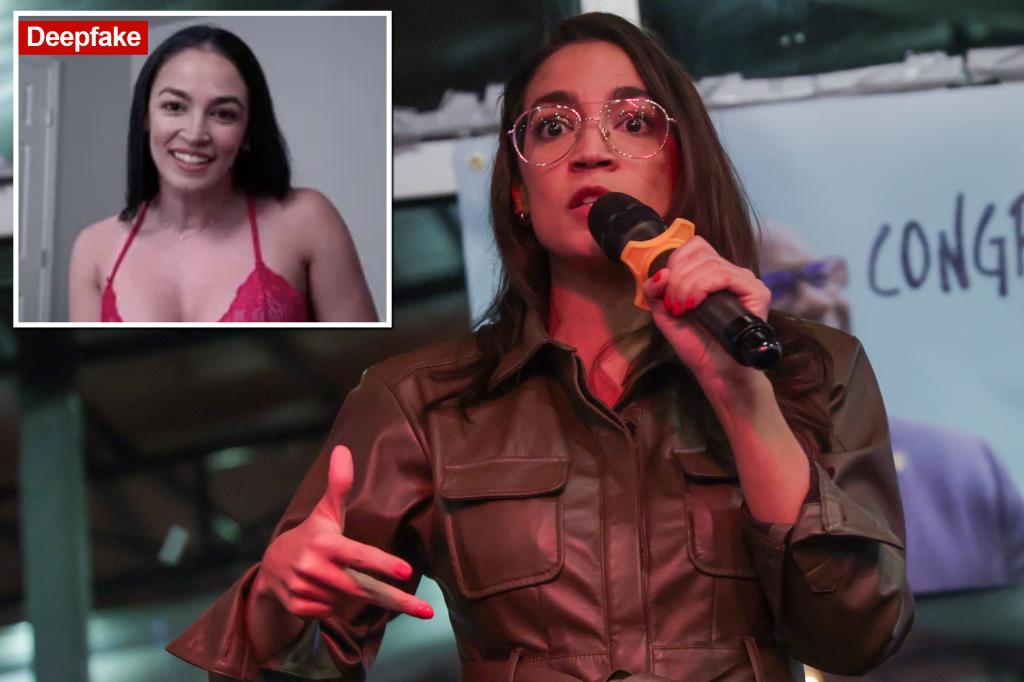
Rep. Alexandria Ocasio-Cortez revealed her shock at encountering an AI-generated deepfake porn video of herself, emphasizing the real and harmful impact of such content. She is spearheading the DEFIANCE Act of 2024 to make it easier for victims to take legal action against nonconsensual AI porn. Ocasio-Cortez sees the use of AI in porn production as a symptom of a larger societal issue and remains resolute in the face of attempts to force her out of politics through digitally manipulated content.
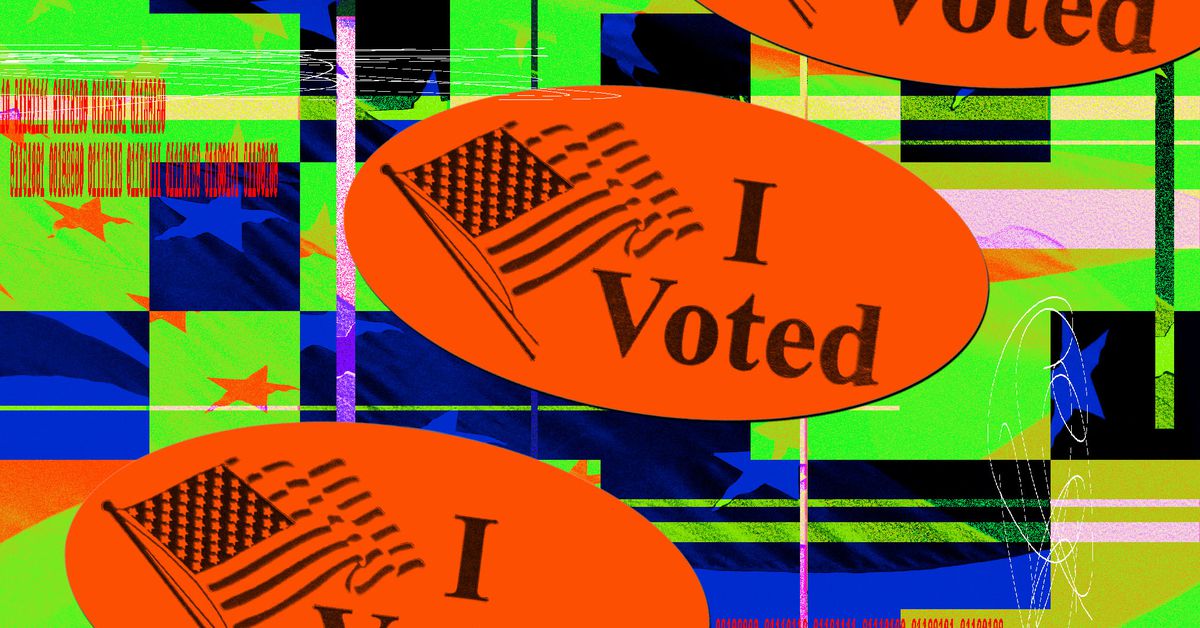
AI companies like Google, OpenAI, and Microsoft are implementing measures to handle the potential misuse of generative AI tools during the upcoming US presidential election, including refusing to answer election-related queries, referring users to reliable voting information sources, and improving the accuracy of chatbot responses. These companies have also committed to preventing deceptive use of AI in elections through initiatives such as digital watermarking, banning the use of generative AI tools by political campaigns, and signing an accord to mitigate misleading AI-generated content. As the 2024 election approaches, the effectiveness of these safeguards and commitments will be put to the test.
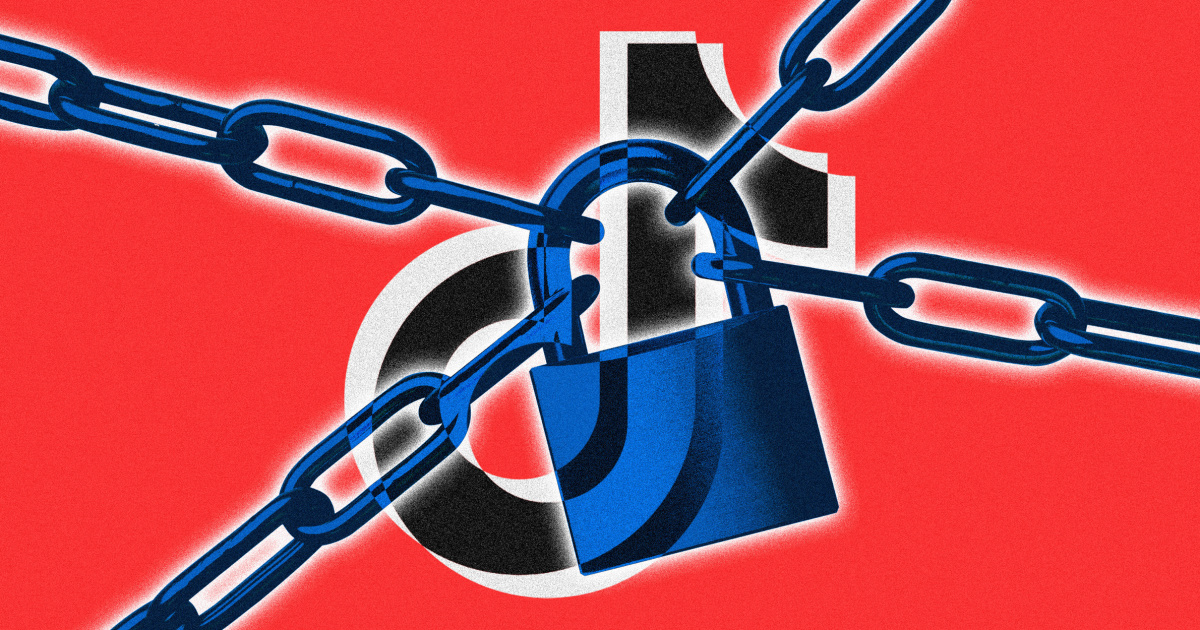
The proposed TikTok ban in the US could empower authoritarian censorship globally and damage the country's reputation as a proponent of free speech. While proponents cite concerns about Chinese propaganda and data collection, critics argue that such a ban could set a precedent for other countries to restrict US-based platforms. The US has historically championed internet freedom and condemned other nations for limiting access, but a TikTok ban may undermine this stance and encourage internet fragmentation. Experts emphasize the need for a clear explanation of why such a ban is necessary to avoid eroding the US's moral authority in promoting free speech.
Experts conducted a war game exercise to simulate the potential impact of deepfakes on the 2024 election, revealing the potential for AI-enabled tools to spread false information and sow chaos. The exercise highlighted concerns about the readiness of federal and local officials, as well as tech companies, to counter both foreign and domestic disinformation. With the decentralized nature of the U.S. electoral system, questions arose about who should take charge in detecting and addressing deepfakes, as well as the diminished cooperation between government agencies and tech firms. Efforts are being made to bridge this gap and bolster election security, including public education campaigns and partnerships with tech companies, to combat the spread of disinformation and potential election deadlock.
Google is restricting its Gemini AI chatbot from answering election-related questions in countries with upcoming elections, citing an "abundance of caution" and concerns over AI-generated disinformation. The company has faced backlash over its chatbot's image-generation capabilities and is implementing features to prevent the spread of misinformation. Governments and regulators are struggling to keep up with AI advancements' threat to the democratic process, while big tech companies are under pressure to rein in the malicious use of their AI tools.
Congress is considering a bill to ban TikTok, prompting a flood of calls from enraged teenagers to their congressional offices. The proposed bill, titled the Protecting Americans from Foreign Adversary Controlled Applications Act, aims to limit the reach of TikTok in the United States due to concerns about potential surveillance by the Chinese government. TikTok has launched a tool to connect users with their congressional offices to oppose the ban. Lawmakers are facing a backlash from teenagers and adults who are vehemently opposed to losing access to the popular social media platform, with some threatening to vote against the congressmembers responsible.
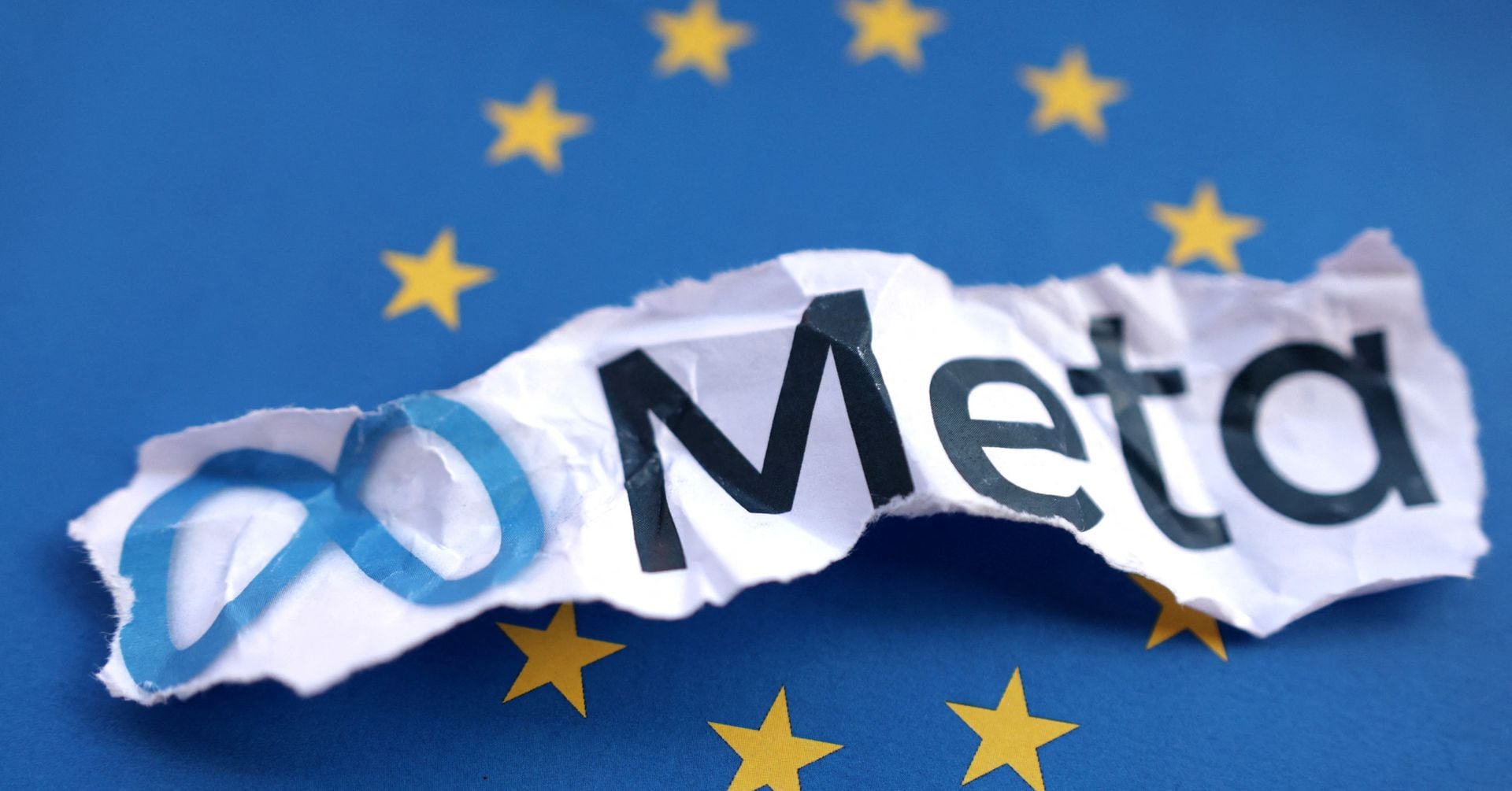
Meta, the owner of Facebook, will establish a team to address disinformation and the misuse of generative artificial intelligence leading up to the European Parliament elections in June. Concerns about election interference and misleading AI-generated content have prompted this move, with the company planning to activate an Elections Operations Center and collaborate with experts to combat misinformation, influence operations, and the risks associated with generative AI abuse. Additionally, Meta will expand its partnerships with fact-checking organizations across the EU and has joined forces with other tech companies to prevent deceptive AI content from impacting elections globally.
The Biden administration's implementation of the CHIPS Act, aimed at boosting the U.S. microchip industry, has caused frustration among semiconductor suppliers, particularly polysilicon makers like Hemlock Semiconductor, who feel left out of the law's tax credit. Despite President Biden's initial support for companies like Hemlock, proposed rules from the Treasury Department and IRS would exclude them from the tax breaks. Lawmakers and industry advocates are pushing for broader support, emphasizing the importance of the entire semiconductor supply chain in maintaining U.S. leadership in the industry and preventing overseas drift.
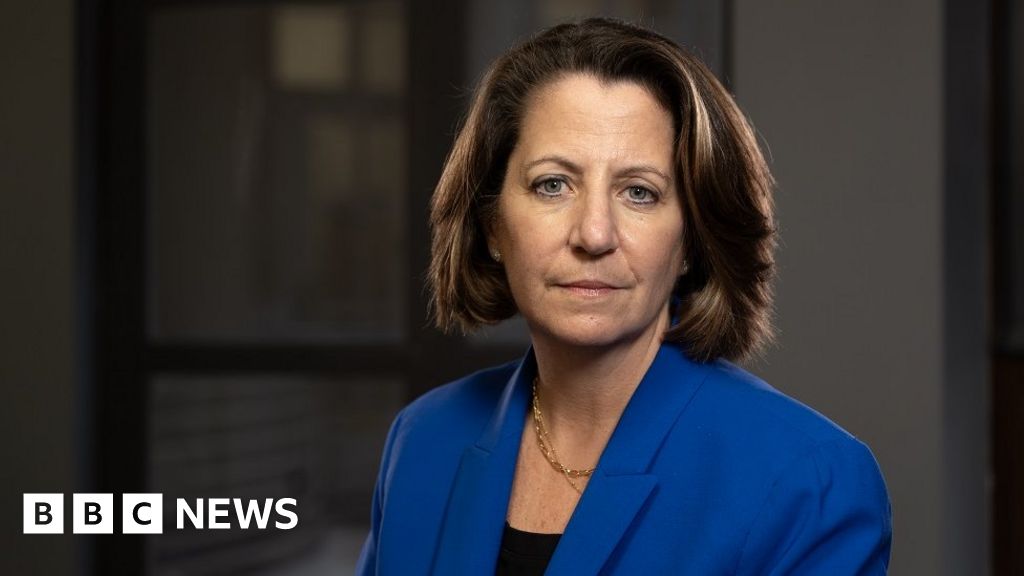
US Deputy Attorney General Lisa Monaco warns that AI could "supercharge" disinformation and incite violence during elections, describing it as a "double-edged sword" with potential for both benefits and misuse. Plans are underway to make the use of AI by criminals an aggravating factor in US court sentencing, and efforts are being made to protect the upcoming US election from AI-powered misinformation. Monaco expresses concerns about the potential impact of AI on democracy and emphasizes the need for collaboration between governments, tech companies, and legislation to establish appropriate "guardrails" for AI and safeguard democracy.
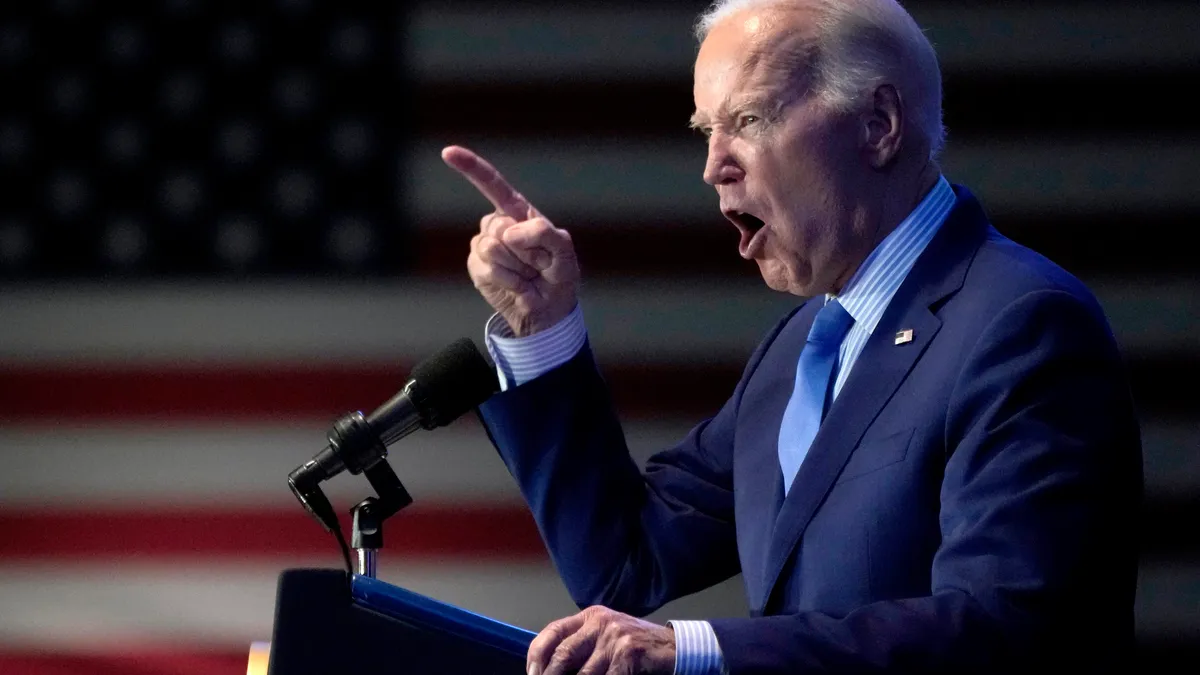
The use of AI-generated deepfakes to spread false information in elections has raised concerns among policymakers, tech companies, and governments. Recent incidents, such as a faked robocall purporting to be from President Biden, have highlighted the potential impact of AI on the electoral process. Lawmakers in 27 states have introduced bills to regulate deepfakes in elections, focusing on transparency and potential bans within a certain window before an election. Tech companies like Meta, YouTube, and TikTok are also taking steps to require disclosure of AI-generated content. However, concerns remain about the effectiveness of these measures in stopping determined bad actors from using AI for electoral disinformation.
As the 2024 presidential election approaches, Meta is being urged to revamp its policy on manipulated videos to address fake or distorted clips that could mislead voters and interfere with elections. The Oversight Board called on Meta to crack down on all doctored content, including faked audio, and clearly define the aim of its policy to encompass election interference. Concerns are rising about the potential impact of AI-generated deepfakes on the election, with experts calling for regulations and standards to address the spread of misleading content on social media platforms.
The World Economic Forum's "Global Risks Report 2024" identifies AI-derived misinformation and disinformation as the top risk for the next two years, surpassing concerns about climate change and war. The report warns that AI could influence large populations of voters, leading to societal polarization. Additionally, extreme weather events, critical changes to earth systems, and biodiversity loss are anticipated as the most likely risks over the next decade. The report calls for global cooperation and building guardrails to address these disruptive emerging risks.
Apple faced backlash from the Indian government after notifying journalists and opposition politicians of potential hacking attempts by state-sponsored actors using Pegasus spyware. The Indian government, led by the BJP, scrutinized Apple's threat detection methods and pressured the company to retract or downplay the warnings. Despite this, Apple stood by its findings, and the situation underscores the tension between tech companies and governments over digital surveillance and privacy. Investigations into the use of spyware continue, with no clear resolution in sight, and the Indian government has neither confirmed nor denied the use of Pegasus.