The AI market is expected to splinter in 2026, with increased differentiation between companies that develop AI products, those investing heavily in AI infrastructure, and startups. Investors are becoming more cautious, focusing on companies' cash flows and business models, as the market experiences volatility and potential bubbles. The evolving business models of Big Tech and the increasing reliance on debt for AI infrastructure are key factors shaping this future landscape.

A forecaster from BCA Research predicts the AI boom will turn to bust in 2026, leading to a significant stock market decline, especially in tech stocks, due to overinvestment, moderation in AI adoption, and economic slowdown, with the S&P 500 expected to fall 23% and the Nasdaq 31% in 2026.
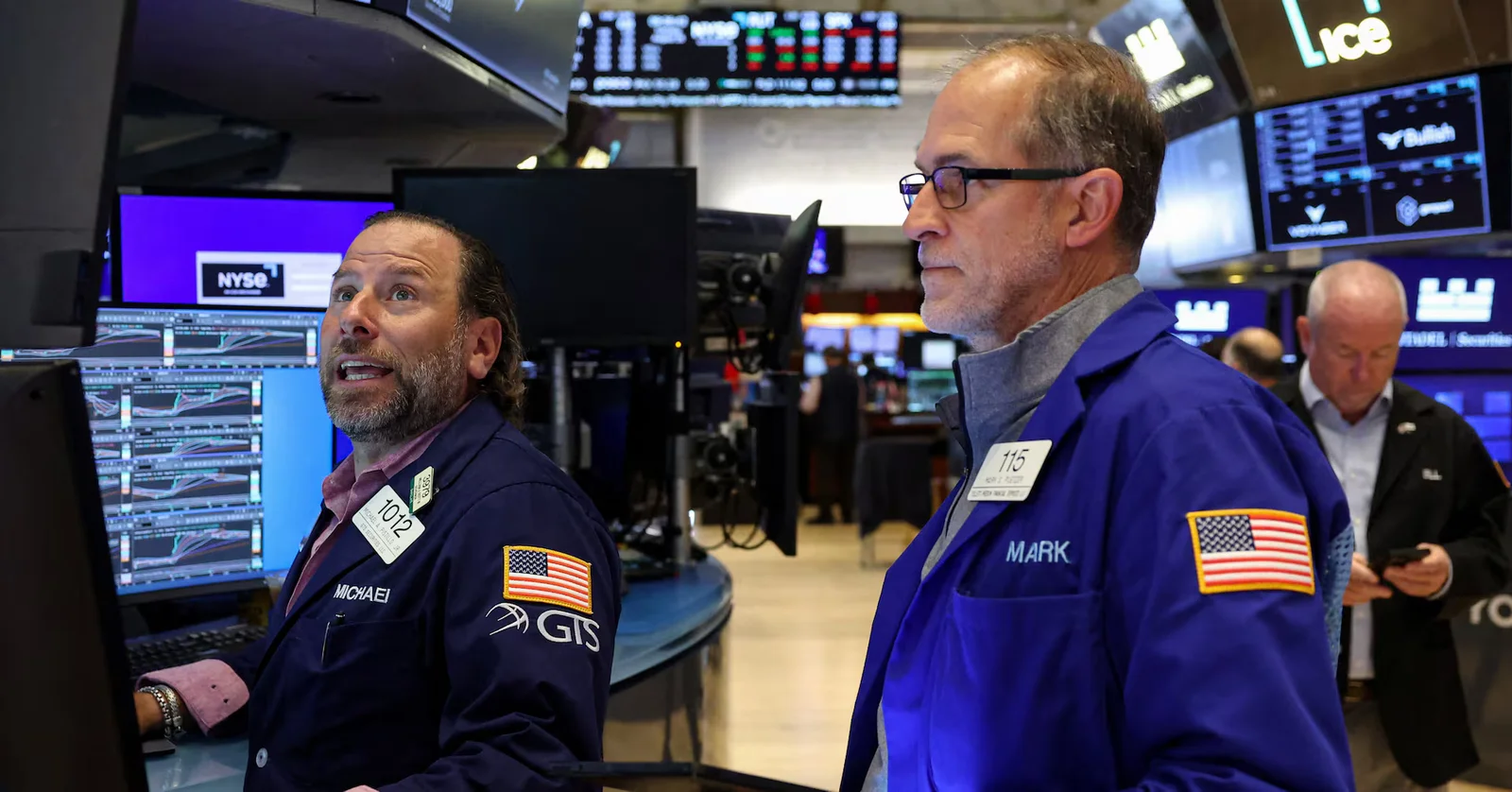
US stocks experienced their biggest decline in a month, sparking debate among investors about the potential depth of a market correction amid concerns over high valuations, narrow leadership driven by tech giants, and economic uncertainties, with some analysts suggesting a possible move towards the 6,400-6,500 level for the S&P 500.
The Bank of England warns of a potential bubble in AI and tech stocks, citing high valuations, market concentration, and risks of a correction similar to the dotcom bubble, amid massive investments and deals in the AI sector, though some analysts believe a full bubble may not be imminent.
U.S. stock indexes were mixed ahead of Nvidia's earnings, with concerns about tech overvaluation and the impact of AI demand on valuations. Nvidia's stock slipped slightly before earnings, while broader markets showed cautious optimism amid geopolitical and economic uncertainties. Investors are also watching potential interest rate cuts and regulatory developments affecting the Federal Reserve.
The article discusses the booming AI industry, highlighting Meta's aggressive talent acquisition and Anthropic's soaring valuation, raising questions about the sustainability of such high investments amid a competitive and rapidly evolving market.
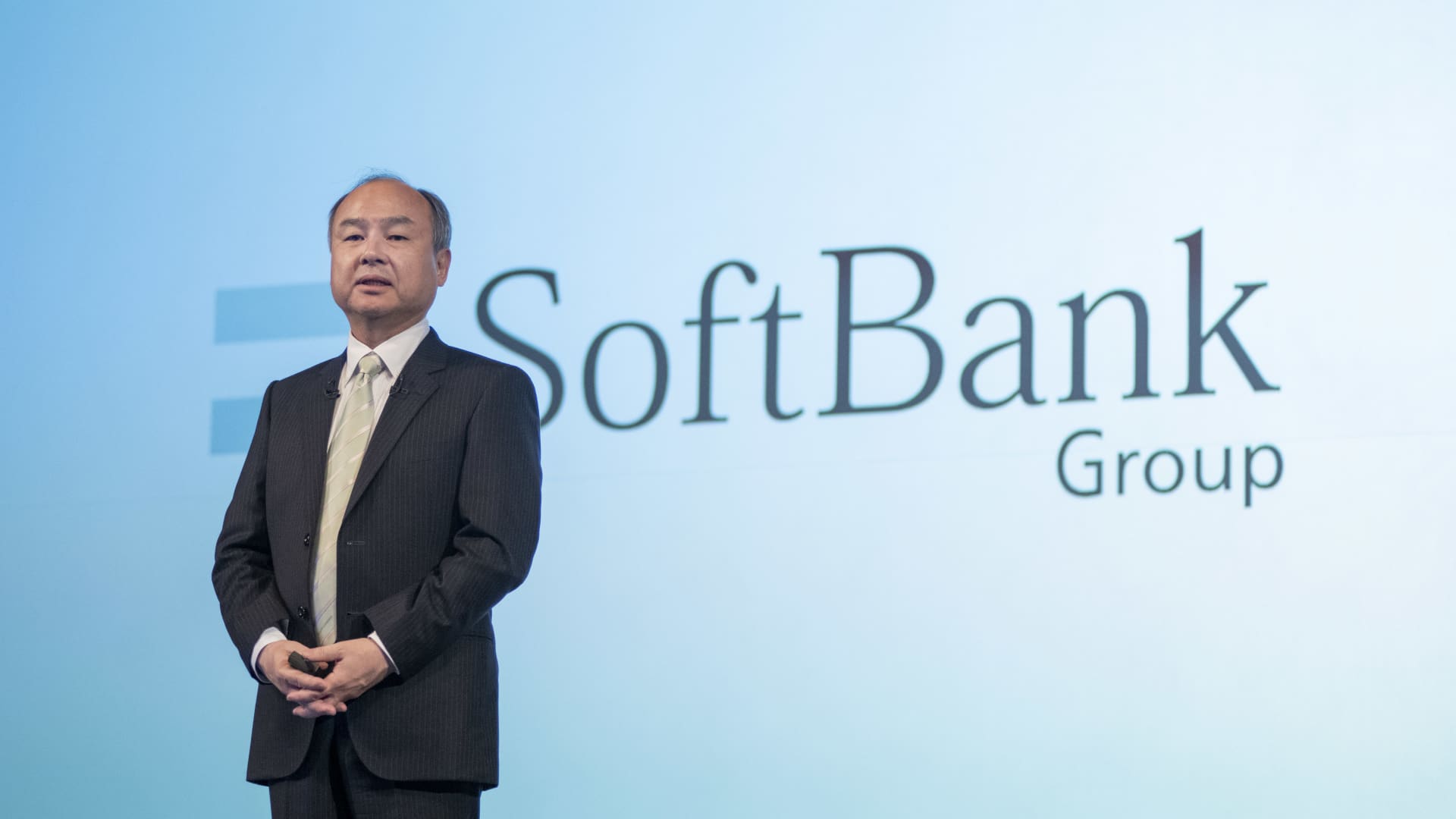
SoftBank's Vision Fund recorded its largest gain in nearly three years, with a 600.7 billion Japanese yen gain in the December quarter, marking the first quarterly profit after four consecutive losses. The recovery in technology company valuations contributed to this success, with gains from the sale of shares in chip designer Arm and rising valuations from investments in Didi and ByteDance. CEO Masayoshi Son is considering options for Arm after Nvidia's failed acquisition, and SoftBank's Tokyo-listed shares closed 11% higher following positive earnings and forecasts from Arm.