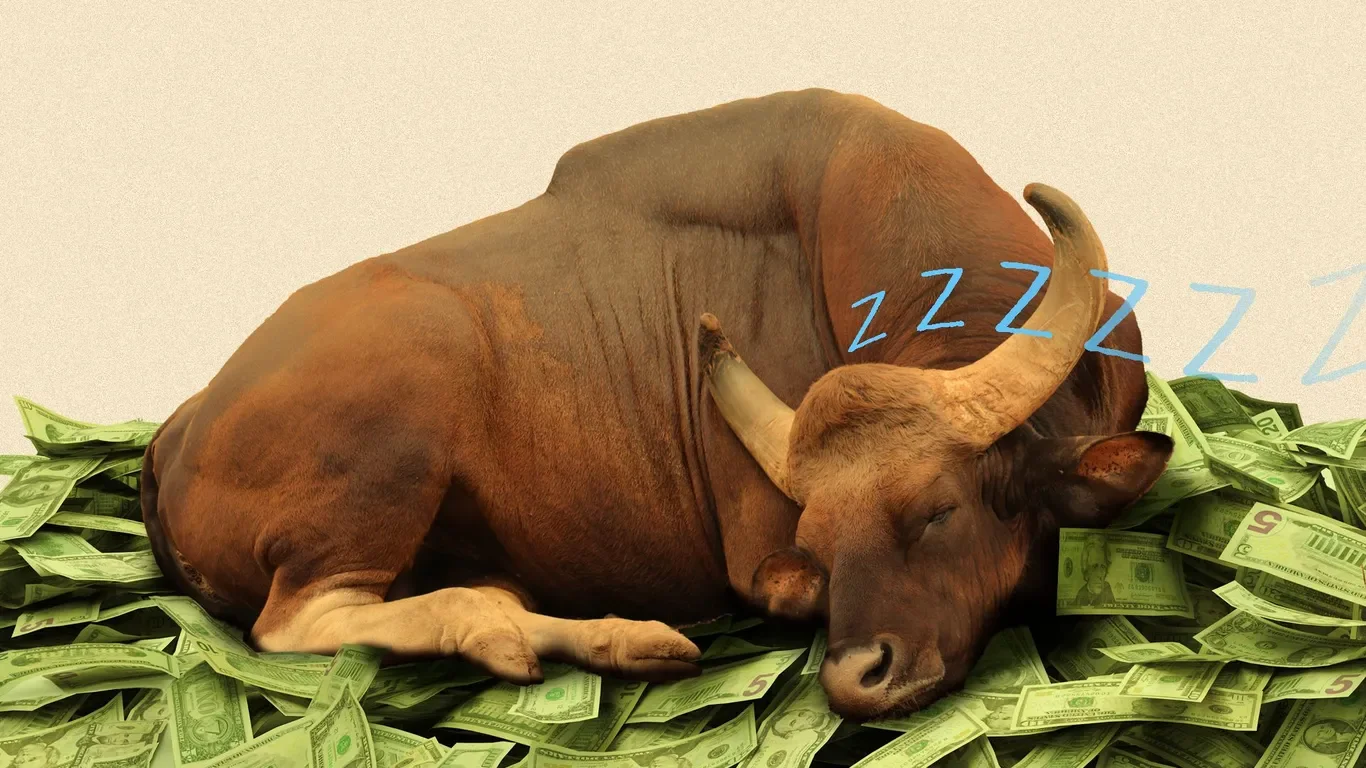
A recent MIT study reveals that 95% of organizations investing heavily in AI see no return, raising concerns about the effectiveness of AI spending and its impact on investor confidence, especially amid volatile markets and high tech expenditures.
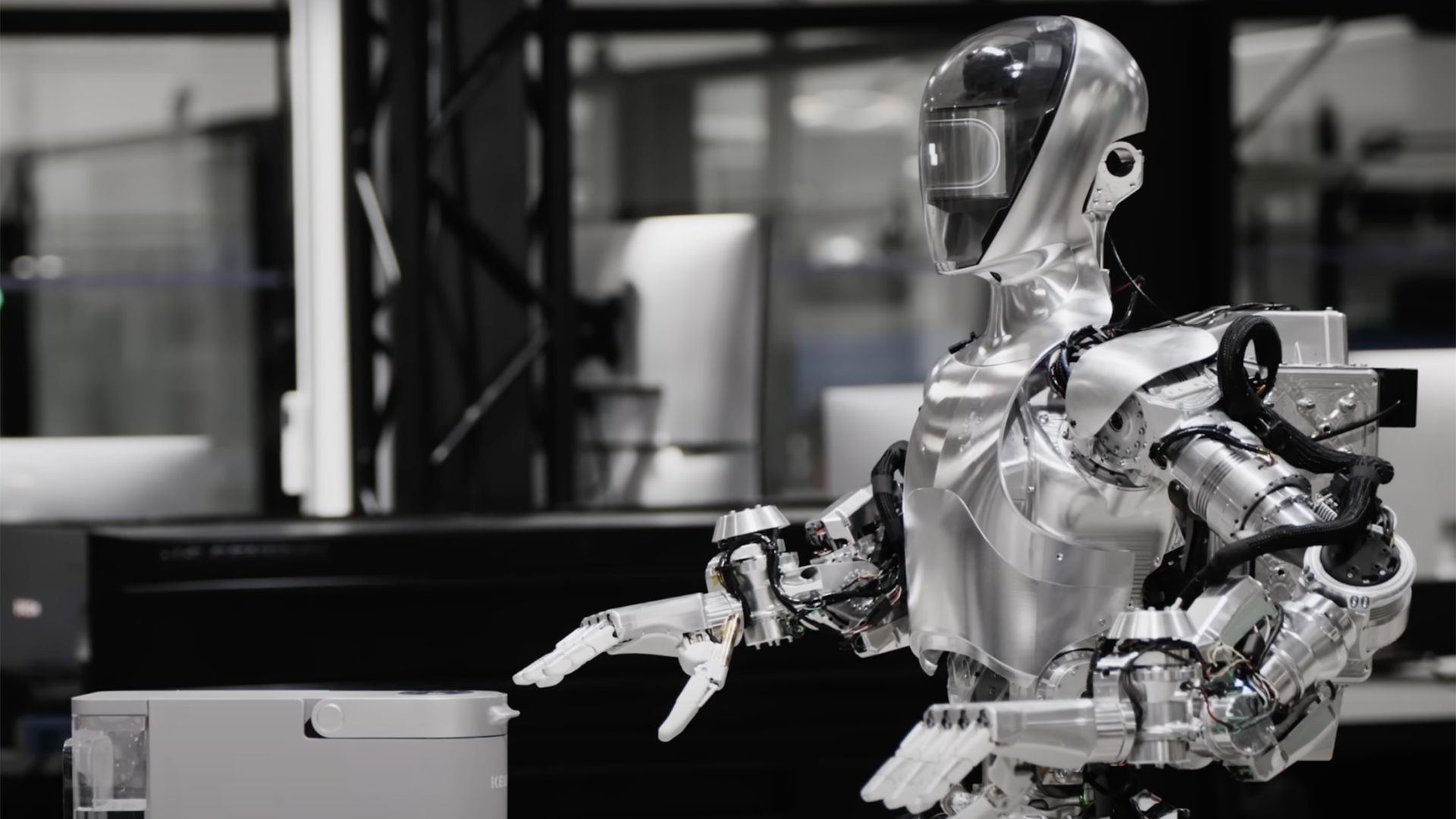
Humanoid robot startup Figure AI is raising $675 million from investors including Jeff Bezos, Microsoft, Nvidia, OpenAI, Intel, and Samsung, as it develops a human-like robot called Figure 01, positioning itself at the forefront of the race to create the next generation of AI-powered robots.
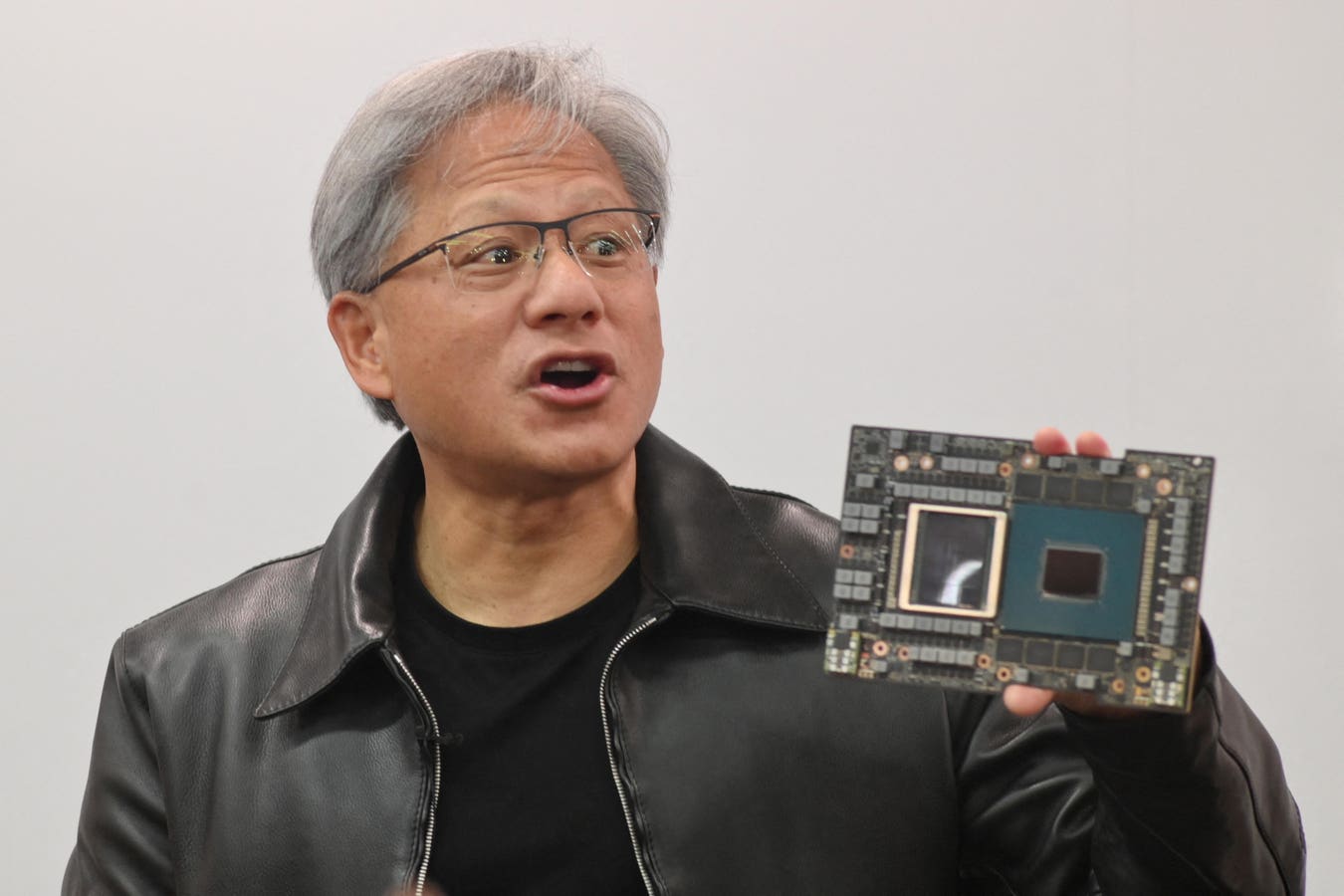
Tech investors are building massive computing clusters to support AI startups amid a global shortage of GPUs, which are crucial for training AI models. These clusters, such as the Andromeda Cluster, provide startups with access to GPUs at below-market prices, enabling them to accelerate their technical progress. The high demand for GPUs has led to a bottleneck in technical progress, particularly for startups with limited resources. As a result, tech investors are stepping in to provide access to computing power, with plans to expand these clusters to support larger companies in the future.
Tech investors, driven by high expectations and a desire for relentless growth, are pressuring Big Tech companies for outstanding results, with Alphabet and Microsoft feeling the squeeze this week. Shareholders are demanding perfection, with only smashing success fully satisfying them. While Meta and Amazon delivered strong outlooks and pleased investors, Alphabet and Microsoft faced scrutiny for perceived weak points in ad revenue and cloud growth. The unforgiving judgment of investors highlights the mismatch between inflated desire and what booming enterprises can deliver, as heavy up-front investments in AI and capital expenditures are also causing financial concerns.
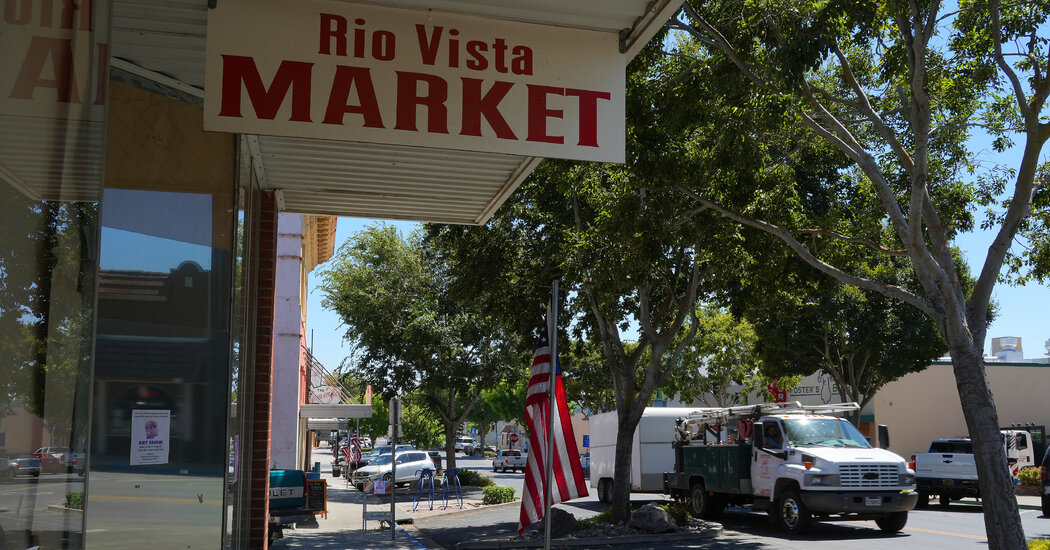
Tech industry billionaires have been buying up land in Solano County, California, with plans to create a futuristic city, causing concern among longtime residents. Flannery Associates, backed by Silicon Valley investors, has committed around $900 million to secure thousands of acres of farmland. The rural area, known for its agricultural roots, is located between the Bay Area and Sacramento. Some residents fear that the changes will disrupt the quiet and rural nature of the community, while others worry about being priced out by the influx of techies.