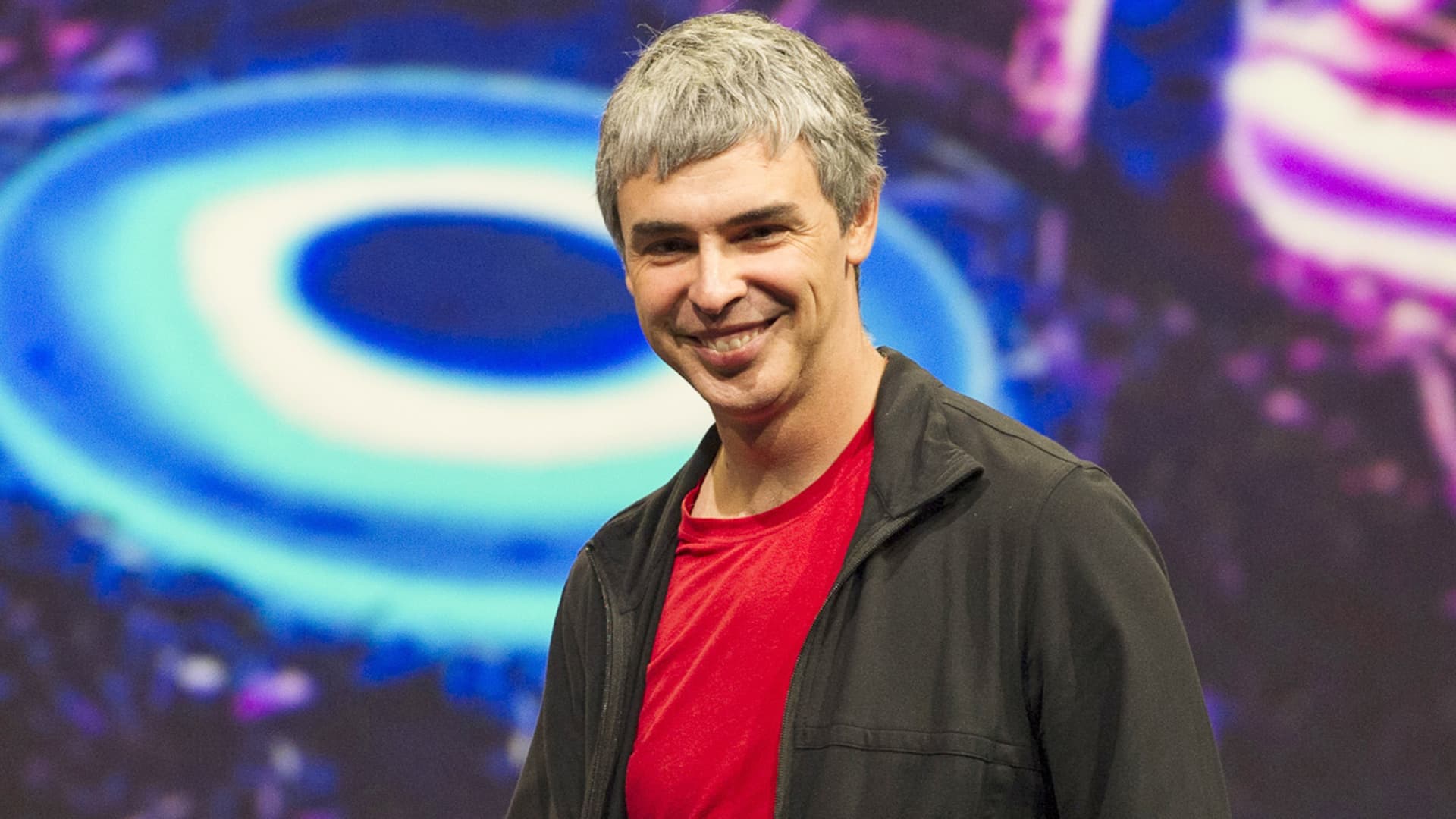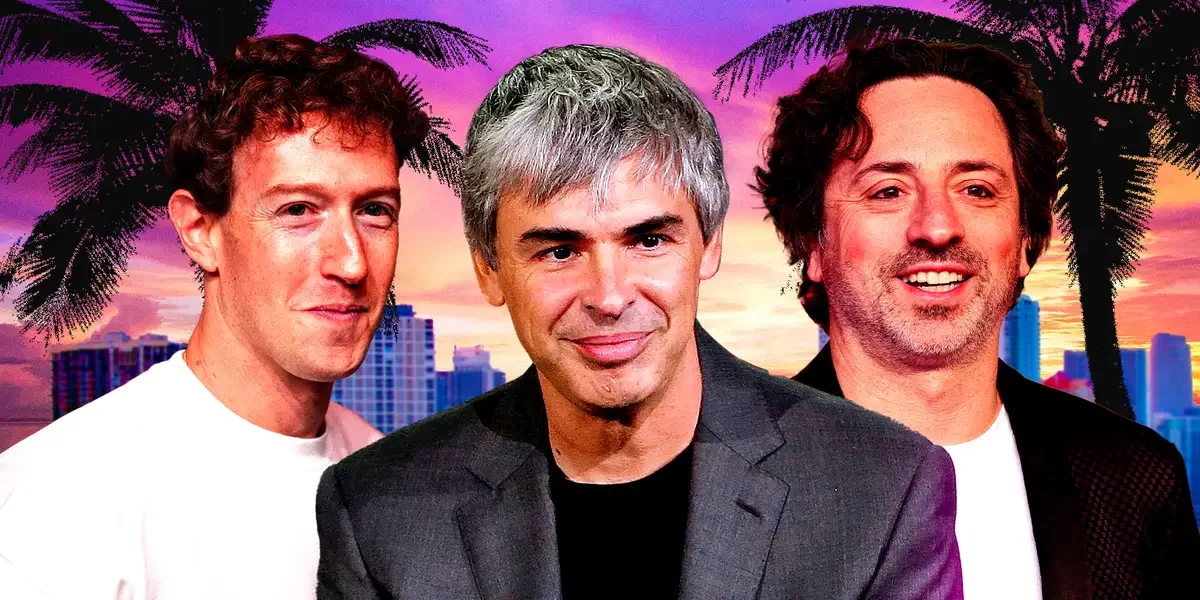
Sergey Brin is reportedly moving his business entities out of California in response to proposed wealth tax policies, following similar actions by Larry Page, as part of a broader trend among tech billionaires to relocate assets to more tax-friendly states.
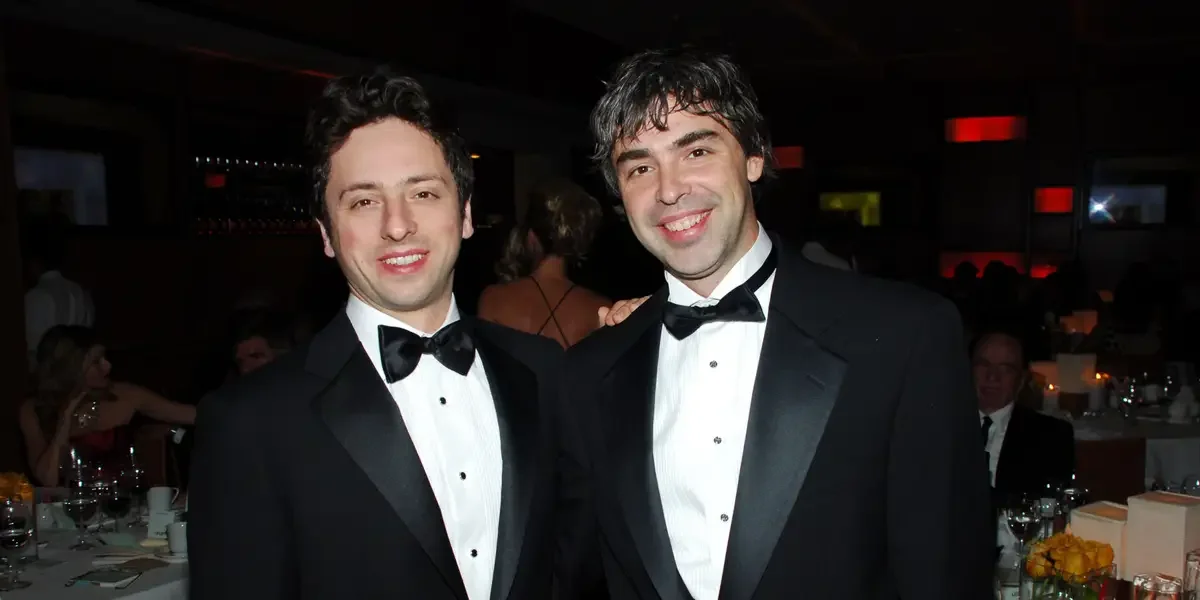
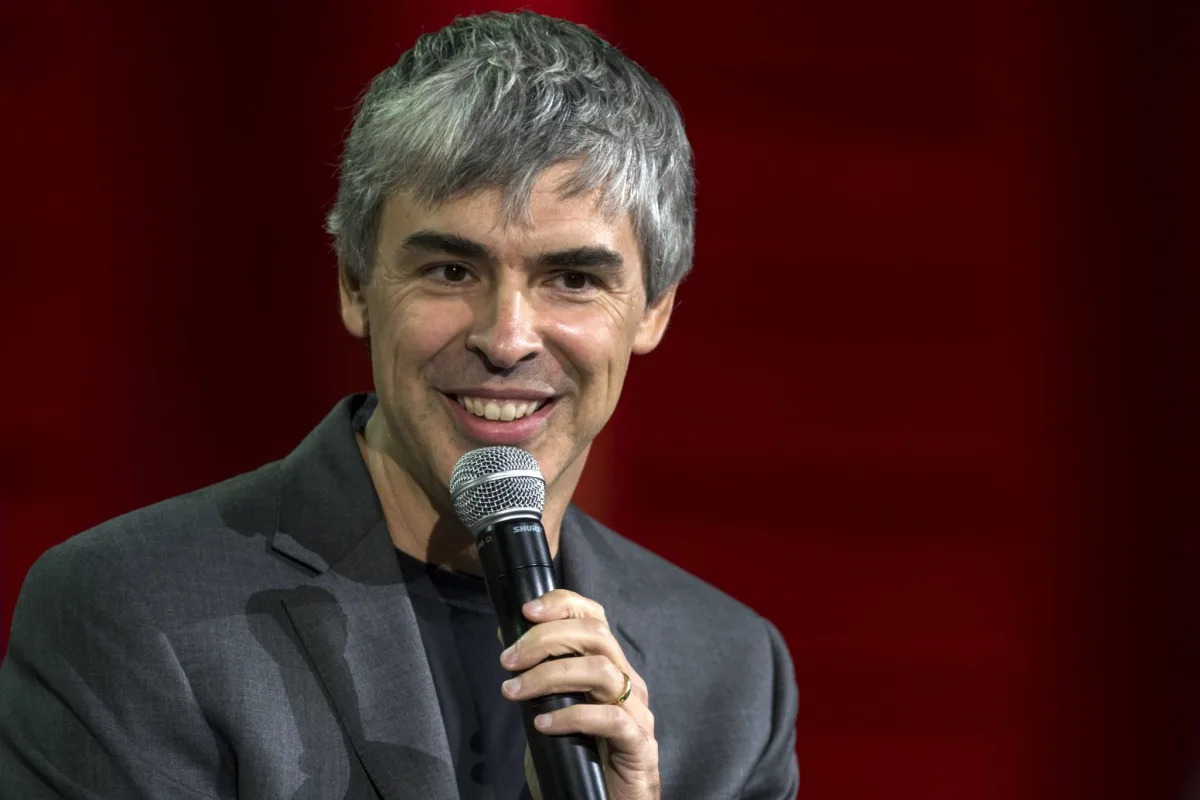
Google cofounders Sergey Brin and Larry Page moved their LLC from California to Delaware in late December 2025, just before a proposed wealth tax targeting billionaires in California was set to take effect, likely as a strategy to avoid higher taxes.
Google's parent company, Alphabet Inc., valued at about $1.9 trillion, has far exceeded the parameters of just the internet, with segments including Google Services, Google Cloud, and Other Bets. Larry Page, the eighth-richest person in the world, received advice from Steve Jobs about focusing on key products, but Page and Sergey Brin were so certain of Alphabet’s name and purpose that they didn’t even market test it, aiming for a brand for companies to be part of.
Google's founders, Larry Page and Sergey Brin, envisioned the company's potential for massive growth from the start, leading to the creation of Alphabet Inc., Google's parent company, now valued at $1.9 trillion. Despite advice from Steve Jobs to focus on just five products, Page and Brin believed in the interconnectedness of Alphabet's ventures, leading to the company's diverse portfolio. They chose the name Alphabet without market testing, aiming for a brand that employees and investors would be proud to be a part of.
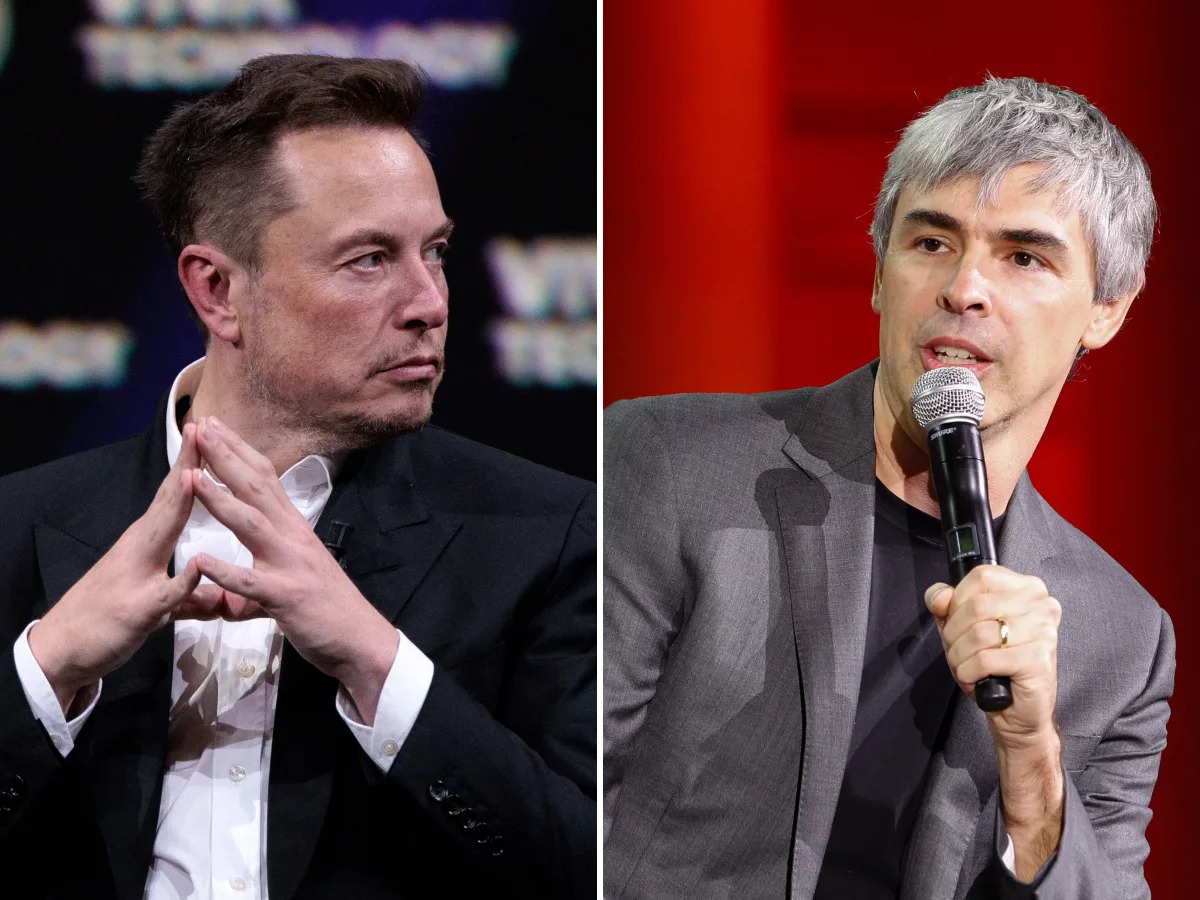
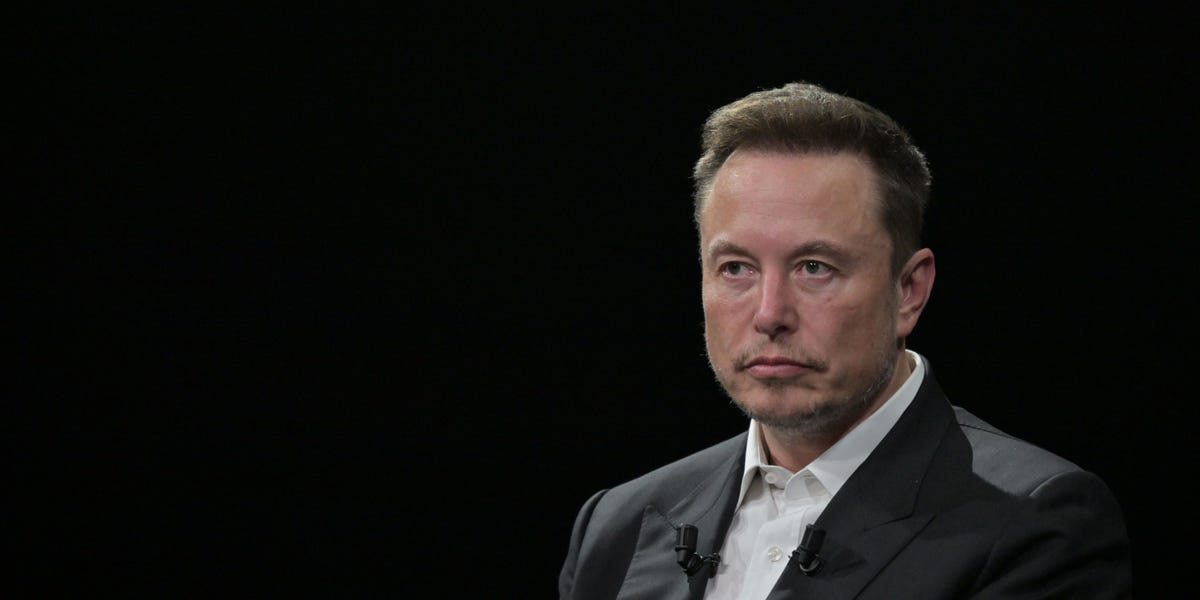
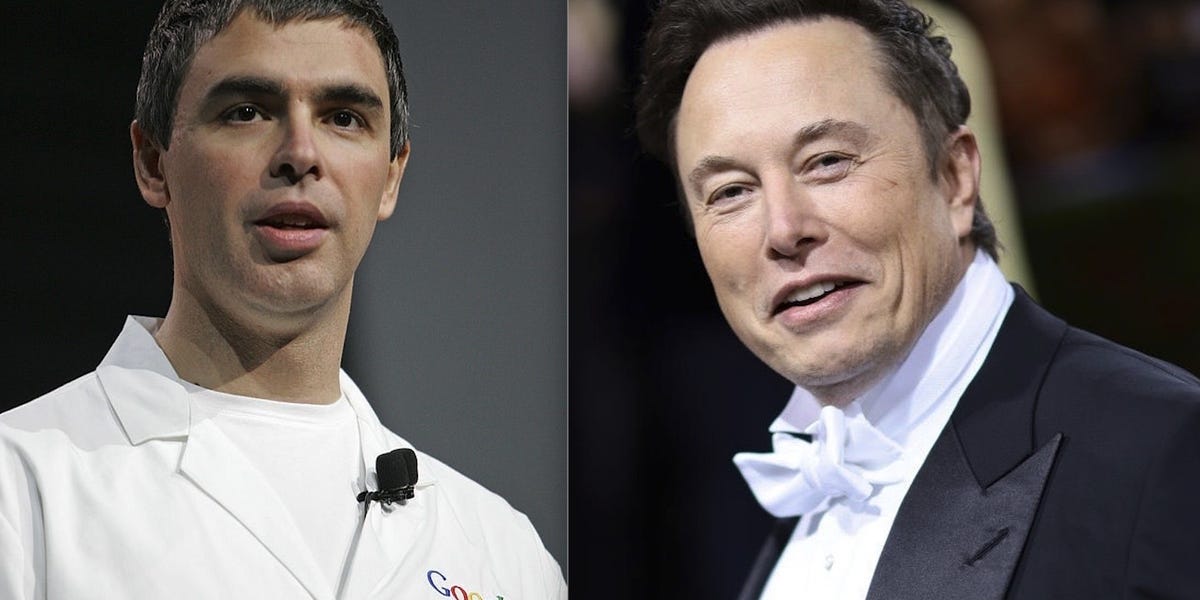
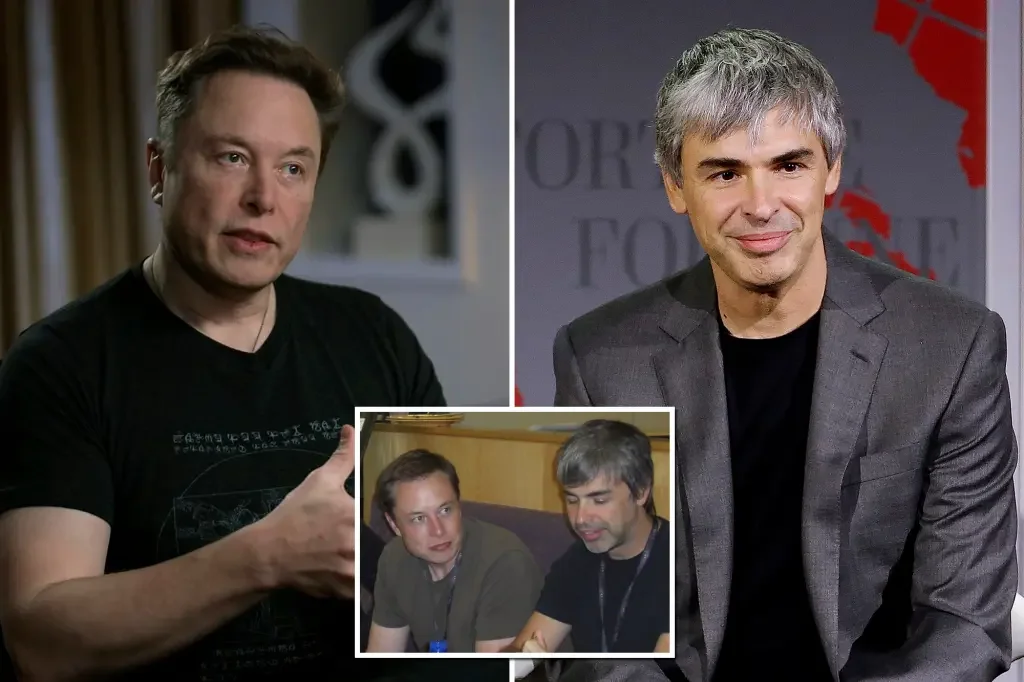
Elon Musk and Larry Page had a heated argument about the dangers of AI at Musk's 44th birthday party in 2015. Page accused Musk of favoring humans over future digital life forms, calling him a "specieist." The disagreement ended their friendship, as they had differing views on the threat intelligent machines posed to humanity. Musk believed machines would destroy humanity, while Page envisioned a "digital utopia" where humans would merge with intelligent machines. This clash was not the only instance of their disagreement, as they also clashed over the acquisition of DeepMind by Google and the future of AI.
Larry Page and Elon Musk's friendship reportedly ended over their disagreement about the dangers of artificial intelligence (AI). At Musk's 44th birthday party in 2015, Page accused Musk of being a "specieist" for favoring humans over future digital life forms. Page envisioned a "digital utopia" where humans would merge with intelligent machines, while Musk believed that machines would destroy humanity. Their clash over AI continued beyond the party, with Musk attempting to convince the founder of DeepMind not to sell to Google, and later launching his own AI startup. The tensions over AI also led to disagreements within OpenAI, the nonprofit research lab Musk helped launch.
The debate over the risks and benefits of artificial intelligence (AI) between Elon Musk and Larry Page led to the creation of OpenAI, a startup aimed at protecting the world from the potential dangers of AI. The competition for control of AI technology among Silicon Valley giants like Google, Facebook, and Microsoft has intensified, with billions of dollars being invested. DeepMind, a company founded by Demis Hassabis, was acquired by Google, while Musk founded OpenAI. However, disagreements and power struggles have emerged within OpenAI, highlighting the contentious nature of the industry. The development of AI technology has raised concerns about job displacement, disinformation, and the need for ethical oversight.
Google celebrates its 25th birthday with a special doodle, showcasing different doodles from the past. The company reflects on its journey from a garage in California to having offices and data centers worldwide. Google's mission to organize the world's information and make it universally accessible and useful remains unchanged. CEO Sundar Pichai expresses gratitude to users, employees, and partners, emphasizing the importance of innovation and adaptation in the ever-evolving tech industry.
Elon Musk claims he is responsible for the existence of OpenAI, citing his past investment and recruitment of key scientists and engineers. He also alleges that Microsoft controls the AI company, a claim strongly denied by Microsoft CEO Satya Nadella. Musk withdrew his support for OpenAI over disagreements about the speed of advancements and the company's approach to safe AI development. He signed a letter calling for a pause in advanced AI development, but still incorporated a rival AI firm. Musk also claimed that Google co-founder Larry Page was "cavalier" about AI safety and called him a "species-ist" for being pro-human consciousness instead of machine consciousness.
Google's co-founders, Larry Page and Sergey Brin, saw their fortunes rise by $18 billion due to the company's AI push, which included the unveiling of a revamped search engine and a wider availability of its chatbot. Page's net worth rose by $9.4 billion to $106.9 billion, while Brin's rose by $8.9 billion to $102.1 billion, making them the eighth- and ninth-richest persons in the world, respectively. The increased use of AI in Google's services highlights the company's continued efforts to lead in the field.
A federal judge has allowed the government of the US Virgin Islands to serve legal papers to Google co-founder Larry Page for its civil lawsuit against JPMorgan Chase related to sex trafficking by the bank's longtime customer Jeffrey Epstein. The USVI and a woman who says she was sexually abused by Epstein are separately suing JPMorgan, claiming the bank was complicit in his sex trafficking of multiple women. JPMorgan denies wrongdoing. Epstein killed himself in a Manhattan jail cell in August 2019, a month after he was arrested on federal child sex trafficking charges.
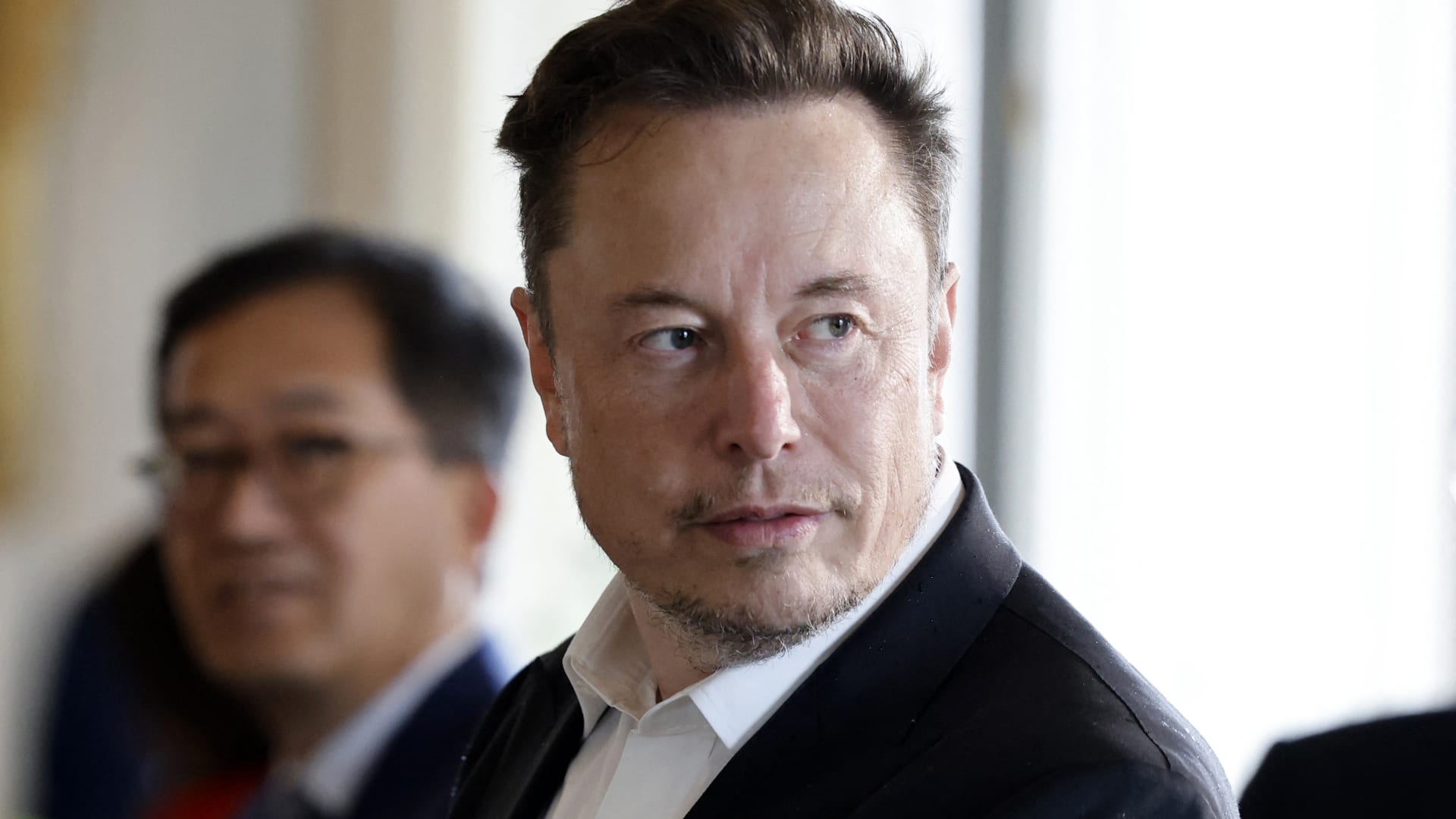
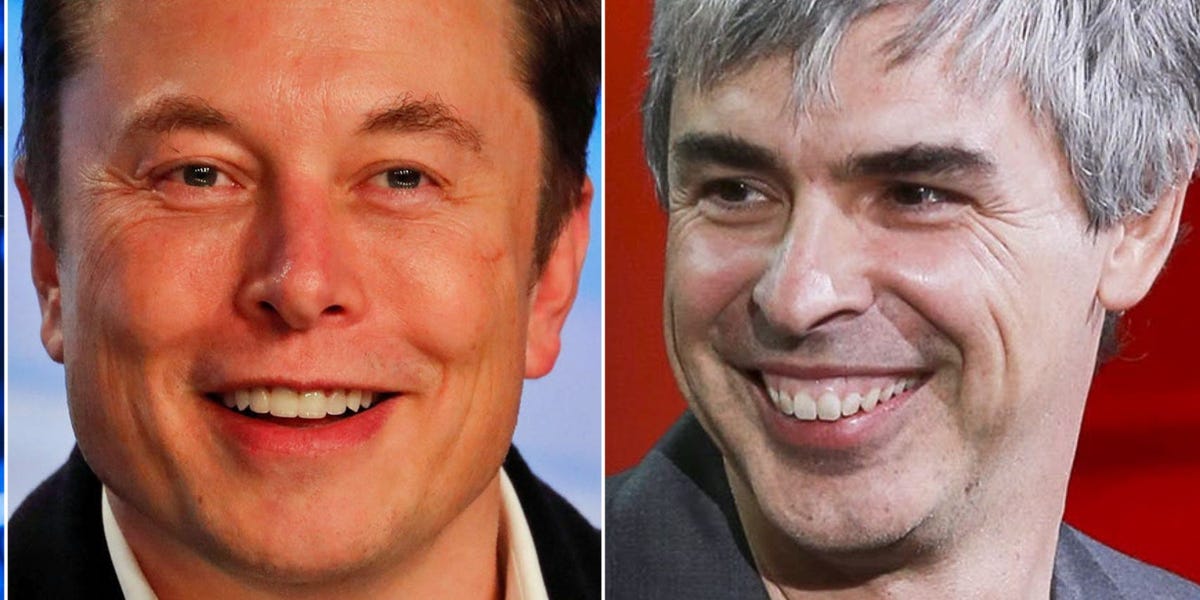
Elon Musk said his friendship with Google co-founder Larry Page ended over a disagreement about AI safety, and the two haven't spoken in years. Musk accused Page of wanting to create a "digital god" and called him a "speciesist" for not taking AI safety seriously enough. Musk helped found OpenAI as a competitor to Google's AI efforts, and he believes the government needs a contingency plan to shut down AI if it gets out of hand.
Elon Musk revealed in an interview that he is no longer a "close friend" of Google co-founder Larry Page, accusing him of aspiring to become a "digital god" and not taking AI safety seriously enough. Musk said his estrangement from Page led him to help start OpenAI, a non-profit that is fully open and transparent. Musk and Page clashed over ways to protect the human race from being dominated by super-intelligence AI. Musk also expressed concern about the rapid advancement of AI-powered bot ChatGPT.
Elon Musk said he founded OpenAI as a competitor to Google's AI efforts after a disagreement with Larry Page over AI safety and regulation. Musk believed Page was not taking AI safety seriously enough and wanted to create "digital superintelligence" as soon as possible. Musk disagreed with Page's approach and founded OpenAI as a non-profit that is fully open and transparent. Musk has since left OpenAI's board and is planning to build an AI called TruthGPT.