Tag

Syntheticbiology

All articles tagged with #syntheticbiology

science1 year ago

Scientists Warn of Catastrophic Risks from 'Mirror Bacteria' Research

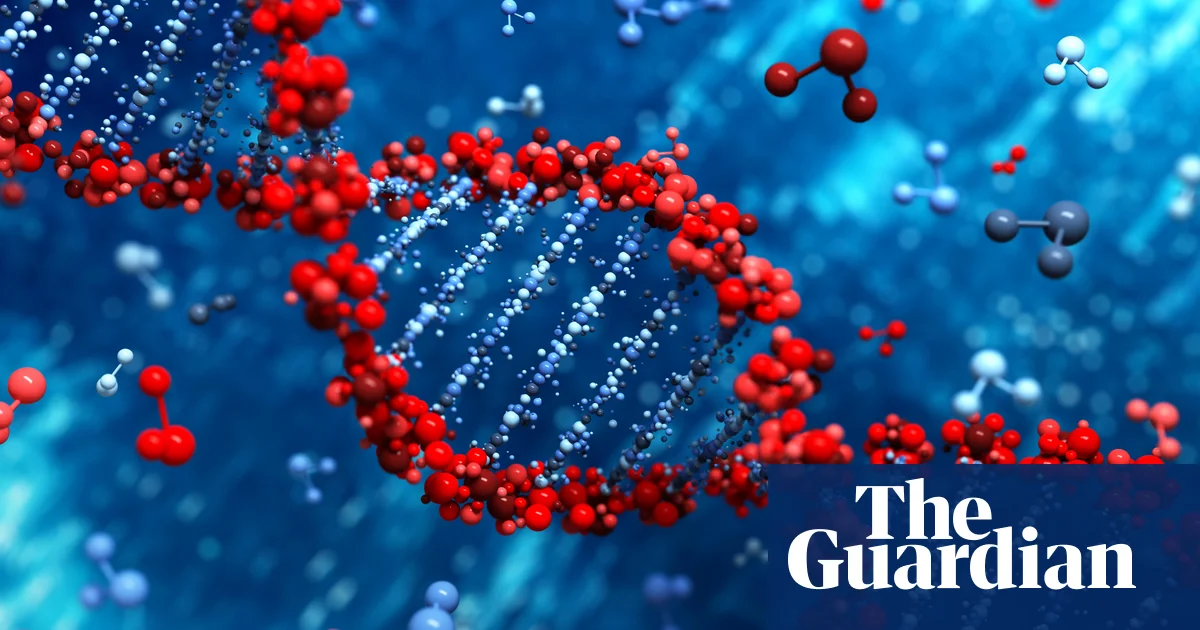
Scientists have issued a warning about the potential dangers of lab-created 'mirror bacteria,' synthetic organisms with mirrored molecular structures that could bypass immune defenses and cause widespread ecological harm. Although the creation of such organisms is at least a decade away, rapid advancements in synthetic biology have prompted 38 Nobel laureates and experts to call for a pause in research. They argue that the risks, including potential lethal infections and ecological destabilization, outweigh the benefits.
science1 year ago

Scientists Urge Caution on Synthetic 'Mirror Life' Threats

Leading scientists, including Nobel laureates, are urging a halt on research into creating 'mirror life' microbes due to potential unprecedented risks to life on Earth. These synthetic organisms, constructed from mirror images of natural molecules, could evade immune defenses and cause lethal infections in humans, animals, and plants. The call for a moratorium is based on a new risk assessment, highlighting the need for a global debate on the safety and ethical implications of such research.

science-and-technology1 year ago

Innovative Botanist Breeds Unique New Flower Varieties

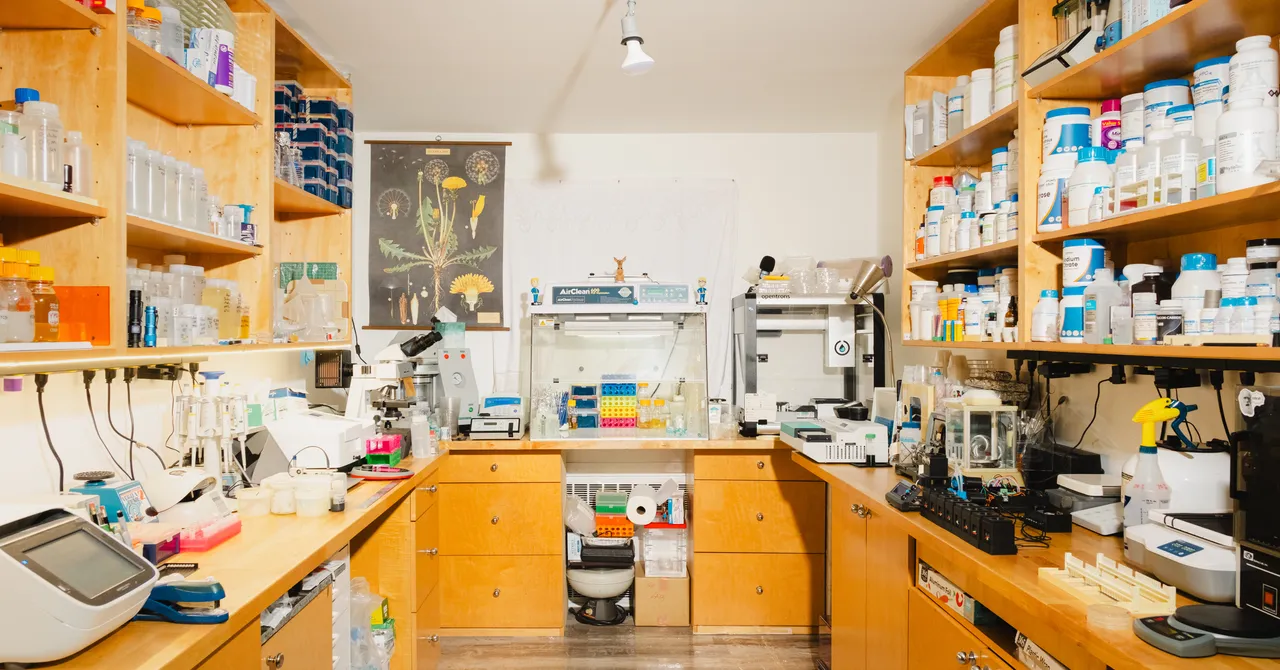
Sebastian Cocioba, a plant biotechnology researcher, is pioneering the creation of genetically modified flowers from his home lab in New York. Despite financial setbacks, he has developed innovative methods to engineer plants, including using 3D-printed equipment and selling plasmids. Cocioba's work aims to democratize access to scientific tools and foster a community of amateur plant breeders. He also collaborates with startups like Senseory Plants to engineer plants with unique scents, such as the smell of old books, offering a biological alternative to traditional fragrances.

science-and-technology2 years ago

"Rethinking the Randomness of Evolution"

A new study suggests that evolution may not be as random as previously thought, with a genome's evolutionary history potentially influencing its future trajectory. Researchers used a machine learning method to analyze the pangenome of a bacterial species, revealing gene interactions that make evolution somewhat predictable. This could revolutionize approaches in synthetic biology, medicine, and environmental science, aiding in the development of new drugs, vaccines, and strategies to combat antibiotic resistance and climate change. The study's findings are published in PNAS.