Israeli scientists at the Weizmann Institute have achieved a significant breakthrough in synthetic embryo development by creating a stem cell-derived human embryo model that closely resembles a human embryo at day 14 of development. This advancement will enable researchers to study the development of organs, as well as investigate birth defects and congenital diseases that occur during the critical period between day 10 and day 40 of embryonic development.
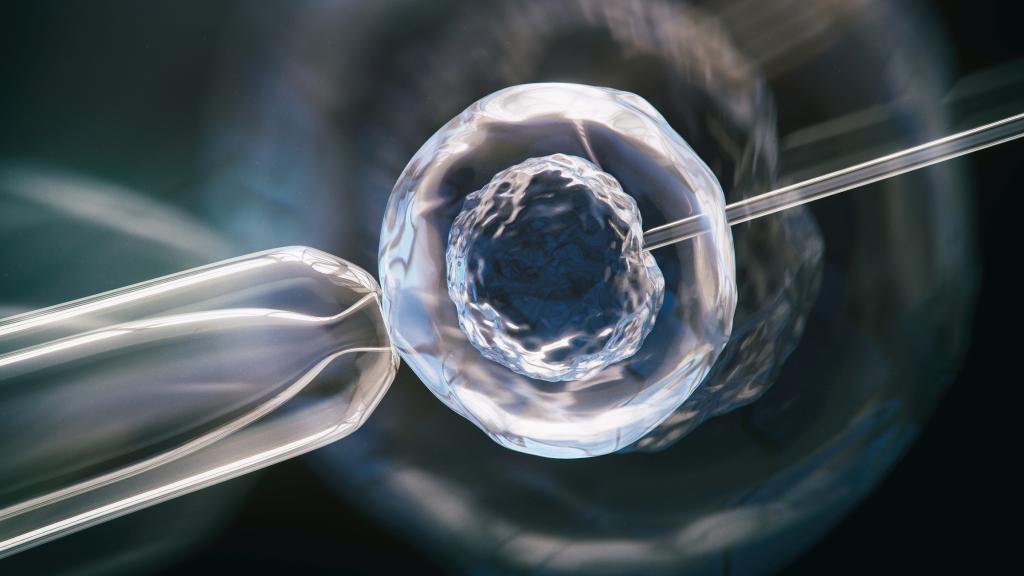
Scientists have created synthetic human embryos without using sperm or an egg, using stem cells. The breakthrough could offer insights into genetic disorders, miscarriages, and other medical issues. However, the development presents ethical and legal challenges, and voluntary guidelines may be needed to manage the use of synthetic embryo models in research settings. It would be illegal to implant a synthetic embryo into a woman, but similar work has been done using animal embryos.
Scientists have created the first synthetic human embryos using stem cells, which could help researchers study the earliest stages of human development and explain pregnancy loss. However, the rapid progress has outpaced discussions on how they should be dealt with ethically and legally. The synthetic embryos are not legally "embryos" and are not governed by the same laws as traditional embryos. Legal and ethical experts in the UK are drawing up a voluntary set of guidelines for how to proceed.
Scientists have created the world's first human synthetic embryos from stem cells without using sperm or eggs. These embryo-like structures lack organs such as a beating heart or a brain, but include cells that would typically go on to form the placenta, yolk sac and the embryo itself. The research raises legal and ethical questions, as many countries currently lack regulations looking at the creation and manipulation of synthetic embryos. There is an urgent need for regulations to provide a framework for the creation and use of stem cell-derived models of human embryos.
Scientists in the US and UK have created synthetic human embryo-like structures from stem cells, which could help advance the understanding of genetic diseases or the causes of miscarriages. The embryo-like structures were grown from single human embryonic stem cells that were coaxed to develop into three distinct tissue layers, including cells that would typically go on to develop a yolk sac, a placenta and the embryo itself. The research raises critical legal and ethical questions, and many countries, including the US, don’t have laws governing the creation or treatment of synthetic embryos.
Scientists have created synthetic human embryos using stem cells, which could provide a crucial window on the impact of genetic disorders and the biological causes of recurrent miscarriage. The lab-grown entities fall outside current legislation in the UK and most other countries, raising serious ethical and legal issues. The structures do not have a beating heart or the beginnings of a brain, but include cells that would typically go on to form the placenta, yolk sac and the embryo itself. There is no near-term prospect of the synthetic embryos being used clinically.