President Donald Trump is scheduled for a routine physical exam at Walter Reed Medical Center amid ongoing concerns about his health, including visible bruising and swelling, with doctors finding no serious issues but noting conditions like venous insufficiency and side effects from aspirin therapy.
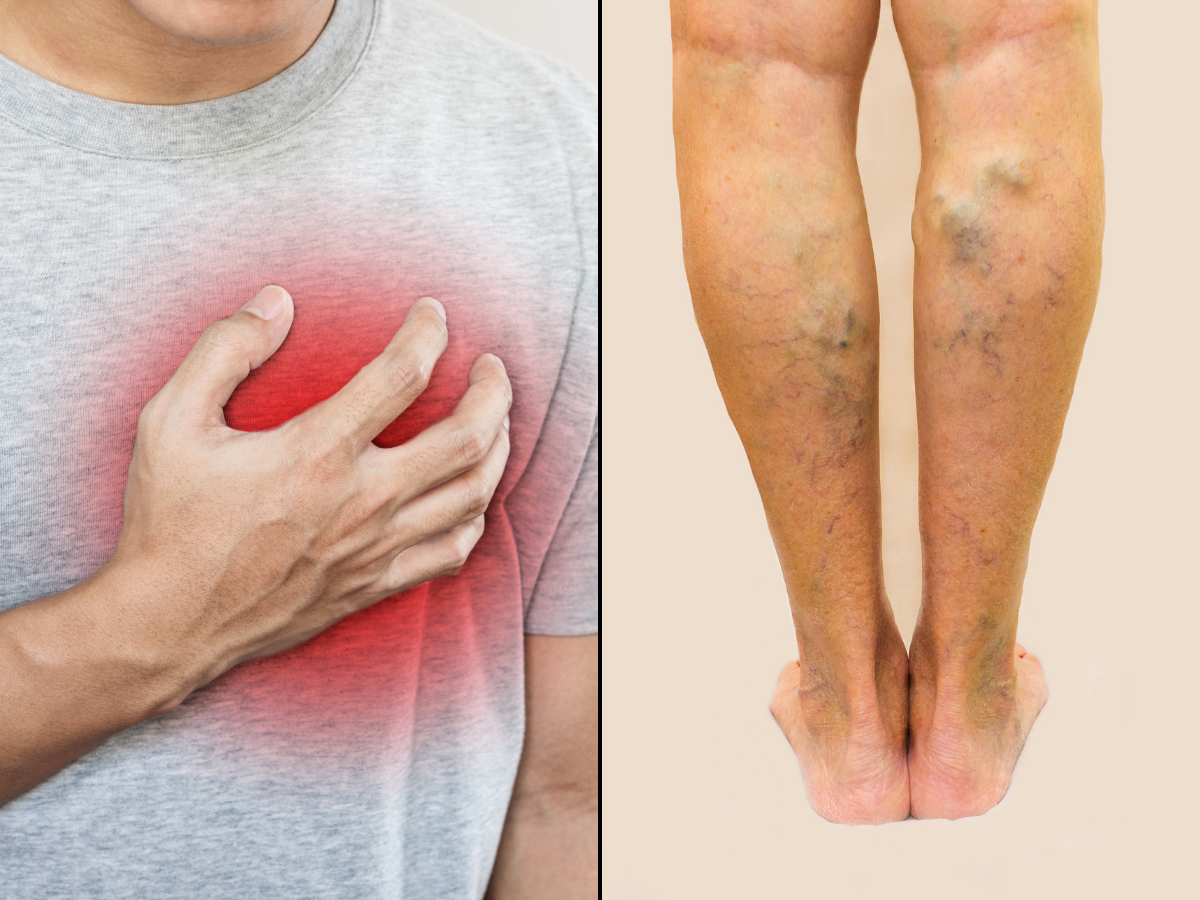
A cardiologist highlights six often ignored silent signs of heart disease—such as unexplained fatigue, shortness of breath, swelling, indigestion, dizziness, and subtle chest discomfort—that can develop gradually and lead to serious health issues if not detected early. Recognizing these symptoms and seeking prompt medical evaluation can save lives.
President Donald Trump was diagnosed with chronic venous insufficiency, a common and benign vein condition, after noticing leg swelling. The diagnosis followed thorough medical tests, which showed no signs of serious issues like blood clots or arterial disease. The condition, which affects many over age 50, can cause discomfort but is manageable with lifestyle changes and treatment.
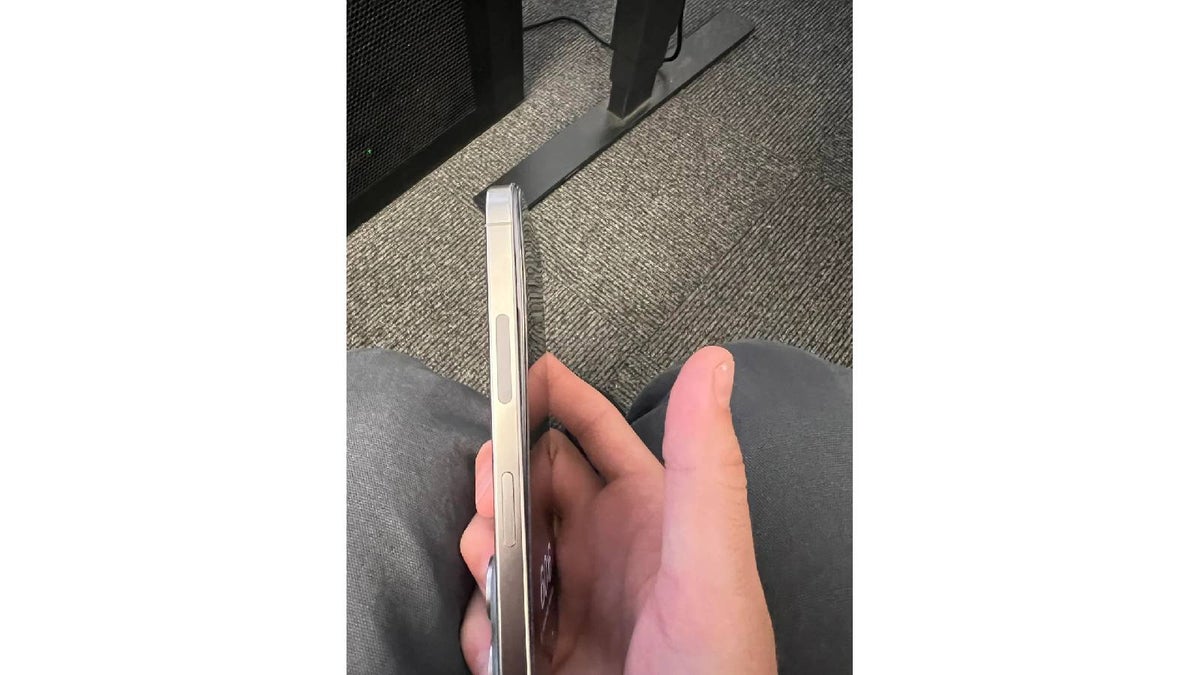
A user of the iPhone 15 Pro posted a photo on Reddit showing their phone swelling up and the display misaligned. The issue arose after attempting to put a case on the device, indicating a potential swollen battery. The user reported the problem to an Apple Store, but was directed to take it to the retailer where it was purchased. Overheating issues have been reported with the iPhone 15 Pro, possibly linked to the phone's lighter design. If not addressed, these problems could pose a fire hazard and hinder the device's success.
A newborn baby in Kentucky, named Armani Milby, has been nicknamed 'Mini Hulk' due to a rare condition called lymphangioma, which has caused severe swelling in her arms and chest. Lymphangioma is a condition where benign tumors grow in the lymphatic vessels, resulting in fluid-filled bumps under the skin. Armani has undergone treatment to drain excess fluid and is scheduled for surgery to remove the abnormal lymphatic tissue. Despite initial doubts about her survival, Armani has been fighting and is described as a miracle baby by her mother.
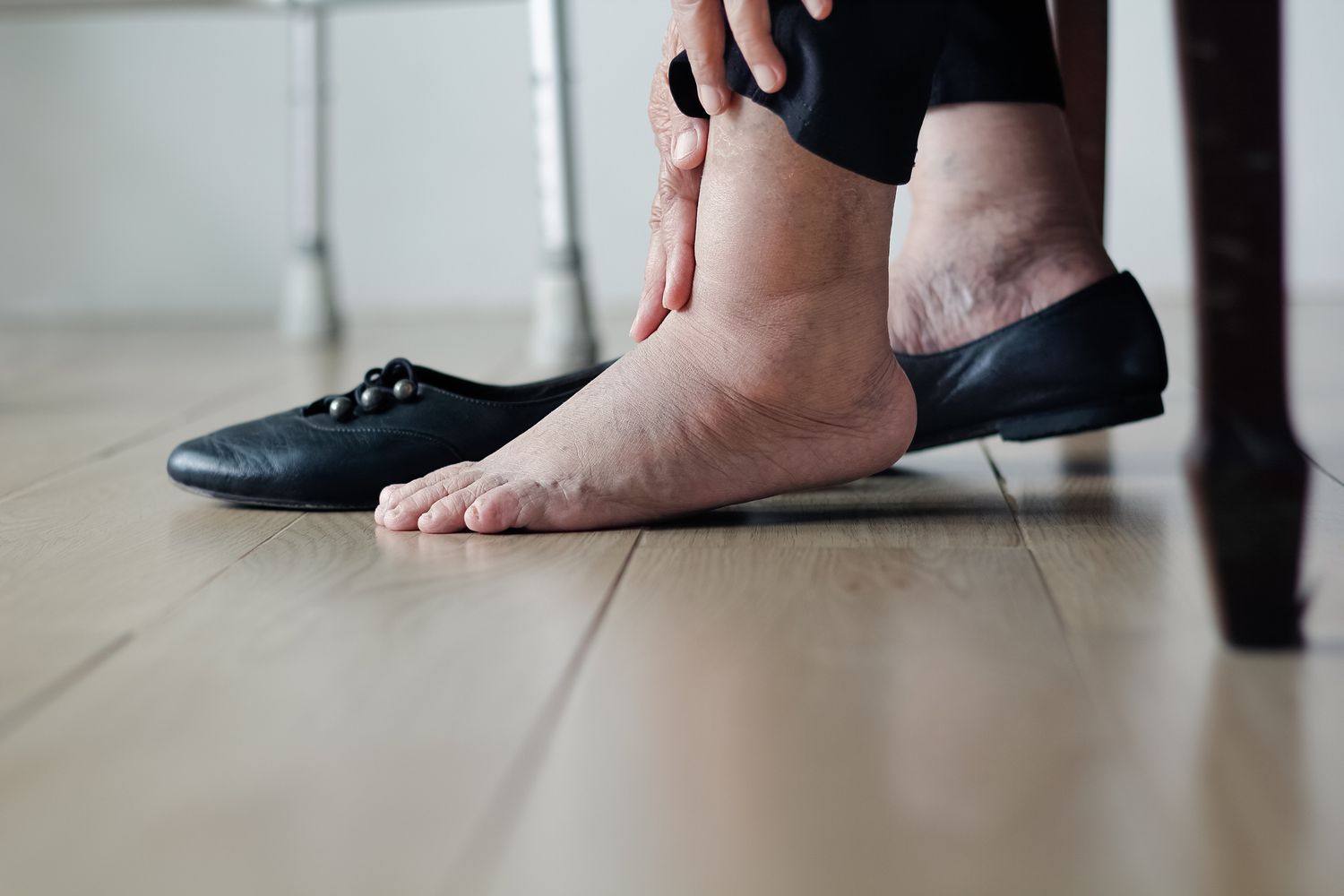
"Cankles" is a term used to describe the appearance of thick or wide ankles without clear definition from the lower calf. While cankles can be a normal physical feature for some people, they can also be caused by temporary swelling or underlying medical conditions such as heart, lung, vascular, kidney, or liver problems. Treatment for cankles depends on the underlying cause, and may include home measures like elevating feet and exercising legs, as well as medications or compression stockings prescribed by a healthcare provider.
Mobility pioneers Kelly and Juliet Starrett recommend incorporating short bursts of movement throughout the day to prevent cankles, which can be both aesthetically and physically uncomfortable. Fidgeting, changing positions, and adding "movement snacks" like walking, yoga, or squats can help keep the lymphatic system flowing and reduce the chance or severity of cankles. Prioritizing movement is key, whether sitting or standing, to avoid extended stagnation and swelling.
Swelling in the legs, ankles, or feet could be a warning sign of congestive heart failure, a long-term condition where the heart can't pump blood well enough for a normal supply. This happens when one or both of the heart's lower chambers stop pumping blood properly, causing blood flow to slow and back up in the veins in the legs, ankles, and feet, leading to edema. Early signs of peripheral edema include feeling full or heavy legs, swollen feet and lower legs, tight and uncomfortable socks, and leaving a dent when pressing the swollen skin. It is important to consult a doctor for proper diagnosis and treatment.