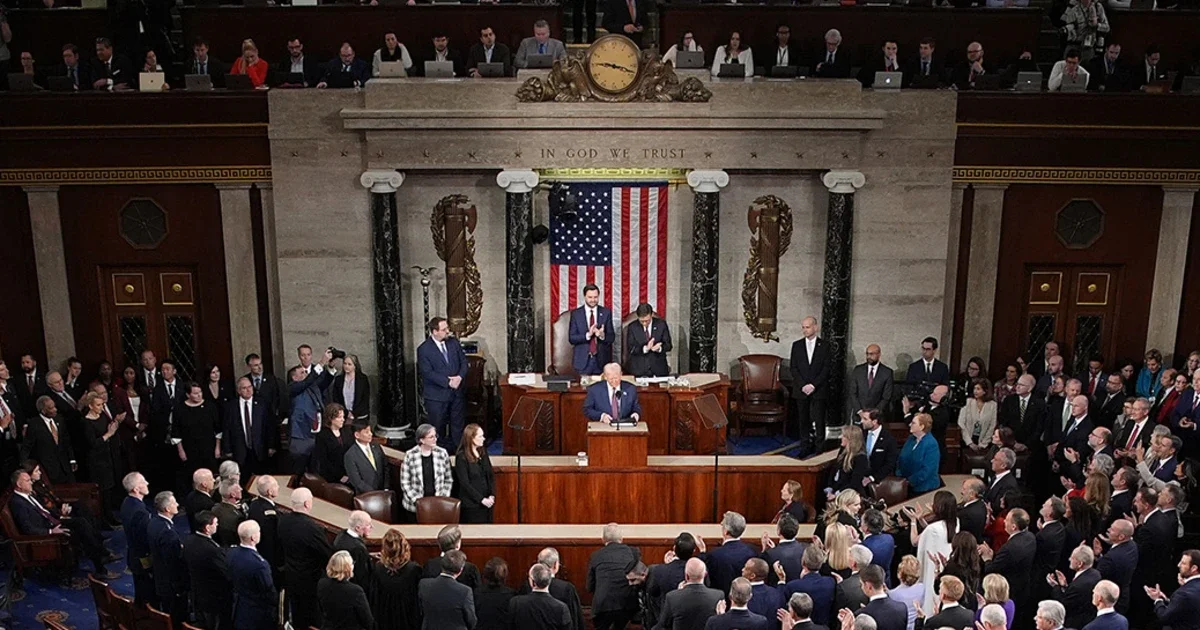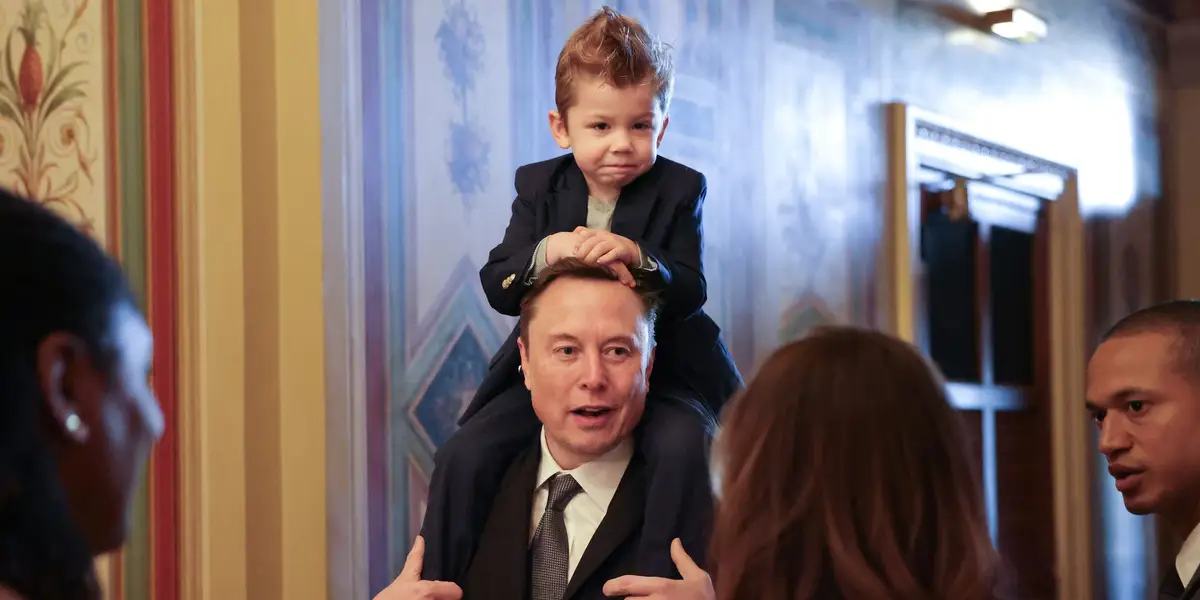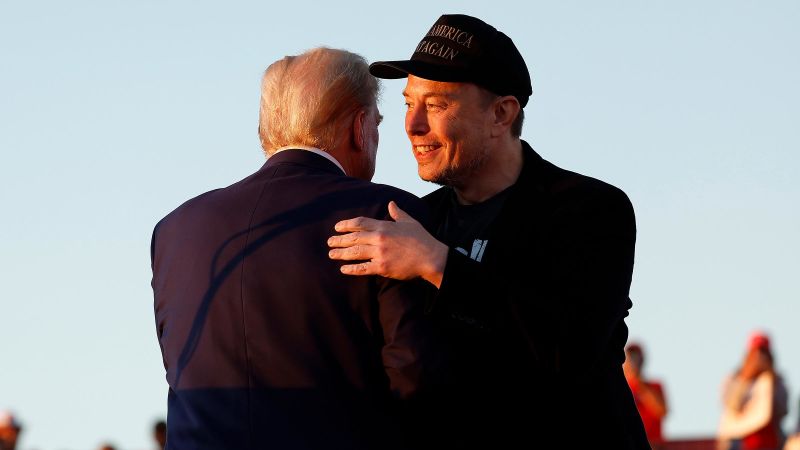
Elon Musk spent at least $277 million supporting Donald Trump and the GOP during the 2024 election cycle, making him the largest donor. Most of his contributions went to America PAC, which focused on canvassing and digital ads, and included controversial voter giveaways. Musk also funded a PAC comparing Trump's abortion stance to Ruth Bader Ginsburg's, drawing criticism from Ginsburg's family. Additional donations were made to other GOP groups and super PACs, with some funds potentially going to undisclosed "dark money" groups.
Elon Musk has contributed at least $260 million to support Donald Trump's presidential campaign, making him one of the largest individual donors. New Federal Election Commission filings reveal Musk's significant financial backing of America PAC and other pro-Trump groups, including a $20.5 million donation to RBG PAC, which controversially linked Trump's abortion stance to Ruth Bader Ginsburg. Musk's involvement highlights his growing influence in Trump's political sphere, with Trump appointing him to oversee a new government efficiency department. Other wealthy donors, like Howard Lutnick and Linda McMahon, have also secured roles in Trump's administration.
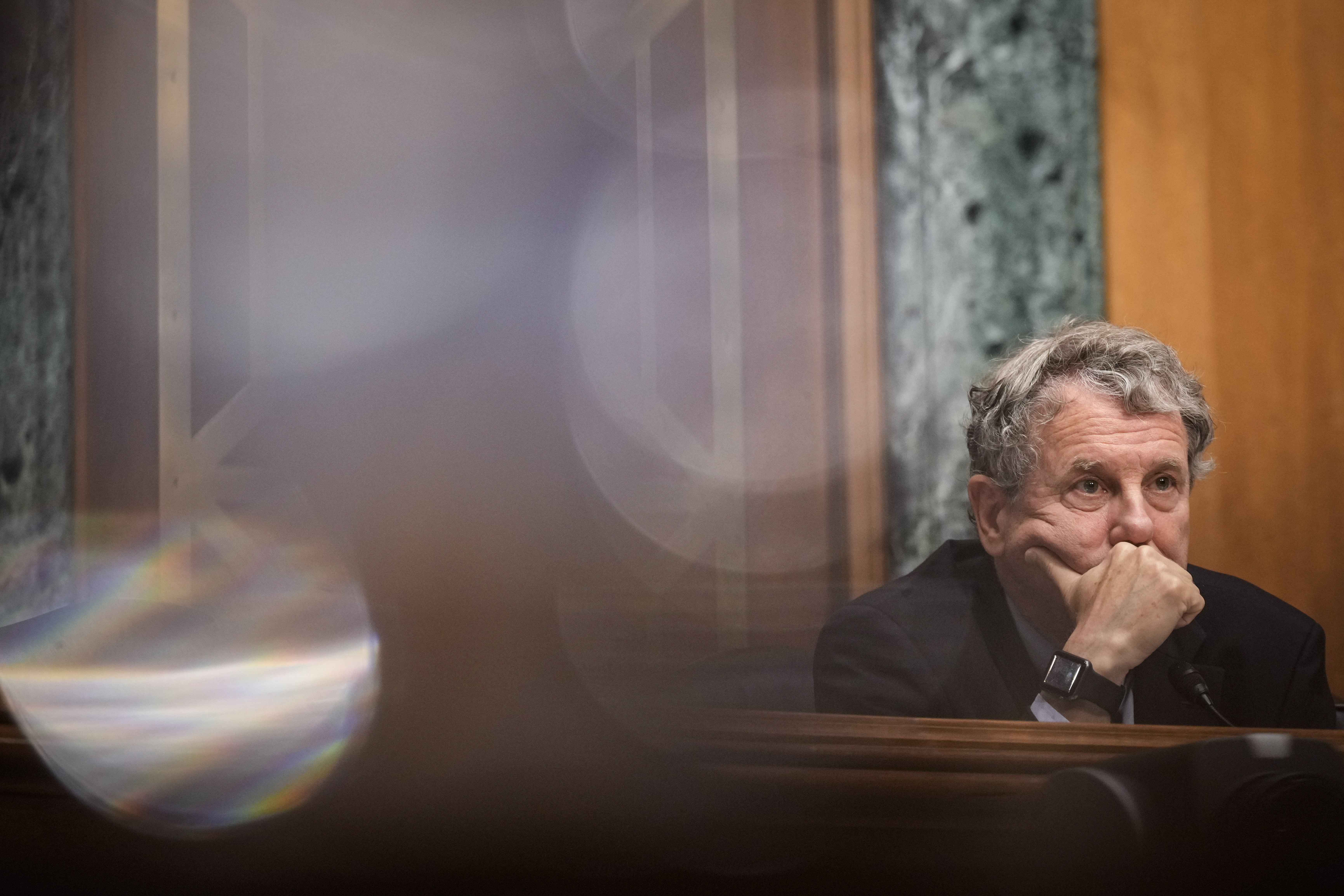
The cryptocurrency industry has gained significant political influence following the 2024 elections, with a super PAC spending over $130 million to support pro-crypto candidates, including defeating Senate Banking Chair Sherrod Brown. The return of Donald Trump as President-elect and a potential GOP Congress is expected to create a favorable environment for crypto, with plans to limit the SEC's reach and possibly establish a strategic bitcoin reserve. However, there are concerns about the depth of support in the Senate and the ongoing SEC enforcement actions.
Businessman Timothy Mellon donated $50 million to MAGA Inc., significantly boosting the super PAC supporting Donald Trump. This contribution is part of a larger trend of massive donations from megadonors on both sides of the political spectrum, making this election cycle potentially the most expensive ever. Other notable donations include Michael Bloomberg's $19 million to Biden's top super PAC and significant contributions from venture capitalists and other wealthy individuals.
The failed effort to secure Florida Gov. Ron DeSantis as the Republican nominee for the White House cost a total of $168 million, with his own campaign spending $28.3 million and pro-DeSantis super PACs reporting payments of over $140 million. DeSantis, who relied heavily on outside support, ended his campaign after losing to Donald Trump in the Iowa caucuses and faced challenges including financial pressures, staffing shakeups, and allegations of coordination between his campaign and the super PACs.
Governor Ron DeSantis's failed presidential bid cost over $160 million, with his campaign and allied super PACs spending heavily on advertising, private airfare, and donations to elected officials. Despite the massive spending, the campaign produced negligible results, leading to DeSantis dropping out before the New Hampshire primary and endorsing Donald Trump. Other Republican candidates, including Senator Tim Scott and entrepreneur Vivek Ramaswamy, also spent vast sums before dropping out, highlighting the scale of the financial investment and subsequent collapse in the 2024 Republican primary race.
Three super PACs funded by leaders in the cryptocurrency industry are starting 2024 with a combined $78 million as they aim to influence the upcoming election cycle. Despite recent challenges, the cryptocurrency industry is determined to support pro-crypto candidates running for seats in the House and Senate. The super PACs, known as Fairshake, Protect Progress, and Defend American Jobs, have raised significant funds from influential players in the crypto space, including Andreessen Horowitz, Coinbase, and Ripple. While their specific endorsements for next year are unknown, the Fairshake super PAC has already spent over $1 million on television advertisements supporting lawmakers with a history of supporting the crypto industry, including House Financial Services Chairman Patrick McHenry.
A network of super PACs supported by cryptocurrency executives and investors has raised $78 million to influence the 2024 elections, with backing from companies like Coinbase and venture capital firm Andreessen Horowitz. The goal is to support candidates who advocate for crypto-friendly policies amid increased regulatory scrutiny. One of the affiliated super PACs, Fairshake, has already spent over $1.2 million on TV ads supporting House candidates. The crypto industry hopes that a political shakeup in 2024 will help shape favorable policies in Washington. Coinbase has also launched a grassroots advocacy campaign, and more pro-crypto super PACs are expected to mobilize in the future.
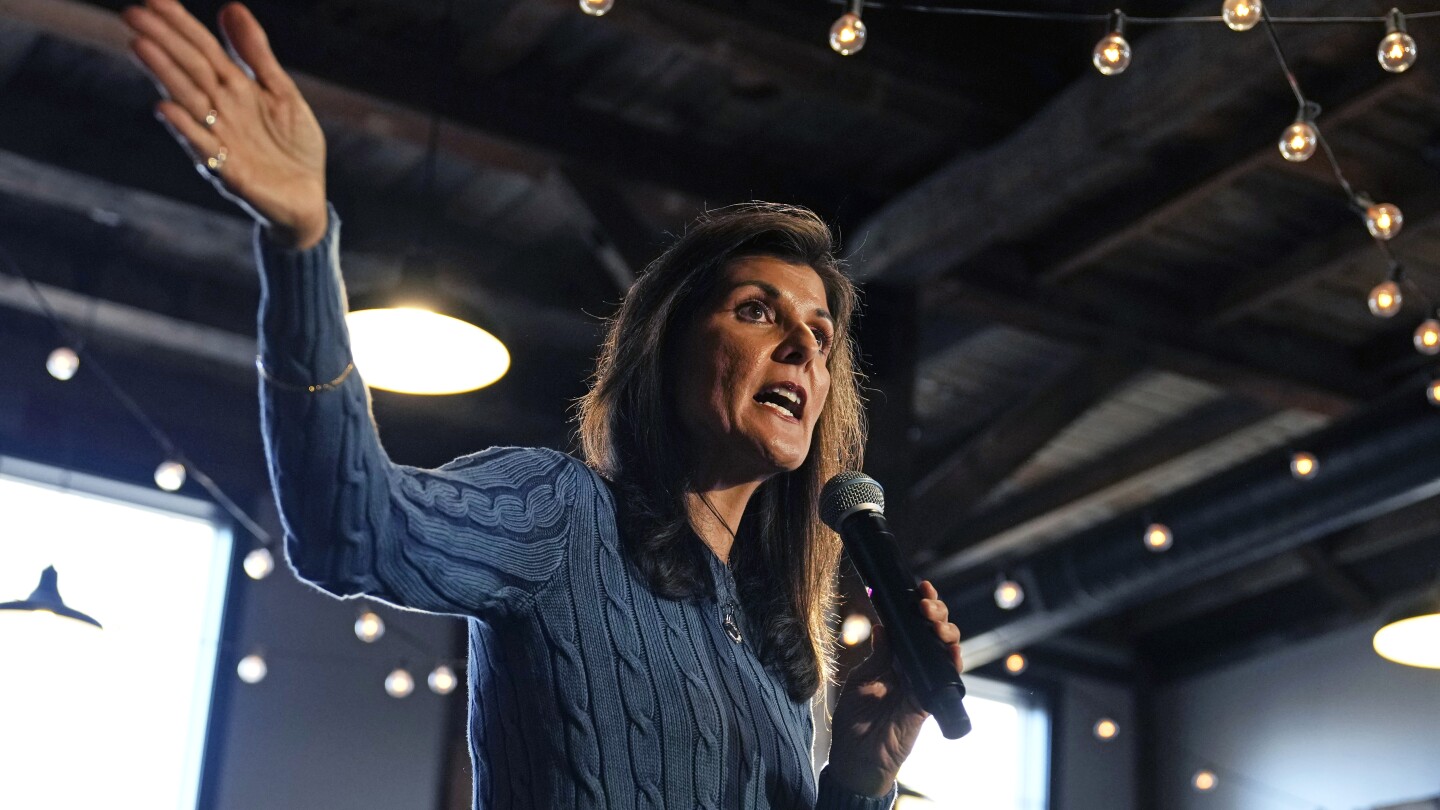
Florida Governor Ron DeSantis and former United Nations Ambassador Nikki Haley are relying heavily on outside campaign groups as they try to challenge former President Donald Trump. DeSantis is encouraging his donor network to support a newly formed super PAC that has taken over advertising responsibilities, while Haley has gained the support of the Koch network, the largest conservative grassroots organization in the US. Both candidates are testing the limits of modern-day presidential campaigns by relying on independent groups, as they struggle to disrupt Trump's path to another presidential nomination.
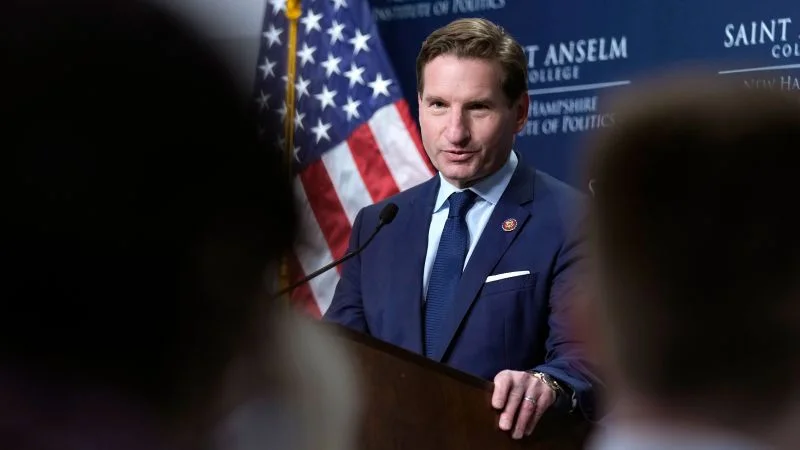
Rep. Dean Phillips, a Democrat, is defying his party's pushback and vowing to invest millions of dollars from his personal fortune in his long-shot presidential primary challenge against President Joe Biden. Phillips plans to use super PAC money to air negative ads in key primary states and has been escalating his attacks against Biden's message and political standing. Despite facing criticism and potential damage to his own political career, Phillips believes Biden's low approval numbers and the need for change motivate his challenge. He aims to differentiate himself from Biden on border policy and affordability, and plans to campaign in South Carolina and Michigan before reassessing his candidacy after Super Tuesday.
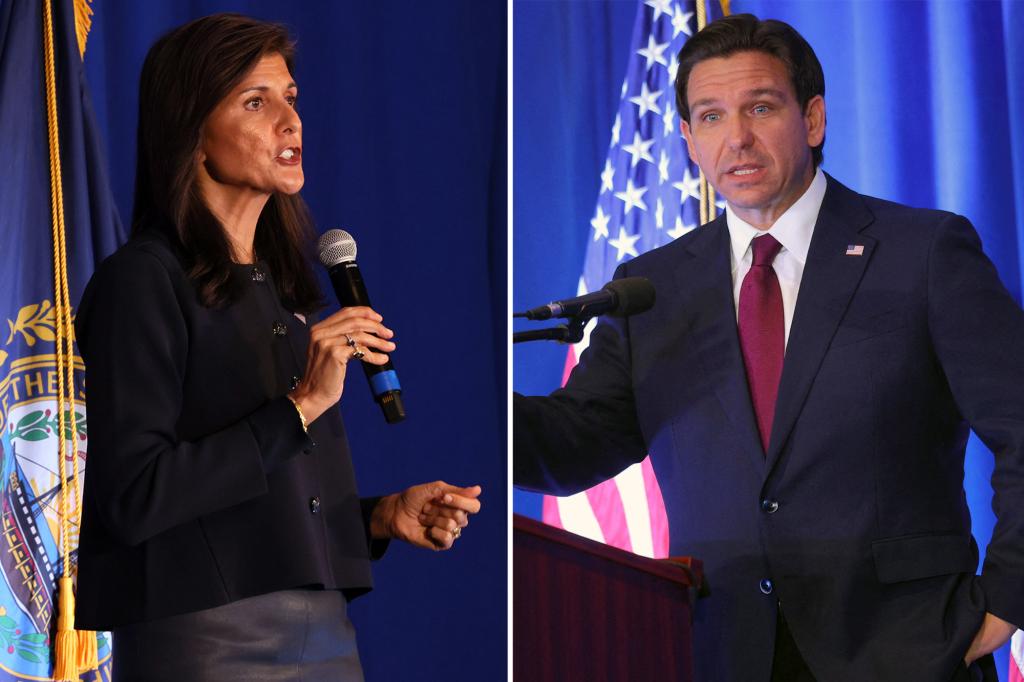
The rivalry between Florida Governor Ron DeSantis and former South Carolina Governor Nikki Haley has intensified, with super PACs and both campaigns releasing ads targeting each other as they compete in the polls. Pro-DeSantis Super PAC Never Back Down published ads criticizing Haley's remarks about Gaza refugees, while Haley's campaign launched an ad titled "Desperate DeSantis." Both candidates are vying for second place behind former President Donald Trump in national and early state polls, with DeSantis focusing on Iowa. Despite polls showing DeSantis behind Haley, he remains in second place on average nationwide.
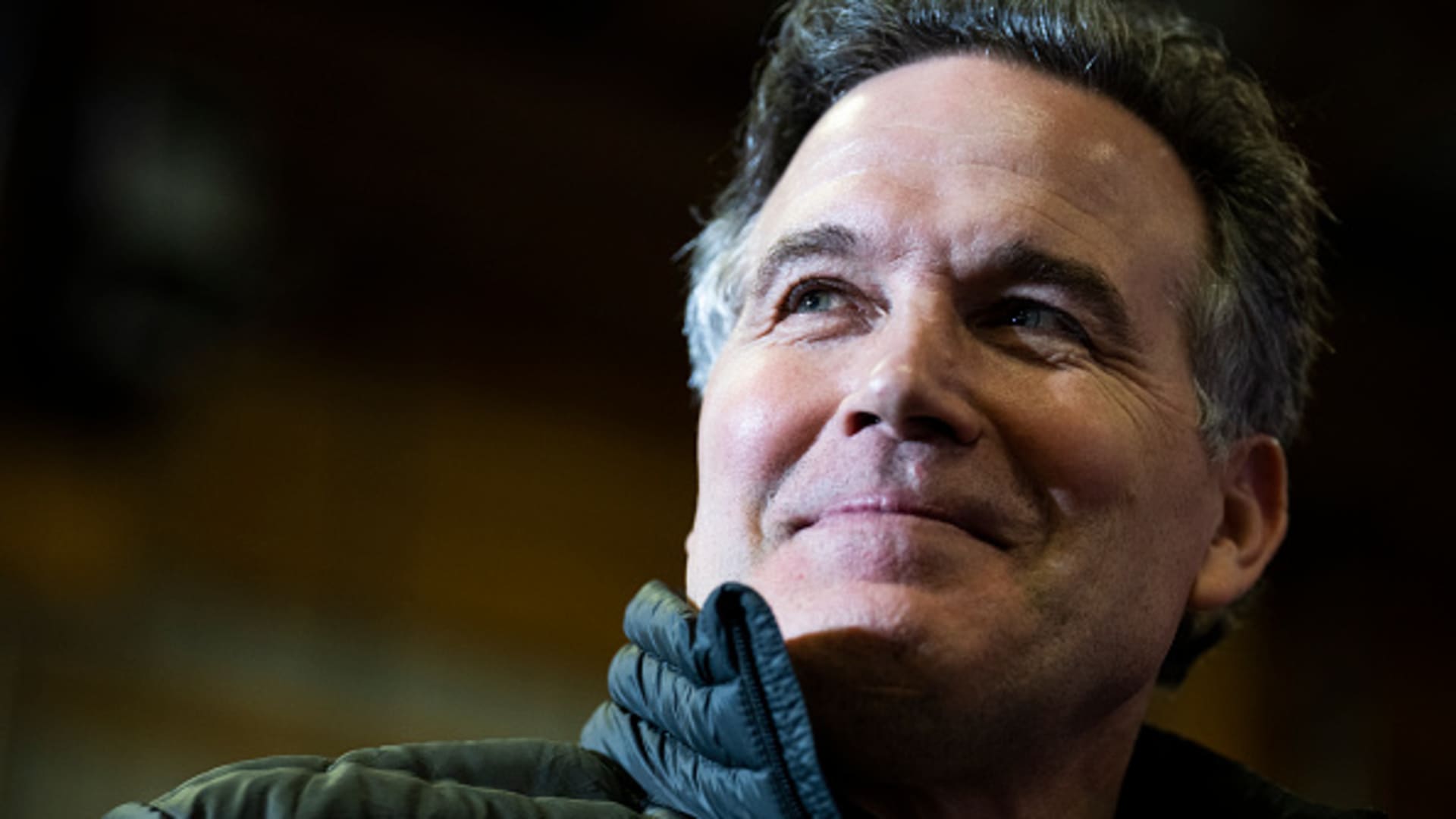
Former Bridgewater CEO Dave McCormick, who recently announced his second run for a U.S. Senate seat from Pennsylvania, received support from a gathering of wealthy donors at a party hosted by fashion designer Tory Burch. Attendees included prominent figures from Wall Street such as Lloyd Blankfein, Steven Mnuchin, and Gary Cohn. Many of these individuals have indicated their intention to back McCormick's campaign against Democratic incumbent Sen. Bob Casey through campaign donations or fundraising efforts. Other potential backers include Paul Singer and Steve Schwarzman. If these executives contribute to the race, it could signal a costly campaign, potentially exceeding the $350 million spent in the 2022 Senate race in Pennsylvania.
Super PACs supporting various presidential candidates have released their mid-year financial disclosures. Never Back Down Inc., backing Ron DeSantis, raised $130 million, with the majority coming from Empower Parents PAC and a single donor. Chris Christie's Tell It Like It Is PAC received nearly $5.9 million, including donations from Anthony Scaramucci and a GOP megadonor who paid for luxury trips for Supreme Court Justice Clarence Thomas. Tim Scott's TIM PAC raised nearly $20 million, largely from transfers from allied groups. Nikki Haley's Stand For America Fund raised $18.7 million, with contributions from Jan Koum and other prominent donors. Asa Hutchinson's America Strong and Free Action Inc. received $2.3 million, including donations from Walmart heirs and the head of Tyson Foods. Mike Pence's Committed to America PAC raised $2.7 million, with the highest contribution from an Arkansas businessman. Doug Burgum's Best of America super PAC raised over $11 million, with major donors including Frederick Burgum and Miles White. Robert F. Kennedy Jr.'s American Values 2024 PAC raised $9.8 million, primarily from two major donors.
The Denver mayoral runoff has turned negative in the final stretch, with both candidates taking shots at each other. Outside groups have spent heavily, with fundraising and spending by the two candidates remaining relatively even. Super PACs supporting the candidates have spent millions, dwarfing candidate spending. Turnout has been low, with voters having until Tuesday to return their ballots. The next mayor will oversee a city government that employs 11,000 people with a $1.6 billion budget.
A pro-DeSantis super PAC parked a campaign bus outside a restaurant where Donald Trump was speaking in Iowa, leading to a Twitter spat between the two campaigns. The bus was eventually blocked in by a black SUV from Trump’s security entourage. Inside the restaurant, Trump made digs at DeSantis and told the crowd they shouldn’t support him because the Florida governor said he needed and would serve eight years in the White House to fully carry out his conservative agenda. DeSantis responded by asking why Trump didn't fix the country in his first four years.