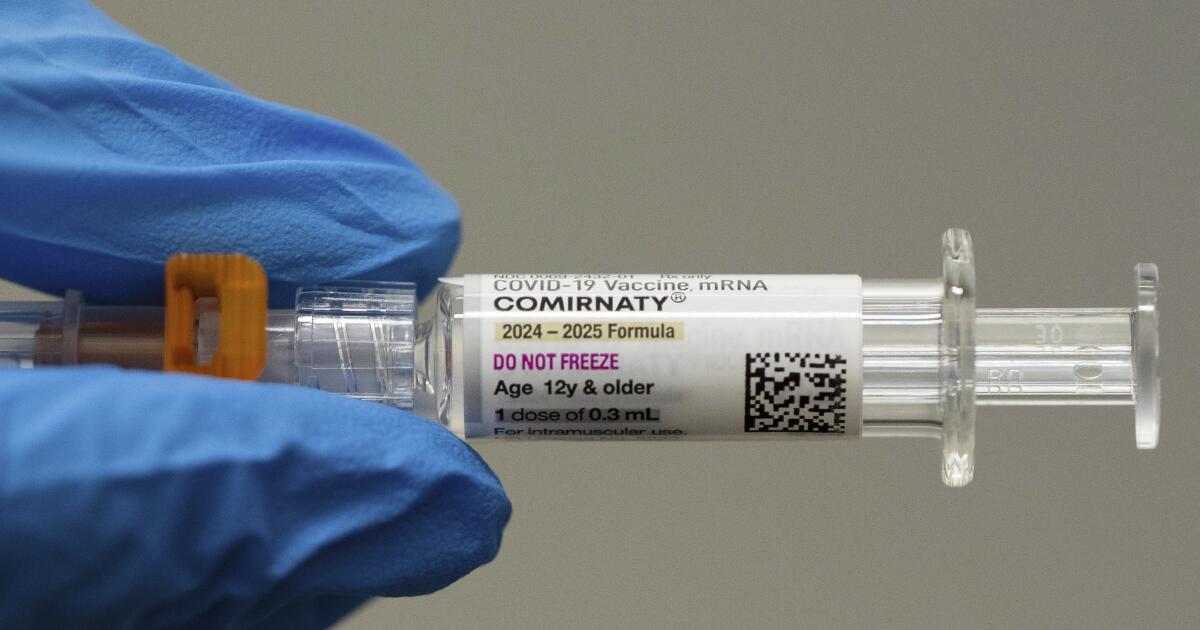
California's summer COVID wave appears to be leveling off with some indicators declining, such as hospitalizations and test positivity rates, though wastewater levels remain high, suggesting the wave may soon decline but is not over yet.
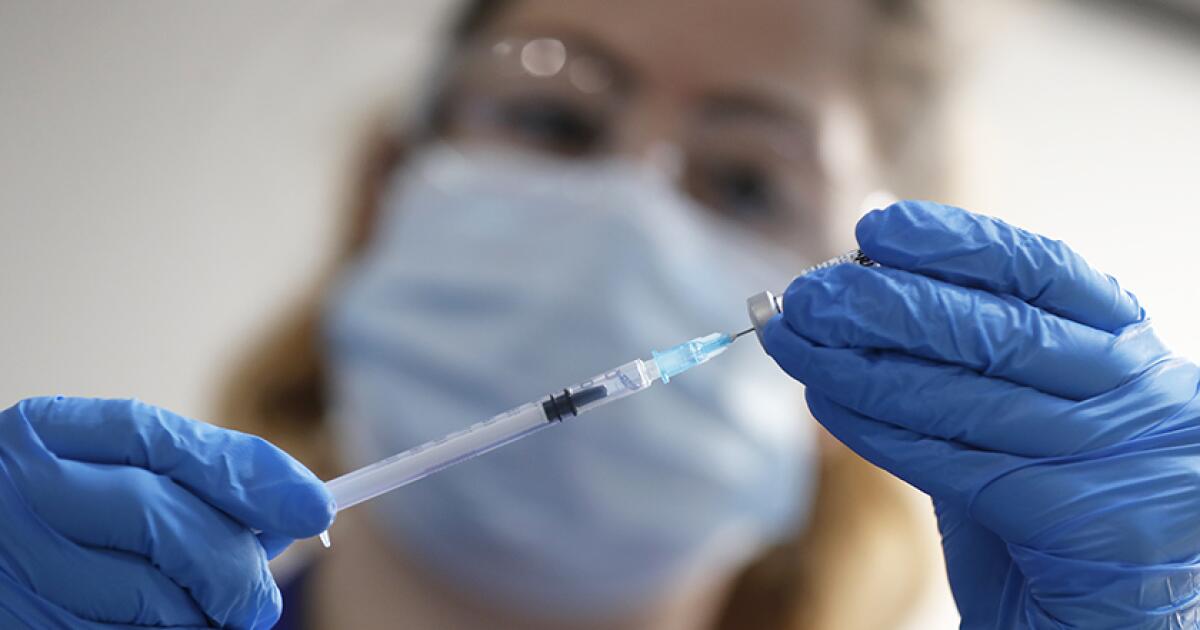
California is experiencing a mild summer COVID-19 surge with rising case positivity rates and wastewater levels, but hospitalizations remain low. Experts warn of potential winter waves, and vaccine access is complicated by new federal restrictions, leading to uncertainty about future COVID trends and vaccination efforts.
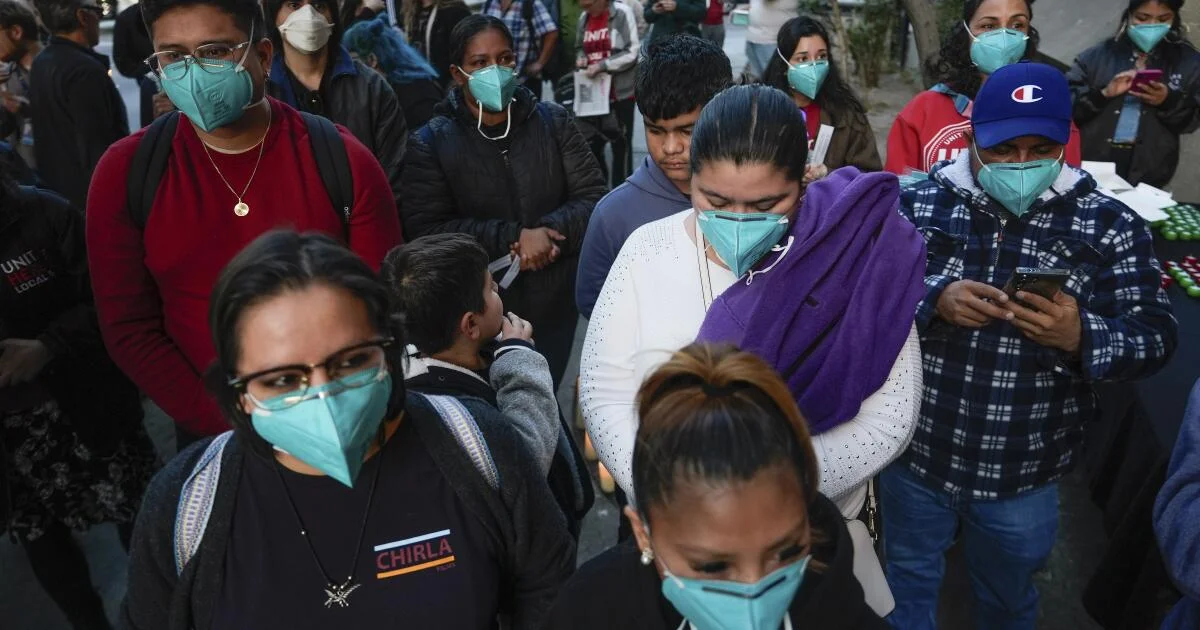
A summer COVID wave is impacting California with rising cases, hospitalizations, and wastewater viral levels, prompting health officials to recommend indoor masking and vaccination, amid debates over vaccination rules and ongoing public health measures.
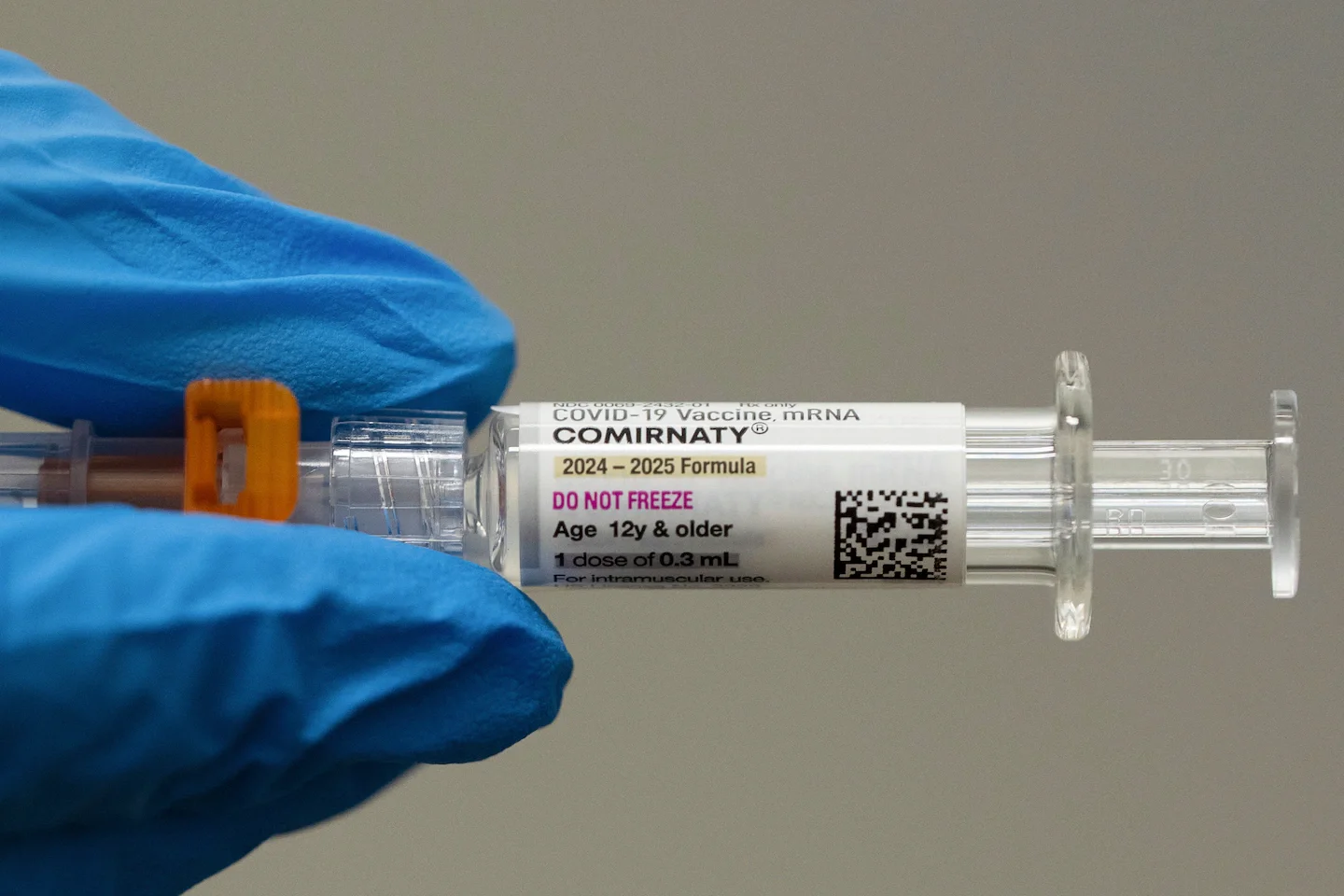
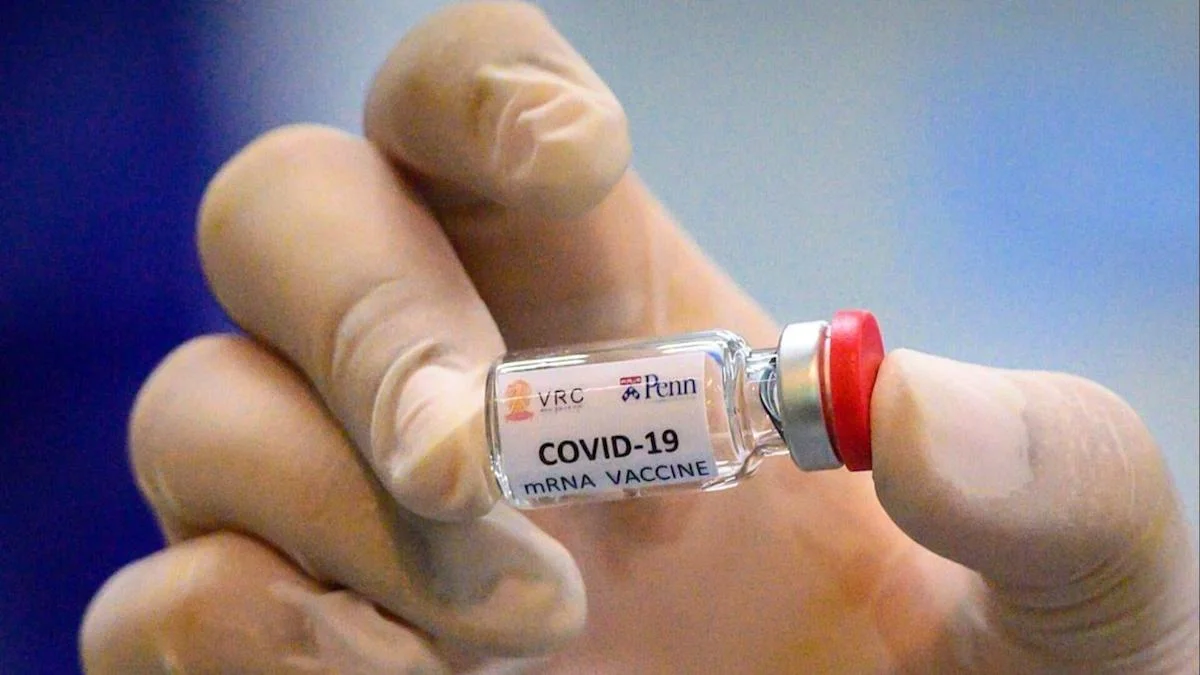
COVID-19 cases are rising again in the US with a summer wave, but severe illness remains low. Updated vaccines are delayed and may only be approved for high-risk groups until mid-September, raising concerns about access for vulnerable populations. Experts recommend staying current with vaccines, wearing masks, and practicing good hygiene to protect oneself and others.
A new summer wave of COVID-19 is occurring, but updated vaccines may not be available until mid-September, and access for non-high-risk individuals could be limited.
Amid a subdued summer Covid-19 wave in the US, recent policy changes and vaccine availability concerns have caused confusion and worry among Americans, especially about access and coverage, with trust in federal sources declining and experts advising timely vaccination.
COVID-19 cases are rising in at least 26 states and D.C. during the summer, with new variants Nimbus and Stratus being no more deadly than previous strains. Vaccines remain effective, and health officials advise caution, especially for vulnerable populations. Recommendations for vaccination are now more personalized, emphasizing shared decision-making.
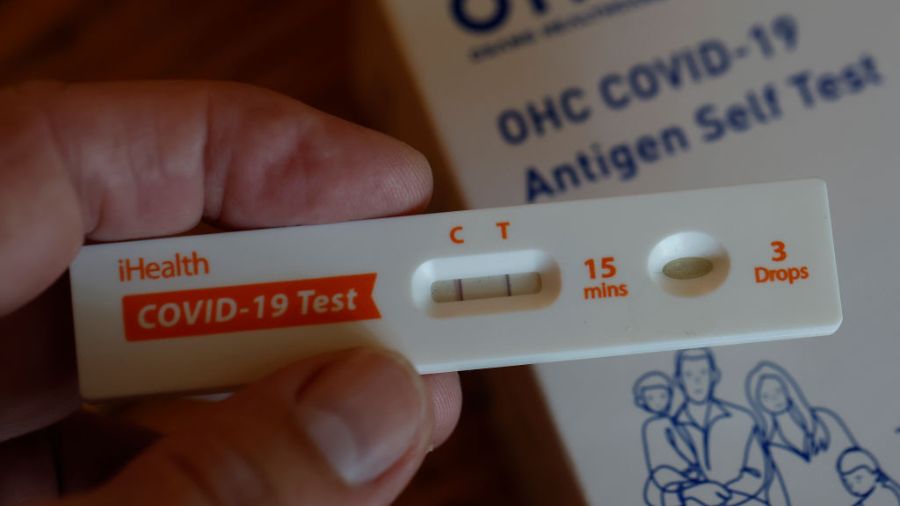
COVID-19 cases are rising in King County during the summer, with increased emergency visits, though still lower than last year. The rise is partly due to more at-home testing, which may underestimate true cases. Public health officials recommend staying up to date on vaccinations, using masks in crowded indoor spaces, and testing properly. No increase in flu or RSV visits has been observed.
COVID-19 cases are rising in 25 U.S. states, especially in the South, Southeast, and West Coast, with a summer wave following a biannual pattern. Emergency room visits are increasing, and health officials warn about the spread of Parvovirus B19, which can cause flu-like symptoms and pose risks to pregnant women.
COVID-19 cases are rising in many U.S. states, indicating a potential summer wave due to waning immunity and a more transmissible variant, NB.1.8.1, also known as 'nimbus'.
A new COVID-19 variant, Nimbus (NB.1.8.1), originating from Omicron, is spreading globally and may cause a summer surge in cases in the US, though it does not appear more severe. It could be more contagious and partially evade immunity, prompting experts to recommend vaccination for vulnerable groups and continued precautions like mask-wearing in crowded indoor settings. The situation underscores the importance of monitoring variants and updating vaccines accordingly.
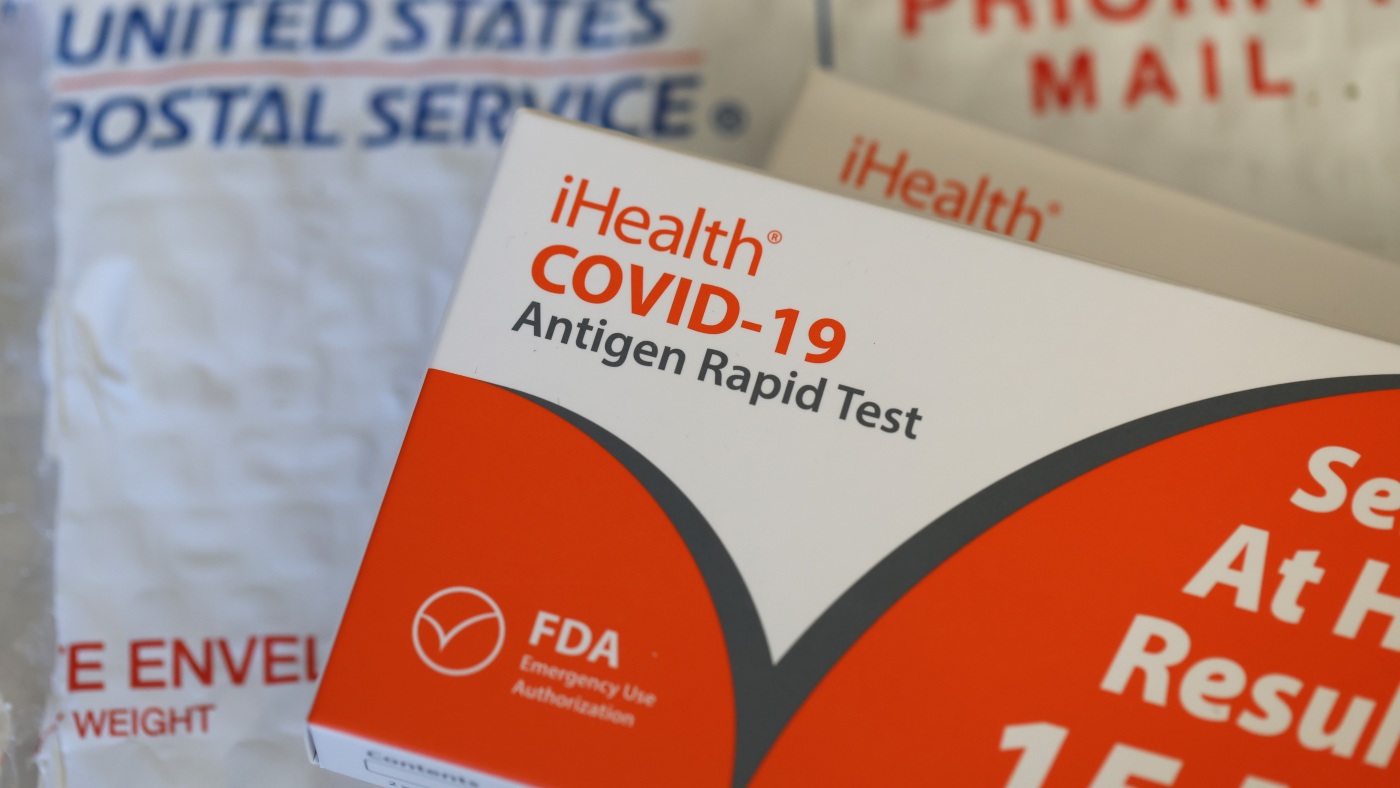
Covid-19 cases are rising in the U.S., with a 23.5% increase in emergency visits and high viral activity in wastewater. Dr. Leana Wen advises that while many can continue their normal lives, vulnerable individuals should take extra precautions. Rapid tests are still useful, and a new vaccine is expected soon. Those infected should follow CDC guidelines and consider the health of those around them.
A new COVID-19 variant called FLiRT is emerging, which appears to be more transmissible but not more severe than previous variants. Dr. Ashish Jha from Brown University suggests that while a summer wave is likely, those vaccinated or previously infected are expected to experience mild symptoms. He emphasizes the importance of vaccines and treatments, especially for high-risk groups, and anticipates that COVID-19 will be managed similarly to other seasonal respiratory illnesses in the future.
Dr. Ashish Jha discusses the new COVID variants called "FLiRT," noting that while they are more transmissible, they do not appear to cause more severe illness in vaccinated individuals. He anticipates a summer wave of infections, particularly in the South, and advises staying up to date on vaccines and avoiding crowded indoor spaces. Jha also suggests that COVID-19 may become a seasonal illness requiring annual vaccinations, similar to the flu.
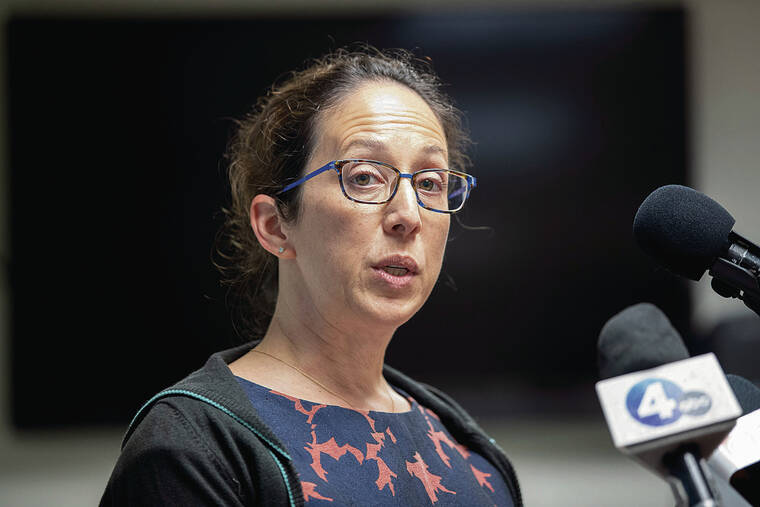
COVID-19 test positivity rates are rising in Hawaii, indicating a potential summer wave. State epidemiologist Sarah Kemble advises residents to ensure they are up-to-date with the 2023-24 COVID-19 vaccine.