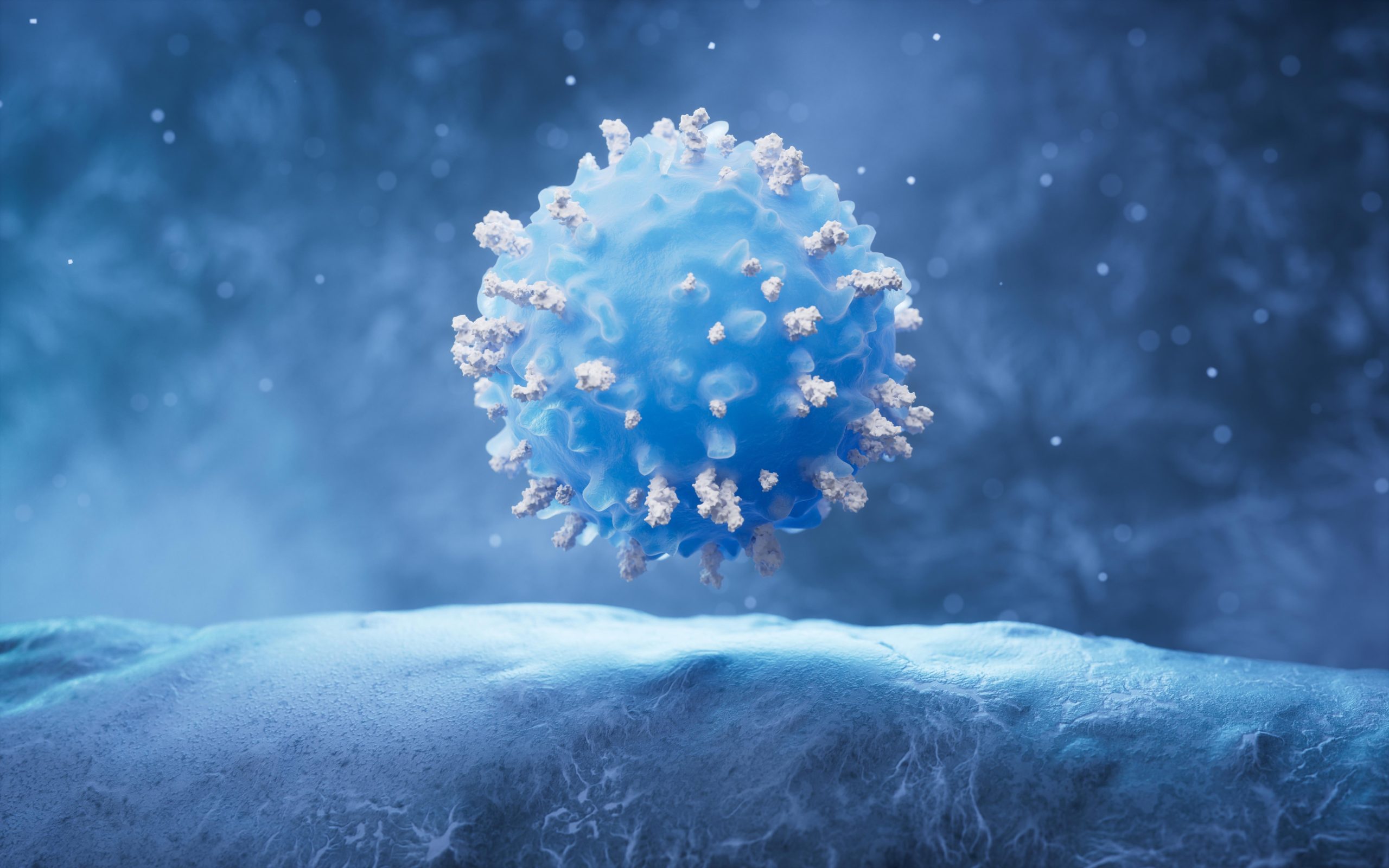
New research shows that immune cells shed a sugar-rich surface layer called glycocalyx to enter inflamed skin in psoriasis, challenging previous beliefs and opening new avenues for treatment targeting immune cell migration.
Researchers at Stanford School of Medicine and Sarafan ChEM-H have discovered that the oncogene Myc has a direct role in disguising growing cancers from the immune system by increasing the production of specific proteins in the cells. The sugar molecule coating on the surface of cancer cells sends a “stand down” signal to immune cells called macrophages that would normally engulf and destroy the cancer cells. The discovery could lead to a new class of cancer therapy by blowing the cover of cancer cells and enhancing the ability of macrophages to destroy the cancer cells.