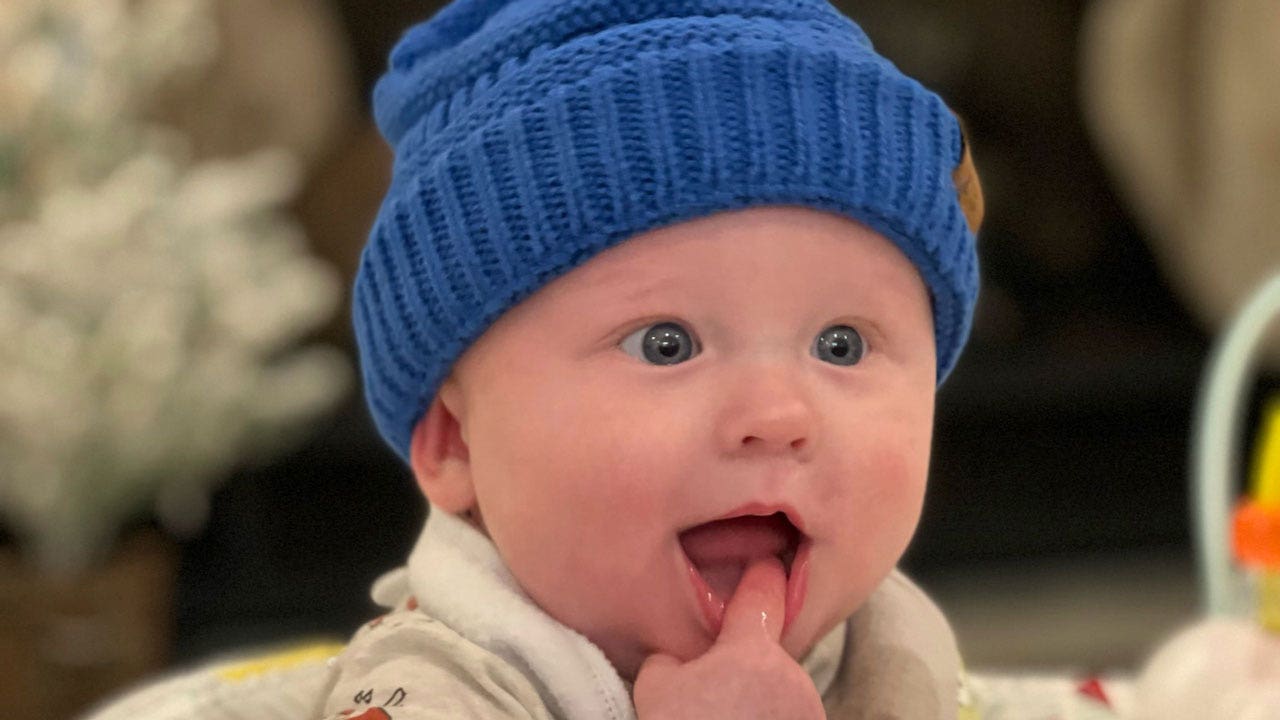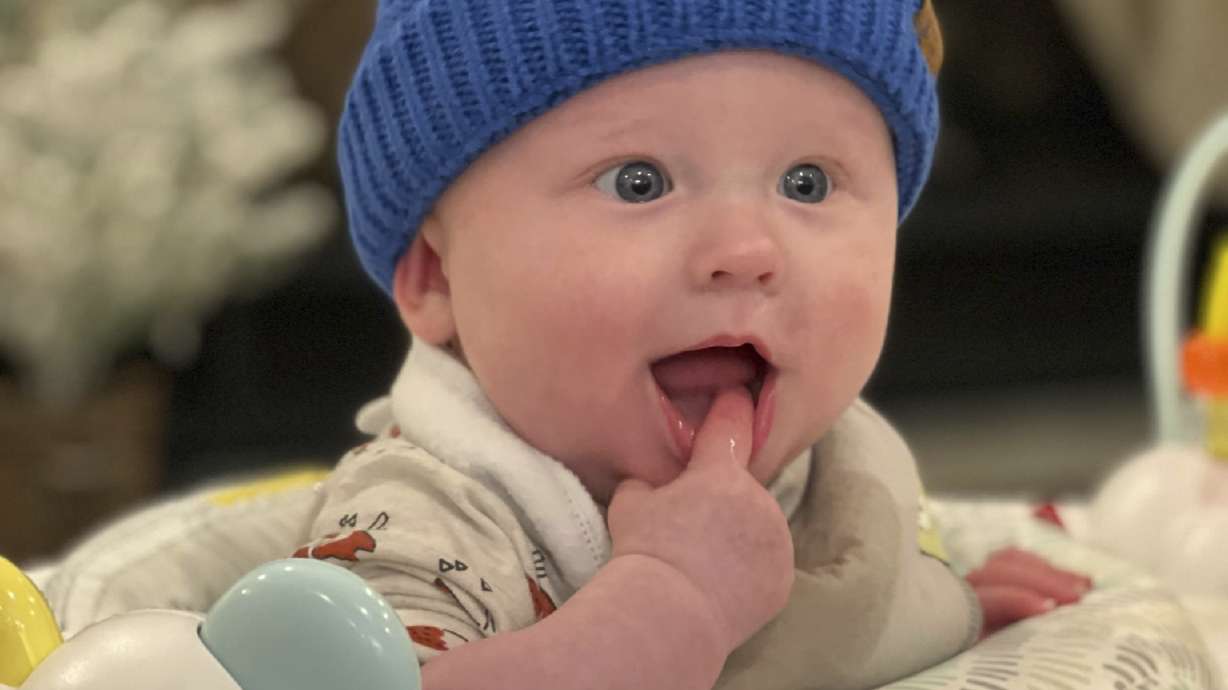
Influencer Melissa Mae Carlton and her husband mourn the loss of their second daughter, Molly, just over a year after losing their first daughter Abi. Molly died on Christmas Day, and her family suspects a genetic heart condition may have contributed. Melissa shares her grief openly on social media, highlighting the emotional toll and seeking prayers and support during this difficult time.
A breakthrough study has found a potential link between seizures and sudden unexplained child deaths (SUDC), shedding light on a possible cause for these tragic events. Researchers analyzed video recordings of toddlers who died from SUDC and found that seizures, lasting less than 60 seconds, occurred within a half hour of death in most cases. Further research is needed to confirm these findings and determine how seizures may lead to sudden death in young children, but this study marks the first direct evidence linking seizures to SUDC. Experts recommend current strategies to reduce the risk of SUDC, such as placing babies to sleep on their back and keeping their sleeping environment safe.
Researchers at NYU Langone Health have found potential evidence linking seizures during sleep to sudden unexplained death in childhood (SUDC), after analyzing crib cam footage of seven toddlers who died in their sleep. The study, though small, is the first to offer direct evidence of a seizure link, with five of the toddlers exhibiting movements consistent with brief seizures. The findings, published in the journal Neurology, suggest that fever-related seizures, which are common and usually harmless in young children, could occasionally be a warning sign of SUDC. The research aims to uncover more about this poorly understood phenomenon, which claims over 400 lives a year in the US among toddlers and preschoolers.
A new study published in Neurology suggests that brief seizures with muscle convulsions may be a potential cause of sudden infant death syndrome (SIDS) and sudden unexplained death in children (SUDC). Researchers at NYU Langone, including Dr. Laura Gould who established the SUDC Registry after her own loss, analyzed over 300 cases and found that convulsions lasting less than 60 seconds occurred close to the time of death. This discovery could provide insights into preventing these tragic losses, although further research is needed to fully understand the connection. This follows another study linking low levels of the enzyme butyrylcholinesterase (BChE) to SIDS, offering some solace to grieving families that these deaths are not their fault.
A study by NYU Langone Health, published in the journal Neurology, suggests that brief seizures during sleep may be linked to sudden unexplained death in children (SUDC). Researchers analyzed home monitoring videos of seven toddlers who died and found that five exhibited movements consistent with seizures shortly before death. The study is small but provides the first direct evidence of a possible connection between seizures and SUDC. Further research is needed to understand the frequency of seizures in sleep-related deaths and to identify children at risk. Parents are advised to be aware of febrile seizures, which have an increased risk in children who may later experience SUDC, although such cases are very rare.
Researchers at NYU Langone Health have found potential evidence linking seizures during sleep to sudden unexplained death in childhood (SUDC) after analyzing home monitoring videos of seven toddlers who died in their sleep. The study, though small, is the first to offer direct evidence of a seizure link, with five of the toddlers showing movements consistent with brief seizures. The findings raise questions about the role of fever-related seizures, which are common but usually harmless, in these unexplained deaths. The research aims to identify children at risk and potentially change outcomes, but more extensive research is needed to understand the phenomenon fully.
Researchers at NYU Langone Health have found that seizures during sleep may contribute to some cases of sudden unexplained death in childhood (SUDC), after analyzing home monitoring videos that captured the deaths of seven sleeping toddlers. The study, though small, provides the first direct evidence of a potential seizure link in SUDC, which is similar to SIDS but occurs in children after their first birthday. The findings suggest that while fever-related seizures are common and usually harmless in young children, they could occasionally be a warning sign of a more serious condition. Further research is needed to identify at-risk children and potentially change outcomes.
Researchers at NYU Langone Health have found potential evidence linking seizures during sleep to sudden unexplained death in childhood (SUDC), after analyzing home monitoring videos of seven toddlers who died in their sleep. The study, though small, is the first to offer direct evidence of a seizure link, with most of the children showing brief seizure-like movements before death. This raises questions about the common occurrence of fever-related seizures in young children and whether they could occasionally be a warning sign of a more serious condition. The findings don't change current advice about febrile seizures but point to the need for further research to identify at-risk children and potentially prevent future tragedies.
Researchers at NYU Langone Health have found potential evidence linking seizures during sleep to sudden unexplained death in childhood (SUDC) after analyzing home monitoring videos of seven toddlers who died in their sleep. The study, though small, is the first to offer direct evidence of a seizure link, with five of the toddlers showing brief seizure-like movements before death. The findings, published in the journal Neurology, suggest that while fever-related seizures are common and usually harmless in young children, they might occasionally be a warning of a more serious condition. Further research is needed to identify children at risk and potentially change outcomes.
Researchers at NYU Langone Health have found that seizures during sleep may contribute to some cases of sudden unexplained death in childhood (SUDC), after analyzing home monitoring videos that captured the deaths of seven sleeping toddlers. The study, though small, provides the first direct evidence of a potential link between seizures and SUDC. The findings, published in the journal Neurology, suggest that while fever-related seizures are common and usually harmless in young children, they could occasionally be a warning sign of a more serious condition. The research aims to identify children at risk and potentially change outcomes, but more extensive research is needed to understand the underlying causes of SUDC.