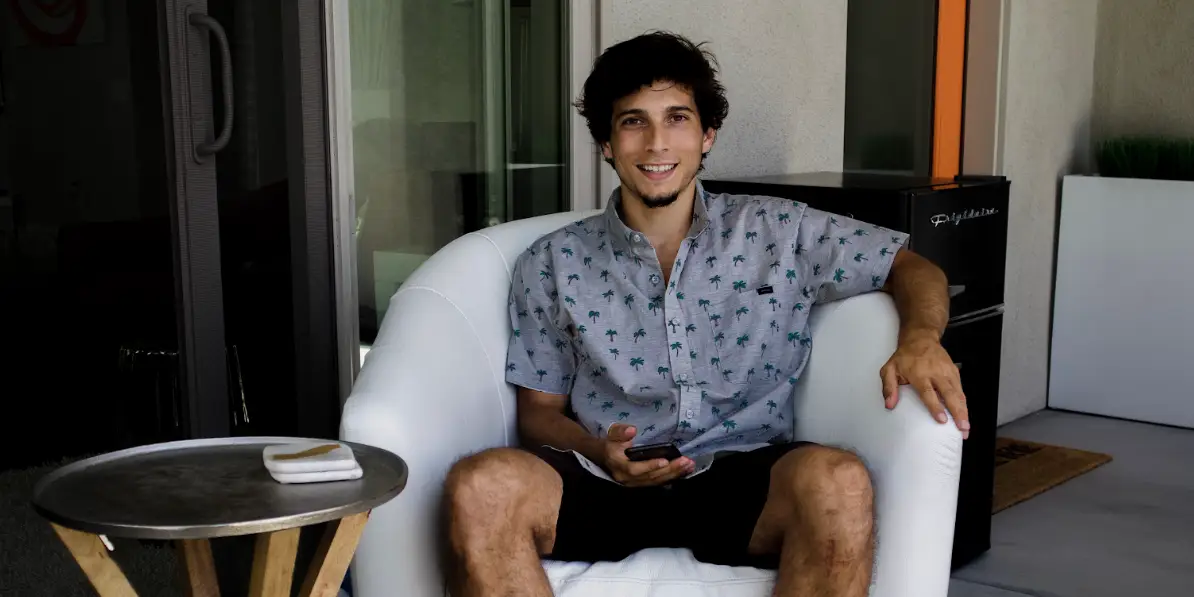
A cofounder shares how working with a teenage intern led to the creation of Cal AI, an AI-powered nutrition app that now generates over $3 million in monthly revenue and $1 million in profit, transforming his life and demonstrating the impact of kindness and networking.
Jacory Croskey-Merritt, a player for the University of Arizona football team, faced NCAA eligibility issues that threatened his senior season and NFL dreams, but his story is one of resilience and success.
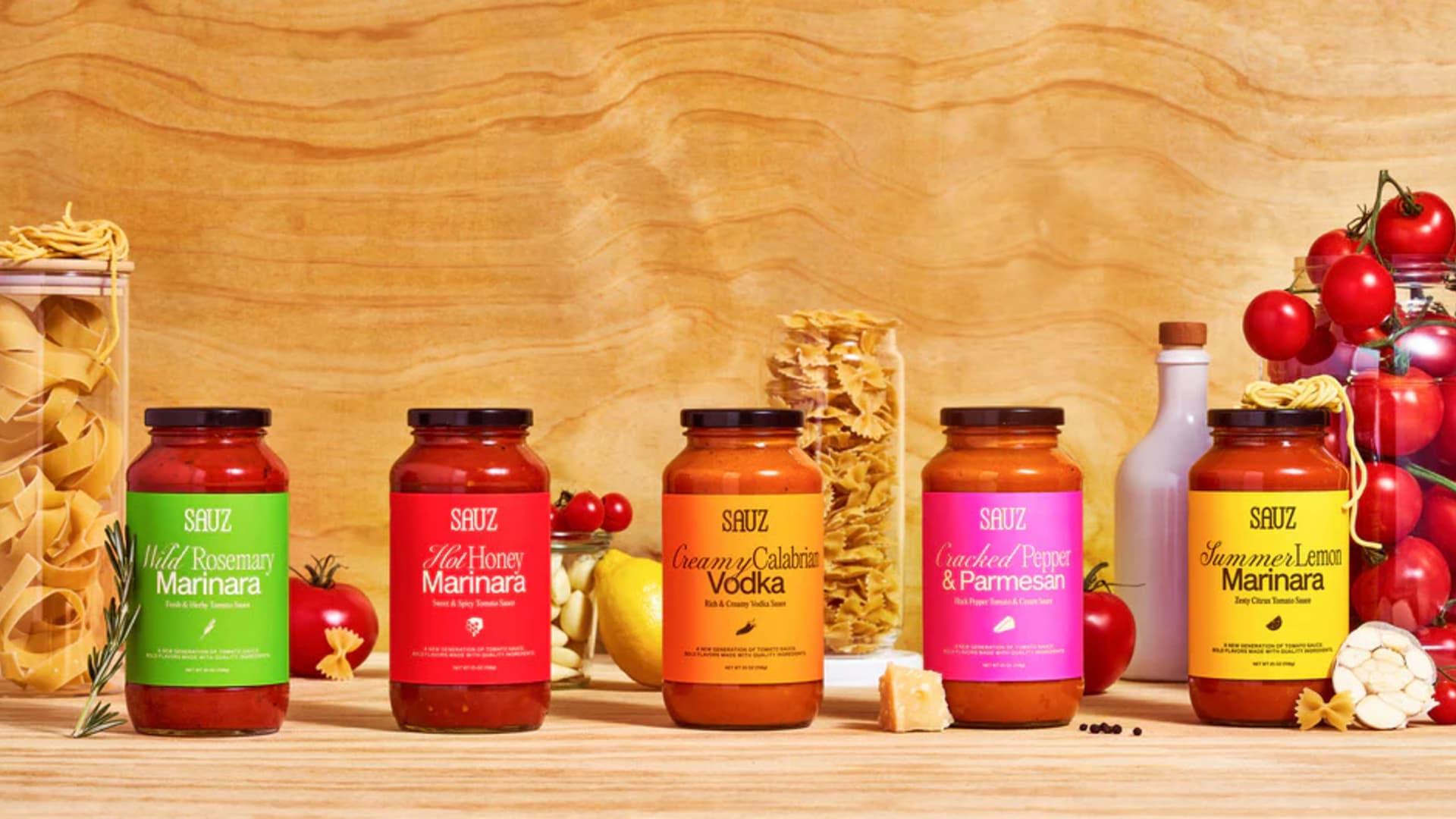
Gen-Z entrepreneurs Troy Bonde and Winston Alfieri launched Sauz, a pasta sauce brand, after a successful stint selling medical devices during the pandemic. Their unique flavors and vibrant packaging helped them secure retail space in major stores like Whole Foods and Target, leading to nearly $1 million in monthly sales. Their journey highlights the risks and rewards of entrepreneurship, as they invested all their earnings from their first venture into Sauz, despite initial skepticism from friends and family.
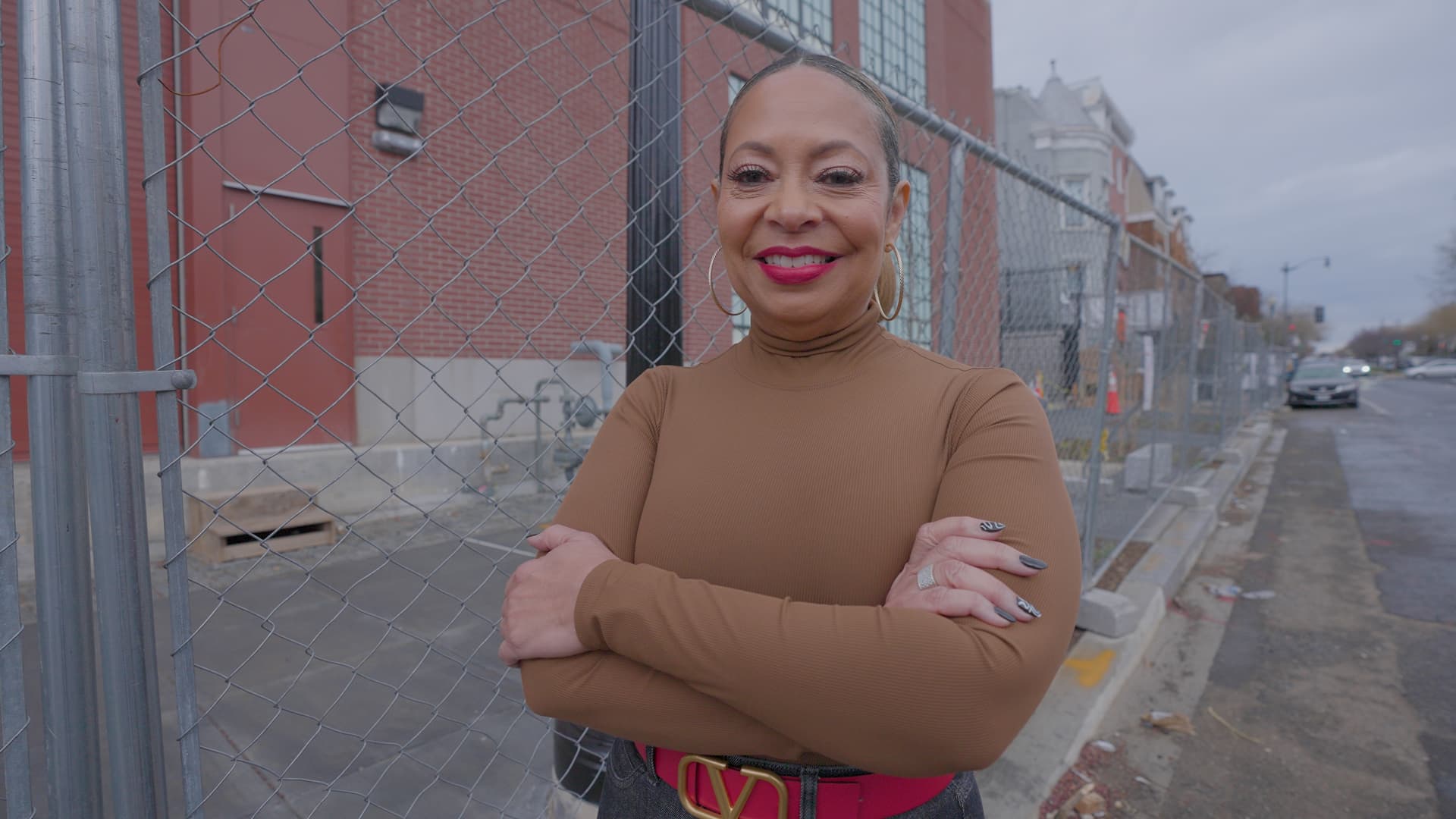
Deryl McKissack, the president and CEO of McKissack & McKissack, started her construction management and design firm with $1,000 in 1990 and now brings in between $25 million and $30 million per year, managing $15 billion in projects. The firm's legacy dates back to her great-great grandfather, a skilled brick maker who came to the U.S. as a slave in 1790. Motivated by a desire to see more Black women CEOs in the construction industry, McKissack overcame initial struggles to build her business, and now aims to provide professional opportunities for Black talent through her nonprofit, AEC Unites.
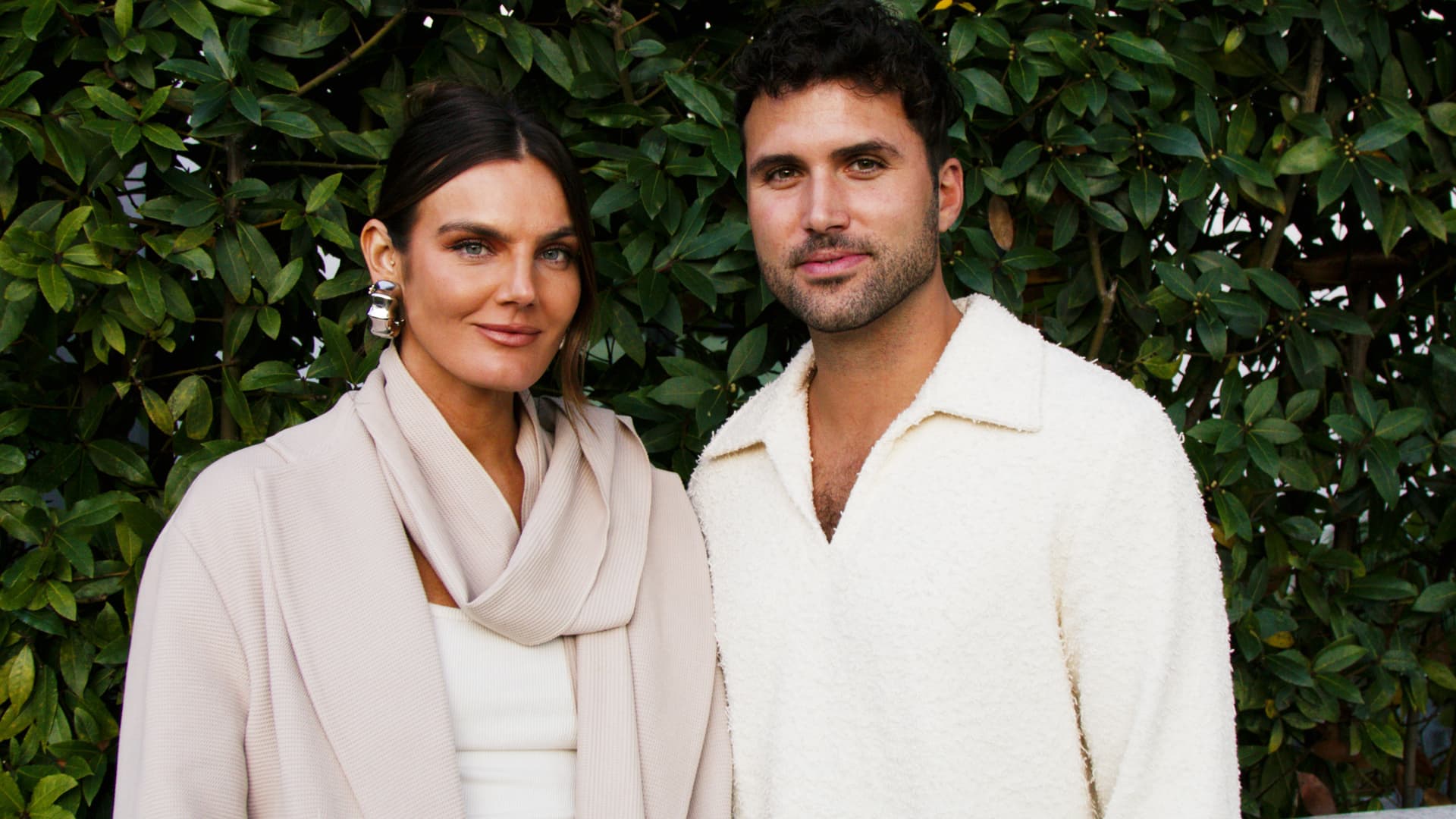
Tessa Barton and Cole Herrmann started their photo editing app, Tezza, as a side hustle to make extra income to pay rent in New York City. The app, which started as a passion project, has now evolved into a lifestyle brand bringing in $2.2 million a month, offering photo filters, collage kits, apparel, and a magazine. The couple's journey involved learning from mistakes, working unglamorous hours, and differentiating their app by catering to an audience seeking an accessible way to make their lives look Instagram-worthy. They now serve as co-CEOs of their company and plan to expand the brand into physical spaces while continuing to experiment and pursue new ways to be creative.
Crumbl Cookies, founded by two cousins with no professional baking experience, has grown into a billion-dollar business with over 980 stores in the U.S., selling more than 300 million cookies in 2022. Leveraging social media and weekly limited-edition cookie drops, the company has amassed a large following and attracted franchising interest, leading to the opening of over 600 new stores. Despite facing trademark infringement lawsuits, co-founder Jason McGowan believes their success is replicable, emphasizing that anyone can start a business and succeed.
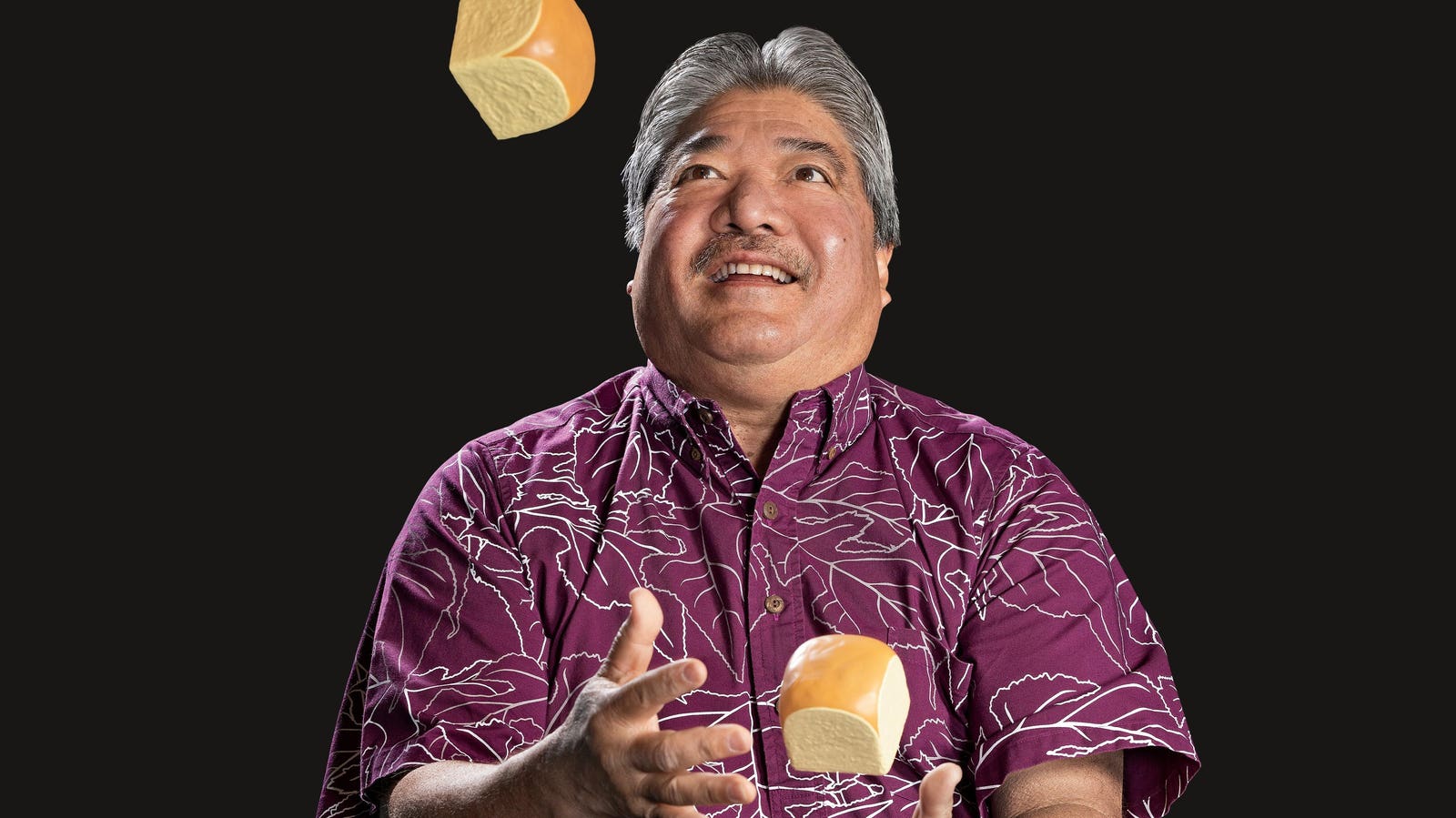
Mark Taira, the CEO of King’s Hawaiian, has transformed his family's small bakery into a $2 billion empire, with the third generation now involved in the business. The company's signature sweet rolls generate the majority of its $900 million in annual revenue, with impressive gross profit margins. Under the holding company Irresistible Food Group, the Taira family has expanded into new ventures, including Hawaiian-farmed tea, pickles, and a Hawaiian-inspired restaurant concept, all while remaining 100% family-owned. With a focus on product quality and expansion, the Tairas have no plans to sell their famous Hawaiian rolls to other brands, despite growing demand.
Chisom Okwulehie, a 35-year-old architect at the Port Authority of New York and New Jersey, started a side hustle called Juntero with her husband, bringing in over $400,000 in revenue in 2023. Despite her six-figure salary at her job, she wanted to cover mortgage costs and build generational wealth. Okwulehie manages a team of designers and puts most of the company's profits into savings. She plans to use her savings to build a house and invest in her children's future, while also continuing her full-time job at Port Authority.
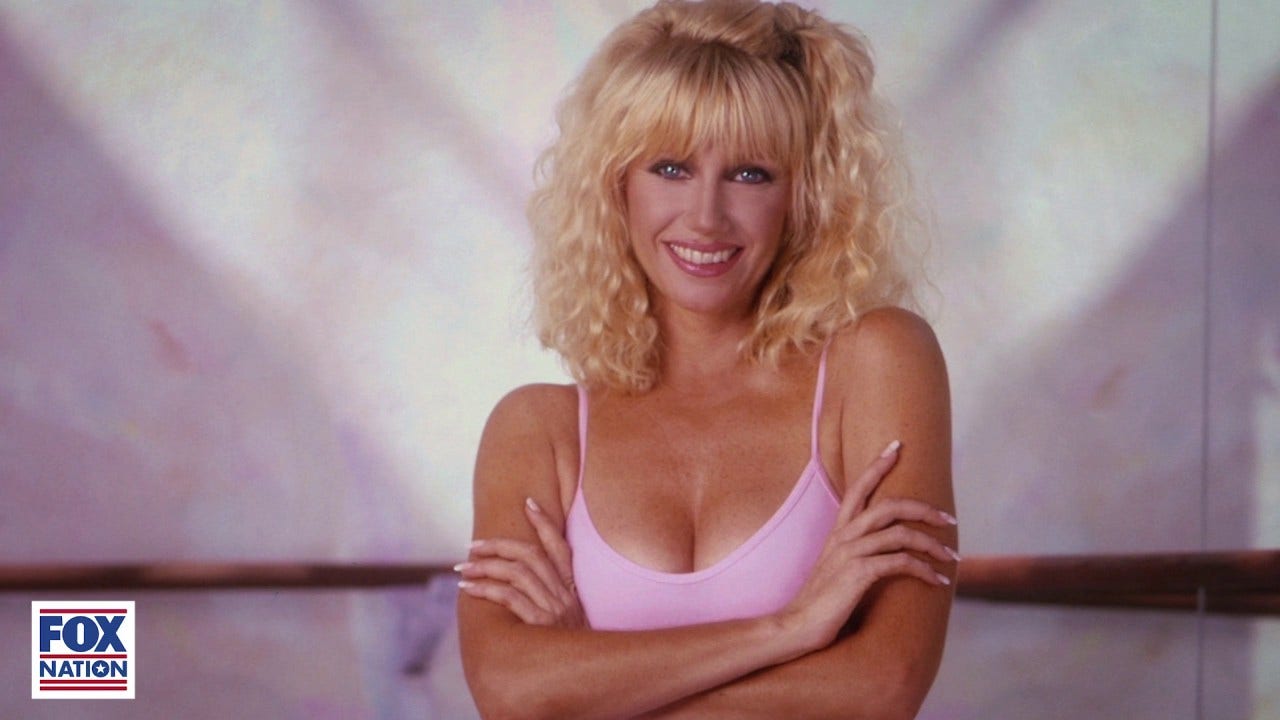
Suzanne Somers, known for her roles in "Three's Company" and "Step by Step," found success in the fitness industry after being fired for asking for equal pay. She revolutionized infomercial history with the ThighMaster, paving the way for stars to do infomercials in the U.S. She described the satisfaction of comeuppance and reinvention, stating that she never needed a job again in Hollywood after her success with the ThighMaster and other ventures.
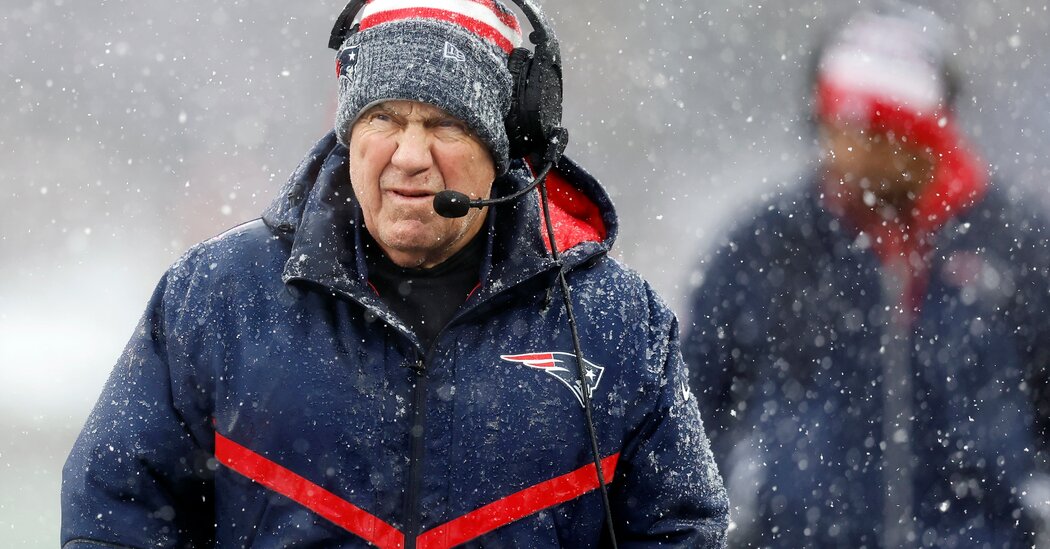
The New England Patriots, once a struggling team, transformed into one of the most successful and valuable sports franchises in the world under the ownership of Robert K. Kraft and the leadership of coach Bill Belichick. Their two-decade run of success, which included six Super Bowl titles and a 76 percent regular-season win rate, elevated the team's brand to international recognition and a worth of approximately $7 billion, making them comparable to iconic sports franchises like the New York Yankees and the Dallas Cowboys.
Michael Kirban, co-founder and executive chairman of The Vita Coco Company, shares how his beverage company took on Coca-Cola after the beverage giant bought a stake in Vita Coco's biggest competitor, Zico. Despite the initial shock, Kirban rallied his team and focused on growing the coconut water category. Through strategic partnerships, including endorsements from celebrities like Madonna and Matthew McConaughey, and a distribution deal with Keurig Dr Pepper, Vita Coco became a dominant player in the market, commanding nearly 50% of the U.S. coconut water market and achieving a market cap of $1.6 billion. Meanwhile, Zico struggled under Coca-Cola's ownership and was eventually reacquired by its founder. Kirban emphasizes the importance of creating opportunities and embracing the possibility of failure in order to achieve success.
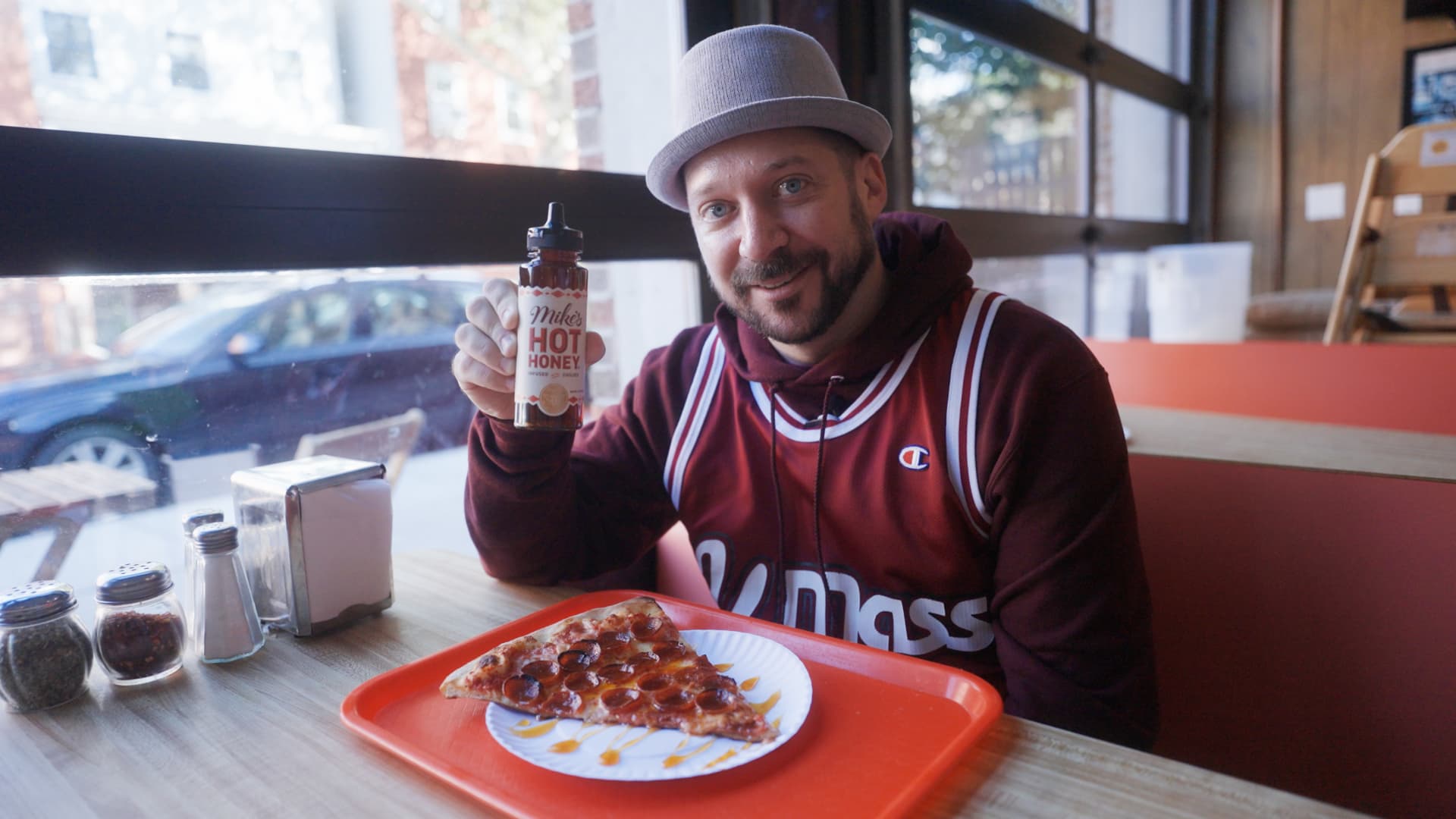
Mike Kurtz, the founder of Mike's Hot Honey, built a $40 million a year business by turning his passion for condiments into a successful company. Inspired by a chance encounter with the co-creator of Sweet Baby Ray's barbeque sauce, Kurtz experimented with making hot honey in his college apartment. After perfecting the recipe, he started giving it away as gifts and eventually partnered with a pizzeria to feature his hot honey as a pizza topping. Word spread, and demand grew, leading Kurtz to start bottling and selling his product. With the help of a friend-turned-CEO, Kurtz raised millions in investment and expanded distribution to over 30,000 retailers and restaurants. Despite competition, Mike's Hot Honey continues to thrive and explore new opportunities in the food industry.
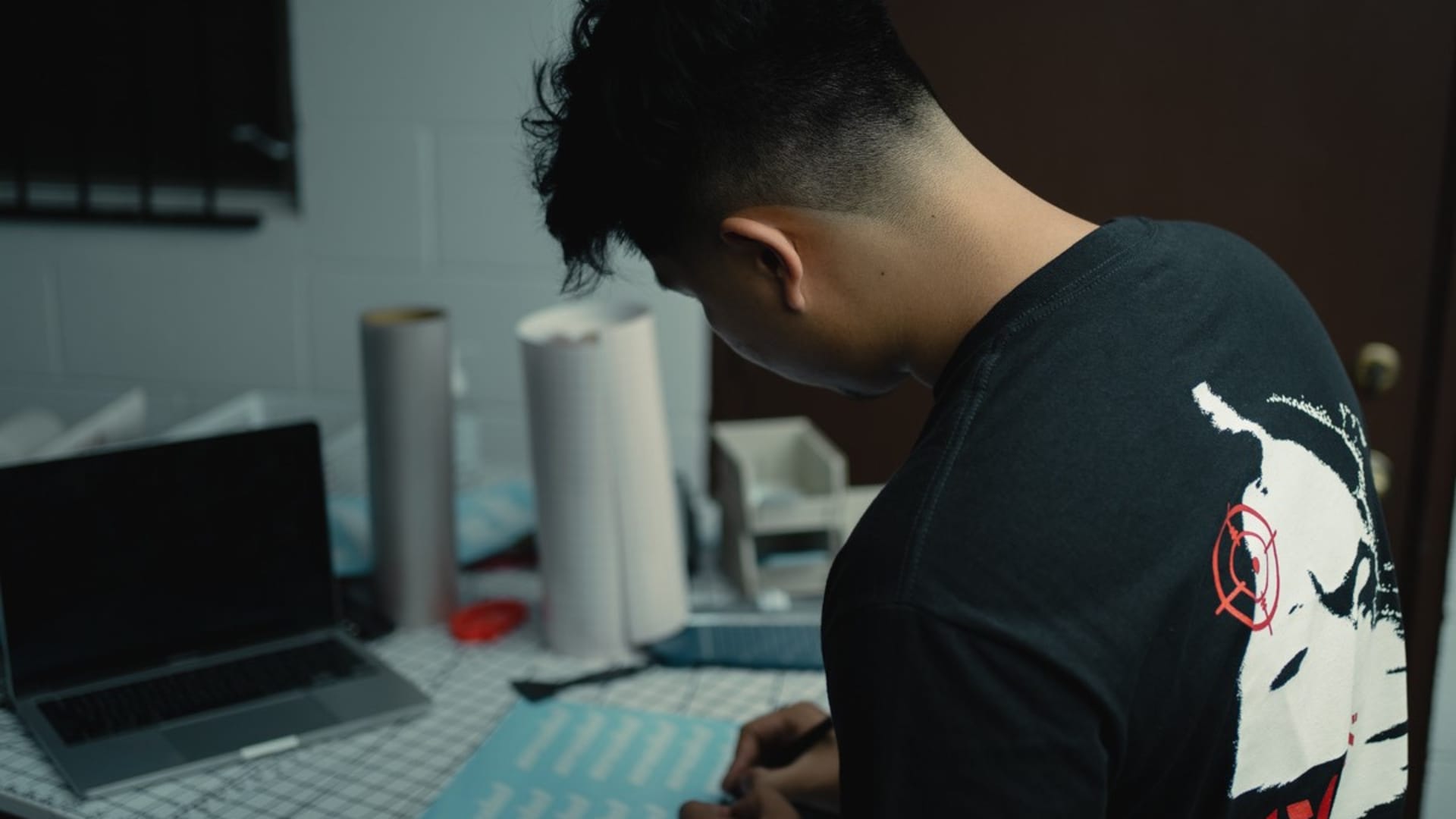
Jason Siu, a 21-year-old college junior, turned his side hustle of selling stickers and car accessories into a six-figure-a-year business called Invalid.jp. Siu started by selling $3 stickers on Snapchat to save up for car parts and now brings in over $500,000 per year. He buys items wholesale, customizes them, and resells them for a profit. Siu's relentless posting strategy on social media, including TikTok, has helped him gain viral attention and boost sales. He emphasizes the importance of consistency and persistence in building a successful side hustle. Siu advises starting with a small investment and testing the market before scaling up.
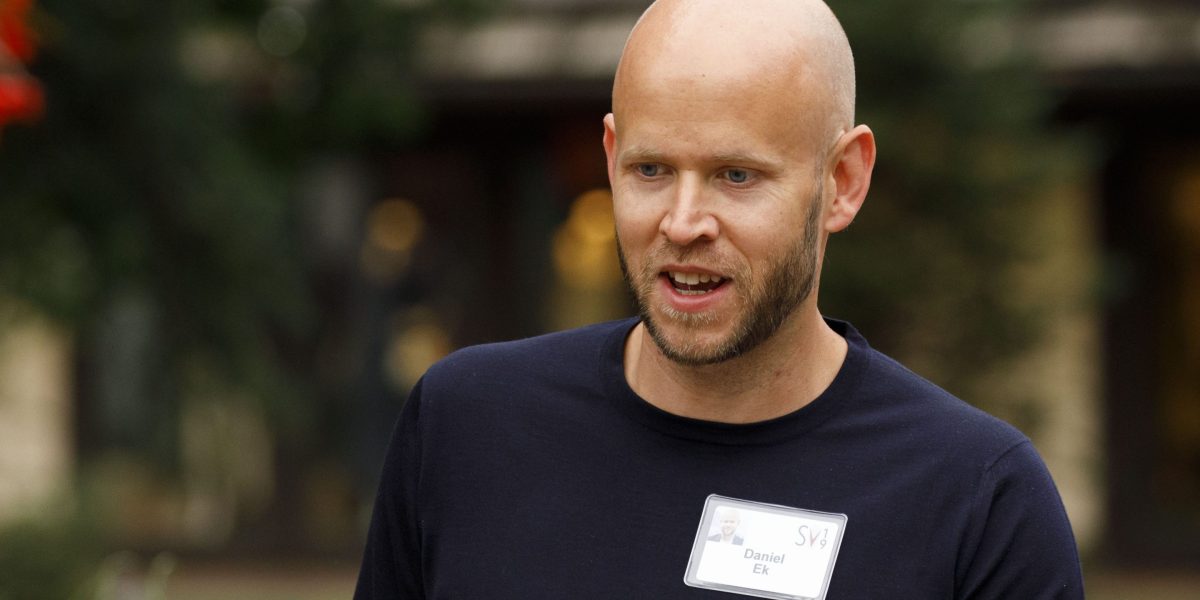
Spotify CEO Daniel Ek revealed in a podcast interview that he initially thought the idea of a music streaming platform was "terrible" before co-founding Spotify in 2006. Despite his reservations, Ek and his co-founder persevered through numerous challenges, including securing licenses from record labels and financial struggles. Spotify, which revolutionized the music industry by offering a legal and convenient alternative to piracy, has since become a massive success with over 500 million users and a valuation of around $30 billion. Ek credited his co-founder's optimism for helping him overcome the obstacles and turn Spotify into a streaming giant.
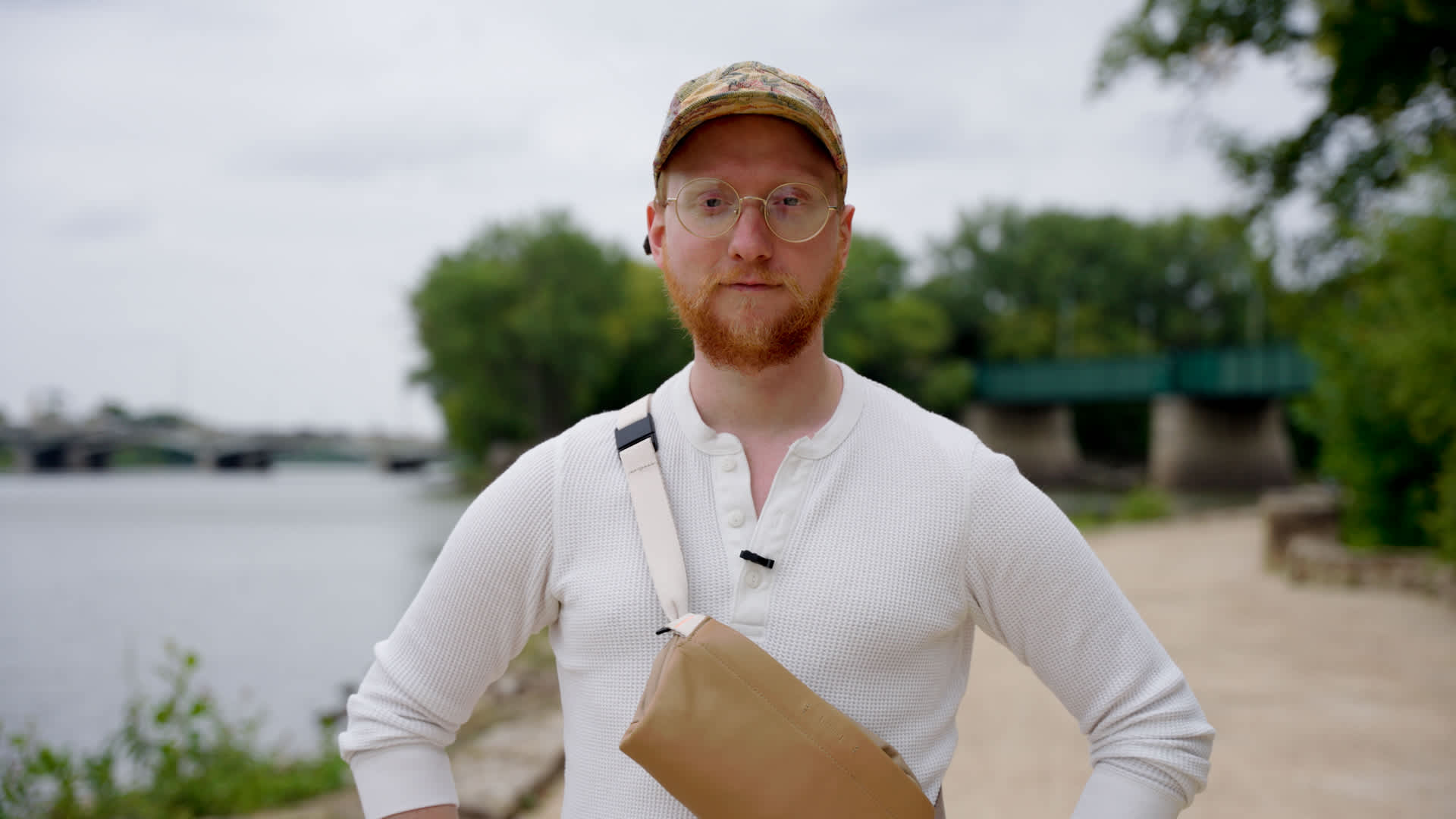
Sean Audet, a 30-year-old with a background in biochemistry and fine-dining, found his passion for photography while working as a recipe researcher and chef. He started taking pictures for local restaurants and eventually turned it into a lucrative freelance career, earning $134,000 a year. Audet initially juggled multiple jobs and made sacrifices to build his photography business, investing in equipment and honing his skills. With the pandemic shutting down restaurants, he focused on photography full-time and tripled his revenue. Audet plans to expand his business beyond Winnipeg and collaborate with other photographers while exploring AI tools to enhance his work. He values the freedom and control that freelancing offers and sees it as invaluable.