Pennsylvania is considering a bill to ban cellphones in K-12 schools statewide from 2027-2028, aiming to reduce distractions and address concerns about social and cognitive impacts of device use, with support from some educators and researchers but opposition from school boards and parents worried about safety and local control.
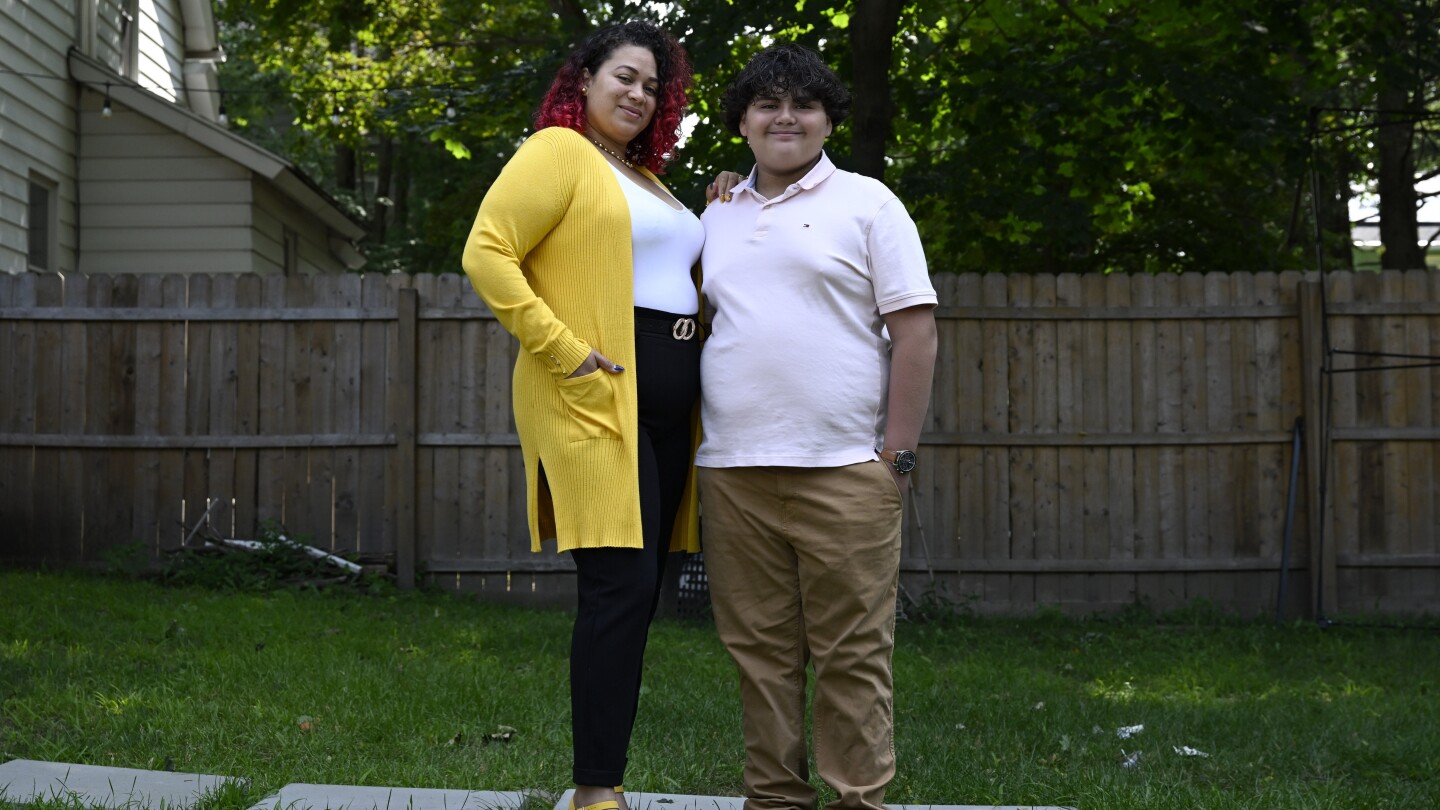
Domonique Brown, a history teacher at Taylor Preparatory High School in Detroit, was fired after a parent complained about her side hustle as an aspiring rapper named Drippin Honey. Despite being voted teacher of the month, the school cited concerns about her influence on students. Brown, who had never received a written complaint, expressed frustration at the lack of clarity and plans to take legal action. She emphasized her dedication to education and the positive impact she has had on her students, and posted a music video made with her students after her firing.
A new study reveals that anonymous reporting systems in schools have successfully prevented suicides, school violence, and planned attacks. The Say Something Anonymous Reporting System, operated by Sandy Hook Promise, enabled over 1,000 mental health interventions, averted imminent suicide crises, prevented acts of school violence, and thwarted planned school attacks. Nearly 10% of the tips received were related to firearms, highlighting the urgency of educating families on firearm violence prevention. Public safety experts emphasize the importance of anonymous reporting programs in schools to save lives and remove barriers for students to report potential threats. Legislators are advocating for mandatory implementation of such reporting systems in schools to address the myriad struggles facing young people.
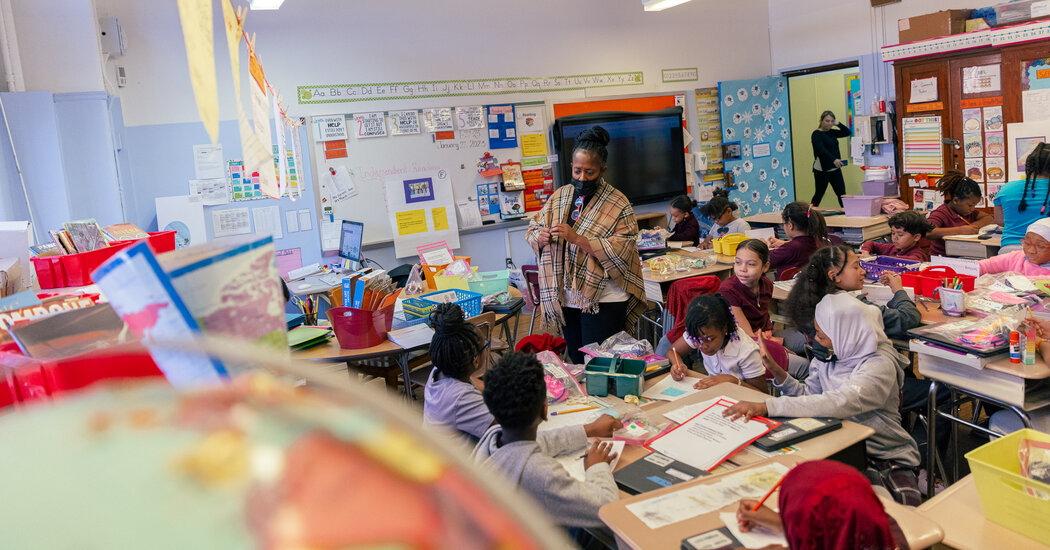
Since schools reopened during the pandemic, record numbers of students in the US have been absent, with over a quarter missing at least 10% of the 2021-22 school year, making them chronically absent. An estimated 6.5 million additional students became chronically absent, with absences more prevalent among Latino, Black, and low-income students. Chronic absenteeism has devastating long-term consequences, including higher risks of learning difficulties and dropping out. Absences were influenced by various factors such as financial issues, housing instability, illness, transportation problems, school staffing shortages, anxiety, depression, bullying, and feeling unwelcome at school. The effects of online learning and disrupted school routines have also contributed to the increase in chronic absenteeism.
Since schools reopened during the pandemic, record numbers of students in the US have been absent, with over a quarter missing at least 10% of the 2021-22 school year, making them chronically absent. An estimated 6.5 million additional students became chronically absent, disproportionately affecting Latino, Black, and low-income students. Chronic absenteeism has long-term consequences, including increased risk of learning difficulties and dropping out. Absences were influenced by various factors such as financial instability, illness, transportation issues, anxiety, depression, and feeling unwelcome at school. The effects of online learning and disrupted school relationships have also contributed to decreased motivation for regular attendance. The post-COVID era has seen a change in the reasons for absenteeism, with students who already felt disconnected from school feeling further isolated. The impact of chronic absenteeism on students' education and well-being is a significant concern as schools work to recover from learning setbacks caused by the pandemic.
A teacher and technology enthusiast shares the tech gear he wishes every student would bring back to school, including devices and gadgets that support learning and well-being. From tools to help find quiet study spaces to affordable devices for the classroom and home, these recommendations aim to make students more competitive and focused on their tasks.
In this personal essay, author Cyndy Etler shares her journey as a teacher and the challenges she faced within the American education system. Etler highlights the impact of a compassionate teacher who saved her life and inspired her to become an educator. However, she describes the detrimental effects of standardized testing, lack of empathy, and the pressure to meet academic standards on both teachers and students. Etler calls for a shift towards fostering connection, engagement, and joy in the classroom, emphasizing the importance of prioritizing student well-being over test scores.
In this personal essay, the author shares her journey as a teacher and the challenges she faced in the American education system. She highlights the positive impact her own teacher had on her life and how it inspired her to become a teacher herself. However, she experienced a decline in the quality of education due to standardized testing and a lack of empathy for students. The author ultimately decided to leave the profession, recognizing the detrimental effects of the system on students' mental health and engagement. She calls for a shift towards fostering curiosity, connection, and engagement in the classroom, emphasizing the importance of prioritizing students' well-being over test scores.
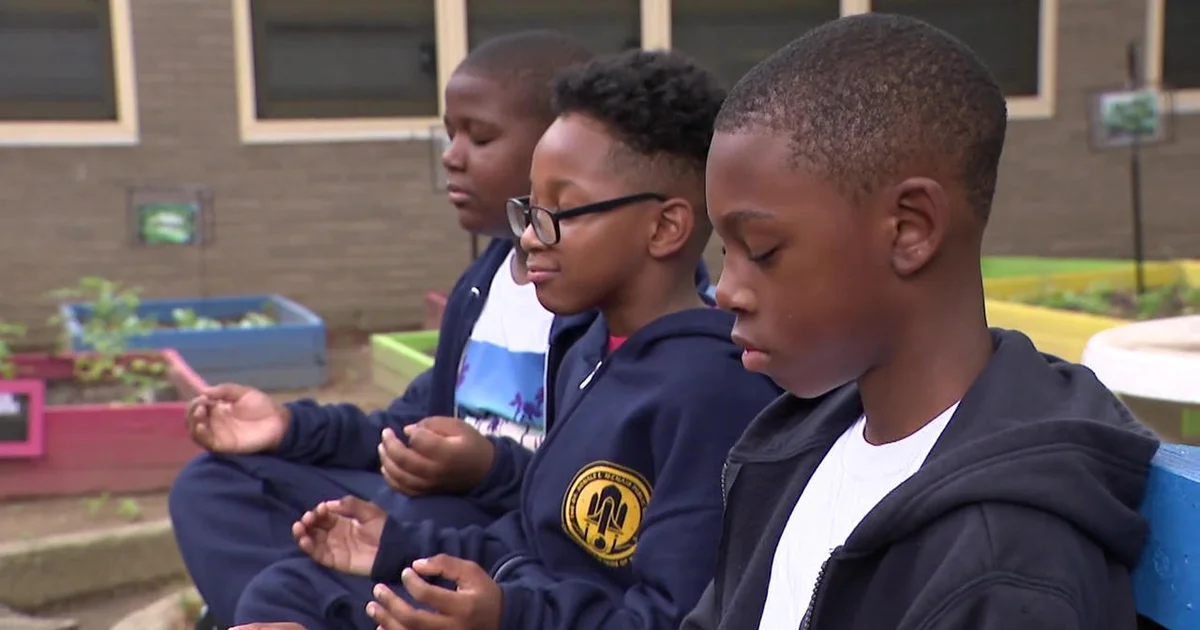
New York City public schools are introducing mindful breathing techniques to the K-12 curriculum as part of a mental health and emotional wellness program. Starting next fall, at least one staff member at every school will be trained to lead mindful breathing exercises, which take only a few minutes and have been shown to lower stress levels and increase focus. The initiative aims to improve student well-being and create more mindful schools that may include gardens, rest places, and even yoga.
Starting next year, all public schools in New York City will be required to offer two to five minutes of mindful breathing exercises each day. Mayor Eric Adams announced the initiative as a way to improve student well-being and address the youth mental health crisis exacerbated by the pandemic. Breathing exercises have been shown to reduce stress and increase alertness. While some advocates appreciate the focus on mindfulness, others argue for a more comprehensive approach to addressing mental health needs, particularly for disadvantaged students.