A tech reporter tests ChatGPT's AI tutor mode across various subjects, finding it helpful for practice and clarification but often too answer-driven and limited in fostering independent learning, highlighting the current challenges and potential of AI in education.
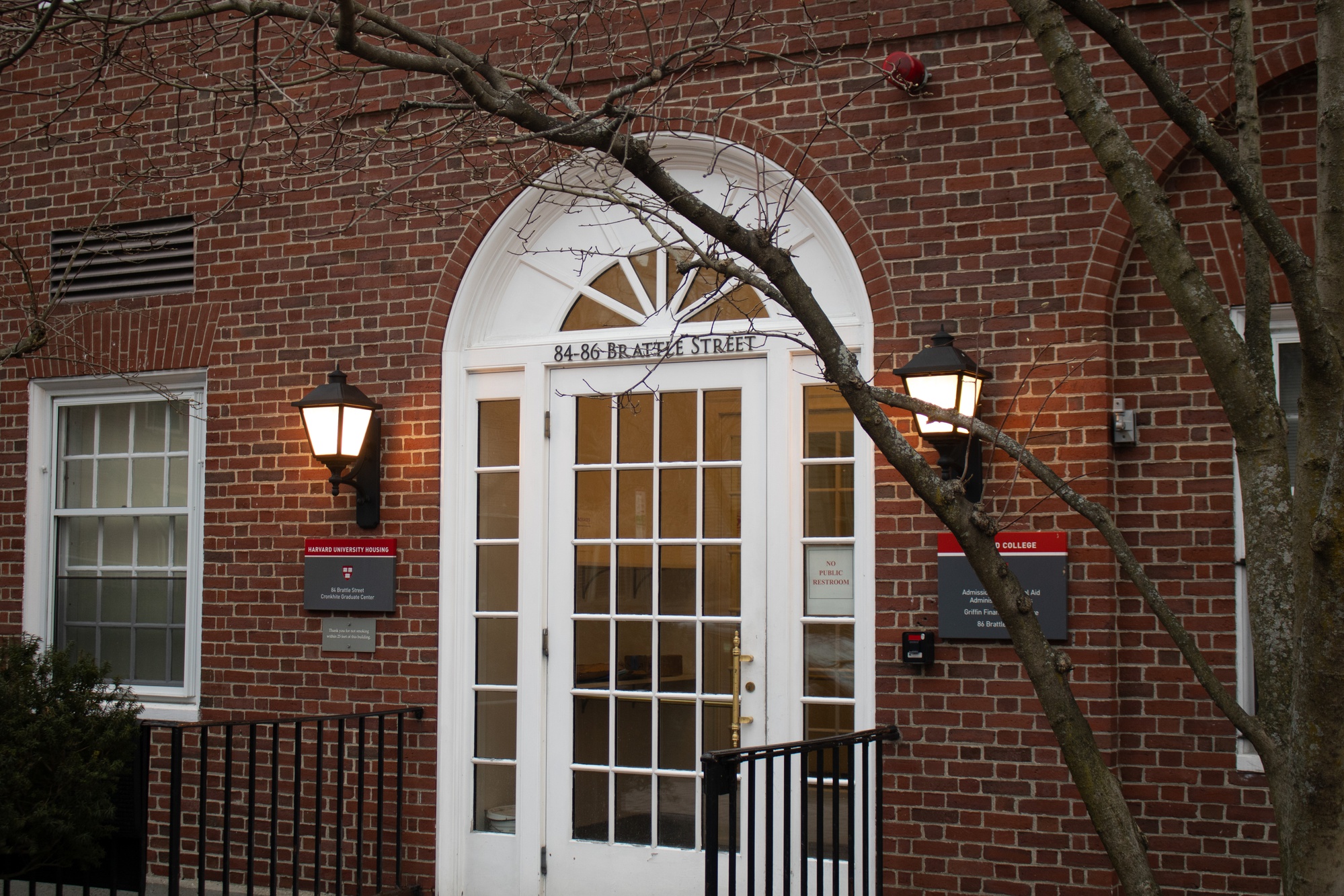
Harvard University has reinstated the requirement for SAT/ACT test scores for new applicants, starting with the Class of 2029, citing the meritocratic value of standardized testing in evaluating all students regardless of background. This decision has sparked debate over its impact on diversity in admissions, with some arguing that dropping test score requirements could help diversify admissions. However, Harvard professors defend the move, citing research that suggests standardized testing is the most meritocratic option available and can increase socioeconomic diversity in admissions.
Harvard College will require applicants for fall 2025 admission to submit standardized test scores, citing the predictive value of such information for college success and the need to identify talent from diverse socioeconomic backgrounds. The decision comes after research showed that standardized tests, when paired with other academic credentials, can help identify promising students at less-well-resourced high schools. The university aims to make the admissions process more meritocratic and increase socioeconomic diversity, while also providing resources for students who may face barriers to testing.
Harvard College has announced a surprise reversal of its test-optional admissions policy, reinstating the requirement for standardized testing beginning with the Class of 2029. This decision comes after facing criticism and pressure from peer institutions. The move has sparked both support and criticism, with some experts suggesting that requiring standardized test scores could help increase diversity in the student body, while student organizations and others have expressed concerns about the impact on low-income and minority students. Applicants for the Class of 2029 will now need to submit SAT or ACT scores, with limited time before application deadlines.
Several universities in the US are reinstating standardized testing requirements for undergraduate applicants after finding that test-optional policies have hurt minority students. The move comes after concerns that dropping testing requirements may have been viewed as a way to increase the applicant pool. While some argue that standardized testing disproportionately favors students from privileged backgrounds, others believe that reintegrating standardized testing alongside other factors will pave the way for a more fair admissions process. The debate continues as some argue that maintaining SAT test-optional policies is imperative for advancing equity and diversity in college admissions.
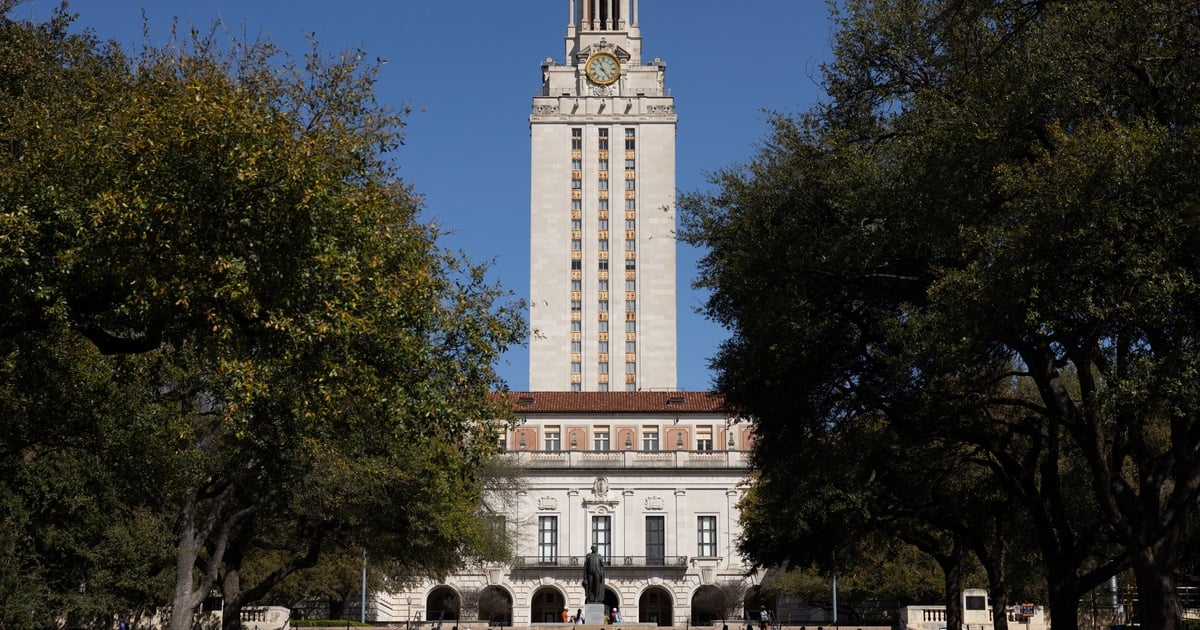
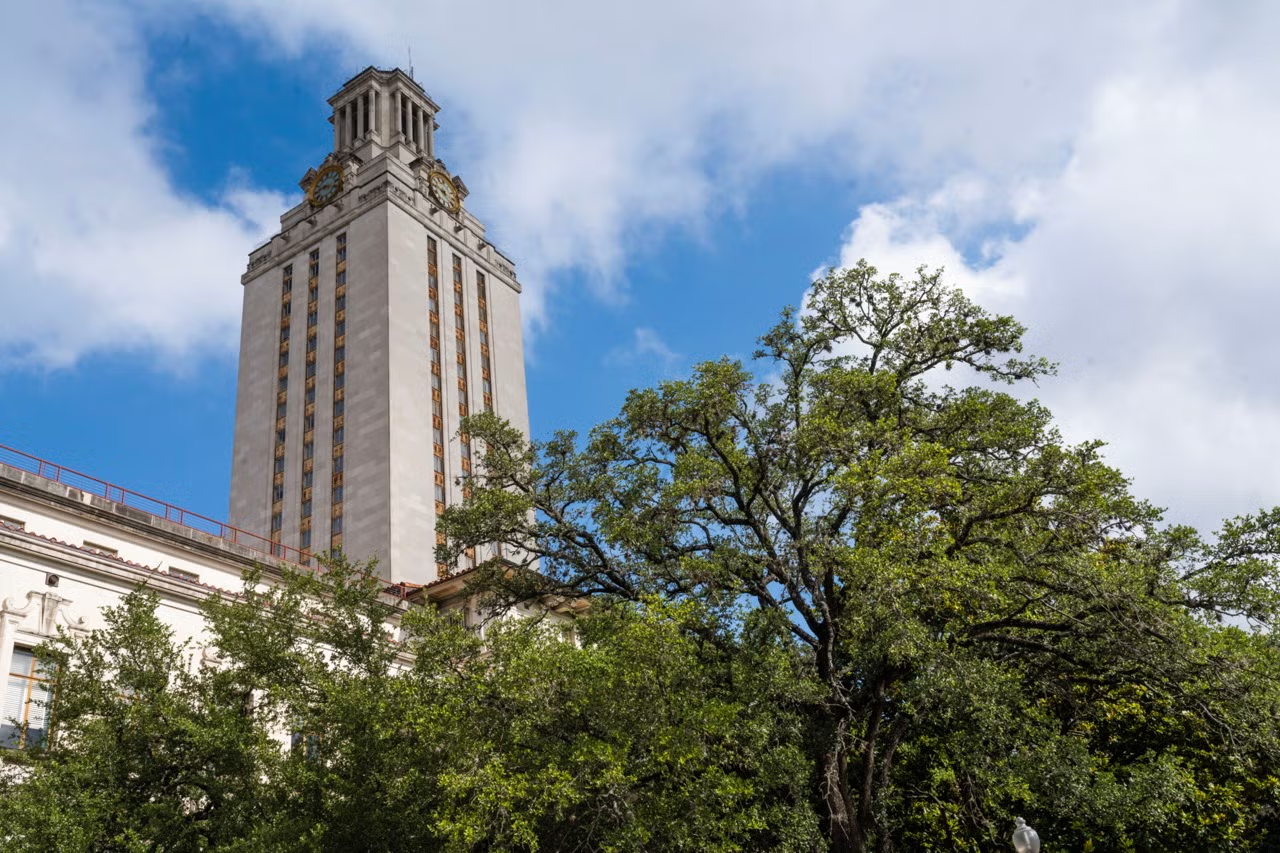
The University of Texas at Austin will reinstate the requirement for applicants to submit standardized test scores starting with the fall 2025 enrollment, citing the value of standardized testing in identifying student performance and fit for majors. This decision follows a period of test-optional admissions due to the COVID-19 pandemic. UT-Austin's move aligns with other universities, including Brown, Yale, Dartmouth, and Georgetown, that have also reversed test-optional policies. The university also introduced an early action process for fall 2025 applicants and continues to grant automatic admission to top 6% high school graduates while using a holistic process for other applicants, which includes considering standardized test scores.
The University of Texas at Austin will reinstate the requirement for standardized test scores in undergraduate admissions starting Fall 2025, citing the value of standardized testing in identifying academic potential and supporting student success. The decision follows an analysis showing that students who submitted standardized scores performed better academically. The University will also introduce an Early Action program, modify the essay requirement, reduce the number of short answer responses, introduce a waitlist, and narrow the scope for letters of recommendation in the application process.
The SAT, traditionally administered on paper for 98 years, has transitioned to an all-digital format, receiving positive feedback from students despite some technical glitches. The new format, shorter and faster, allows test takers to set their own pace and is seen as more in line with the digital era. The change reflects the challenges of a generation raised in an era of higher anxiety, challenged attention spans, and remote learning, while the College Board and proponents of standardized testing maintain that the exams still play a role in determining college acceptance and aptitude.
The SAT is transitioning to a fully digital format, marking a significant shift in college admissions testing and sparking discussions about its role in the admissions process. The move aims to enhance accessibility and fairness, but has reignited debates about the test's significance.
The new SAT is going digital, with shorter reading passages and one-question follow-ups. Sample questions include analyzing a passage from "Dracula," understanding affective neuroscience, identifying a quotation from "An Ideal Husband," completing a text about Richard Spikes, and emphasizing the difference between C-type and S-type asteroids based on notes.
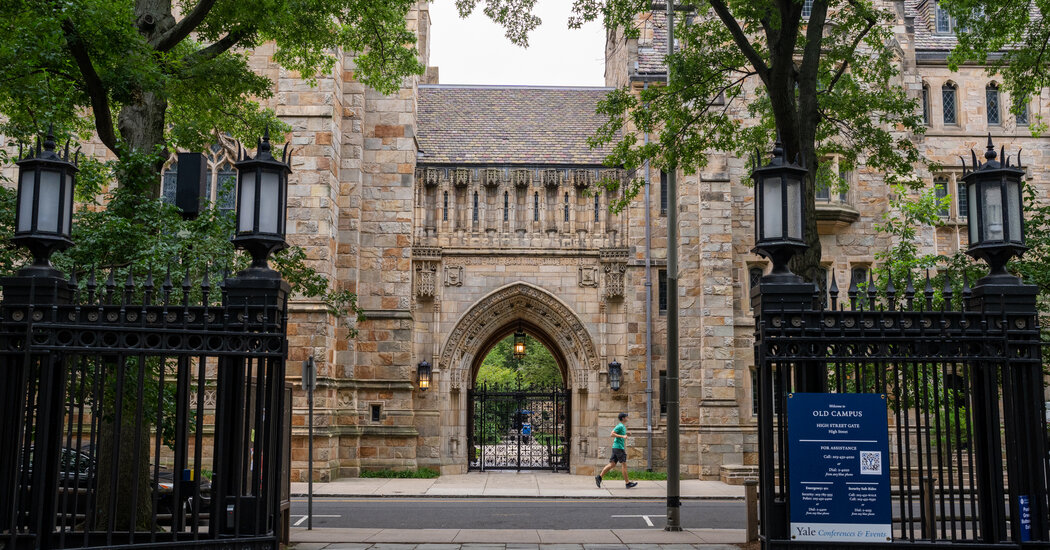
Yale University will require standardized test scores for admission for students applying to enter in the fall of 2025, citing potential harm to students from lower-income families under test-optional policies. The new policy will be "test flexible," allowing students to submit subject-based Advanced Placement or International Baccalaureate test scores in place of SAT or ACT scores. This decision follows a similar move by Dartmouth College and MIT, but contrasts with the majority of institutions that have maintained test-optional policies as the pandemic waned.
Dartmouth College has decided to reinstate the requirement for SAT/ACT scores for undergraduate applicants, a move that draws attention to the role of standardized tests in college admissions. The decision comes after many schools made testing scores optional due to the COVID-19 pandemic, leading to a surge in applications for some institutions. Research has shown that standardized tests can disadvantage less wealthy students, but some argue that the tests can predict post-college success. Dartmouth aims to address discrepancies in access by increasing financial aid opportunities for admitted students, acknowledging the inequality reflected in the testing system.
Dartmouth has become the first Ivy League school to reinstate standardized testing for college admissions, citing the importance of test scores as a predictor of student success. The decision comes amid the pandemic-related closures and cancellations of SAT exam dates, which led many colleges to waive testing requirements. Advocates argue that standardized testing provides a fair way to compare students from different backgrounds, while critics point to its potential bias against underserved communities. With Dartmouth's move, experts predict that more schools will follow suit in requiring test scores for future applicants.
Dartmouth College is reinstating its standardized testing requirement for undergraduate applicants, becoming the first Ivy League school to move away from "test-optional" admissions. The decision is based on evidence suggesting that standardized testing will improve the school's ability to attract promising and diverse students, particularly those from less-resourced backgrounds. While the SAT will be available online and shorter, Dartmouth emphasizes that test scores will not be the primary factor in its "holistic admissions" process.
Dartmouth College will reinstate the standardized test requirement for applicants to the Class of 2029 and beyond, based on a comprehensive research study by a faculty group concluding that test scores are important predictors of student success regardless of background or family income. The decision aims to address equity concerns and provide a more holistic evaluation of applicants, considering factors such as school context and access to test preparation. While acknowledging potential criticism, the college emphasizes the need for multiple data points in the admissions process and predicts a smaller applicant pool following the reinstatement.