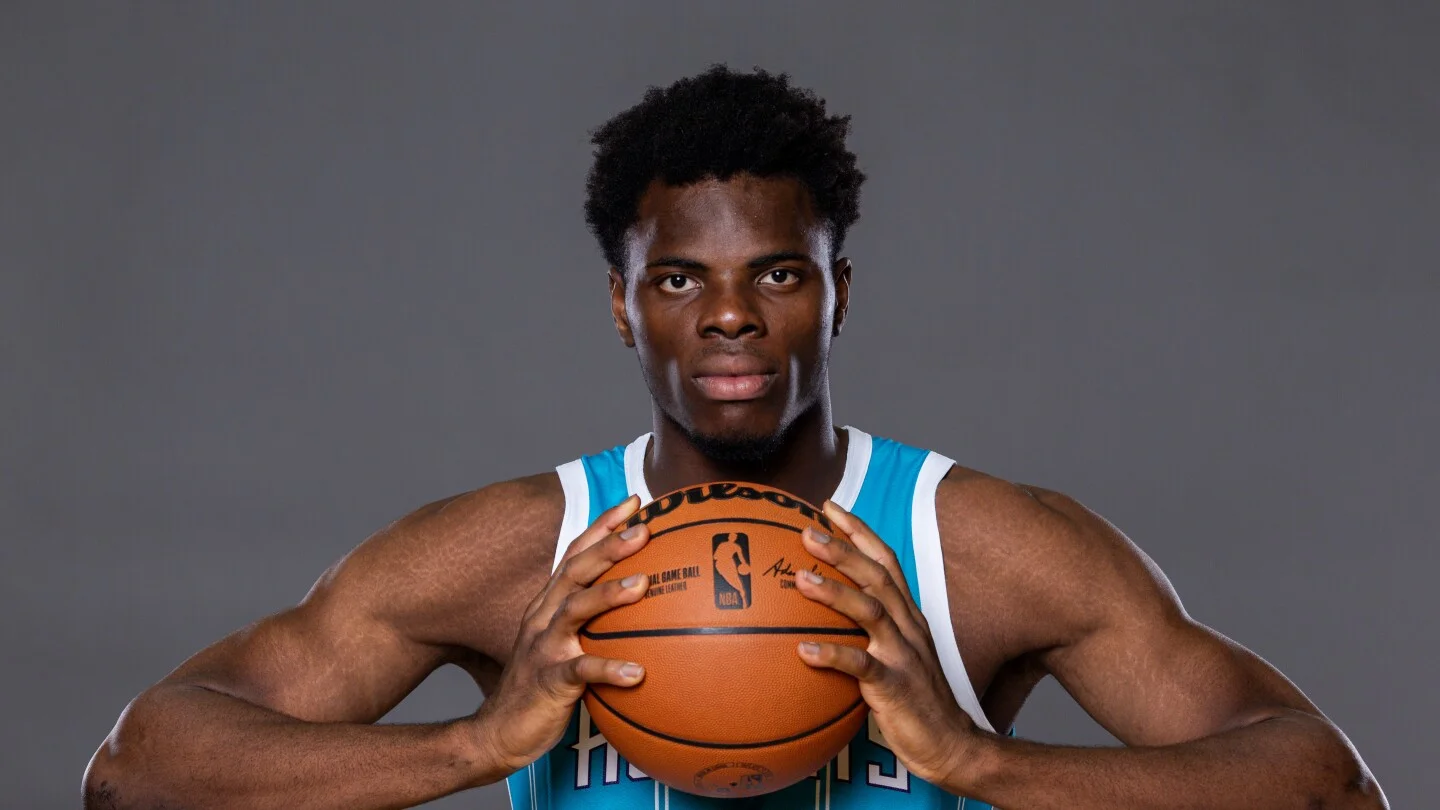
The NCAA has granted four years of eligibility to NBA-drafted players like James Nnaji, who was selected in 2023 but has not signed an NBA contract, allowing them to return to college sports, signaling a potential shift in NCAA rules and athlete decision-making.
Nebraska Athletics celebrated a successful 2025 with top sports performances, academic achievements, facility improvements, and new revenue-sharing initiatives, while planning for an exciting 2026 with events and continued support for women's sports.
The University of North Carolina men's basketball team, led by Coach Davis, emphasizes community service alongside their athletic pursuits, engaging in activities like community spotlight events, charity work, and halftime puppy races to connect with fans and support local organizations, while also reflecting on the lasting impact of their off-court efforts.
Three former Eastern Michigan men's basketball players did not cooperate with an NCAA investigation into potential sports betting violations, which is a violation of NCAA rules, but they are no longer eligible to play. The investigation was triggered by suspicious betting activity on their games, but due to their non-cooperation, the NCAA could not determine if violations occurred.
A judge in Ohio has granted a temporary restraining order allowing high school athletes to profit from their name, image, and likeness (NIL), potentially enabling all students in the Ohio High School Athletic Association to enter into NIL deals, marking a significant shift in high school sports regulations.
The NCAA Division I Administrative Committee approved a proposal to allow student-athletes and staff to bet on professional sports, pending approval from all NCAA divisions, emphasizing harm reduction and education on gambling risks while maintaining restrictions on college sports betting.
The NCAA is investigating 13 college basketball players from six schools for sports betting violations, including betting on their own games and sharing information for betting purposes. All involved players are no longer enrolled at their schools, and the investigation highlights concerns over the rise of sports betting and its impact on game integrity.
The NCAA found that three men's basketball student-athletes from Fresno State and San Jose State bet on their own games and manipulated performances, leading to permanent ineligibility and removal from their teams, after an investigation uncovered coordinated betting and game manipulation during the 2024-25 season.
Two Marquette lacrosse players, Noah Snyder and Scott Michaud, were killed in a car accident in Milwaukee, with four other occupants injured; the incident has prompted a memorial and support services at the university.
The FBS Oversight Committee proposed changes to the football recruiting calendar, including a new 10-day transfer notification window from Jan. 2-11, a December recruiting dead period, and a later start date for receiving written offers of financial aid, aiming to streamline transfer and recruitment processes. The recommendations await approval from the Division I Administrative Committee.
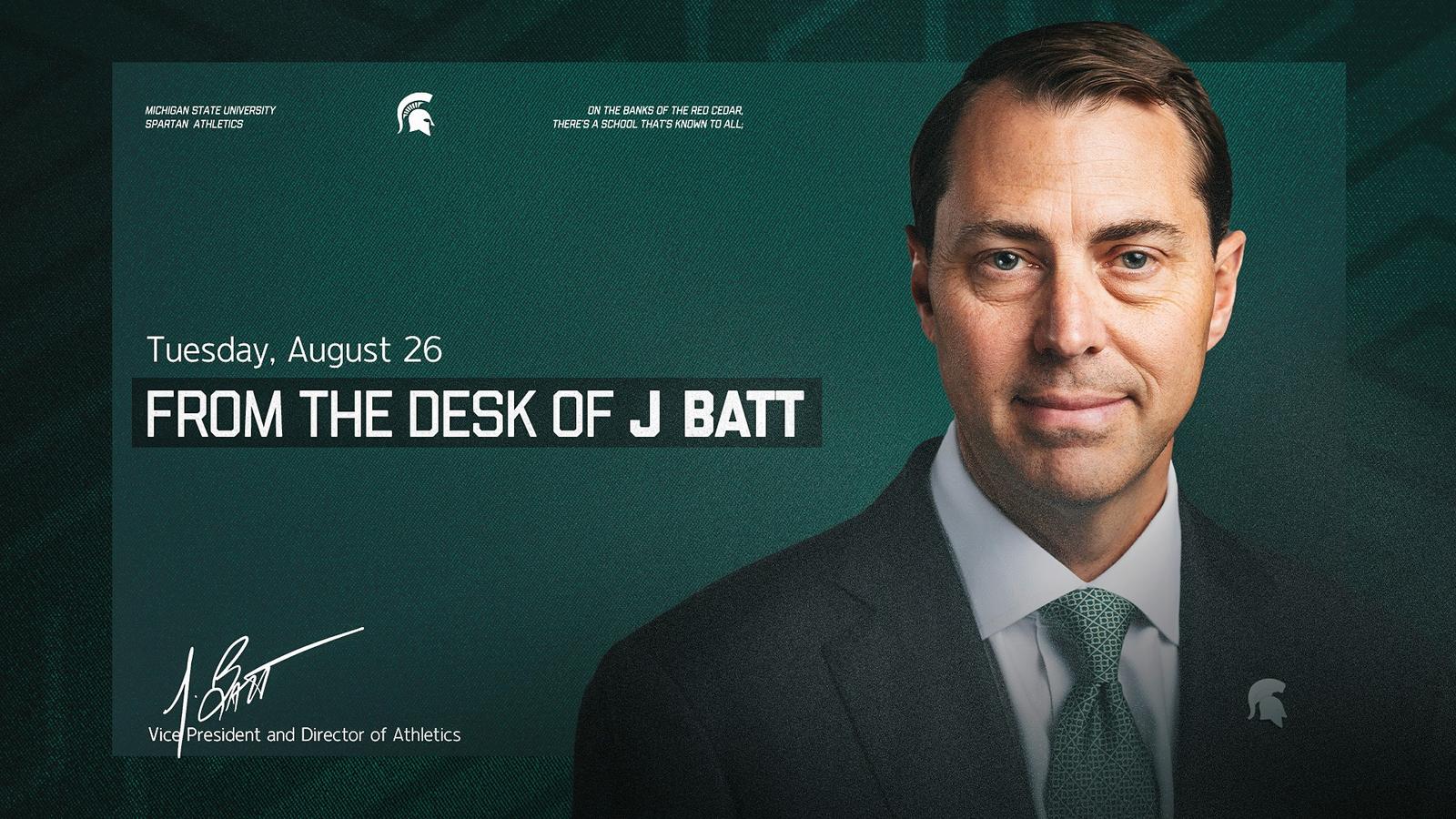
Michigan State University's athletics director J Batt celebrates the start of the football season, highlights improvements to gameday experiences, discusses new revenue sharing and NIL opportunities for student-athletes, and emphasizes community support for Spartan athletics as they aim for top-tier success.
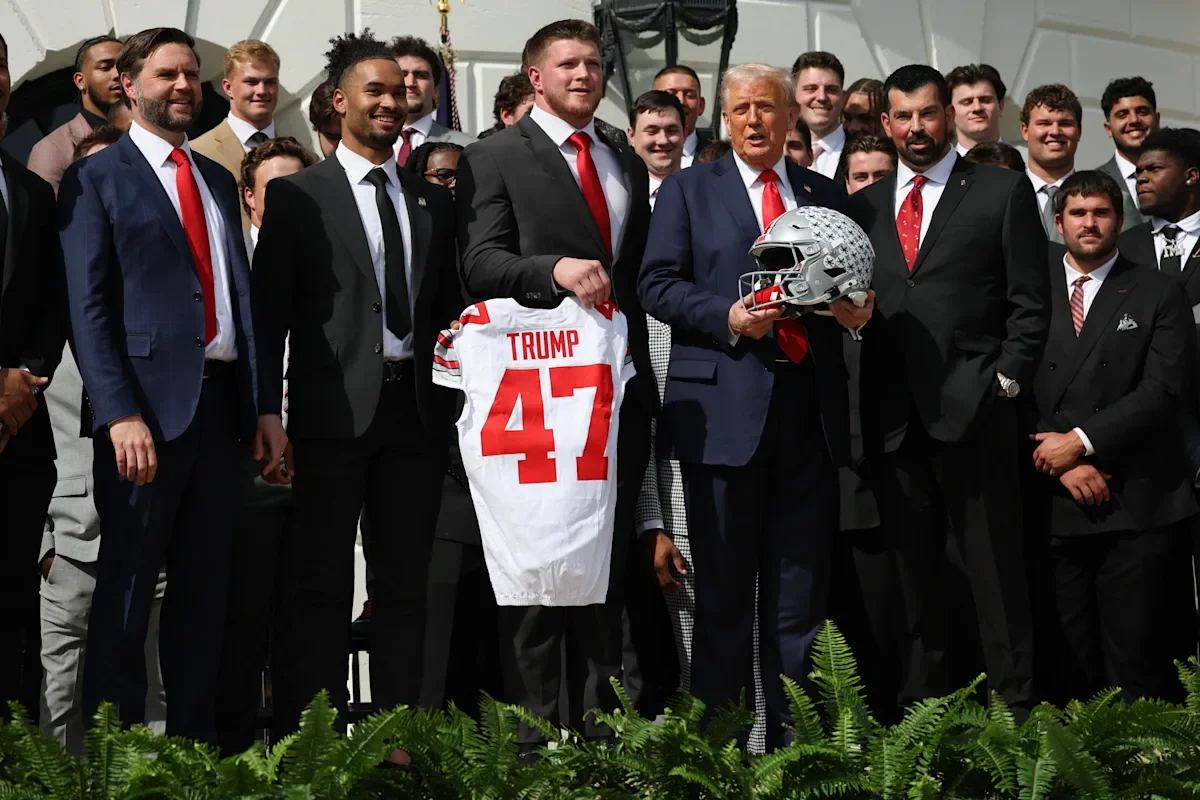
President Donald Trump issued an executive order prohibiting third-party pay-for-play payments to college athletes, while allowing legitimate compensation like endorsements, and called for federal clarification on student-athletes' status to protect non-revenue sports. The order aims to address issues in college sports amid ongoing debates over athlete compensation, with mixed reactions from the NCAA and lawmakers, and potential long-term impacts on athlete classification and revenue sharing.
President Donald Trump signed an executive order aimed at protecting college sports, emphasizing the preservation and expansion of scholarships and opportunities, safeguarding non-revenue sports, and addressing legal and financial challenges facing collegiate athletics, including issues related to NIL laws and revenue sharing, to ensure the future of American college sports and Olympic development.
Starting July 1, 2025, college athletes can now be paid directly by their schools, marking a significant shift from the previous rules where they could earn money from their name, image, and likeness but not receive direct payments, making college sports more like professional sports.
The Big Ten Conference announced the list of 54 football student-athletes attending the 2025 Football Media Days in Las Vegas, scheduled for July 22-24, with coverage on Big Ten Network. Each of the 18 schools will be represented by their head coach and three players, with the event spanning three days and featuring live interviews and press conferences.