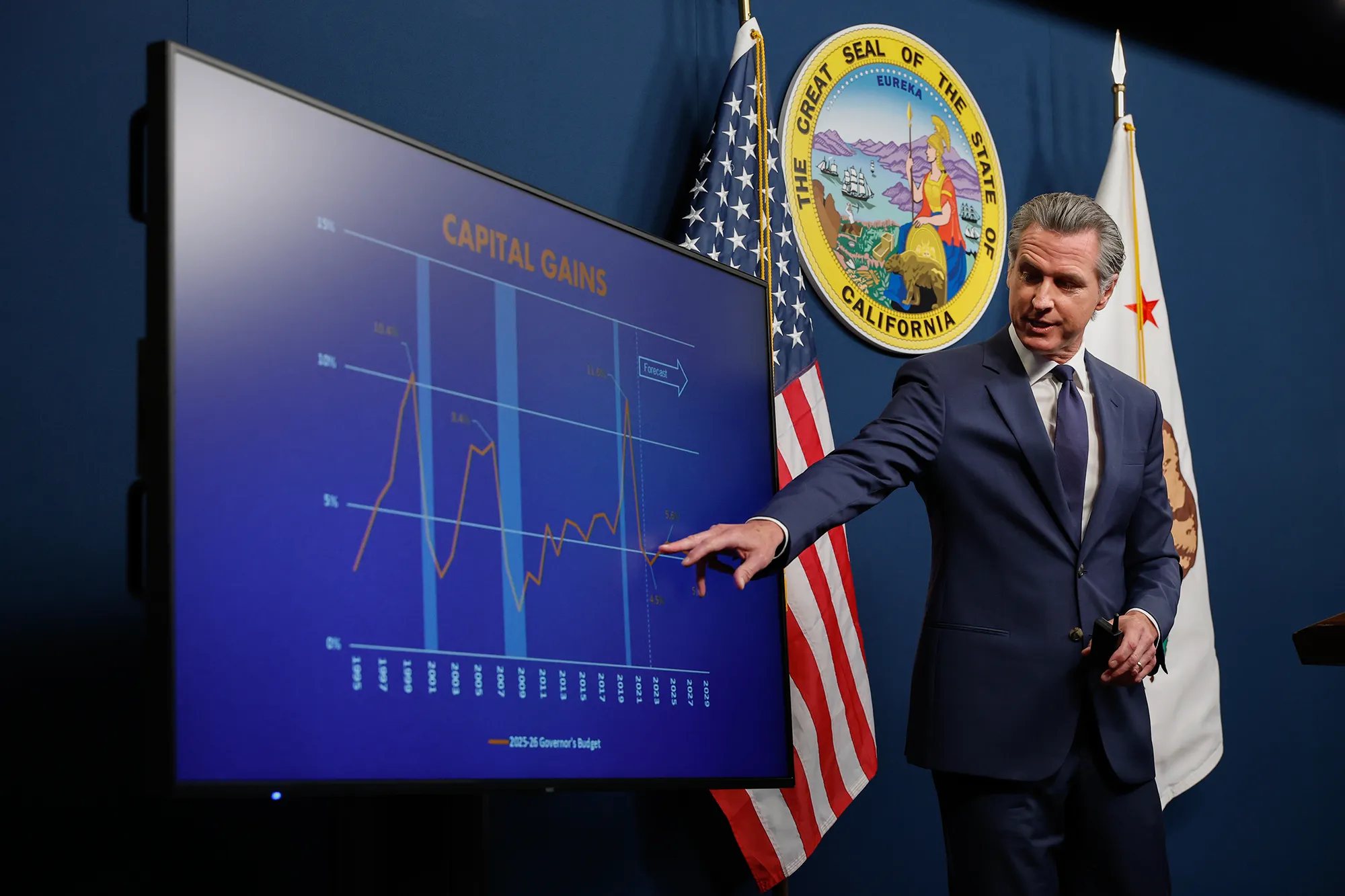
California's budget outlook has worsened from a surplus to an $18 billion deficit due to unforeseen costs like wildfires, Medi-Cal expenses, and federal policy impacts, with projections indicating ongoing deficits and potential structural issues requiring revenue increases or cuts.

Washington state proposes a 9.9% income tax on earnings over $1 million to address affordability and revenue issues, reflecting a broader trend among US states to tax the wealthy more heavily amid federal cuts and economic inequality.
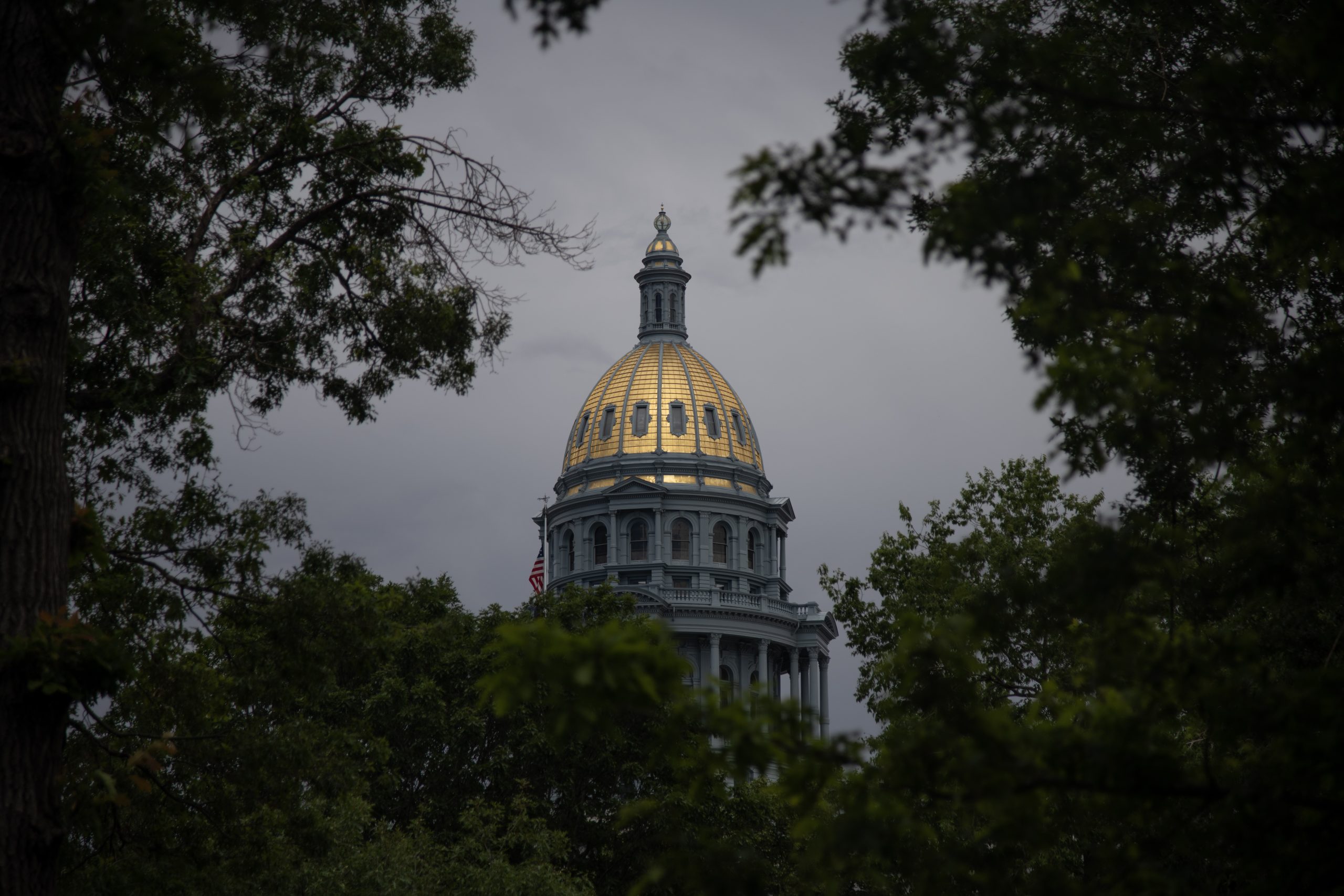
Colorado must cut about $1 billion from its current budget due to revenue reductions caused by the recent GOP federal tax and spending bill, which mirrors federal tax law and impacts state income and corporate taxes, leading to a significant budget shortfall that requires legislative action.
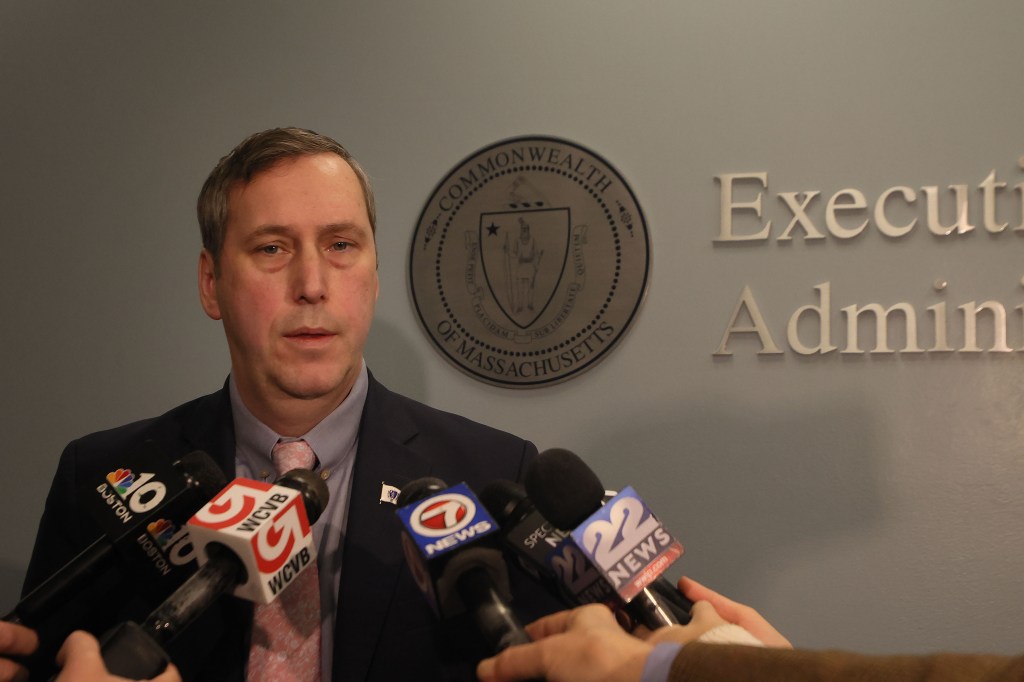
The Healey Administration announced $375 million in midyear budget cuts due to a $1 billion revenue shortfall, with the bulk coming from Mass Health. The cuts, aimed at avoiding dipping into the state's rainy day fund, include reductions to over 60 programs, with Senate Minority Leader Bruce Tarr calling them "unfortunate, but necessary." The state is projecting $40.202 billion in revenue for the next fiscal year, reflecting a 2% increase from the downward-revised 2024 figures, but still cutting $208 million off the original forecast.
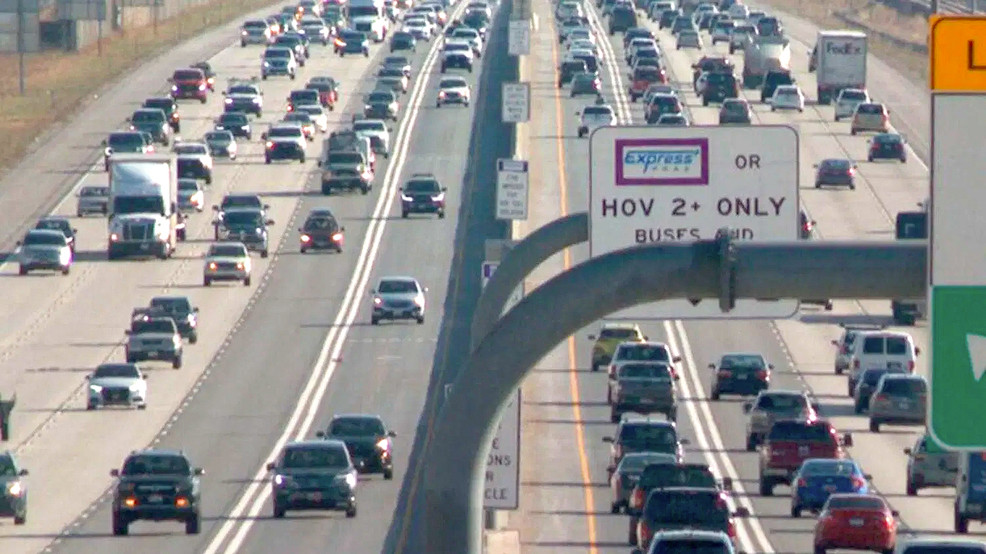
As fuel taxes decline due to the rise of electric vehicles, some US states are considering charging drivers based on the miles they drive instead of the amount of fuel they consume. This mileage-based fee system could help generate revenue for infrastructure projects, but concerns about privacy and vehicle tracking have been raised. Some states have already implemented pilot programs to test the feasibility of this system.