Texas Tech University System has restricted faculty from discussing transgender and nonbinary identities in classrooms, aligning with state laws and executive orders that recognize only male and female sexes, sparking concerns over academic freedom and free speech.
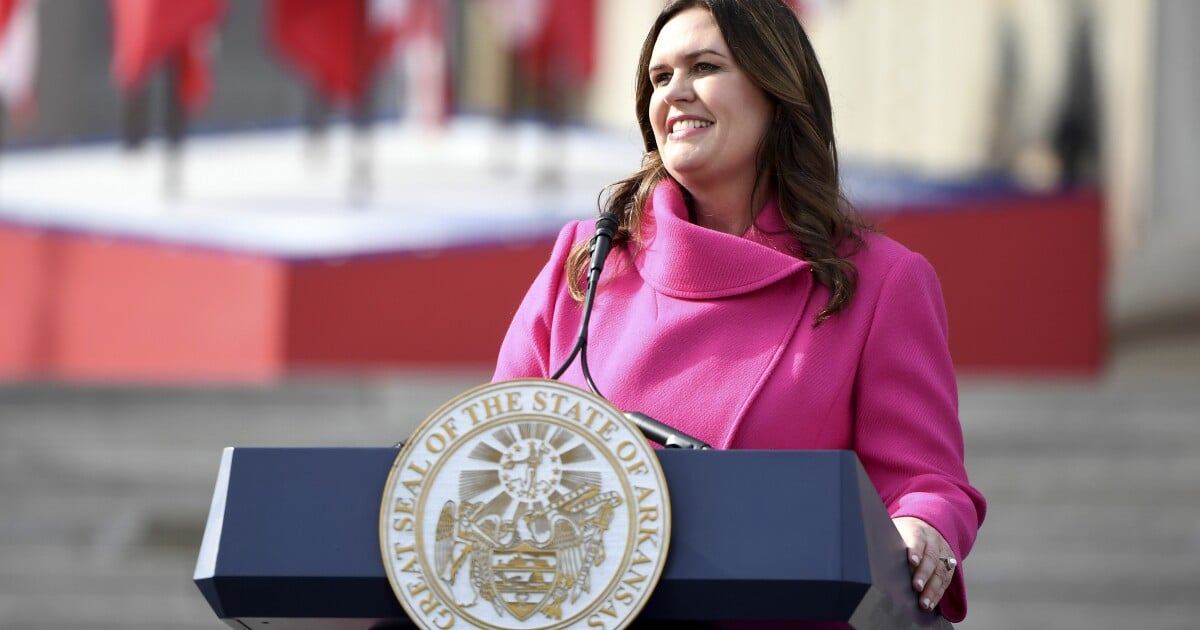
An audit found potential violations of state law in the procurement of a $19,000 lectern in Arkansas Gov. Sarah Huckabee Sanders' office, including shredding of public records and failure to follow purchasing and accounting laws. The governor's office defended its actions, stating that the state was fully reimbursed with private funds and that no taxpayer money was used. The audit also revealed that the lectern had no electronic components despite special features touted, and that the vendors did not cooperate with the probe. The controversy has sparked debate among Arkansas lawmakers about the value of the lectern and the handling of the situation.
The U.S. Supreme Court unanimously ruled that a Texas landowner can sue the state for flood damage to his property caused by changes to Interstate 10, allowing him to seek compensation under state law. The decision could have broad implications for property owners in Texas, but it does not address whether landowners in states without similar laws can sue on the federal level. The Attorney General claimed victory, but the landowner's lawyer disagreed, stating that the Supreme Court's decision is not a win for the state.
The Arkansas Legislative Audit released a report revealing that Gov. Sarah Huckabee Sanders may have violated state law by using tax money to purchase a $19,000 lectern, including a pricey Falcon podium, with public funds. The report found potential non-compliance with state law and recommended better adherence to regulations in the future. Sanders defended the purchase, stating that she is allowed to use transition funds for such expenses, but the audit highlighted several discrepancies, including lack of proper documentation and potential legal violations. The report has been forwarded to prosecutors for review, prompting calls for swift justice from the Democratic Party of Arkansas.
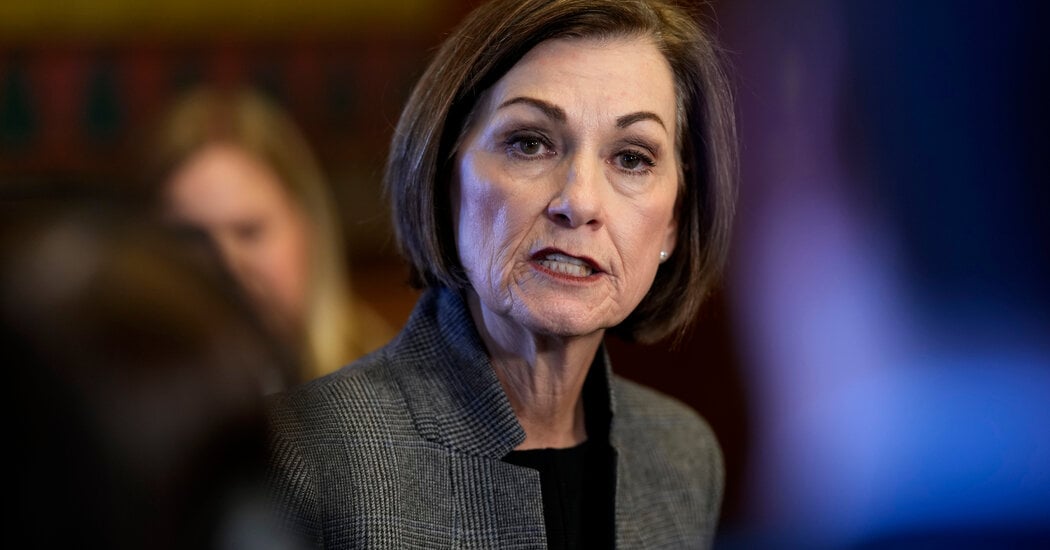
Iowa Governor Kim Reynolds signed a bill into law making it a state crime for a person to enter Iowa after being deported or denied entry into the U.S., accusing the Biden administration of failing to enforce immigration laws. The new law, set to take effect on July 1, allows Iowa police officers to make arrests in most places, but not in schools, places of worship, or health care facilities. The move aligns Iowa with Texas in seeking to enforce immigration limits outside the federal system, with opponents criticizing it as a "political stunt" and a "false promise."
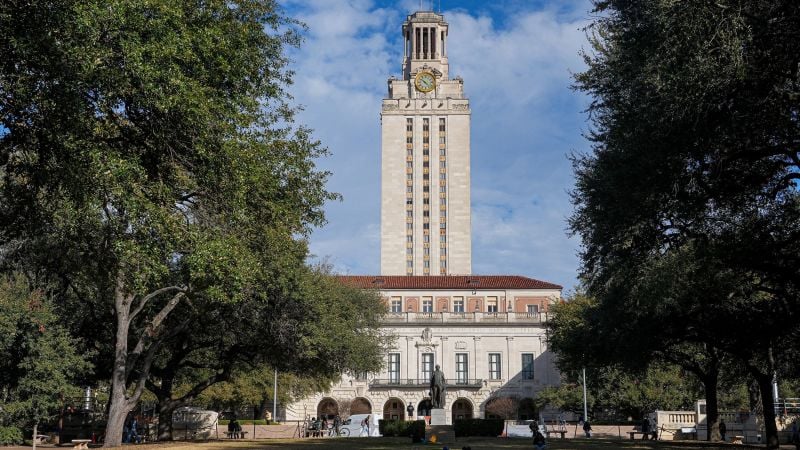
The University of Texas at Austin is laying off dozens of employees who previously worked in diversity, equity, and inclusion (DEI) roles in response to a state law that banned such programs, with at least 40 affected by the closure of the Division of Campus and Community Engagement. Critics argue that the terminations are retaliatory and may have a disproportionate impact on people of color and the LGBTQ community, while proponents of the law claim it enforces ideological conformity and reduces bureaucracy. The layoffs come amid a broader national debate over DEI initiatives in higher education, with at least 82 bills attacking DEI filed in more than 20 states since 2023.
The University of Texas at Austin is eliminating an unknown number of diversity, equity, and inclusion staff positions and closing its department focused on access and belonging on campus to comply with the state's anti-DEI law, redirecting funds from DEI initiatives to teaching and research. The university is also closing its Division of Campus and Community Engagement, leading to concerns and disappointment among students about the disinvestment in DEI-related jobs and programs.
The University of Florida has closed its diversity office and terminated 13 full-time staff positions in compliance with a new Florida state law prohibiting spending on diversity, equity, and inclusion initiatives. The $5 million previously allocated for DEI efforts will now be redirected to faculty recruitment. The university's decision comes in response to a 2023 statute banning the use of state or federal funds for DEI programs. The future of the Center for Inclusion and Multicultural Engagement, which received significant state funding, remains uncertain. Employees affected by the closures will receive 12 weeks of pay and are encouraged to apply for other positions within the university.
A member of the Jackson County Legislature has called for an emergency meeting after Missouri Auditor Scott Fitzpatrick found that the county's property assessment process violated state law. The ongoing audit revealed that the Jackson County Assessment Department failed to properly notify property owners of the requirement for a physical inspection and included inaccurate statements regarding property owners' rights. The audit also found that not all applicable taxpayers received notification letters. Legislators are calling for accountability and immediate correction of the unlawful reassessment, which has caused financial and emotional hardship for residents. The county executive and assessor have yet to respond to the audit's preliminary findings.
Ohio voters have approved Issue 2, a measure to legalize adult recreational marijuana use, making Ohio the 24th state in the US to do so. The new law allows adults over 21 to purchase and possess up to 2.5oz (70g) of cannabis and grow up to six marijuana plants at home. A 10% tax on sales will be imposed, with the revenue going towards addiction services, communities with cannabis facilities, and social equity and jobs programs. However, the law can be easily adjusted or repealed by state lawmakers, and some Republicans are already calling for changes. Ohio also voted in favor of amending the state's constitution to protect abortion rights.
In the absence of a will, a spouse does not automatically inherit everything. Assets with beneficiary designations, such as retirement accounts and life insurance, go to the named beneficiaries. Jointly owned assets pass to the other owner. Other assets are distributed according to state law, which varies. In some cases, the surviving spouse may inherit everything, while in others they may have to share with parents or siblings. Social Security's inflation adjustments are factored into retirement benefits starting at age 62, regardless of whether the individual is collecting checks.
Portland leaders have approved an emergency ordinance banning the use of hard drugs on public property, including substances like fentanyl, heroin, and methamphetamine. However, the measure will require a change in state law to be enacted and enforced. The City Council's decision adds controlled substances to Portland's existing prohibition on public alcohol use, which carries penalties of up to six months in jail or a $500 fine.
Several police departments in Minnesota are withdrawing their School Resource Officers (SROs) from schools due to a state law that restricts the use of force by staff members to control unruly students. Concerns have been raised that the law will prevent officers from intervening in dangerous situations, potentially compromising student and staff safety. The Blaine City Council unanimously voted to suspend SRO partnerships with three school districts, while the Plymouth Police Department will remove SROs from public schools but continue working with two districts in a different capacity. Other police departments, including Alexandria and Faribault, will no longer have SROs but will maintain a law enforcement presence in schools. The law prohibits certain restraints and holds that restrict a student's ability to breathe or communicate distress. Republican lawmakers have requested a special session to address the issue.
A Texas district court judge has ruled that a state law aimed at preventing cities from making local rules on various subjects, including rest breaks for construction workers, is unconstitutional. The law, known as House Bill 2127, was set to go into effect on Friday and was seen as a move by the Republican-dominated Legislature to exert control over the state's progressive, Democratic-led cities. The ruling is considered a victory for city leaders who argued that the law infringed on their power to make their own rules. The Texas attorney general is expected to appeal the decision.
A Texas judge has blocked a new law, known as House Bill 2127 or the "Death Star" bill, that aimed to limit the power of local governments in enacting progressive policies. The law, which was set to take effect on Friday, would have prevented cities and counties from passing ordinances that go beyond state law. Local officials argued that the law was unconstitutional and a power grab by the state. The judge's ruling is expected to be appealed by the state. The true extent of the law's impact on local ordinances remains unclear, but examples include paid sick leave requirements and tenant protections.