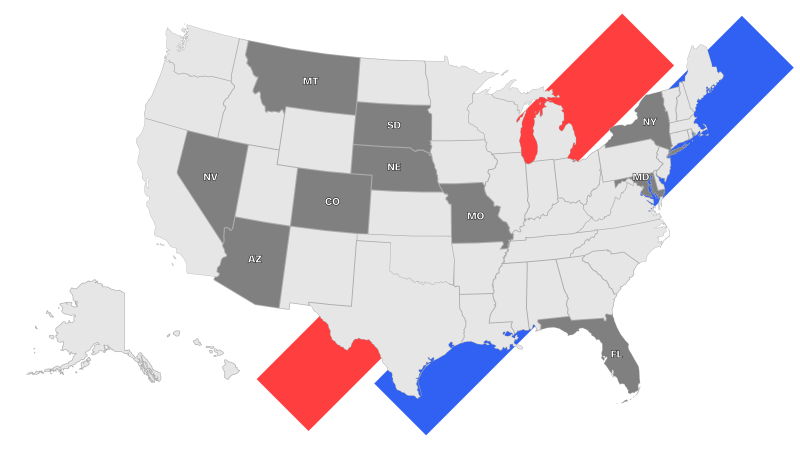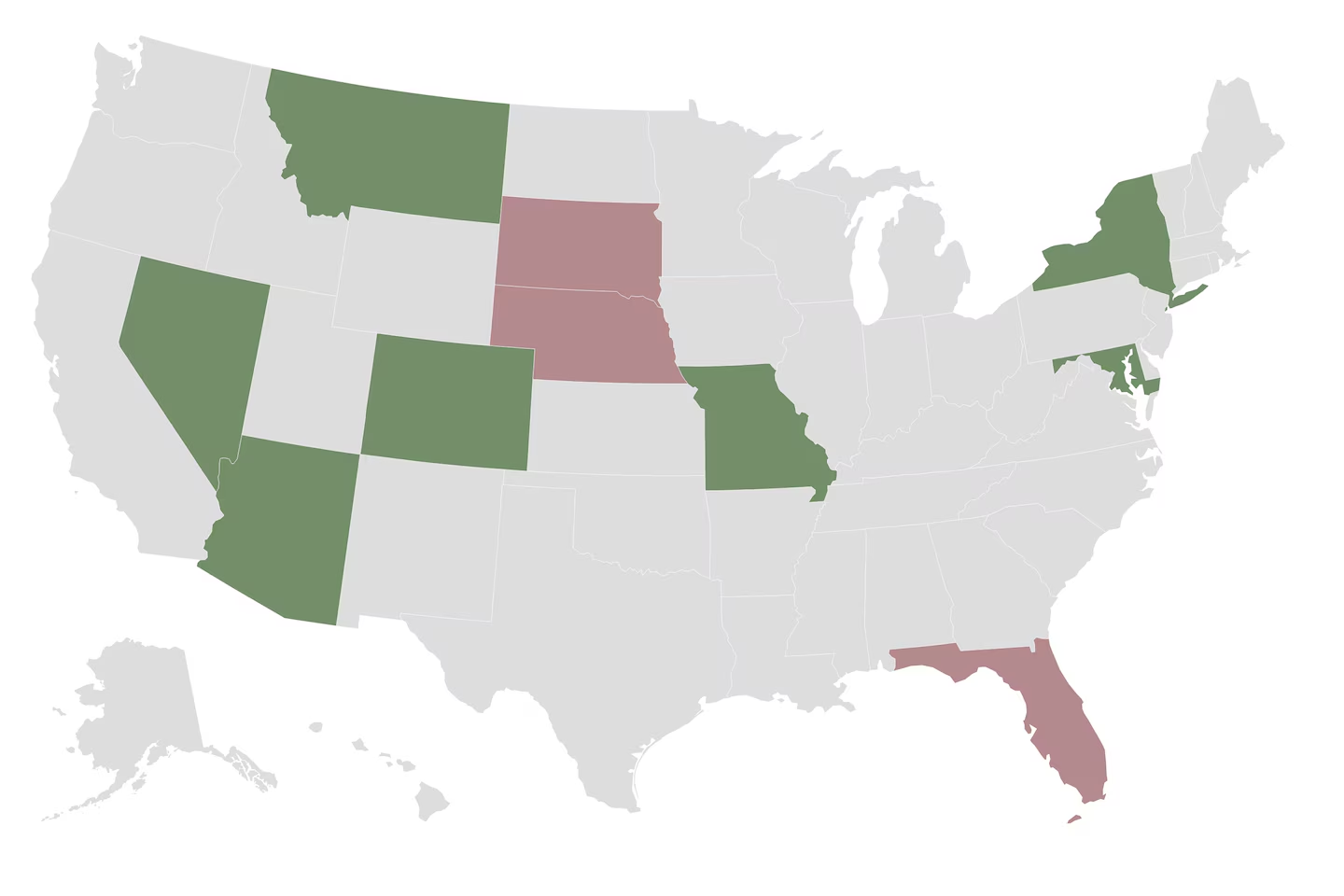
Voters in seven states approved ballot measures to protect abortion rights in their state constitutions, potentially enhancing reproductive health care for over 2 million women. However, similar measures in Florida, Nebraska, and South Dakota did not pass, marking the first rejections of such initiatives since the Supreme Court overturned Roe v. Wade in 2022.
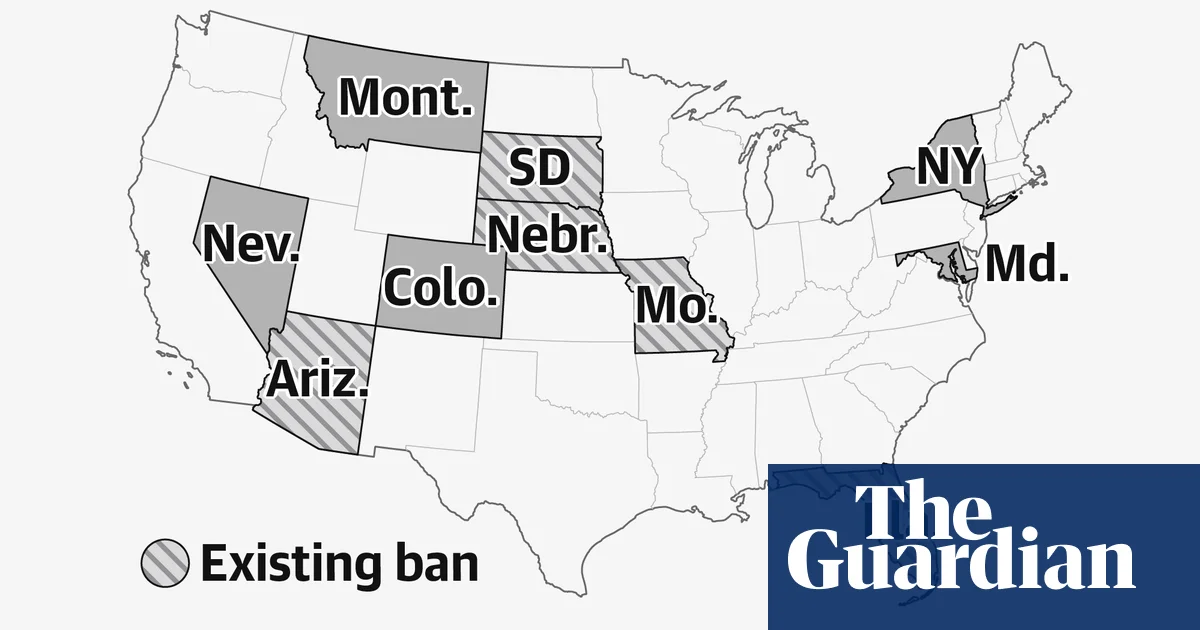
Voters in ten U.S. states are deciding on measures related to abortion rights, with some states like Arizona and Florida considering overturning existing bans, while others like Colorado and New York aim to strengthen protections. Nebraska presents two competing measures, one to enshrine a 12-week ban and another for more expansive protections. The outcomes will reflect the ongoing significance of abortion rights following the 2022 overturning of Roe v Wade, though legal and legislative challenges are expected post-vote.
In the 2024 election, voters in 10 states will decide on ballot measures related to abortion rights, following the Supreme Court's overturning of Roe v. Wade. States like Arizona, Florida, and Missouri are considering measures to enshrine reproductive rights in their constitutions, potentially overturning existing abortion bans. Meanwhile, Nebraska faces conflicting measures, one to protect and another to restrict abortion rights. These votes reflect ongoing national debates over reproductive rights and could significantly impact state policies.
With the U.S. Supreme Court overturning Roe v. Wade in 2022, the battle over abortion rights has shifted to state ballots, with attempts to enshrine the right to access abortion services into state constitutions proliferating. This November, the issue could be on the ballot in as many as a dozen states, including some where abortion is banned or severely restricted. Legal historian Mary Ziegler discusses the implications with John Yang.