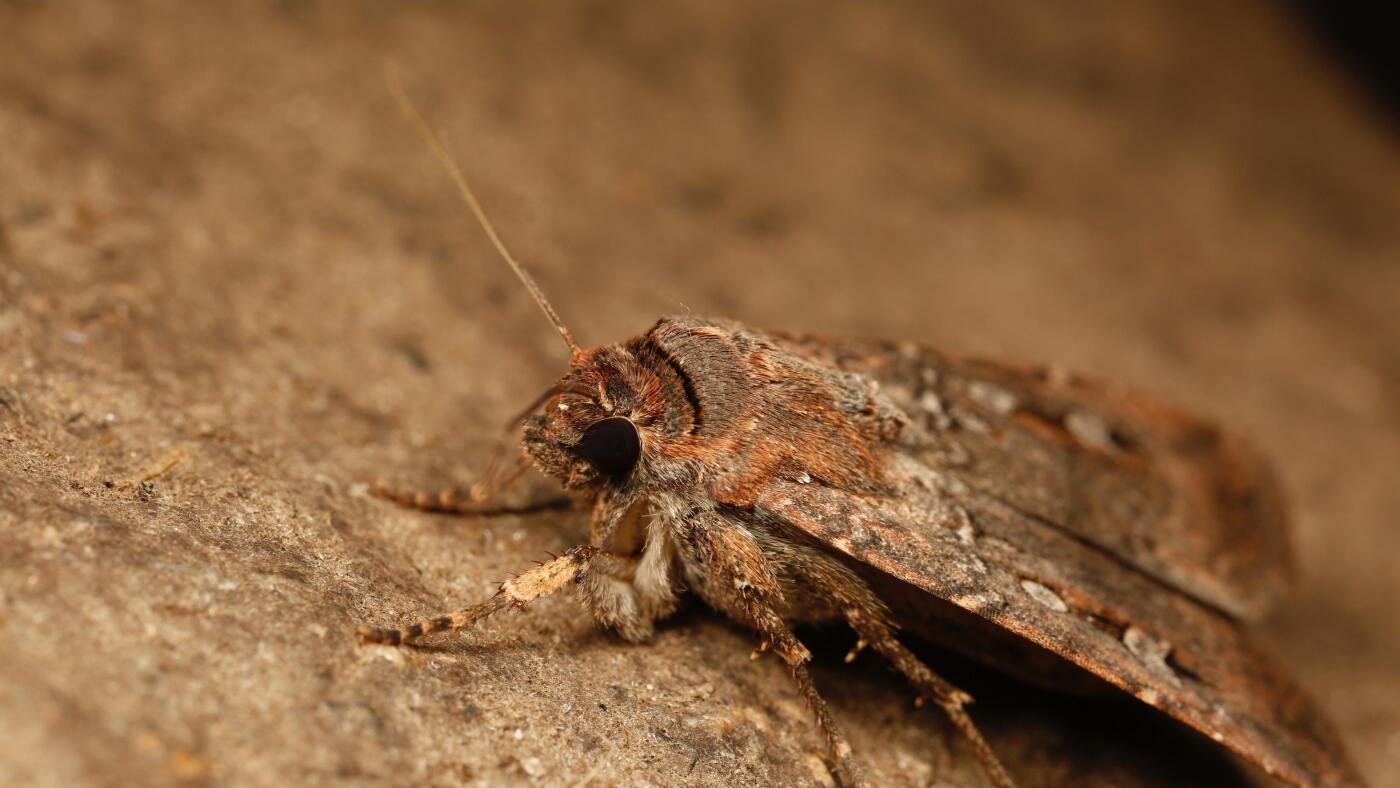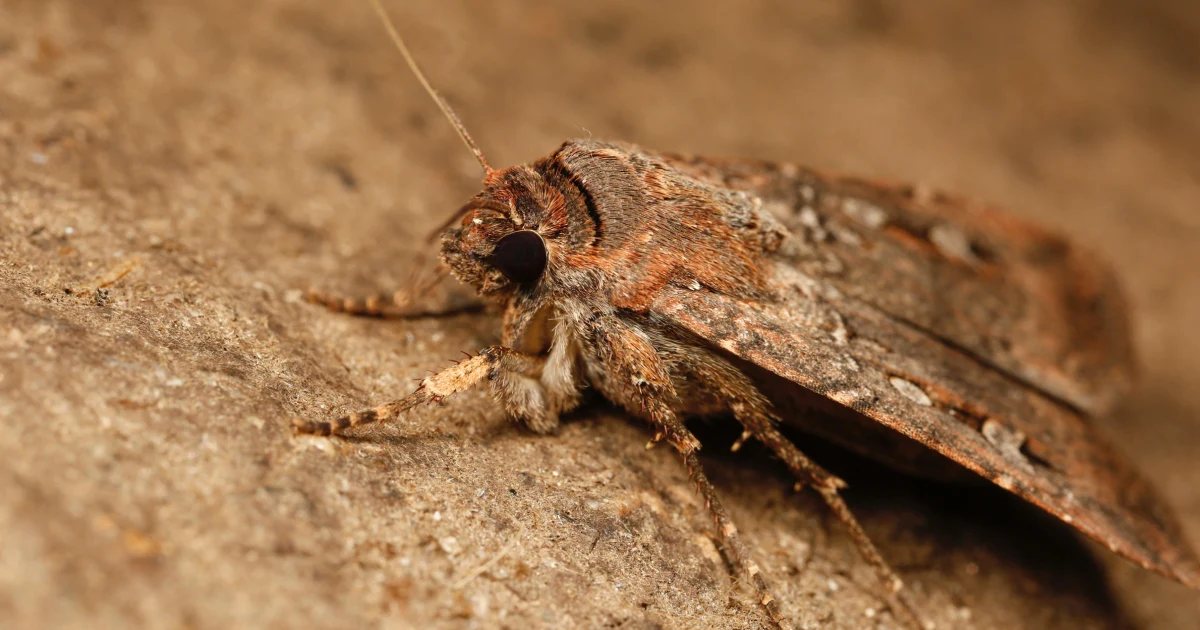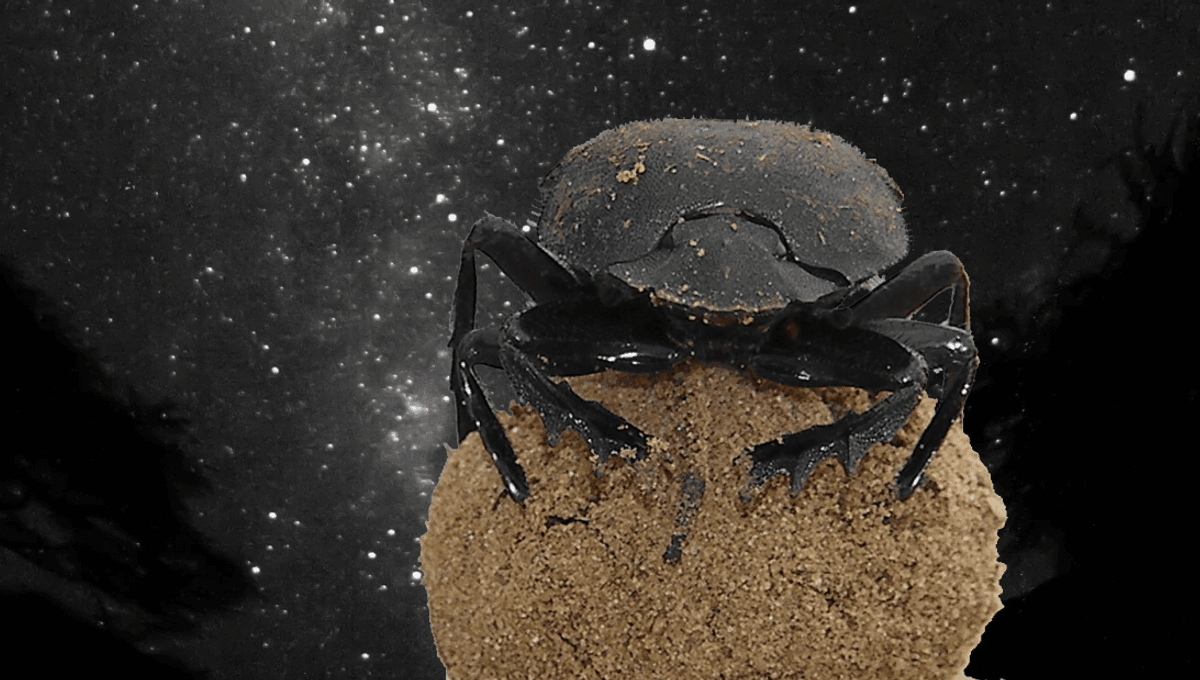
Research shows that dung beetles and Bogong moths can navigate using the stars, with dung beetles orienting by the Milky Way and moths flying up to 1,000 km by star positions, demonstrating complex celestial navigation in insects.
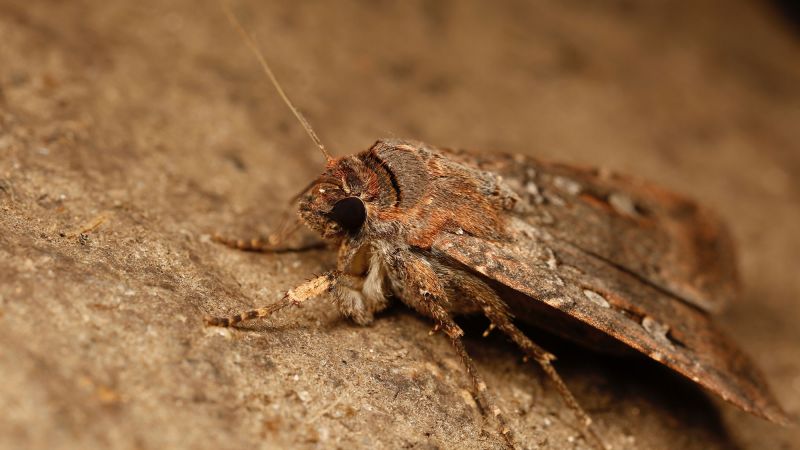
Scientists have discovered that the tiny Australian Bogong moth can navigate 600 miles during migration using stars as a compass, similar to humans and birds, and also employs Earth's magnetic field as a backup, showcasing remarkable innate navigational abilities in invertebrates.
Australian Bogong moths use the stars as a navigational guide during their long migration to cool down in caves, making them the first known invertebrates to navigate using celestial cues, alongside Earth's magnetic field, demonstrating remarkable navigational abilities despite their tiny brains.
Researchers discovered that Australian Bogong moths use the starry sky, specifically the Milky Way, to navigate during their long migrations to the Australian Alps, marking the first evidence of invertebrates using stars for navigation and highlighting their reliance on visual cues alongside Earth's magnetic field. Protecting these moths through measures like reducing light pollution could aid in conserving their populations and the broader ecosystem.
Researchers have discovered that bogong moths use stars, likely the Milky Way, to navigate during their long 600-mile migration, making them the first insects known to do so. The moths' ability was confirmed through experiments involving a flight simulator and neural measurements, revealing their reliance on stellar cues and possibly olfactory signals near caves. This finding could aid conservation efforts for this endangered species affected by environmental threats.