
Tag

Star Forming Galaxy

All articles tagged with #star forming galaxy

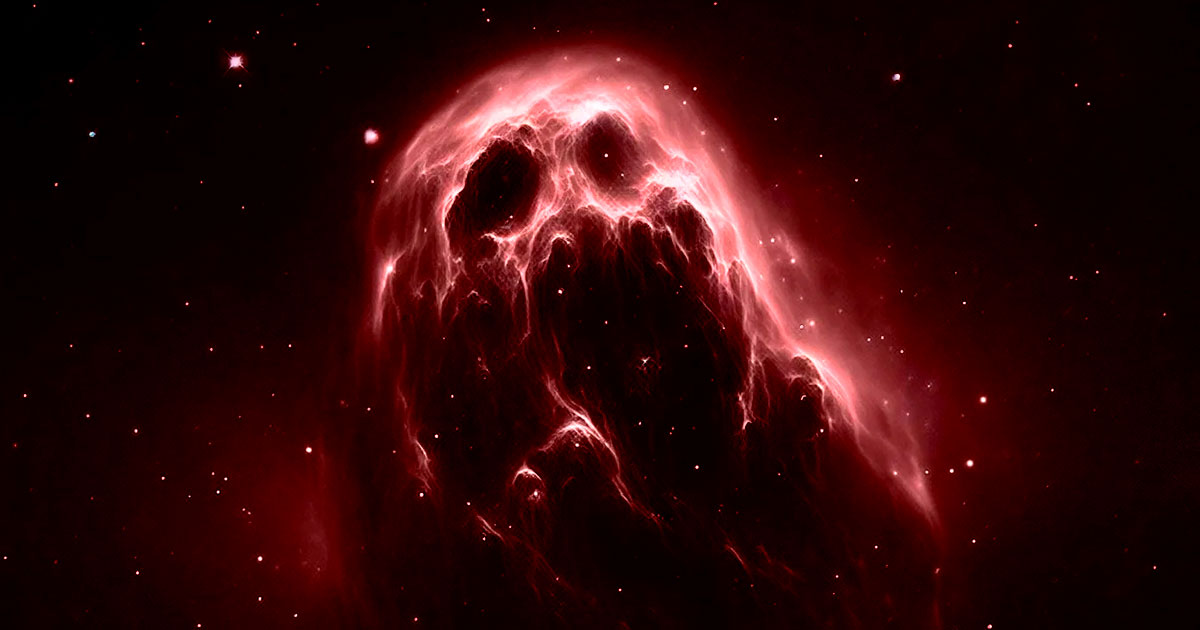
Mysterious "Ghostly" Object Resurfaces in James Webb's Sight
astronomy2 years ago

Mysterious "Ghostly" Object Resurfaces in James Webb's Sight

NASA's James Webb Space Telescope has detected a faint and mysterious "ghostly" object, a star-forming galaxy called AzTECC71, which was previously undetectable by the Hubble Space Telescope. The observation suggests that massive star nurseries like AzTECC71 could be more common than previously thought, potentially changing our understanding of the early universe. The James Webb's sensitive infrared instruments allow it to see through dusty veils, revealing galaxies that have been hidden from us.
Stunning insights into star-forming galaxy GN20 revealed by JWST.
astronomy2 years ago

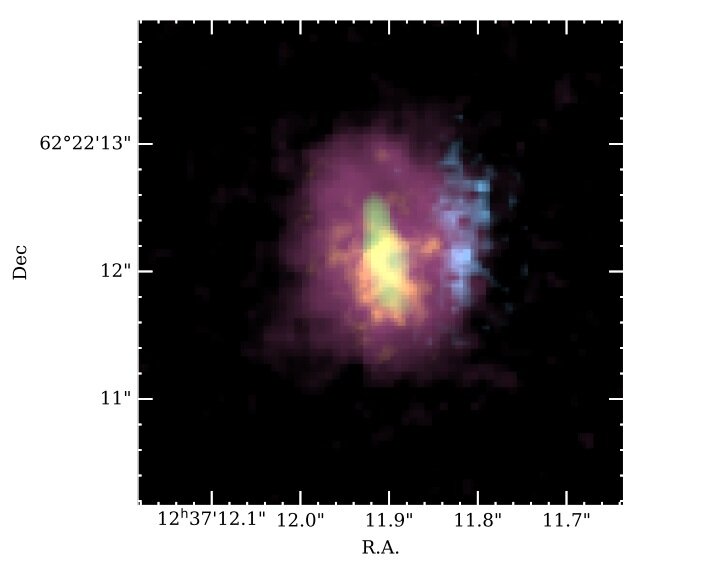
Stunning insights into star-forming galaxy GN20 revealed by JWST.

The James Webb Space Telescope (JWST) has been used to observe GN20, a luminous dusty star-forming galaxy. The observations reveal a clumpy stellar structure with a diameter of approximately 45,600 light years and kinematics consistent with that of a massive rotating disk. GN20 has a stellar structure characterized by a luminous unresolved nucleus and a diffuse extended envelope, forming new stars at a constant, high rate of about 500 solar masses per year. The nucleus is less than 2,600 light years in size, carries 9% of the total flux and coincides with the compact, cold dust nuclear emission.

Closest Black Hole Devouring a Star Detected by Astronomers
astronomy2 years ago

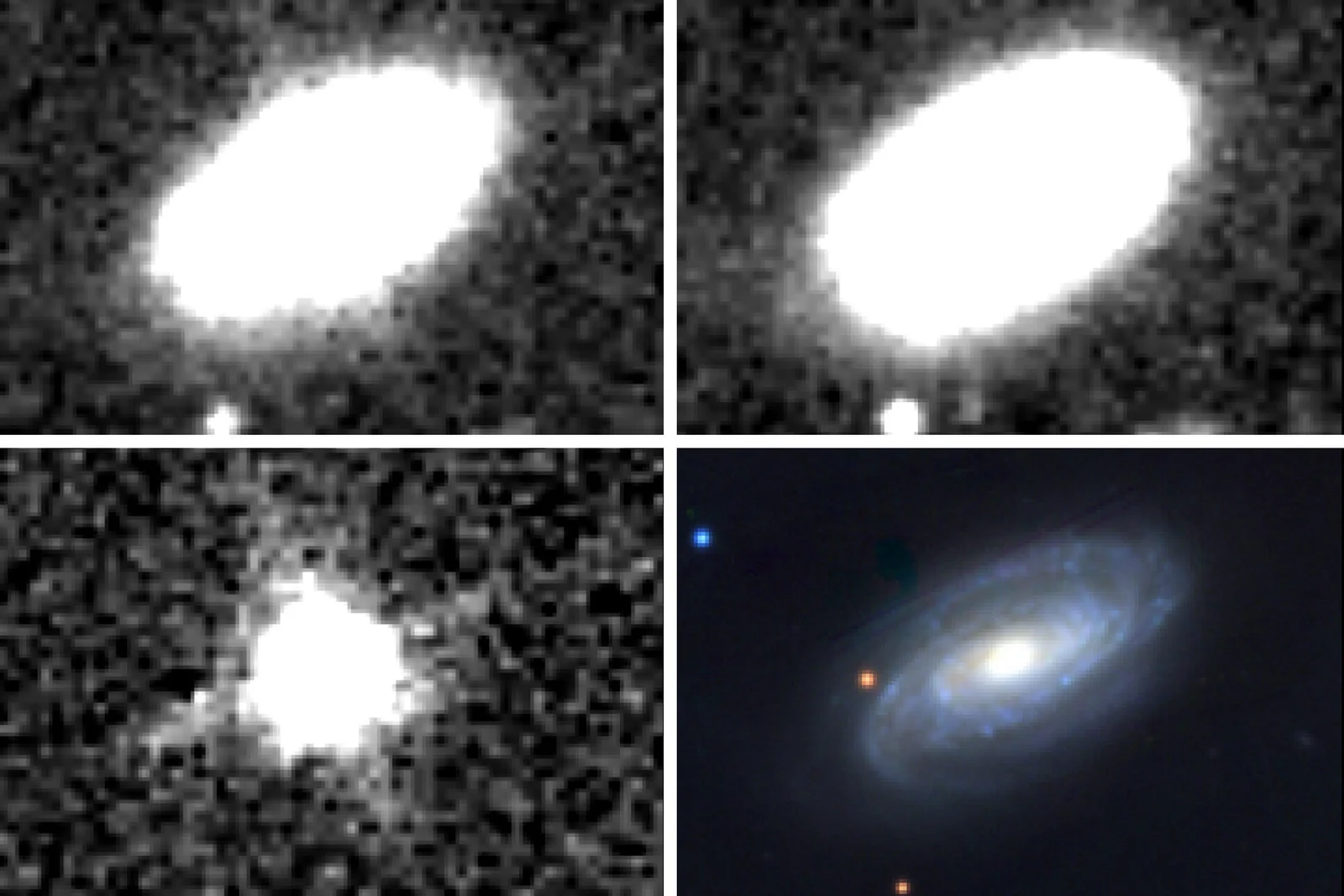
Closest Black Hole Devouring a Star Detected by Astronomers

MIT astronomers have discovered a new tidal disruption event (TDE) shining brightly in infrared, which is one of the first times scientists have directly identified a TDE at infrared wavelengths. The new outburst happens to be the closest TDE observed to date, found in NGC 7392, a galaxy that is about 137 million light-years from Earth. The scientists suspect that traditional surveys missed the nearby TDE because that light was obscured by an enormous amount of dust that absorbed the radiation and gave off heat in the form of infrared energy.