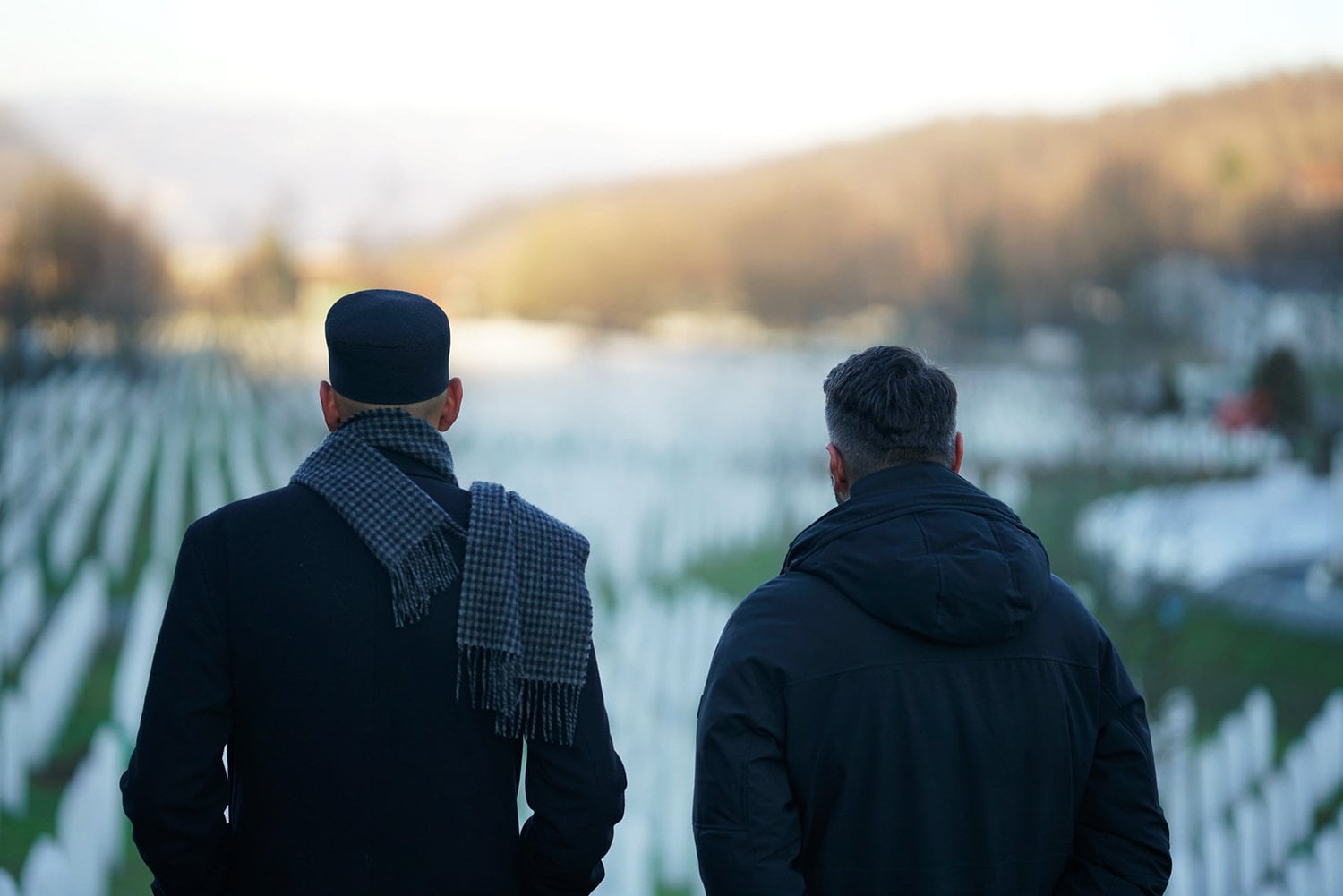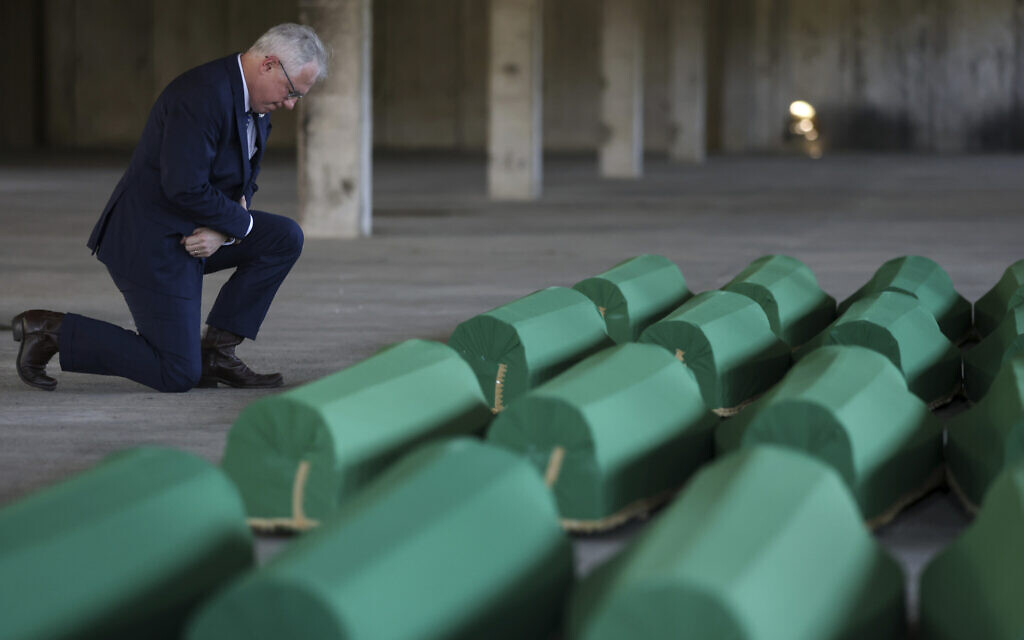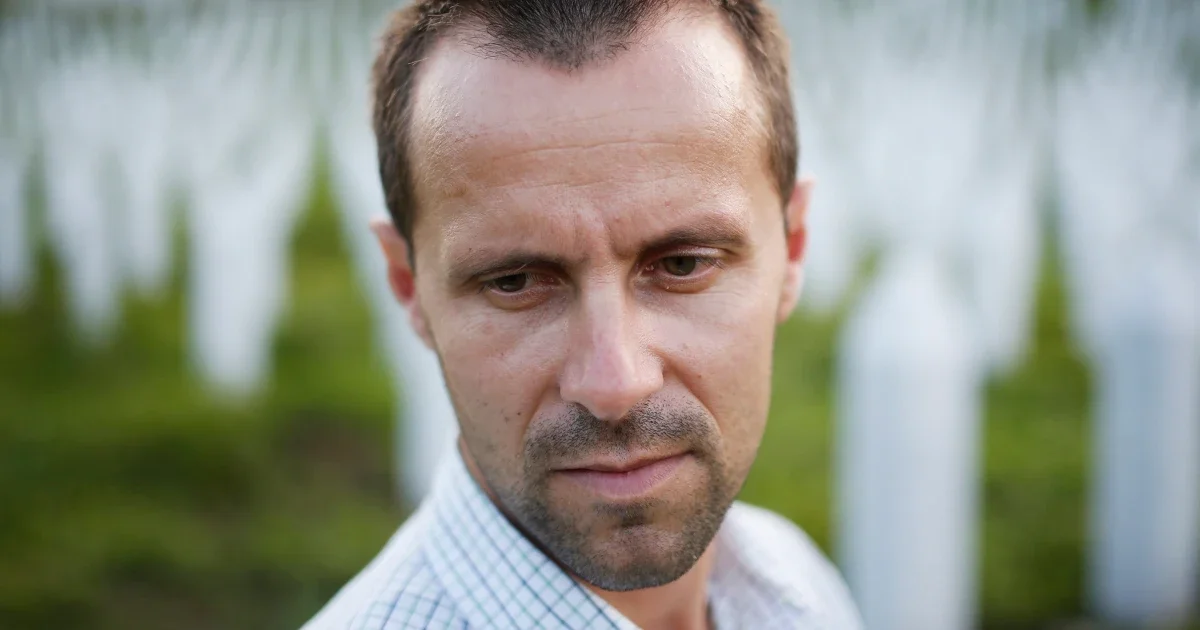
Nedzad Avdic, a survivor of the 1995 Srebrenica massacre, continues to speak out against denialism and disinformation about war crimes, amid rising far-right nationalism and conspiracy theories that threaten historical truth and reconciliation. Despite personal risks, he remains committed to honoring the victims and promoting awareness of the genocide, as global disinformation campaigns and political gains by far-right groups challenge the acknowledgment of past atrocities.
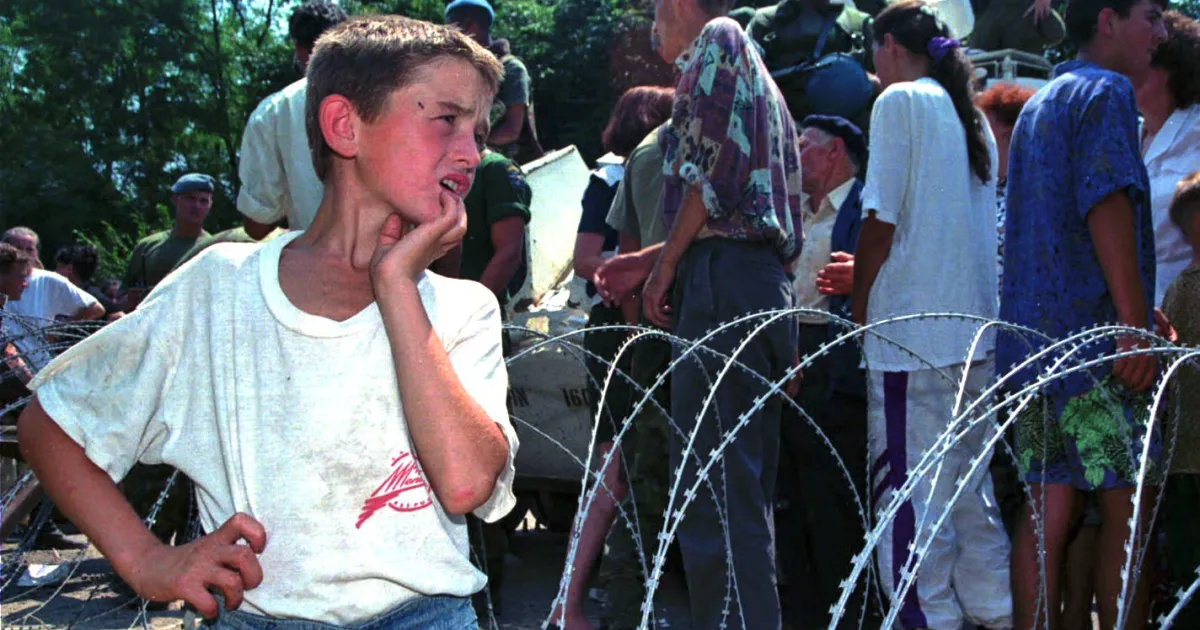
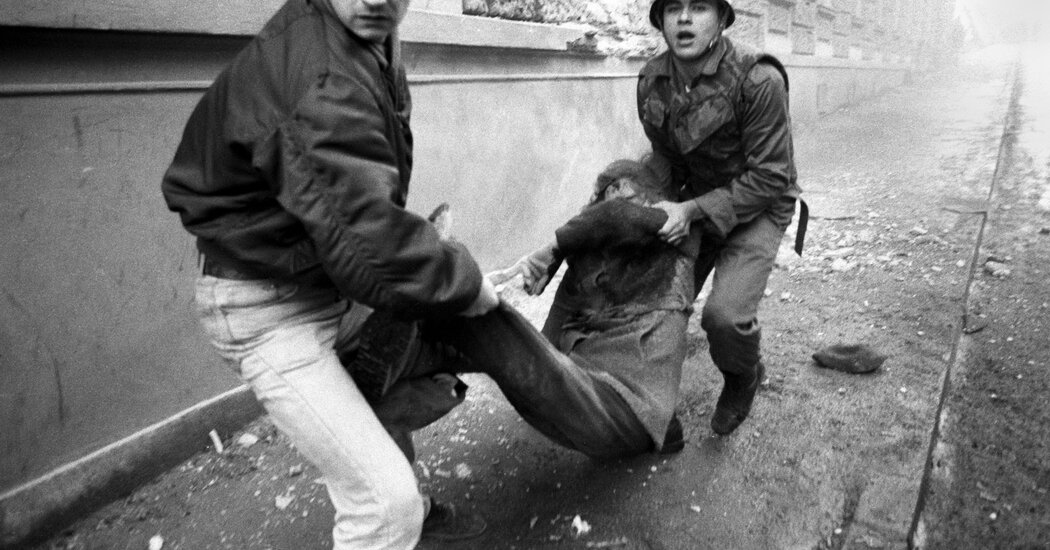
The article recounts the harrowing experiences of three survivors of the 1995 Srebrenica genocide, detailing their escape from the massacre, the brutal conditions they endured, and their lives afterward, highlighting the resilience of those who defied death in one of Europe's darkest moments.
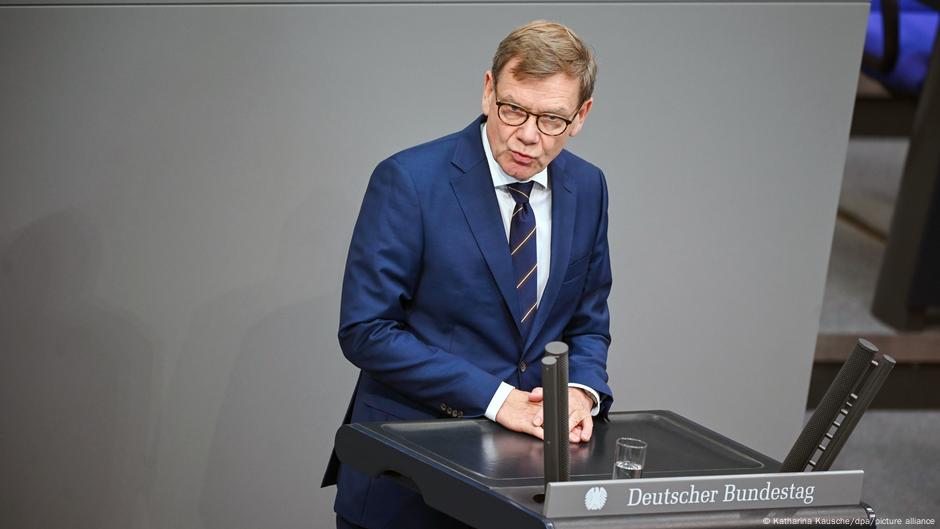
The German Bundestag commemorated the 30th anniversary of the Srebrenica massacre, recognizing it as Europe's worst war crime since WWII, amid political controversy and remembrance events. The article also covers related topics including a trial of a German comedian over social media posts, a high-profile kidnapping trial, and other recent German news.
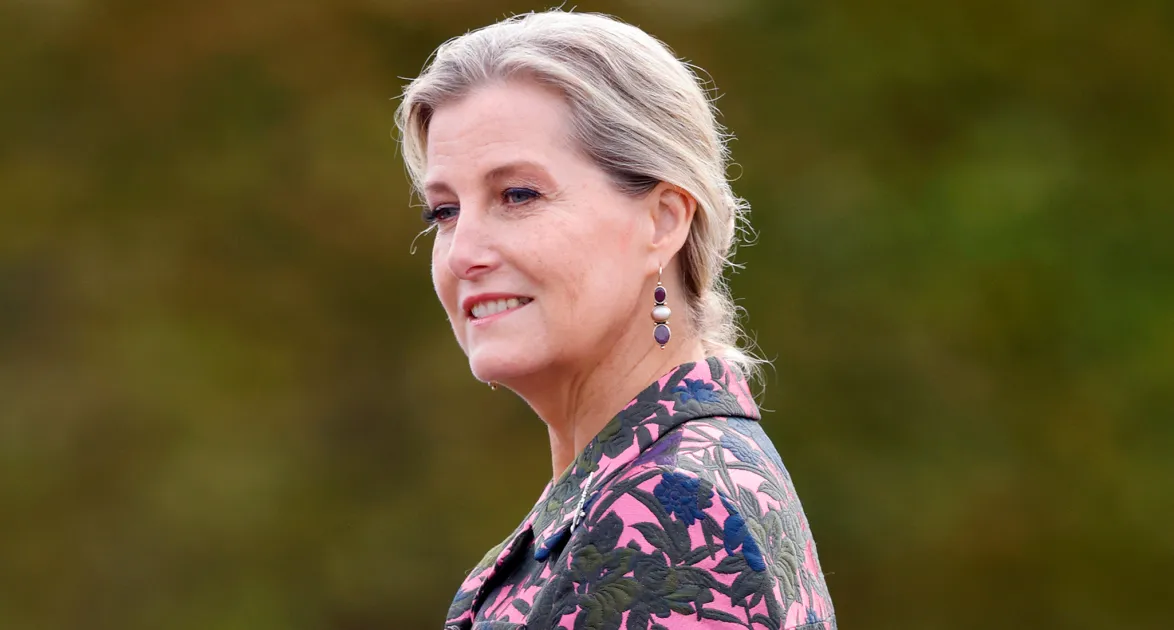
Duchess Sophie of Edinburgh visited Bosnia to commemorate the 30th anniversary of the Srebrenica Genocide, sharing powerful photos and messages emphasizing remembrance, learning from the past, and promoting peace, while meeting survivors and offering comfort.
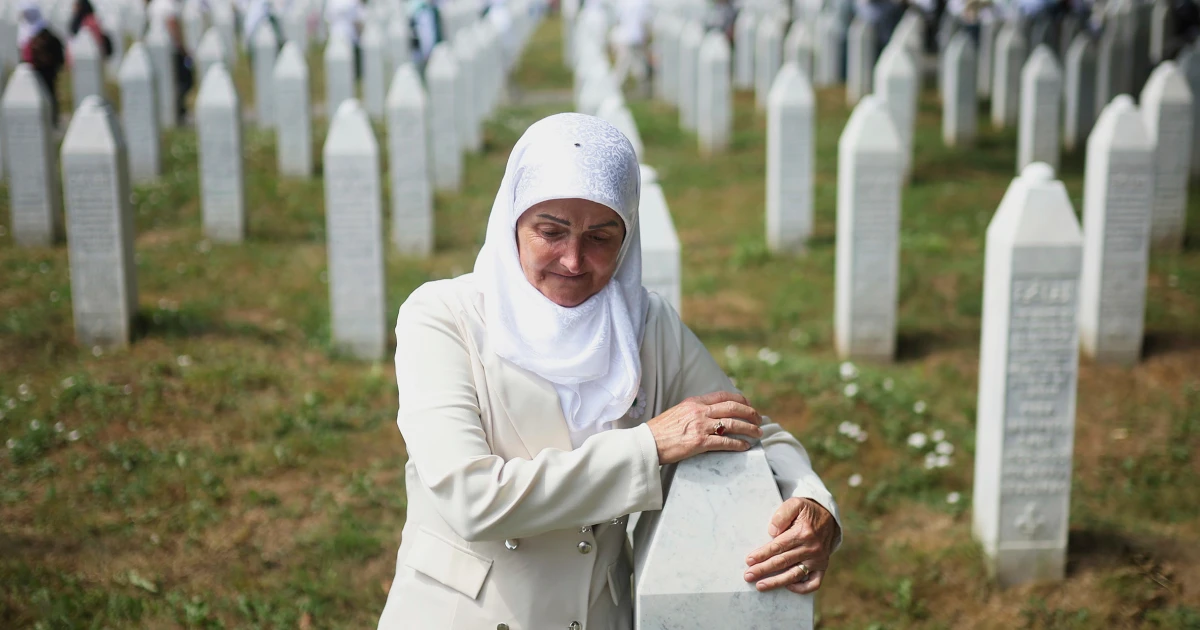
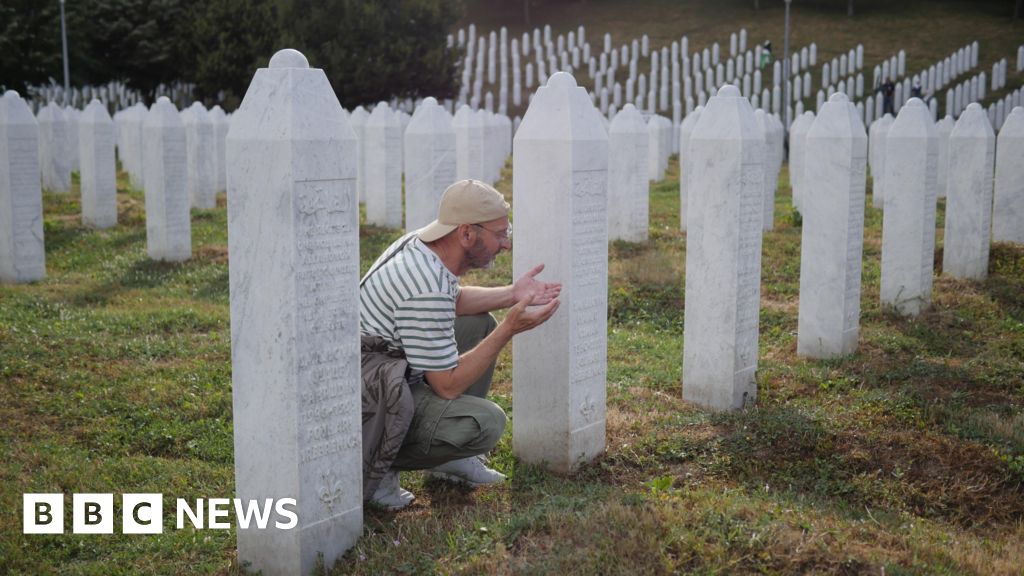
Thousands gathered in Srebrenica to commemorate the 30th anniversary of the 1995 massacre, where over 8,000 Bosniak men and boys were killed in Europe's only acknowledged genocide since WWII. The event included a collective funeral for newly identified victims and highlighted ongoing efforts to identify and bury remains from mass graves, amid continued denial of the genocide by some political leaders.
The article reflects on the 1995 Srebrenica massacre, where 8,000 Muslim men and boys were killed despite the town being a UN-protected 'safe area,' highlighting the failures of international intervention and the enduring scars of the Bosnian War, with lessons on the dangers of nationalism and the importance of timely action.
The article reflects on the 1995 Srebrenica massacre, where 8,000 Muslim men and boys were killed despite the town being a UN-protected 'safe area,' highlighting the failures of Western intervention and the lasting trauma and lessons from the Bosnian War.
The article reflects on the 30-year aftermath of the Srebrenica massacre, highlighting ongoing ethnic divisions, political manipulation, and the challenges of reconciliation in Bosnia and Herzegovina, despite international recognition of the genocide and efforts to remember the victims.
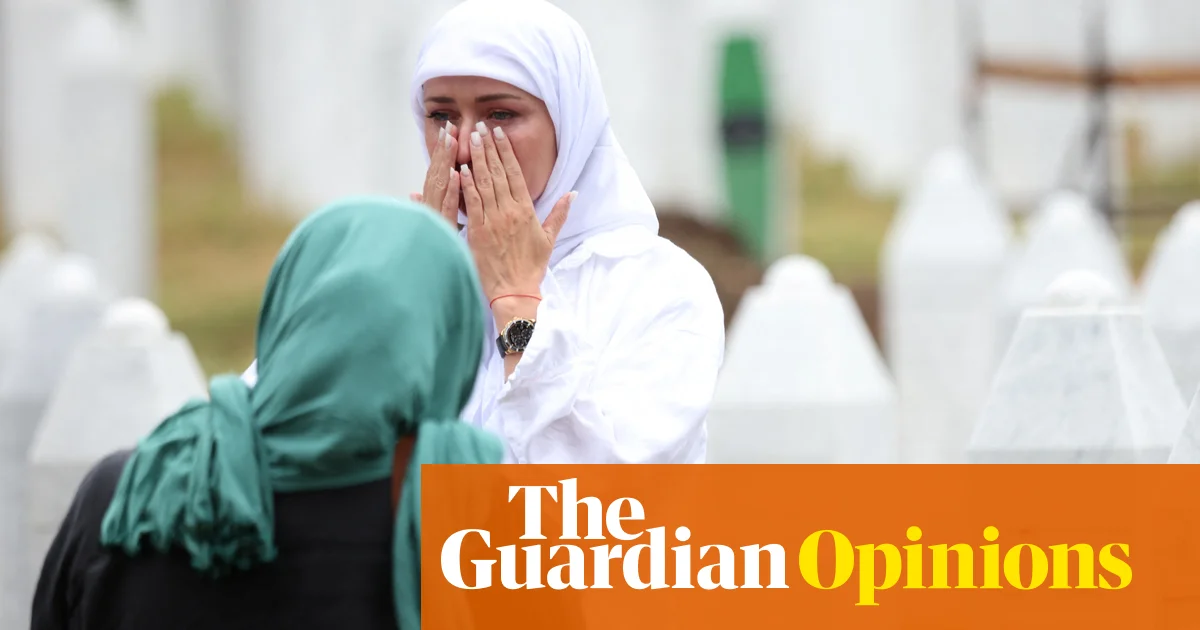
The article reflects on the 30th anniversary of the Srebrenica genocide, highlighting the ongoing cycle of violence and the failure of international action to prevent atrocities, and questions when the global community will finally declare 'never again' for other conflicts like Gaza.
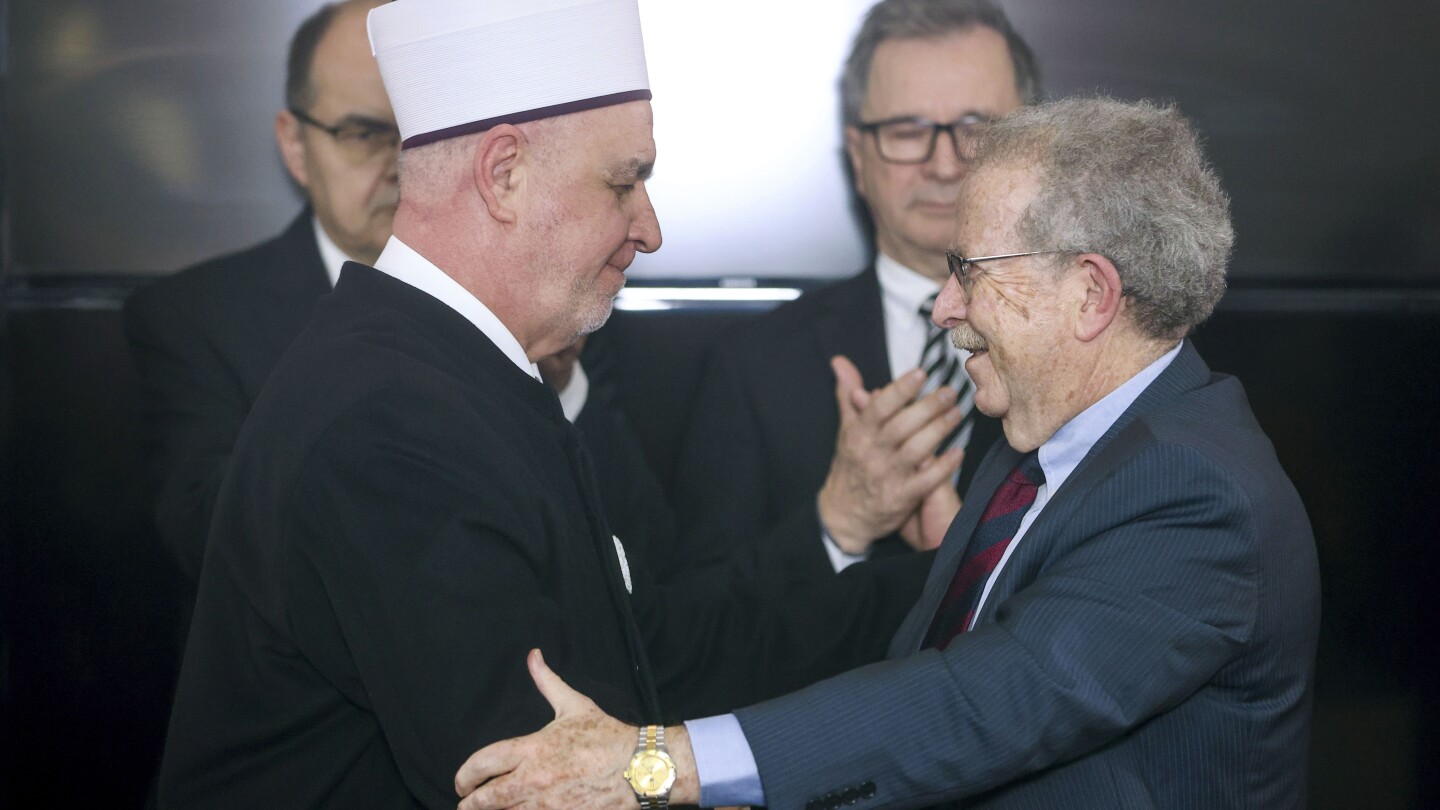
Muslims and Jews in Bosnia gathered in Srebrenica to jointly observe International Holocaust Remembrance Day, promoting compassion and dialogue amid the Israel-Hamas war. The event highlighted the shared experience of persecution between the two communities and emphasized the need to stay united in their commitment to peace. Menachem Rosensaft and Husein Kavazović signed the Srebrenica Muslim-Jewish Peace and Remembrance Initiative, committing to collaboration in times of crisis, maintaining communication, and repudiating all forms of bigotry.
The Srebrenica genocide, where 8,000 mostly Muslim Bosniaks were killed by Serbian nationalists, was the largest genocide in Europe since the Holocaust. The dehumanization of Muslims played a significant role in allowing the genocide to occur. Remembering Srebrenica requires personal accountability and reflection, as well as humanizing the victims and acknowledging their individual stories. Without proper remembrance, the cycle of empty condolences and endless anniversaries continues.
Tens of thousands of people gathered in Srebrenica, Bosnia-Herzegovina, to commemorate the 1995 massacre and bury the newly identified victims. Twenty-eight years after the genocide, 27 men and three teenage boys were laid to rest at a memorial cemetery, joining over 6,600 previously reburied victims. The remains of the victims are often found scattered across different mass graves, making it difficult for families to bury their loved ones in one place. The Srebrenica killings were the culmination of Bosnia's 1992-95 war, with Bosnian Serbs separating and slaughtering thousands of Muslim Bosniak men and boys. Despite convictions of Bosnian Serb officials for genocide, many Serbian and Bosnian Serb officials still deny or downplay the massacre.
Jews and Muslims gathered in Bosnia to commemorate the 28th anniversary of the Srebrenica massacre, Europe's only acknowledged genocide since the Holocaust. Over 8,000 Bosniak men and boys were killed in July 1995 by Bosnian Serb troops. The World Jewish Congress hosted a conference to discuss preserving the memory of genocide victims and confronting denial. The event aimed to unite the two communities in their shared pain and work towards a world free of hate and bigotry.