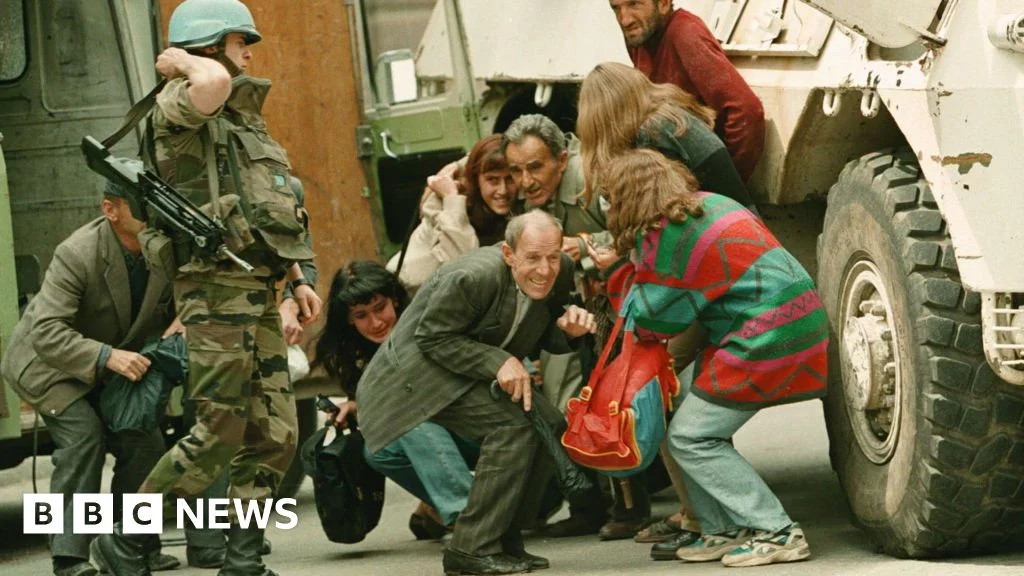
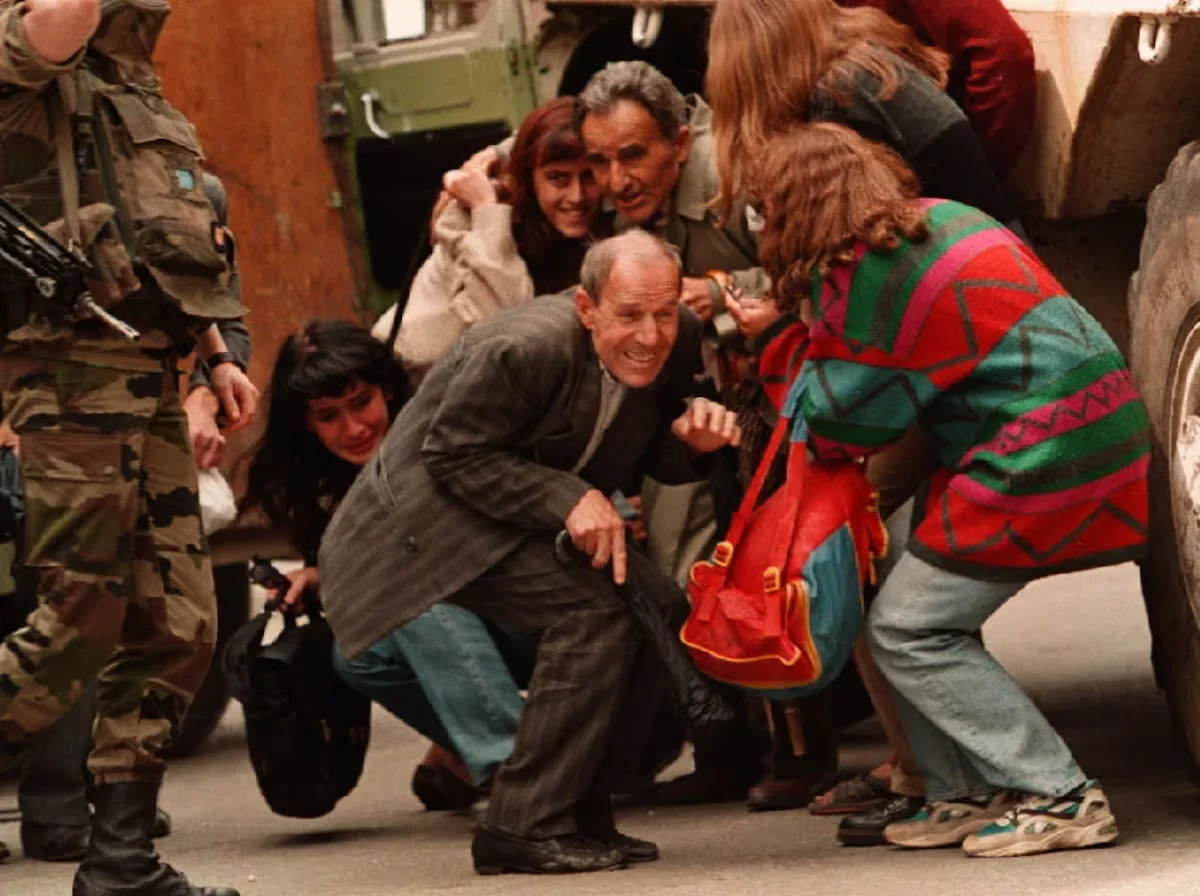
Italy’s Milan prosecutor opened an investigation into alleged organized 'human safari' sniper trips to besieged Sarajevo during the Bosnian War, summoning an 80-year-old former truck driver as the first suspect; seven weapons were found at his home as prosecutors allege he and others killed defenseless civilians from the hills around Sarajevo, with the probe potentially expanding to France, Switzerland and Belgium.
The Milan public prosecutor's office is investigating claims that Italian citizens paid to participate in sniper safaris during the Bosnian war in the 1990s, with allegations of paying large sums to shoot at civilians in Sarajevo, amid evidence and testimonies suggesting such activities occurred and were eventually halted by military intelligence.
The Milan Attorney General's Office is investigating allegations that wealthy foreigners, including Italians, paid to participate in 'human safaris' during the Bosnian War, where they allegedly paid to shoot at civilians in Sarajevo, with some evidence suggesting involvement of intelligence agencies and witnesses supporting these claims.
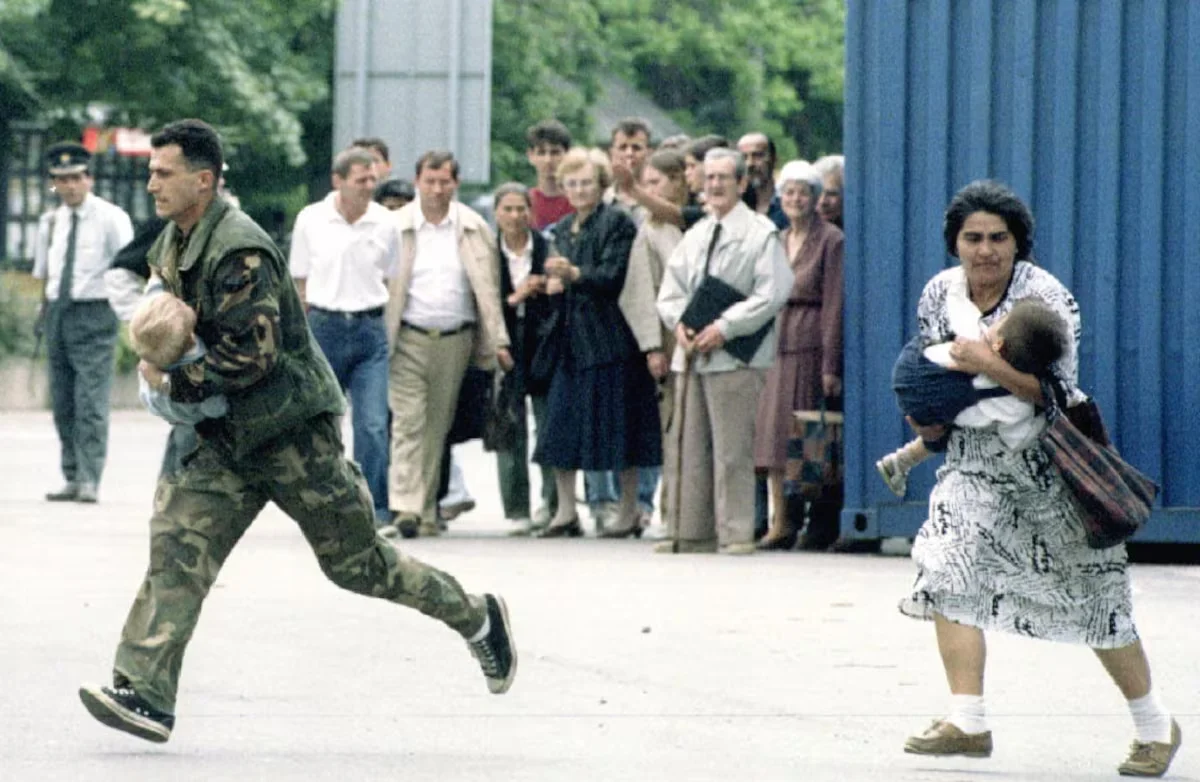
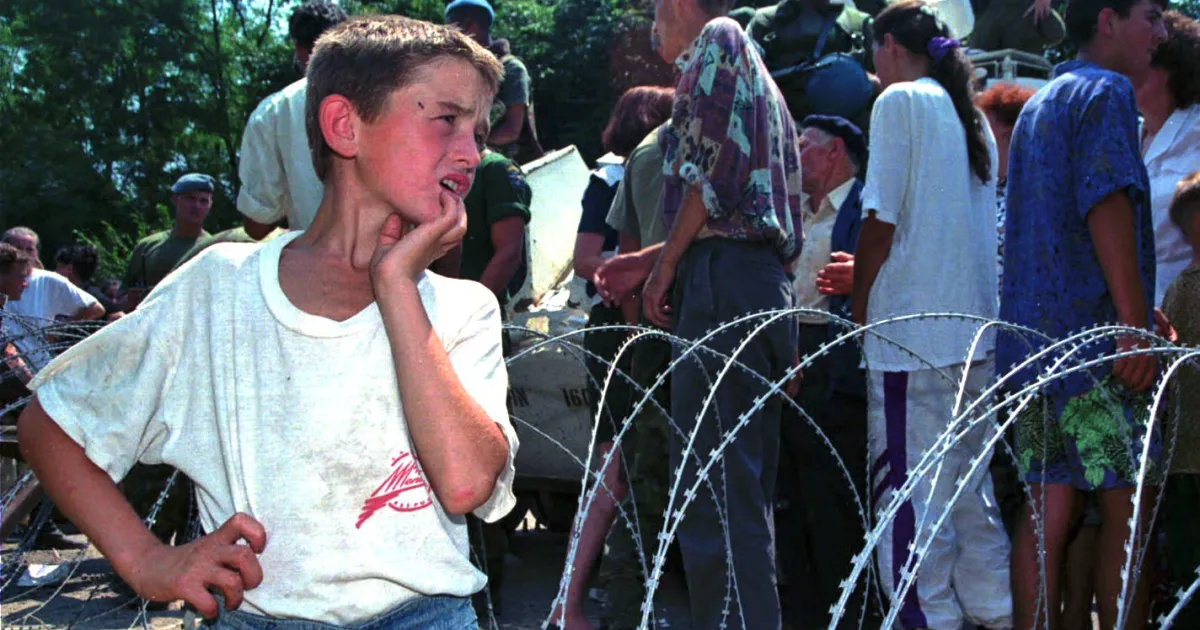
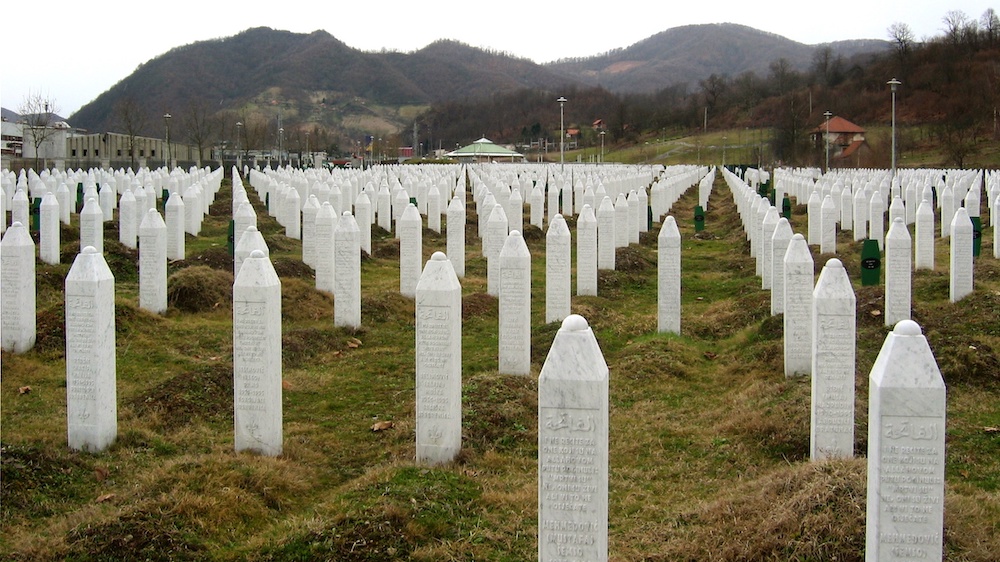
The article recounts the harrowing experiences of three survivors of the 1995 Srebrenica genocide, detailing their escape from the massacre, the brutal conditions they endured, and their lives afterward, highlighting the resilience of those who defied death in one of Europe's darkest moments.
Arnesa Buljušmić-Kustura, a genocide survivor from the Bosnian War, draws parallels between the siege on Gaza and the violence she experienced. She highlights the genocidal rhetoric, objectification, dehumanization, and occupation as common elements. Buljušmić-Kustura argues that the deliberate intent to destroy a group of people based on their identity is evident in the targeting of Palestinians in Gaza. She criticizes the misunderstanding of genocide and the minimization of the death toll, emphasizing the importance of recognizing the process of dehumanization and the intent behind it. Buljušmić-Kustura also discusses the backlash faced by those advocating for Palestinian rights and the concerning levels of censorship and silence in the face of atrocities.
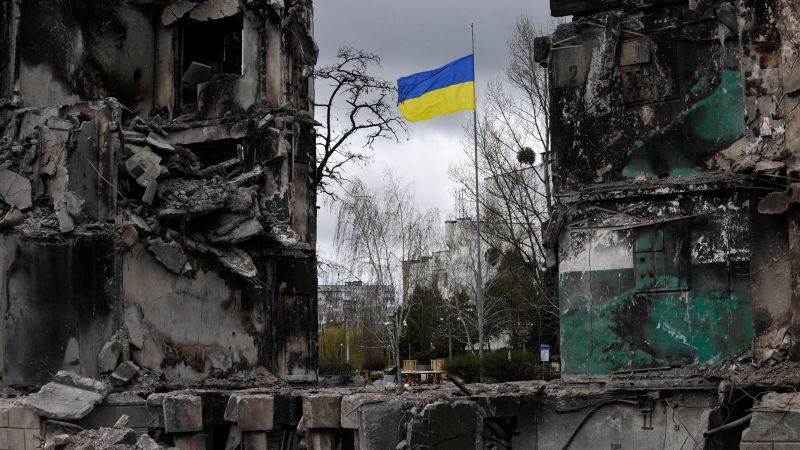
A report by the New Lines Institute for Strategy and Policy warns that the world must learn from the mistakes made after the Bosnian war to prevent Ukrainian victims of rape and conflict-related sexual violence from enduring decades of trauma. Ukrainian prosecutors and independent investigators have gathered evidence suggesting that Russian troops are employing rape and sexual violence as part of their campaign of terror in Ukraine, similar to the tactics used by the Bosnian Serb army in the 1990s. The report emphasizes the need to prioritize the victims in Ukraine and ensure their inclusion and support, as many survivors in Bosnia had to wait for years before coming forward and the majority of sexual crimes went unpunished. The report also highlights the importance of addressing biases and stigma surrounding sexual violence, including recognizing male victims and the often-forgotten children born of wartime rape. It calls for the prosecution of perpetrators on behalf of Ukraine and emphasizes the need for immediate assistance to victims, including psychological support, healthcare, and legal aid.