
Tag

Sports Training

All articles tagged with #sports training

health-and-science2 years ago

Sports training can improve cognitive flexibility: Study

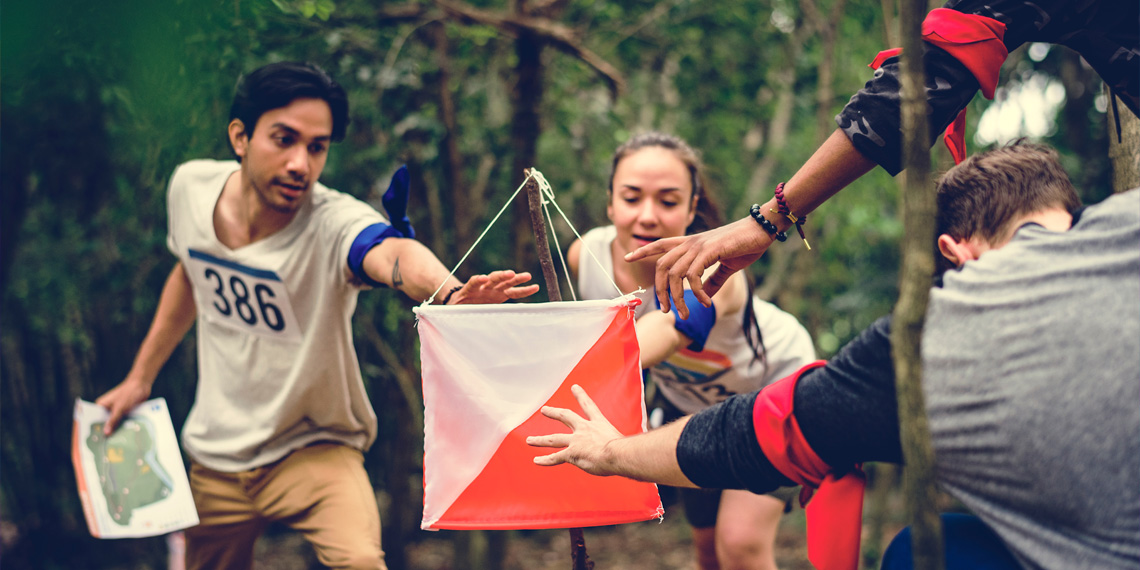
A study published in Psychology of Sport & Exercise suggests that sports training can help improve cognitive flexibility. Evidence has shown that sports can be an effective tool in building cognitively flexibility, as training requires a high degree of engaging with cognitive functions. This study sought to address that gap in research by exploring orienteering, which is a sport that involves navigating unfamiliar terrain while moving quickly, and is thought to use similar levels of physical and cognitive fitness. Results showed that participants who were orienteers scored higher on tasks of divergent thinking, verbal fluency, and voluntary switching, which is consistent with the researcher’s hypothesis that cognitive fluency would be improved by the adaptability and multitasking involved in orienteering.

business2 years ago

Endeavor sells IMG Academy for $1.25B to private equity firm.

Endeavor Group is set to sell sports-training school IMG Academy to private equity firm EQT's Asian unit in an all-cash deal worth $1.25 billion. The deal will see IMG Academy partner with EQT's portfolio company Nord Anglia Education, which operates premium international schools across 33 countries. The sale comes just days after Endeavor's mixed martial arts franchise UFC agreed to combine with World Wrestling Entertainment Inc. The deal is expected to close in Q3 2023.

neuroscience2 years ago

Playing Table Tennis Against Robots Boosts Brain Activity.

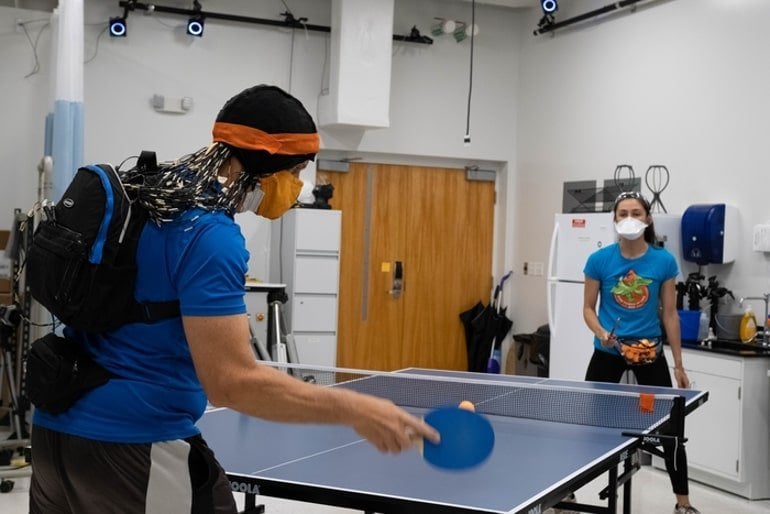
A new study from the University of Florida has found that the brains of table tennis players react differently to human or machine opponents. When playing against a human, players' neurons work in unison, but when playing against a robotic server, neural activity desynchronizes. The study suggests that human opponents provide a realism that can't be replaced with machine helpers, and as robots grow more common and sophisticated, understanding our brains' response could help make our artificial companions more naturalistic.