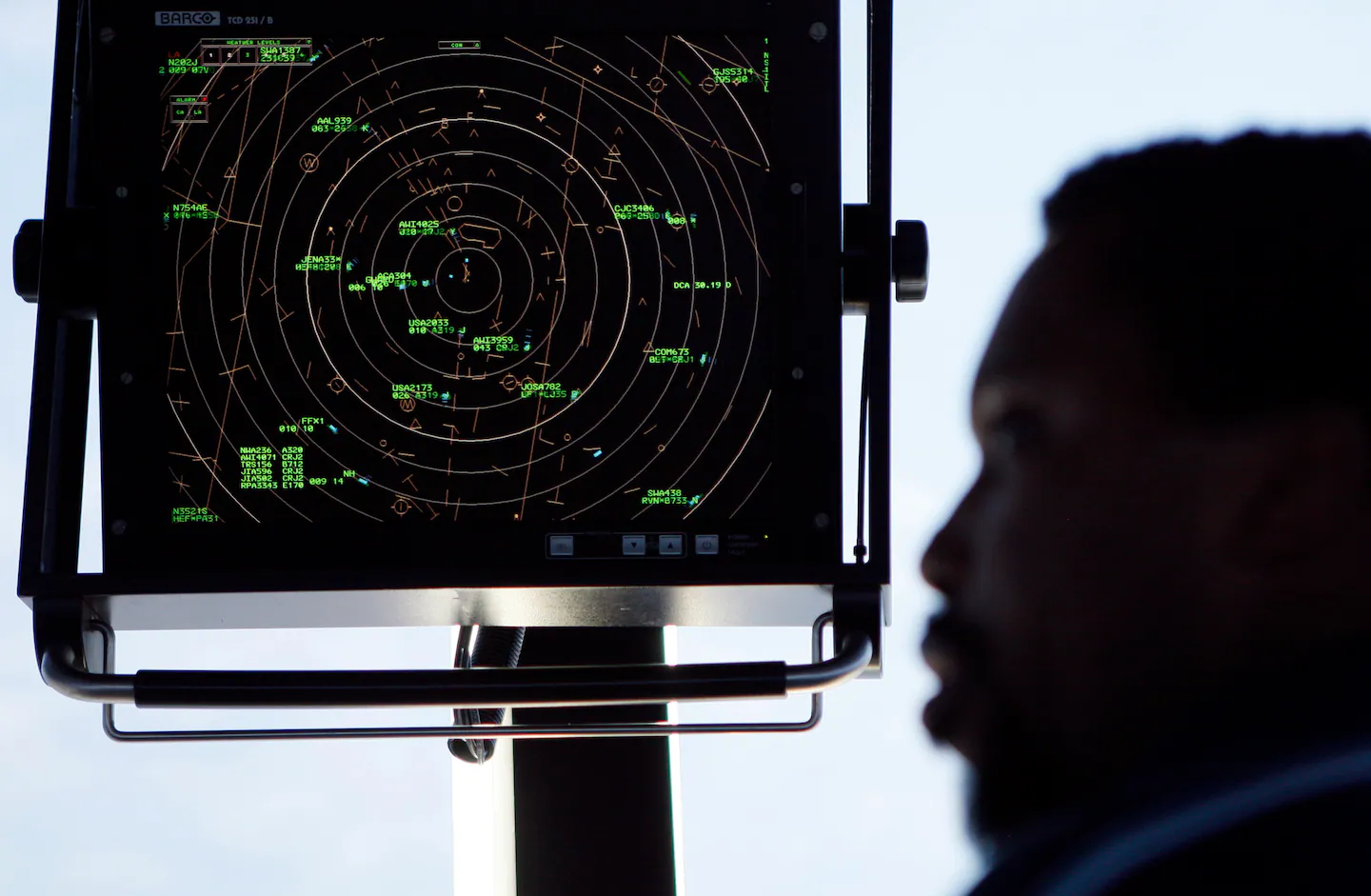
The article highlights the increasing risks to GPS systems, crucial for the global economy and navigation, as demonstrated by recent GPS disruptions at Denver International Airport caused by jamming and spoofing, which pose significant security threats to vital networks.
Pokemon Go players are frustrated with the ongoing issue of cheaters, particularly spoofers, who manipulate GPS tracking to steal in-game rewards, dominate Gyms and Raids, and negatively impact local communities. Despite Niantic's policies and reporting measures, players feel that the problem persists without effective intervention, leading to calls for change and concerns about the game's future.
False GPS signals, likely of military origin, are causing disruptions for airline pilots near conflict zones, leading to false ground collision alerts and altered flight trajectories. The European Union Aviation Safety Agency (EASA) has warned of intensified disruptions since the start of the war in Ukraine and is partnering with the International Air Transport Association (IATA) to counter spoofing and jamming, emphasizing the need for coordinated data collection and safety measures to address the rising safety risk posed by attacks on GPS systems.
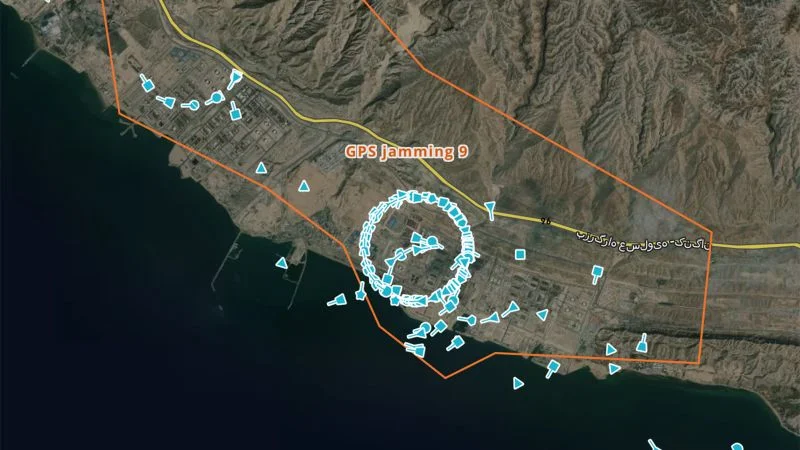
Commercial flights in the Middle East have been experiencing "unthinkable" GPS spoofing attacks since September, causing navigation systems to fail and planes to go off course. The spoofed GPS signals have fooled the planes' systems into thinking they are flying miles away from their actual location, with fallback navigation systems also being corrupted. OPSGROUP, an international group of pilots and flight technicians, has tracked over 50 incidents in the last five weeks and identified three new types of navigation spoofing incidents. The attacks have exposed a fundamental flaw in avionics design, as the spoofing corrupts the Inertial Reference System, a critical component for navigation. The cause and perpetrators of these attacks remain unclear, and there is currently no solution to the problem, leaving flight crews to rely on air traffic control for assistance.
The events at the Chornobyl Exclusion Zone (CEZ) in Ukraine highlighted the fragility of environmental sensors in high-risk areas. Elevated gamma radiation levels were reported before the monitoring system went offline, leaving observers guessing. Security researchers suggest that the high values were spoofed, as disturbing the soil would not cause a significant increase in gamma readings. The possibility of electromagnetic interference or electronic warfare causing the incorrect data was ruled out. The manipulation of monitoring stations or the server processing the data is considered, but without forensic evidence, it remains conjecture. The incident emphasizes the need for hardened and redundant environmental sensor networks in disaster scenarios.
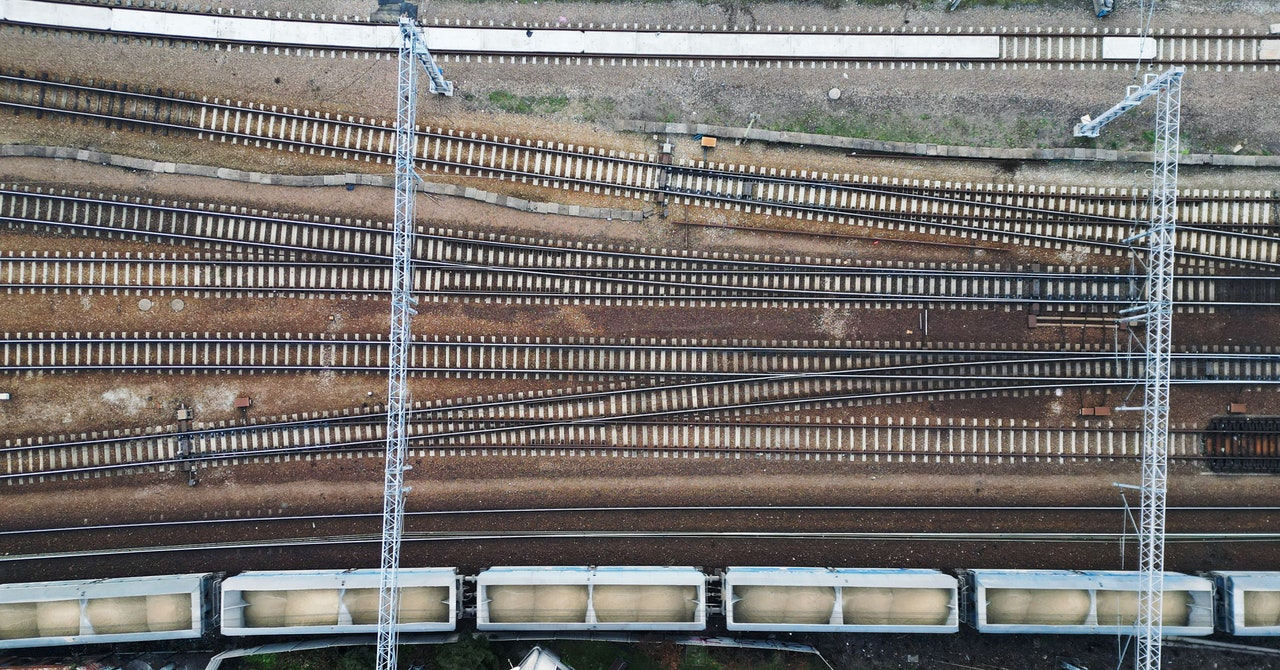
Poland's railway system experienced disruptions over the weekend, with more than 20 trains being brought to a halt through what is being described as a "cyberattack." However, cybersecurity experts have revealed that the attack did not involve any sophisticated hacking techniques. Instead, the saboteurs used a simple radio command to trigger the trains' emergency stop function. By sending a series of three acoustic tones at a specific frequency, anyone with off-the-shelf radio equipment could halt a Polish train. The attack highlights the vulnerability of the railway system's unencrypted and unauthenticated radio communication, which can be easily spoofed. The Polish government plans to upgrade the system by 2025 to use more secure GSM cellular radios.
The former head of JPMorgan Chase & Co.'s precious-metals desk and his top trader have been sentenced to prison for spoofing, fraud, and attempted market manipulation. Michael Nowak, the former head of gold and silver trading, received a term of one year and one day, while trader Gregg Smith was given two years. The judge described Smith as "the most prolific spoofer that the government has prosecuted to date." The convictions are part of a crackdown on illegal spoofing, where traders place bogus orders to manipulate prices, targeting some of Wall Street's biggest banks. JPMorgan agreed to pay $920 million to settle allegations against it.
Grieving family members in the United States are being targeted by a new scam that preys on their vulnerability. Scammers, posing as funeral home representatives, call loved ones of the deceased and demand a deposit for services or cremation. They often use spoofing to make it appear as if the call is coming from the funeral home. The Federal Trade Commission has labeled this scam as despicable and warns people to resist pressure and verify with the funeral home directly. Funeral homes across the country have been posting warnings on social media, but the scam continues to catch people off guard.
The FBI has warned Gmail and Outlook users about cybercriminals using spoofing and phishing techniques to steal financial details and sensitive information. Spoofing is when someone disguises an email address, phone number, or website URL to make it seem like a credible source, while phishing is a form of social engineering where attackers deceive people into revealing sensitive information. Cybercriminals who conduct phishing attacks typically pretend to be legitimate companies, friends, or acquaintances. To avoid falling victim to these scams, users should be thorough when checking who the email is from, avoid opening attachments or clicking links, and report any suspicious emails to their email provider.