False GPS signals, likely of military origin, are causing disruptions for airline pilots near conflict zones, leading to false ground collision alerts and altered flight trajectories. The European Union Aviation Safety Agency (EASA) has warned of intensified disruptions since the start of the war in Ukraine and is partnering with the International Air Transport Association (IATA) to counter spoofing and jamming, emphasizing the need for coordinated data collection and safety measures to address the rising safety risk posed by attacks on GPS systems.
The FAA has cautioned Congress against raising the mandatory retirement age of airline pilots from 65 to 67, emphasizing the need for additional research and safety analysis. This comes ahead of a potential hearing related to an aviation bill in the Senate Commerce Committee. While the House of Representatives previously passed a bill including the provision to raise the retirement age, Transportation Secretary Pete Buttigieg and the Air Line Pilots Association, International (ALPA) have opposed the move, citing potential consequences for U.S. air carriers and international standards.
The head of the U.S. Federal Aviation Administration urged Congress not to raise the mandatory retirement age of airline pilots to 67 from 65, emphasizing the need for additional research and safety analysis. The Senate Commerce Committee is considering its own version of the aviation bill, with the FAA and Transportation Secretary cautioning against the change due to lack of supporting data and potential consequences for U.S. air carriers. While the House previously voted in favor of the age hike, the Air Line Pilots Association opposes it, citing potential scheduling and training issues, while the Regional Airline Association supports it for retaining experienced captains.
The head of the FAA has cautioned US Congress against raising the mandatory retirement age of airline pilots from 65 to 67, emphasizing the need for additional research and safety analysis. The Senate Commerce Committee is considering an aviation bill, but the FAA and Transportation Secretary have expressed concerns about the lack of data to support the increase and its potential impact on aviation safety and US air carriers. The Air Line Pilots Association opposes the age hike, while the Regional Airline Association supports it for retaining experienced captains.
The Federal Aviation Administration has finalized a rule requiring newly-manufactured commercial aircraft to have a secondary barrier between the passenger cabin and cockpit, which will be locked into place when the cockpit door is opened during flight. The rule will apply to planes manufactured starting in the summer of 2025. Airline pilots have pushed for this security device since 9/11, and lawmakers are considering whether to require retrofitting of secondary barriers on airliners currently flying.
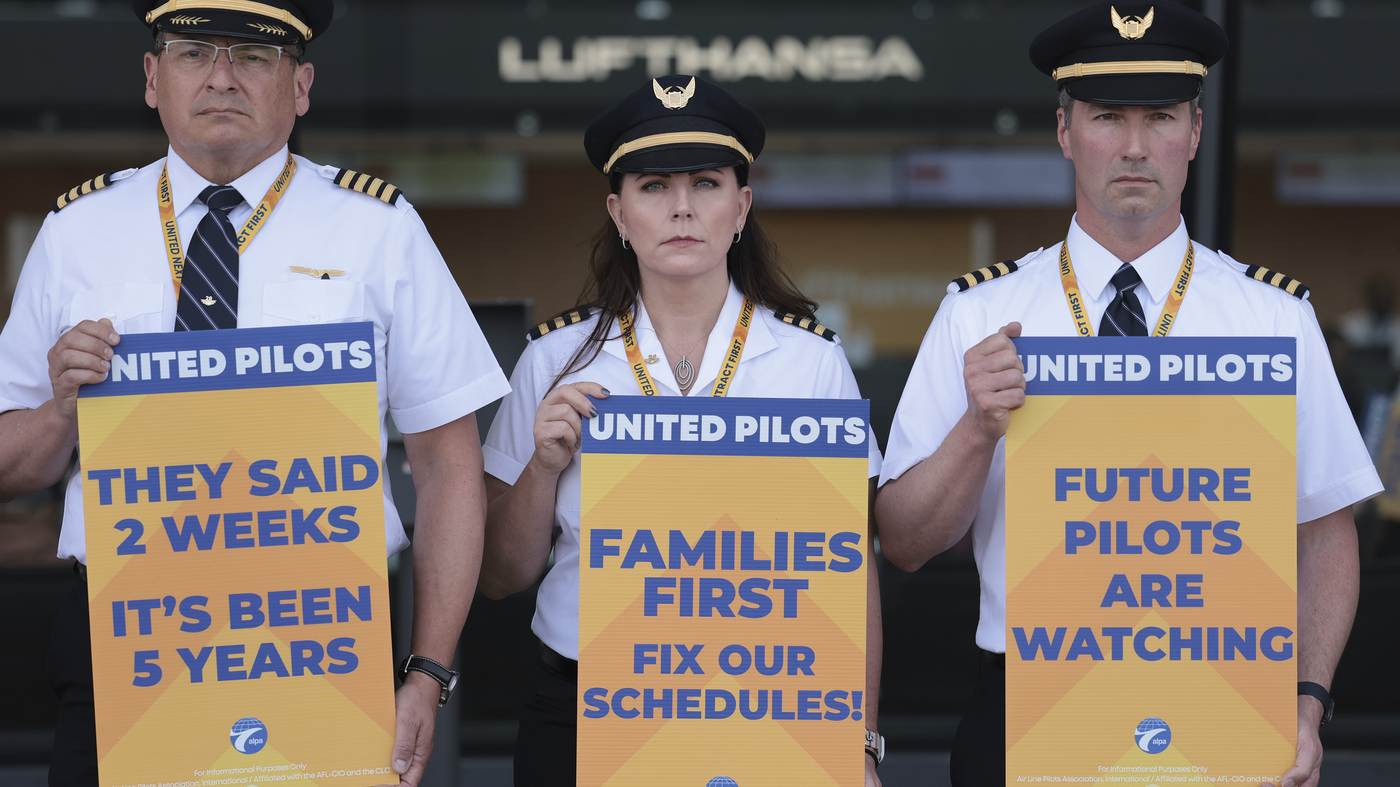
Airline pilots from United, American, and Southwest airlines are protesting for better quality of life and work-life balance as contract negotiations continue. The pandemic delayed any increase in pay for years, but Delta pilots secured a 34% raise on March 1, and United and American have said they will match that. Pilot shortages have made scheduling worse, with tighter schedules, less buffer time around flights, and more nights away from home. Airlines are hiring furiously, but pilot training is a slow, lengthy process, and there aren't enough pilots to train newcomers.