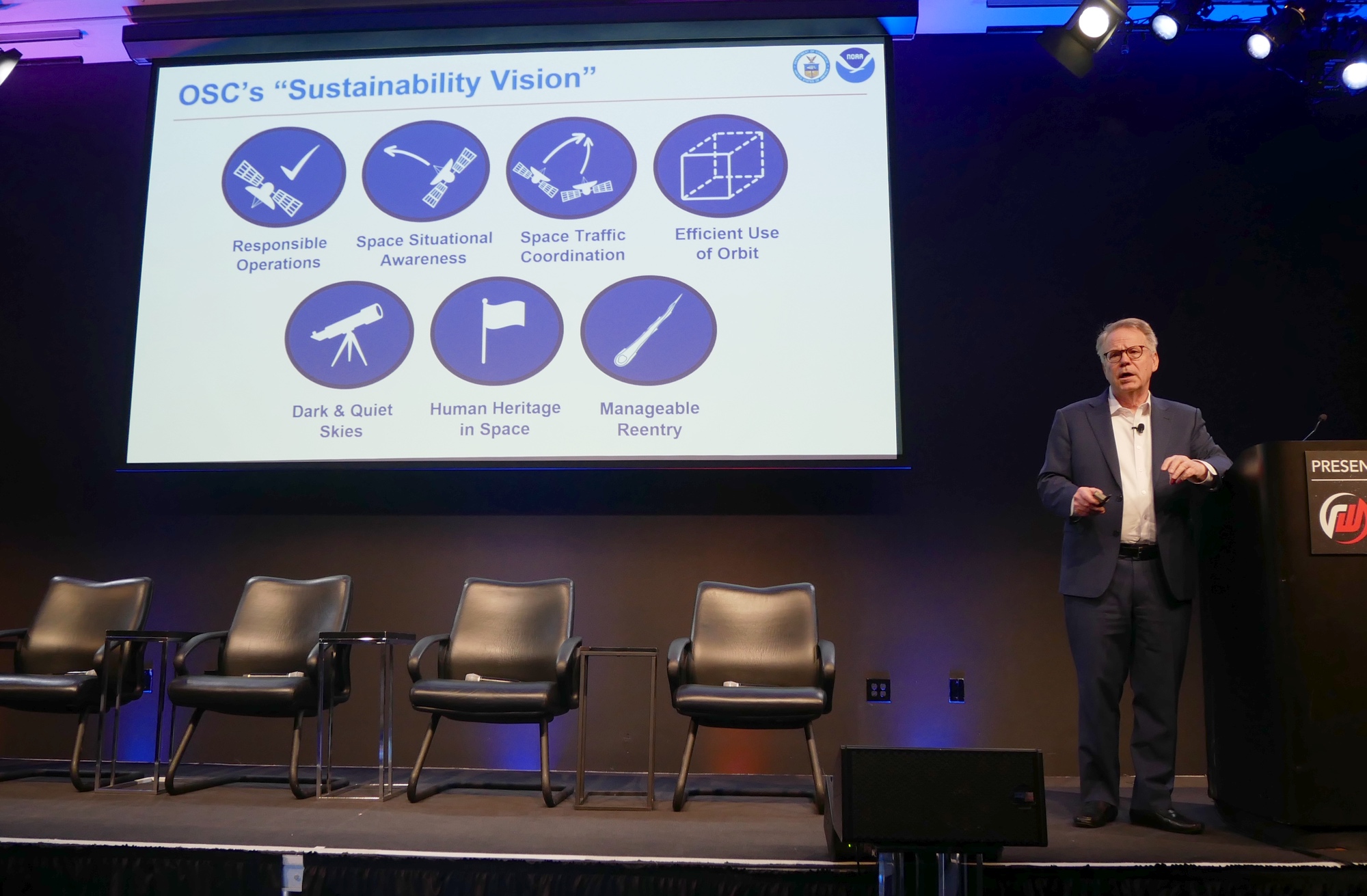
Richard DalBello, director of the Office of Space Commerce, emphasized the need for the space industry to address a broader range of sustainability issues beyond orbital debris, including space traffic coordination, protection of night skies from satellite interference, and environmental concerns. International cooperation and the development of internationally accepted responsible actions are crucial in addressing these issues, with the International Telecommunication Union taking steps to study space sustainability and strategies for post-mission disposal of satellites.
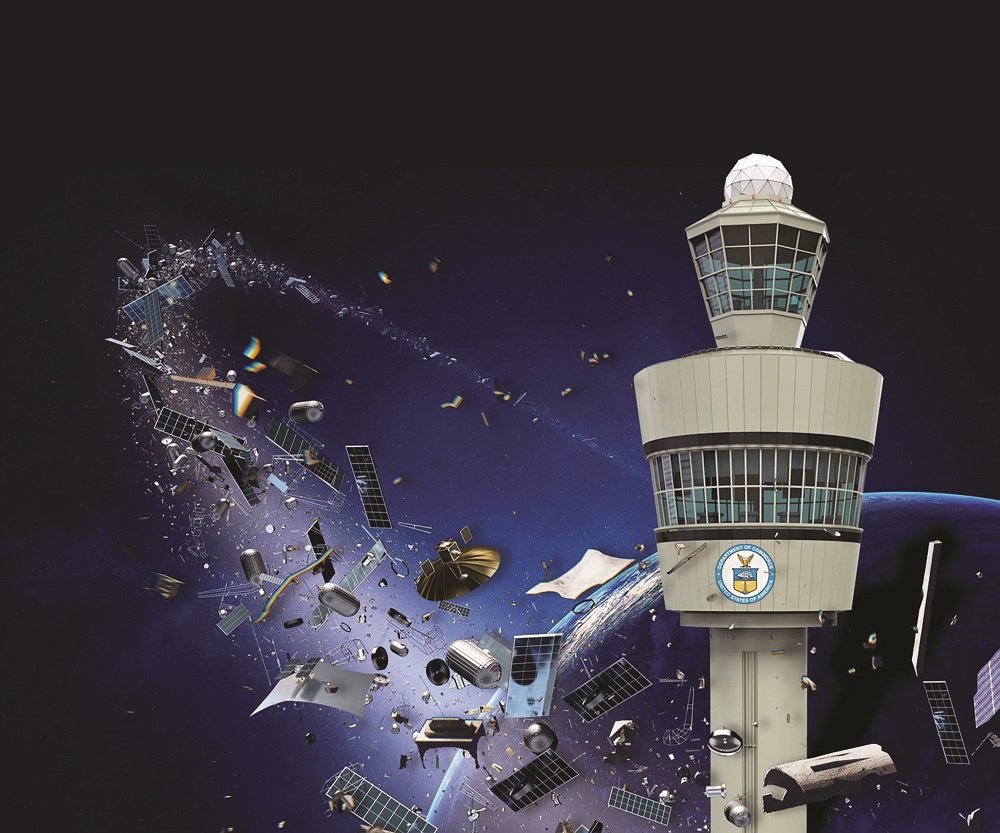
The Office of Space Commerce (OSC) has partnered with SpaceX to explore the use of the company's automated satellite collision avoidance software for civil space traffic coordination. This research partnership aims to evaluate SpaceX's tools for managing thousands of Starlink broadband satellites and develop capabilities for deconflicting and managing the crowded orbital environment. Additionally, OSC is preparing to publish its vision for a global space traffic control system and is working on coordinating efforts worldwide to improve space situational awareness services.
The Senate Commerce Committee has advanced the Orbital Sustainability (ORBITS) Act, which directs NASA to establish an active debris removal program and support missions to remove orbital debris. The bill also outlines the role of NASA in assisting the Commerce Department with the development of a space traffic coordination system called TraCSS. NASA's role will involve creating an integrated development environment called HORIZON to provide insight and guidance on space situational awareness data sources. The Commerce Department will be responsible for developing a prioritized list of orbital debris to remove. The TraCSS system will focus on tracking objects in orbit initially, with plans to expand to launch collision avoidance and tracking reentries in the future.